
Oklahoma, a state often celebrated for its wide-open prairies, rich Native American heritage, and vibrant Oklahoma City and Tulsa urban centers, might not be the first place that springs to mind when envisioning the natural habitat of formidable reptiles like alligators. Yet, beneath the surface of its seemingly arid landscapes and rolling hills, a surprising truth emerges: alligators do indeed call Oklahoma home. This exploration delves into the presence of these ancient creatures within the Sooner State, focusing on their ecological role, the regions where they can be found, and the fascinating opportunities for wildlife enthusiasts and curious travelers to observe them responsibly.
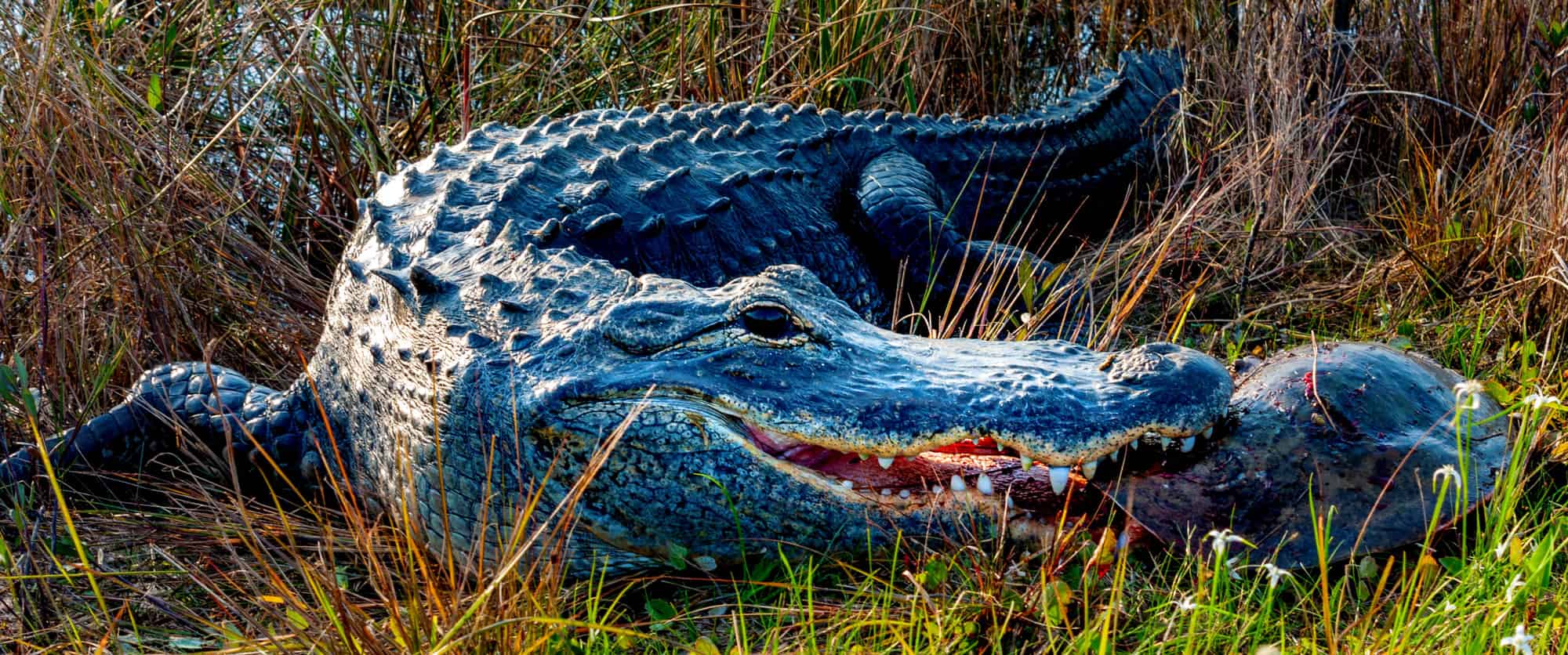
The Unexpected Presence of the American Alligator in Oklahoma
The American alligator (Alligator mississippiensis) is primarily associated with the wetlands of the southeastern United States, thriving in states like Florida, Louisiana, and Georgia. However, the southernmost reaches of Oklahoma, particularly the southeastern counties, share a climate and ecological corridor conducive to their survival. These areas often feature dense vegetation, slow-moving waterways, and abundant food sources that mirror the preferred habitats of alligators further south.
Historical Context and Natural Range Expansion
Historically, alligators were not considered a native species to the entirety of Oklahoma. Their natural range extended to the southern border of the state, primarily along the Red River. However, over time, a combination of factors, including natural dispersal, habitat changes, and even human intervention through stocking programs in certain areas (though these are less common now and strictly regulated), has led to a more established presence. The Oklahoma Department of Wildlife Conservation plays a crucial role in monitoring these populations and ensuring their conservation.
Habitat and Ecology in Oklahoma
The preferred habitat for alligators in Oklahoma includes:
- Swamps and Marshes: Areas with standing, slow-moving water, abundant vegetation for cover, and suitable nesting grounds.
- River Systems and Backwaters: The Red River and its tributaries, as well as oxbow lakes and bayous, provide ideal environments.
- Farm Ponds and Lakes: In rural areas, larger farm ponds and reservoirs can also support alligator populations, especially if they offer sufficient food and shelter.
These environments are critical for alligators, supporting their diet of fish, amphibians, reptiles, birds, and small mammals. Their presence also indicates a healthy aquatic ecosystem, as they are apex predators that help regulate populations of other species.
Where to Find Alligators in Oklahoma
While alligators are present, spotting them requires knowing where to look and understanding their behavior. The key lies in exploring the aquatic ecosystems of the southeastern part of the state.
Southeastern Oklahoma Hotspots
The counties most likely to host alligator populations include:

- McCurtain County: This county, bordering Texas and Arkansas, is home to areas like the Ouachita Mountains foothills and numerous waterways where alligators are observed.
- Pushmataha County: Similar to McCurtain, this region offers extensive marshy areas and river systems that are suitable for alligators.
- Le Flore County: Parts of this county, particularly along river bottoms, can also be home to these reptiles.
These areas are characterized by a wetter climate and more extensive riparian zones compared to the western and central parts of Oklahoma.
Specific Locations for Observation
While pinpointing exact locations is difficult due to the wild nature of the animals, certain parks and wildlife management areas offer better chances for observation:
- Beaver’s Bend State Park: While primarily known for its stunning mountain scenery and the Broken Bow Lake, the rivers and tributaries surrounding the park in McCurtain County can be habitats for alligators. Visitors should always exercise caution and observe from a safe distance.
- Various Wildlife Management Areas (WMAs): The Oklahoma Department of Wildlife Conservation manages numerous WMAs across the state. Some of these, particularly those in the southeastern region, are known to have alligator populations. Researching specific WMAs known for their aquatic environments is recommended.
It is crucial to remember that these are wild animals, and encounters should be approached with respect for their space and safety.
Responsible Wildlife Viewing and Conservation
Encountering alligators in their natural habitat can be an unforgettable experience, but it is paramount that such encounters are conducted responsibly to ensure the safety of both humans and the animals.
Safety Guidelines for Alligator Viewing
When exploring areas known to have alligators, always adhere to the following safety guidelines:
- Maintain a Safe Distance: Never approach an alligator, especially during nesting season (typically late spring/early summer). A minimum distance of 30-50 feet is advisable.
- Never Feed Alligators: Feeding wild animals disrupts their natural behaviors and can lead to them becoming habituated to humans, which is dangerous for both parties.
- Be Aware of Your Surroundings: Alligators are masters of camouflage. Be cautious when walking near the water’s edge and avoid disturbing dense vegetation where they might be resting.
- Keep Pets on a Leash: Pets can be perceived as prey or a threat by alligators, leading to dangerous interactions.
- Do Not Disturb Nests or Hatchlings: Female alligators are fiercely protective of their nests and young.
- Follow Park and WMA Regulations: Always observe posted signs and adhere to the rules set forth by the managing authorities.

Conservation Efforts and Regulations
The presence of alligators in Oklahoma is a testament to successful conservation efforts and a reminder of the importance of protecting natural habitats. The Oklahoma Department of Wildlife Conservation monitors alligator populations, manages their habitats, and enforces regulations to prevent overhunting or poaching.
Alligators are protected under state law, and regulations govern their take, possession, and management. These measures ensure that the alligator population in Oklahoma can thrive and continue to be a part of the state’s diverse natural heritage. For those interested in learning more or reporting sightings, contacting the Oklahoma Department of Wildlife Conservation is the best course of action. Their resources and expertise are invaluable for understanding and appreciating the alligator’s place in the Oklahoma ecosystem.
LifeOutOfTheBox is a participant in the Amazon Services LLC Associates Program, an affiliate advertising program designed to provide a means for sites to earn advertising fees by advertising and linking to Amazon.com. Amazon, the Amazon logo, AmazonSupply, and the AmazonSupply logo are trademarks of Amazon.com, Inc. or its affiliates. As an Amazon Associate we earn affiliate commissions from qualifying purchases.