
This article delves into the complex and often debated topic of capital punishment within the state of Oklahoma, a subject that often surfaces in discussions about justice, crime, and the legal system. Understanding the current status and historical context of the death penalty in Oklahoma is crucial for anyone interested in the state’s legal landscape or the broader implications of capital punishment in the United States.
The Current Legal Standing of Capital Punishment in Oklahoma
Oklahoma is one of the states in the United States that retains capital punishment as a legal sentence for certain serious crimes. The state’s criminal code allows for the imposition of the death penalty for first-degree murder convictions under specific aggravating circumstances. These circumstances are designed to identify the most heinous and egregious cases, distinguishing them from other homicides.
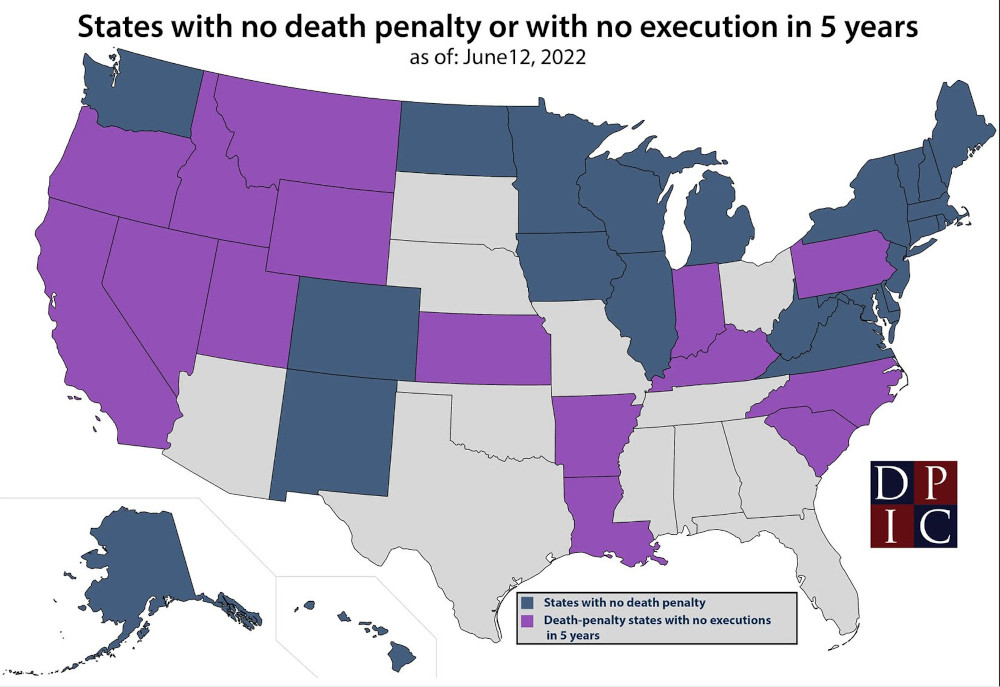
The legal framework surrounding the death penalty in Oklahoma is primarily governed by state statutes. The process is rigorous and involves multiple stages of judicial review. Once a defendant is convicted of a capital offense and the jury or judge determines that aggravating factors are present, the case proceeds to a sentencing phase. In this phase, the jury or judge weighs the aggravating factors against any mitigating factors presented by the defense. If the aggravating factors are found to outweigh the mitigating ones, the death penalty can be imposed.
Following a death sentence, the appeals process in Oklahoma is extensive. This is a standard feature of capital cases nationwide, designed to ensure due process and to provide ample opportunity to identify and correct any errors that may have occurred during the trial. Appeals typically go through the state’s appellate courts, including the Oklahoma Court of Criminal Appeals, and can potentially reach the federal court system, including the U.S. Supreme Court. These appeals can span many years, contributing to the lengthy timelines often associated with death penalty cases.
Methods of Execution in Oklahoma
Oklahoma primarily utilizes lethal injection as its method of execution. This method has been the standard for capital punishment in the state for many years. The protocol for lethal injection typically involves the administration of a series of drugs designed to render the inmate unconscious, paralyze them, and ultimately stop their heart.
However, the state has faced significant challenges and controversies regarding the procurement of the necessary drugs for lethal injection. Shortages and legal challenges to the drug sources have led to delays in executions and prompted discussions about alternative methods or the constitutionality of the current protocols. In the past, Oklahoma has also had provisions for other methods, such as electrocution, firing squad, and nitrogen hypoxia, which could be employed if lethal injection drugs are unavailable or found unconstitutional.
The controversies surrounding lethal injection drugs have brought the practical implementation of the death penalty in Oklahoma under intense scrutiny. Legal battles over drug sourcing, the transparency of these processes, and the potential for botched executions have fueled ongoing debates about the humanity and efficacy of the current execution methods.
Historical Context of the Death Penalty in Oklahoma
The death penalty has a long and varied history in Oklahoma, dating back to its territorial days. Following its admission to the Union in 1907, Oklahoma continued to practice capital punishment, with executions carried out for a range of offenses. Throughout the 20th century, the state saw numerous executions, reflecting the prevailing attitudes towards crime and punishment of the time.
The national moratorium on the death penalty in the 1970s, following the Supreme Court’s landmark decision in Furman v. Georgia, also impacted Oklahoma. However, the state, like many others, rewrote its capital punishment statutes to comply with the Court’s requirements, and executions resumed in the late 1970s after the Supreme Court upheld revised death penalty laws in Gregg v. Georgia.
In recent decades, Oklahoma has been one of the states with the highest execution rates in the nation. This has been particularly true in the 21st century, before a series of issues brought executions to a temporary halt. The state’s robust application of capital punishment has made it a focal point in national discussions about the death penalty.
Notable Cases and Trends
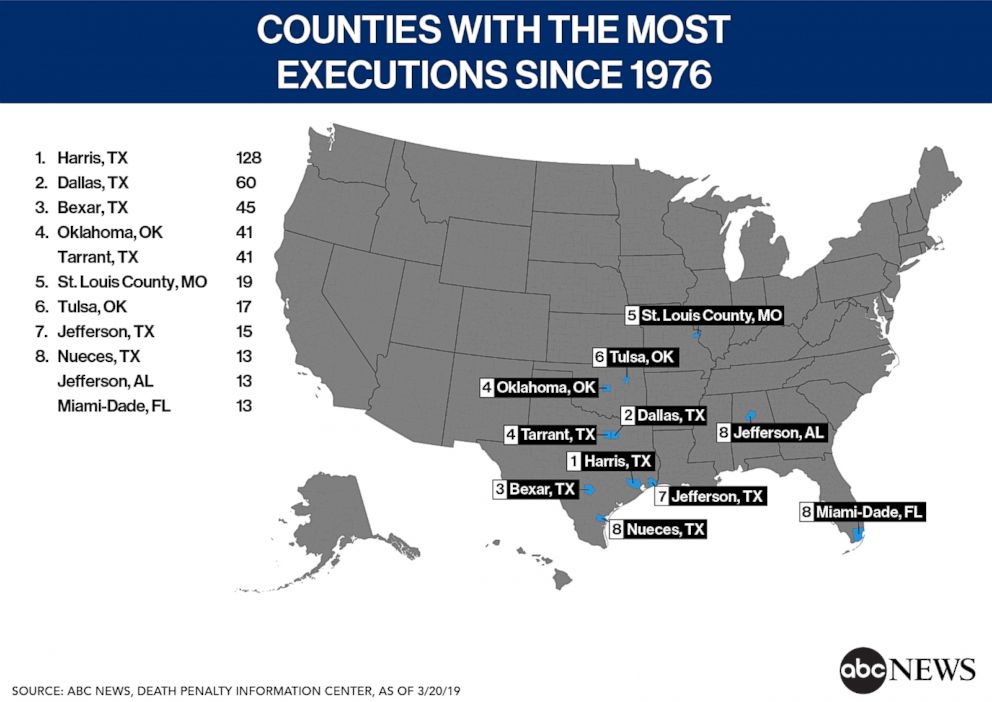
Oklahoma has been the site of several high-profile capital cases that have garnered national attention. These cases often highlight the complexities of the justice system, including issues of wrongful conviction, mental competency of defendants, and the fairness of trial proceedings.
The trend in recent years has seen a number of death row inmates in Oklahoma have their sentences commuted or overturned due to various legal challenges. Concerns about the methods of execution, evidence presented at trials, and the representation of defendants have all contributed to a slowdown in actual executions, even as the death penalty remains on the books. This has led to a period of introspection and legal review within the state regarding its capital punishment system.
Debates and Controversies Surrounding Oklahoma’s Death Penalty
The death penalty in Oklahoma, as elsewhere, is a subject of intense debate, touching upon moral, ethical, legal, and practical considerations.
Arguments for the Death Penalty
Proponents of capital punishment often cite the principle of retribution, arguing that the death penalty is a just punishment for the most heinous crimes, providing a sense of closure for victims’ families. Deterrence is another frequently cited argument, though the empirical evidence supporting the death penalty’s deterrent effect is widely debated. Supporters also point to the incapacitation of dangerous offenders, ensuring they can never harm again.
Arguments Against the Death Penalty
Opponents raise significant concerns about the risk of executing innocent individuals, a risk they argue is unacceptable given the irreversible nature of the punishment. The disproportionate application of the death penalty based on race, socioeconomic status, and the quality of legal representation is another major concern. The high cost of capital cases, due to extensive appeals, is also a practical argument against its use. Furthermore, many religious and ethical viewpoints oppose state-sanctioned killing.
Legal and Procedural Challenges
In Oklahoma, legal and procedural challenges have played a significant role in shaping the current landscape of the death penalty. The controversies surrounding lethal injection protocols, including issues with drug sourcing and potential for suffering, have led to temporary halts in executions and ongoing litigation. Cases involving claims of intellectual disability, mental illness, and ineffective assistance of counsel have also led to lengthy legal battles and, in some instances, resentencing or exoneration.
The state’s death row population has also been affected by these challenges, with many inmates spending decades awaiting execution, a phenomenon often referred to as “death row phenomenon.” This prolonged period of confinement and uncertainty raises further ethical questions about the application of capital punishment.

The Future of Capital Punishment in Oklahoma
The future of the death penalty in Oklahoma remains uncertain, influenced by ongoing legal challenges, evolving public opinion, and national trends in capital punishment. The state has experienced periods of high execution rates followed by significant pauses due to legal and logistical issues, particularly concerning lethal injection drugs.
The legal system continues to grapple with the practical and constitutional aspects of capital punishment. Decisions from state and federal courts on issues such as drug protocols, the definition of aggravating factors, and the mental competency of defendants will undoubtedly shape the future of the death penalty in Oklahoma.
Public opinion within Oklahoma on the death penalty is also a factor, although political will and judicial precedent often play more direct roles in policy changes. As societal views on justice and punishment evolve, so too may the approach to capital punishment in the state. Whether Oklahoma will continue its practice of capital punishment, reform its procedures, or ultimately abolish it remains a question for the future. The ongoing dialogue and legal scrutiny ensure that the death penalty remains a prominent and contentious issue within the state’s legal and social fabric.
LifeOutOfTheBox is a participant in the Amazon Services LLC Associates Program, an affiliate advertising program designed to provide a means for sites to earn advertising fees by advertising and linking to Amazon.com. Amazon, the Amazon logo, AmazonSupply, and the AmazonSupply logo are trademarks of Amazon.com, Inc. or its affiliates. As an Amazon Associate we earn affiliate commissions from qualifying purchases.