
While not typically a topic found in standard travel guides, understanding the legal and social landscape of a destination can offer a deeper, albeit somber, perspective for the informed traveler. When considering a journey to Oklahoma, like any state in the United States, awareness of its contemporary issues and legal framework can shape perceptions and provide context to its cultural fabric. This exploration delves into the question of Oklahoma’s stance on capital punishment, a significant aspect of its justice system that has drawn national attention.
Understanding Capital Punishment in Oklahoma
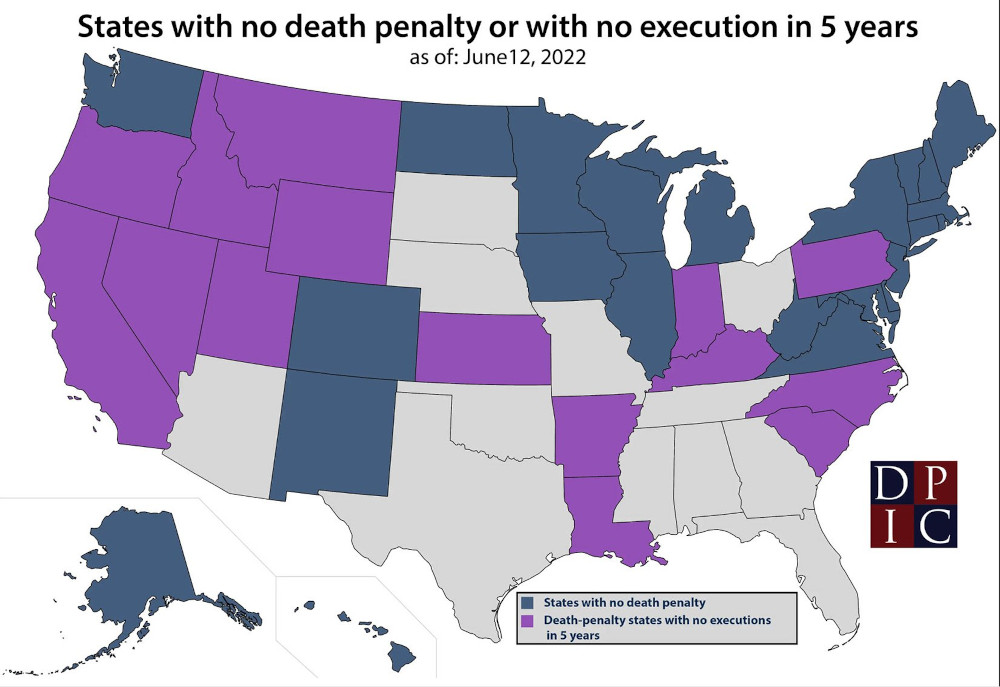
The death penalty, or capital punishment, is a complex legal and ethical issue. In the United States, its application varies significantly by state. Some states have abolished it entirely, while others retain it as a potential sentencing option for the most severe crimes. Oklahoma is one of the states where the death penalty remains legally permissible, making it a subject of ongoing debate and legal challenges.
Historical Context and Legal Framework
The history of capital punishment in Oklahoma is intertwined with the state’s development. Established as a state in 1907, Oklahoma has a long-standing tradition of having capital offenses on its books. The legal framework governing the death penalty is primarily defined by state statutes and interpreted through federal and state court decisions.
The death penalty in Oklahoma applies to specific capital crimes, most notably first-degree murder under aggravating circumstances. These circumstances can include factors such as murder committed during the commission of another felony, murder for hire, multiple murders, or murder of a law enforcement officer. The process is lengthy and involves multiple appeals, ensuring that any execution is preceded by extensive judicial review.
Methods of Execution
Historically, various methods of execution have been employed across the United States, including hanging, electrocution, lethal gas, and firing squad. In Oklahoma, the primary method of execution has evolved over time. Currently, lethal injection is the legally authorized method. This method involves the administration of a series of drugs designed to render the condemned unconscious and then stop their breathing and heart.
The use of lethal injection has become a focal point of legal challenges, with opponents arguing about the humanity of the process and the potential for botched executions due to complications with the drugs or their administration. These challenges have, at times, led to temporary stays of execution in Oklahoma, as the state grapples with sourcing the necessary drugs and ensuring compliance with legal standards.
Legal Challenges and Public Opinion
The death penalty in Oklahoma, like in many other states, is not without its controversies. Legal challenges are frequent and focus on various aspects of the capital punishment system, from the constitutionality of the death penalty itself to the specific procedures and drug protocols used in executions.

Appeals and Post-Conviction Review
A crucial aspect of capital punishment in Oklahoma is the extensive system of appeals and post-conviction review. Once a defendant is sentenced to death, they are entitled to a series of appeals through both state and federal courts. This process can take many years, even decades, and is designed to safeguard against wrongful convictions and ensure that all legal avenues have been exhausted.
These appeals often raise issues such as ineffective assistance of counsel, prosecutorial misconduct, newly discovered evidence, or the constitutionality of the death penalty itself. The complexity of these legal proceedings underscores the gravity with which the state approaches capital cases.
Debates and Public Perception
Public opinion on the death penalty in Oklahoma is divided, reflecting broader national trends. Supporters often view capital punishment as a just retribution for heinous crimes, a deterrent to future offenses, and a means of providing closure to victims’ families. They emphasize the need for the ultimate penalty for the ultimate crimes.
Opponents, conversely, raise concerns about the risk of executing innocent individuals, the ethical implications of state-sanctioned killing, and the potential for racial or socioeconomic bias in its application. They may also point to the high costs associated with capital cases, which often exceed those of life imprisonment without parole. Advocacy groups on both sides actively engage in public discourse, influencing legislative debates and court decisions.
Impact on Visitors and Cultural Understanding
For visitors to Oklahoma, understanding the state’s legal and social context, including its stance on capital punishment, can offer a more nuanced appreciation of its society. While the death penalty is not a daily concern for most tourists exploring attractions like the Oklahoma City National Memorial & Museum or the vibrant arts scene in Tulsa, it is a significant element of the state’s legal and ethical discussions.
A Glimpse into the Justice System
The existence of capital punishment in Oklahoma is a reflection of its particular approach to criminal justice and its societal values regarding punishment and retribution. While not an attraction in itself, this legal reality contributes to the complex tapestry of Oklahoma’s identity. Travelers interested in civic engagement or social justice might find this aspect of the state’s governance to be a point of study, offering insights into the workings of its legal system.

Contextualizing Social Issues
The death penalty is often a symptom of broader societal debates about crime, punishment, and rehabilitation. Its presence in Oklahoma can be seen as part of a larger discussion occurring within the state concerning public safety, the role of the justice system, and the balance between punishment and mercy. For a thoughtful traveler, understanding these undercurrents can enrich their experience, providing a deeper context beyond the more superficial aspects of tourism. It allows for a more profound engagement with the place, recognizing that every community, including those in Oklahoma, grapples with significant challenges and complex moral questions.
In conclusion, the question of whether Oklahoma has the death penalty is answered affirmatively. The state retains capital punishment, employing lethal injection as its method of execution for qualifying offenses. This practice is subject to ongoing legal scrutiny and public debate, forming a significant, though often behind-the-scenes, aspect of the state’s legal and social landscape. For those seeking a comprehensive understanding of Oklahoma, acknowledging this facet of its justice system provides valuable context to its contemporary character.
LifeOutOfTheBox is a participant in the Amazon Services LLC Associates Program, an affiliate advertising program designed to provide a means for sites to earn advertising fees by advertising and linking to Amazon.com. Amazon, the Amazon logo, AmazonSupply, and the AmazonSupply logo are trademarks of Amazon.com, Inc. or its affiliates. As an Amazon Associate we earn affiliate commissions from qualifying purchases.