
Navigating the complexities of estate planning and the transfer of assets after a loved one passes can be a significant undertaking. For those considering or currently experiencing this process, understanding the specific tax implications within a particular jurisdiction is paramount. This article delves into the tax landscape of Oregon, specifically addressing the presence and implications of an inheritance tax for residents and those with assets in the state.
Understanding Inheritance Taxes: A General Overview
Before focusing on Oregon, it’s beneficial to establish a foundational understanding of what an inheritance tax is and how it differs from other estate-related taxes. An inheritance tax is a tax levied on individuals who inherit assets from a deceased person. Unlike an estate tax, which is typically paid by the estate itself before distribution, an inheritance tax is paid by the beneficiaries who receive the assets. The tax rate can vary based on the relationship between the deceased and the beneficiary (e.g., spouses, children, or more distant relatives) and the value of the inherited assets. Some states have both estate and inheritance taxes, while others have one or the other, or neither. The purpose of these taxes, from a state’s perspective, is to generate revenue from the transfer of wealth.
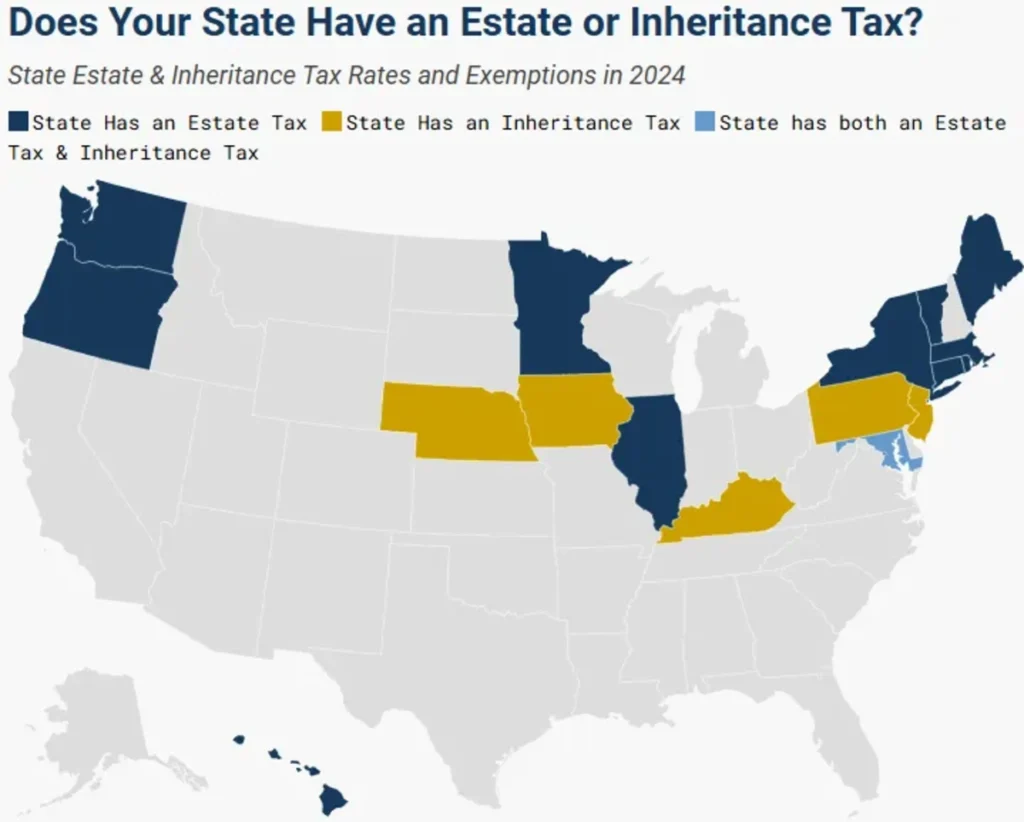
Estate Tax vs. Inheritance Tax
The distinction between an estate tax and an inheritance tax is crucial for effective financial planning.
- Estate Tax: This tax is imposed on the total value of a deceased person’s estate before any assets are distributed to beneficiaries. The responsibility for paying the estate tax typically falls on the executor of the estate. There are federal estate tax laws, and some states also impose their own estate taxes.
- Inheritance Tax: This tax is levied on the beneficiaries who receive assets from the estate. The amount of tax owed is usually determined by the value of the assets received and the beneficiary’s relationship to the deceased. Spouses and direct descendants often receive preferential tax treatment, paying lower rates or being exempt altogether, while collateral heirs (like siblings, nieces, nephews) or unrelated individuals may face higher tax burdens.
The existence and specifics of both federal and state estate and inheritance taxes can significantly impact the net amount of wealth that ultimately reaches the intended heirs. Therefore, comprehending these differences is a vital first step in estate planning and settling an estate.
Oregon’s Tax Landscape: Estate and Inheritance Tax Status
A direct answer to the question of whether Oregon has an inheritance tax is clear: No, Oregon does not have an inheritance tax. This is a significant point of clarity for individuals residing in or with financial interests in the state. Many states have implemented various forms of taxation on inherited assets, but Oregon has chosen a different path, exempting beneficiaries from paying a state-level inheritance tax on what they receive.
This absence of an inheritance tax in Oregon can simplify the process for heirs, reducing the financial burden and the administrative complexities associated with settling an estate. However, it is important to note that this does not mean there are no tax considerations whatsoever when inheriting assets in Oregon.
Federal Estate Tax Implications
While Oregon does not levy an inheritance tax, the federal government does impose an estate tax. The federal estate tax applies to estates exceeding a certain exemption threshold, which is quite high. For 2024, the federal estate tax exemption is set at $13.61 million per individual. This means that only very large estates are subject to federal estate tax. If an estate falls below this substantial threshold, it will not owe federal estate tax. Even if an estate is large enough to be subject to the federal estate tax, the tax is paid by the estate itself, not directly by the individual beneficiaries in the form of an inheritance tax.
Other Potential Tax Considerations for Heirs in Oregon
Even without a state inheritance tax, heirs in Oregon might still encounter tax implications related to inherited assets. These can include:
- Income Tax on Inherited Assets: While the inheritance itself is not taxed by Oregon, any income generated by those assets after they are inherited can be subject to income tax. For example, if a beneficiary inherits stocks that subsequently pay dividends, those dividends would be considered taxable income. Similarly, if inherited rental property generates rental income, that income is taxable.
- Capital Gains Tax: If a beneficiary later sells inherited assets such as real estate or stocks for more than their value at the time of inheritance (the “stepped-up basis” often applies, which is the fair market value on the date of death), they may owe capital gains tax on the profit. The “stepped-up basis” rule generally allows inherited assets to be valued at their fair market value on the date of the decedent’s death, which can significantly reduce potential capital gains tax liability for the heir.
- Property Taxes: Inherited real estate will continue to be subject to local property taxes, which are assessed and collected by county governments. The responsibility for these taxes transfers to the new owner (the beneficiary).
- Federal and State Income Taxes: As mentioned, any income generated by the inherited assets (e.g., interest from bonds, rental income from property, dividends from stocks) will be subject to both federal and Oregon state income taxes for the beneficiary.

It is crucial for beneficiaries to understand the nature of the assets they inherit and the potential income or capital gains they might generate to accurately plan for their tax obligations.
Estate Planning in Oregon: Planning for Asset Transfer
The absence of an inheritance tax in Oregon can simplify estate planning, but it does not eliminate the need for careful consideration and strategic planning. While beneficiaries may be spared a direct inheritance tax, the overall estate plan still plays a vital role in ensuring assets are transferred efficiently and according to the deceased’s wishes, while minimizing potential tax liabilities and administrative hurdles.
Wills and Trusts
A well-drafted will is fundamental to any estate plan. It outlines how a person’s assets should be distributed after their death, names an executor to manage the estate, and can appoint guardians for minor children. For larger estates, trusts can offer additional benefits, such as avoiding probate (the court-supervised process of distributing assets), providing for asset management for beneficiaries, and potentially offering tax advantages. Oregon recognizes various types of trusts, and their suitability depends on individual circumstances.
Beneficiary Designations
For certain assets, such as retirement accounts (e.g., 401(k)s, IRAs) and life insurance policies, beneficiaries can be directly designated. These assets typically pass to the named beneficiaries outside of the probate process and bypass the will. It is essential to keep these designations up to date, as they supersede any instructions in a will.
Gifting Strategies
Individuals can also engage in gifting strategies during their lifetime to reduce the size of their taxable estate. While the federal gift tax exemption is currently aligned with the estate tax exemption, understanding these rules is important for substantial wealth transfers. Oregon does not have a separate state gift tax.
Seeking Professional Guidance in Oregon
While Oregon‘s lack of an inheritance tax is a welcome simplification for many, navigating the broader landscape of estate planning and asset distribution still warrants professional advice. Estate laws can be intricate, and individual circumstances vary greatly.
Estate Attorneys
An Oregon estate planning attorney can provide invaluable assistance in drafting wills, establishing trusts, and advising on the most effective ways to transfer wealth. They can help clients understand the implications of federal estate and gift taxes, as well as other state-specific considerations.

Financial Advisors and Tax Professionals
Financial advisors can help individuals manage their assets to minimize potential estate tax liability and ensure their assets are structured in a way that aligns with their legacy goals. Tax professionals, such as Certified Public Accountants (CPAs), are essential for understanding and managing income tax, capital gains tax, and any other tax obligations that may arise from inherited assets. They can also assist with filing necessary tax returns, such as the federal estate tax return (Form 706), if the estate meets the filing threshold.
By engaging with qualified professionals, individuals in Oregon can create a comprehensive estate plan that ensures their assets are distributed smoothly and efficiently, providing peace of mind for both the estate planner and their beneficiaries, free from the burden of a state inheritance tax.
LifeOutOfTheBox is a participant in the Amazon Services LLC Associates Program, an affiliate advertising program designed to provide a means for sites to earn advertising fees by advertising and linking to Amazon.com. Amazon, the Amazon logo, AmazonSupply, and the AmazonSupply logo are trademarks of Amazon.com, Inc. or its affiliates. As an Amazon Associate we earn affiliate commissions from qualifying purchases.