
For anyone considering a visit, a relocation, or even a business venture within the captivating borders of Oregon, a fundamental question often arises: Does Oregon have an income tax? The answer, unequivocally, is yes. Oregon stands out among the states in the United States for its unique tax structure, which includes a progressive state income tax but conspicuously lacks a statewide sales tax. This distinction has significant implications for travelers, potential residents, and businesses alike, shaping everything from the cost of a souvenir to the overall financial viability of living in the Pacific Northwest gem.
Understanding Oregon’s tax landscape is crucial for anyone planning their next adventure or seeking a new home. Whether you’re budgeting for a luxury travel experience, planning a family trip, or considering a business stay, these financial details play a pivotal role in your overall lifestyle and expenditure. Our exploration will delve into the intricacies of Oregon’s tax system, revealing how it influences daily life, tourism, accommodation choices, and the broader economic environment of this diverse state.
Understanding Oregon’s Unique Tax Landscape
Oregon’s approach to taxation is a fascinating blend that sets it apart. While many states rely on a combination of income and sales taxes, Oregon leans heavily on personal income tax to fund its public services, offering residents and visitors a distinctive financial experience.
The Personal Income Tax Structure
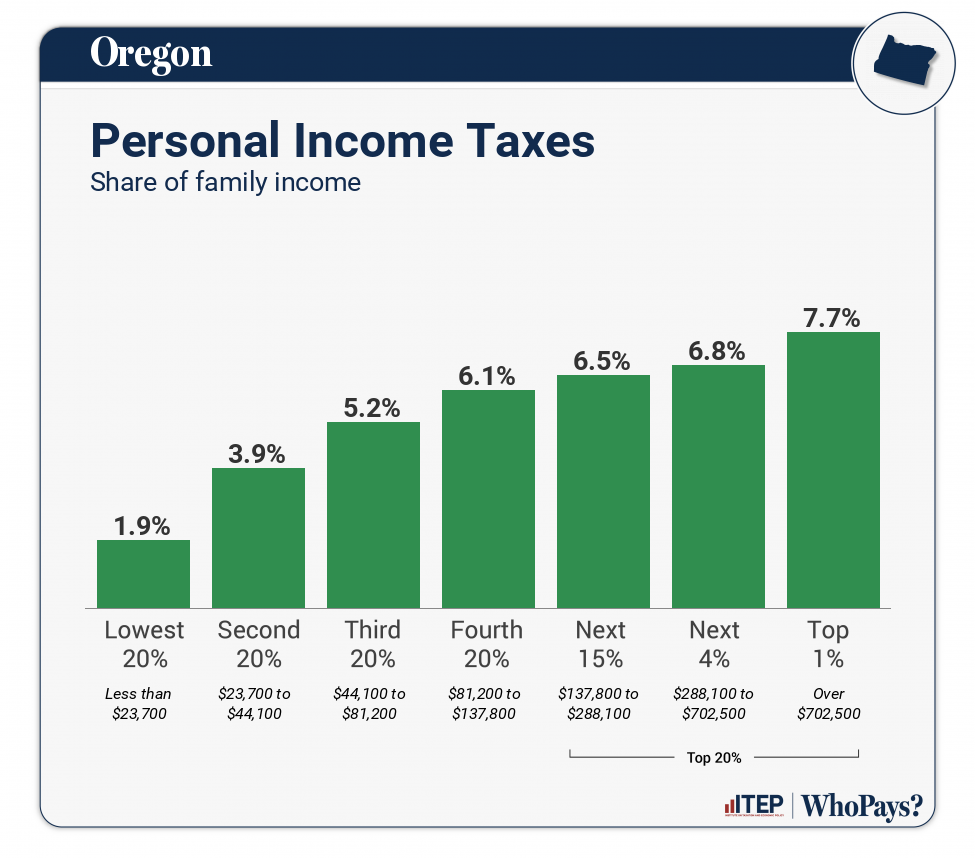
At the heart of Oregon’s revenue generation is its progressive personal income tax. This means that individuals with higher incomes pay a higher percentage of their earnings in taxes. The tax rates are structured into several brackets, with the lowest bracket starting at a relatively modest rate for lower incomes and gradually increasing for higher earners. For instance, as of recent tax years, the lowest rate might apply to income below a certain threshold, while the highest rate could apply to income exceeding a much larger sum. These rates are subject to change by the state legislature, so it’s always advisable to consult the latest information from the Oregon Department of Revenue for the most accurate figures.
This progressive system aims to distribute the tax burden more equitably, ensuring that those with greater financial capacity contribute more to the state’s coffers. For residents, understanding these brackets is essential for personal financial planning, budgeting for long-term stays, and making informed decisions about where to live within the state. For those considering relocation for work, the income tax rate will be a significant factor in evaluating the overall compensation package and cost of living.
Sales Tax: A Welcome Absence for Shoppers
One of the most appealing aspects of Oregon’s tax structure, especially for travelers and shoppers, is the complete absence of a statewide sales tax. This means that when you purchase goods, whether it’s a new outfit in Portland, artisanal crafts in Ashland, or outdoor gear in Bend, the price you see on the tag is the price you pay at the register. There are no additional percentages tacked on for state, county, or city sales taxes.
This particular feature is a significant draw for tourism. Visitors from neighboring states like Washington and California, which have sales taxes, often cross into Oregon specifically for shopping sprees, benefiting from the immediate savings. This also makes dining out, buying groceries, and purchasing souvenirs more straightforward and often less expensive than in states with sales tax. For those planning a budget travel experience, the lack of sales tax can stretch your dollars further, allowing you to enjoy more of Oregon’s attractions and culinary delights.
Property Taxes and Local Levies
While there’s no sales tax, Oregon does levy property taxes, which are a crucial source of funding for local government services, including schools, public safety, and infrastructure projects. These taxes are assessed at the local level (by counties, cities, and special districts) and vary significantly depending on the property’s location and assessed value. Homeowners and those considering purchasing real estate in Oregon must factor in these property taxes when calculating their overall housing costs.
Additionally, various local levies and fees might apply. For instance, some cities or counties may impose local lodging taxes on hotels, resorts, apartments, and other forms of accommodation. These taxes, though not a statewide sales tax, are specific to certain services and help fund local tourism initiatives or infrastructure improvements. When booking accommodation, it’s always wise to check the total price, including any local taxes, to get an accurate understanding of your expenses. For someone considering a long-term stay or an investment in real estate, understanding the local property tax rates and other potential levies is paramount for sound financial planning.
The Impact of Taxes on Your Oregon Experience
The unique tax structure of Oregon profoundly influences various aspects of both travel and daily life within the state. From how you budget for a vacation to the overall cost of living, understanding these nuances can enhance your experience and financial planning.
Budgeting for Your Oregon Vacation
For tourists, the absence of sales tax is a significant advantage. Imagine purchasing a meal at a highly-rated restaurant in Portland, buying a bottle of local Willamette Valley wine, or stocking up on essentials for a camping trip to Crater Lake National Park – you’re only paying the listed price. This direct pricing simplifies budgeting and can lead to noticeable savings, particularly on larger purchases like electronics or clothing. It’s a key factor for those planning family trips or even business stays where expenses need to be carefully tracked.
However, visitors should remember that while consumer goods are sales-tax-free, services might still have local taxes or fees. For example, lodging, as mentioned, often carries a local transient occupancy tax. These charges are typically clearly outlined when booking hotels, suites, resorts, or apartments, so it’s always a good practice to review the final cost breakdown. Overall, the lack of sales tax generally makes Oregon a more affordable destination for shopping and everyday expenditures, making it an attractive option for budget travel without sacrificing quality.
Cost of Living Considerations for Residents
For individuals contemplating a move to Oregon, the income tax becomes a central figure in their financial calculations. While residents benefit from no sales tax on purchases, their income is subject to state taxation. This means that compared to states with no income tax (like Washington or Nevada), a higher percentage of their earnings might go towards state taxes.
When evaluating the cost of living, it’s crucial to look at the whole picture. Factor in housing costs, which can be quite high in popular areas like Portland and Bend, alongside property taxes (if owning a home) and the state income tax. The absence of sales tax can offset some of these costs, especially for households with significant consumption. For those seeking long-term stays, perhaps in a rental apartment or a villa, comparing the combined tax burden to other states is a critical step in financial planning and deciding if the Oregon lifestyle aligns with their budget.
Business and Investment Climate

Oregon’s tax structure also shapes its business and investment climate. While businesses operating in Oregon are subject to corporate income tax and other business-related taxes, the lack of sales tax can be a boon for retail businesses, as it potentially encourages more consumer spending. This can create a vibrant retail sector, benefiting both local entrepreneurs and larger chains.
For investors, understanding the tax implications of doing business in Oregon is vital. The state offers various incentives and programs, but the overall tax burden on corporate profits and individual income can influence decisions regarding setting up new ventures or expanding existing ones. This dynamic interplay between income tax, property tax, and the absence of sales tax creates a unique economic environment that savvy investors and business travelers need to navigate carefully.
Navigating Oregon for Travelers and Expats
Whether you’re planning a whirlwind tour of Oregon’s natural wonders or considering a more permanent move, strategic planning can maximize your enjoyment and minimize financial surprises.
Accommodation and Dining: What to Expect
When it comes to accommodation, Oregon offers a vast array of options, from luxurious resorts on the Oregon Coast to cozy bed and breakfasts in charming towns like Ashland, and modern hotels in urban centers like Salem. As mentioned, while there’s no sales tax, local lodging taxes are common. These taxes typically range from 1% to 11% depending on the specific city or county. Always confirm the total price, including these taxes, when booking your hotel, suite, or apartment through various platforms. Reviews and comparison sites can help you find the best deals and amenities, but remember that the final price will include any local lodging taxes.
Dining out in Oregon is a genuine pleasure, enhanced by the farm-to-table movement and a booming craft beverage scene. From food trucks in Portland to fine dining establishments, you’ll find diverse culinary experiences. The lack of sales tax means your bill will only reflect the cost of your food and drink, plus any gratuity you choose to leave. This transparency is refreshing and allows for more accurate budgeting, making Oregon an attractive destination for foodies and those keen on exploring local culture through its cuisine.
Exploring Oregon’s Attractions Without Sales Tax
Oregon’s natural beauty is unparalleled, boasting dramatic coastlines, towering mountains like Mount Hood, verdant forests, and high deserts. Exploring landmarks like the majestic Columbia River Gorge or the unique landscapes of Crater Lake National Park often involves purchasing entry fees, equipment rentals, or souvenirs. The absence of sales tax directly benefits these activities. Whether you’re renting a kayak, buying hiking gear, or picking up a memento, you’re not paying extra on top of the listed price.
This makes activities and experiences, which are central to tourism, more accessible and cost-effective. For families, this can mean significant savings when outfitting everyone for outdoor adventures. It also encourages local businesses to thrive, offering everything from guided tours to specialized outdoor equipment without the added complexity of sales tax calculations, ultimately enriching the overall experience for visitors.
Financial Planning Tips for Long-Term Stays
For those considering an extended stay in Oregon, perhaps as a digital nomad, a temporary worker, or someone exploring relocation, prudent financial planning is key. Understanding your income tax obligations is paramount, as is factoring in the cost of rent or property taxes.
- Consult a Tax Professional: Especially if you’re coming from another state or country, seeking advice from an Oregon-specific tax advisor can clarify your individual situation and ensure compliance.
- Budget Holistically: Don’t just look at monthly rent. Consider utilities, transportation, and groceries (which benefit from no sales tax) alongside potential income tax deductions or credits you might qualify for.
- Explore Accommodation Options: For long-term stays, consider apartments or villas that offer monthly rates, often more cost-effective than nightly hotel rates. Platforms for booking and comparison can provide detailed breakdowns of costs, including any long-term stay discounts or local taxes.
- Embrace Local Savings: Take advantage of the no-sales-tax benefit for everyday purchases, which can add up over time and help offset other living expenses.
Beyond Taxes: The Full Oregon Lifestyle
While tax considerations are important, they are just one piece of the rich tapestry that makes Oregon such a sought-after destination for travelers and residents alike. The state offers an unparalleled lifestyle, blending vibrant urban experiences with stunning natural beauty.
Oregon’s Natural Beauty and Outdoor Activities
Oregon is a paradise for outdoor enthusiasts. The Oregon Coast boasts dramatic cliffs, charming lighthouses, and expansive beaches perfect for storm watching or tide pooling. Inland, the Columbia River Gorge offers breathtaking waterfalls and world-class windsurfing. The Cascade Range, home to Mount Hood, provides ample opportunities for skiing, snowboarding, hiking, and mountaineering. Further south, Crater Lake National Park mesmerizes with its deep blue waters and pristine wilderness. These natural landmarks and diverse ecosystems cater to every type of adventurer, from rigorous trekkers to those seeking serene nature walks.
Vibrant Cities and Cultural Hubs
Oregon’s cities are cultural melting pots, each with its distinct character. Portland, the state’s largest city, is renowned for its eclectic arts scene, innovative culinary landscape, craft breweries, and quirky independent shops. It’s a hub for luxury travel experiences, boutique hotels, and unique attractions. Bend on the eastern side of the Cascades is an outdoor adventure capital, famous for its breweries and proximity to skiing and mountain biking trails. Ashland, in Southern Oregon, is home to the internationally acclaimed Oregon Shakespeare Festival, drawing culture enthusiasts from around the globe. Even the state capital, Salem, offers historical sites and access to the heart of the Willamette Valley wine country.
Culinary Scene and Local Delights
The food and drink scene in Oregon is a major draw for tourism. The state’s fertile lands and access to the Pacific Ocean mean an abundance of fresh, local ingredients. From succulent Dungeness crab on the coast to world-class Pinot Noir from the Willamette Valley, Oregon offers a diverse palate. Food trucks in Portland are a culinary institution, providing an affordable and varied dining experience. The craft beer, cider, and spirits industries are also thriving, offering endless opportunities for tasting and tours, all without the added burden of sales tax on your purchases.

Conclusion
So, does Oregon have an income tax? Yes, it does, and it’s a significant aspect of the state’s financial framework. However, this is balanced by the complete absence of a statewide sales tax, a rare and attractive feature in the United States. This unique tax structure shapes the financial considerations for anyone interacting with the state, from a casual tourist enjoying a shopping spree to a potential resident calculating their cost of living.
For travelers, the lack of sales tax makes consumer goods, dining, and activities more transparently priced and often more affordable. For those considering long-term stays or relocation, understanding the progressive income tax and local property taxes is essential for sound financial planning and embracing the full Oregon lifestyle. Beyond the numbers, Oregon offers an incredibly rich array of experiences, from its breathtaking natural landmarks and outdoor adventures to its vibrant cities and exceptional culinary scene. By understanding its tax system, you can better budget, plan, and ultimately enjoy all that this dynamic Pacific Northwest state has to offer, whether your interest lies in luxury travel, a budget-friendly family trip, or a productive business stay. Oregon truly provides a distinctive backdrop for memorable journeys and fulfilling lives.
LifeOutOfTheBox is a participant in the Amazon Services LLC Associates Program, an affiliate advertising program designed to provide a means for sites to earn advertising fees by advertising and linking to Amazon.com. Amazon, the Amazon logo, AmazonSupply, and the AmazonSupply logo are trademarks of Amazon.com, Inc. or its affiliates. As an Amazon Associate we earn affiliate commissions from qualifying purchases.