
When travelers look toward the Pacific Northwest, they are often searching for the dramatic intersection of land and sea. The question “Does Oregon have mountains?” is not merely a geographic inquiry; it is an invitation to explore one of the most rugged, geologically diverse, and visually arresting landscapes in the United States. The short answer is a resounding yes. In fact, mountains define the character, the climate, and the soul of the state. From the snow-capped volcanic sentinels of the Cascade Range to the ancient, weathered peaks of the Coast Range, Oregon is a high-altitude playground that demands to be explored.
The Mighty Cascade Range: Oregon’s Volcanic Spine
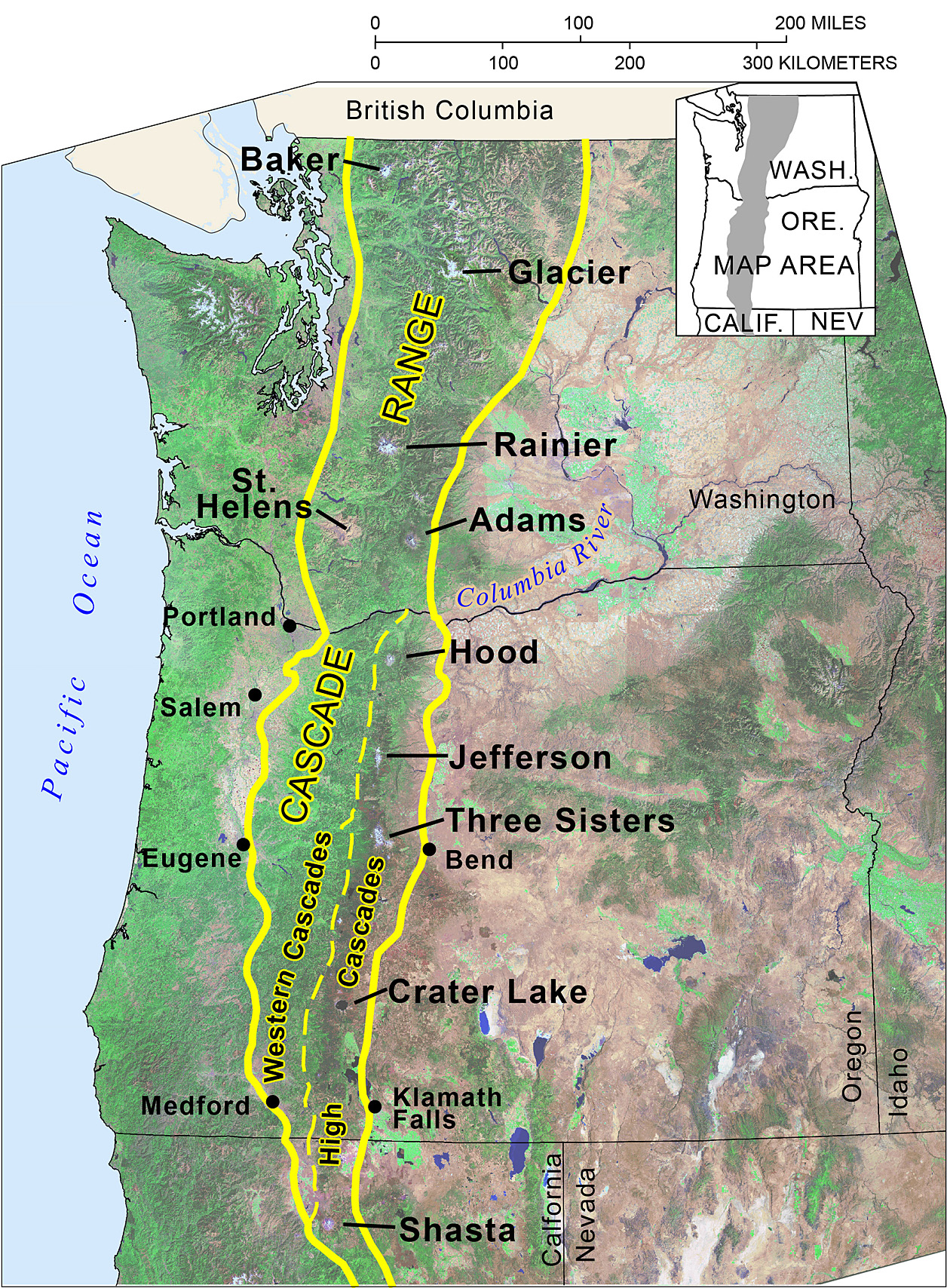
The most iconic features of the Oregon landscape belong to the Cascade Mountains. This chain of peaks is part of the Pacific Ring of Fire, a region known for intense volcanic activity, which has sculpted the state’s terrain over millions of years.
Mount Hood: The Crown Jewel
Standing at 11,249 feet, Mount Hood is the highest point in Oregon. It is more than just a mountain; it is a cultural icon. Visible from Portland on clear days, this stratovolcano serves as a mecca for mountaineers, skiers, and photographers. Whether you are trekking the Timberline Trail during the summer wildflower season or carving through the powder at the Timberline Lodge, Mount Hood represents the pinnacle of the alpine experience in the region.
The Three Sisters and Central Oregon
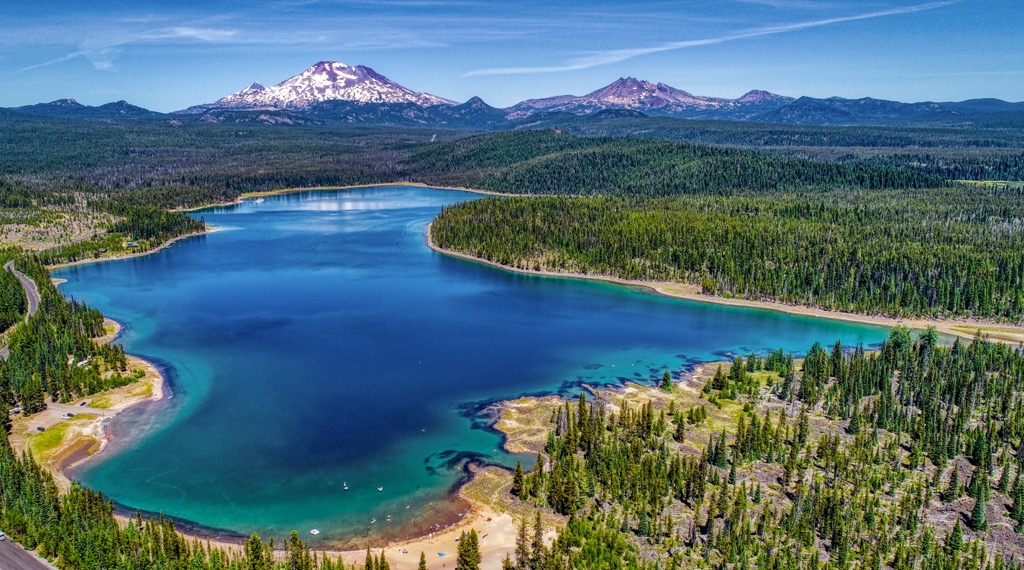
South of Mount Hood, the landscape shifts into the dramatic wilderness of the Three Sisters volcanic cluster. These three distinct peaks—Faith, Hope, and Charity—anchor the Three Sisters Wilderness. This area is a hiker’s paradise, offering miles of trails that traverse lava fields, crystal-clear alpine lakes, and subalpine meadows. For those based in the nearby adventure hub of Bend, these mountains provide endless opportunities for year-round recreation, from mountain biking to backcountry skiing.
The Rugged Coast Range: Where Forests Meet the Pacific
While the Cascades provide the high-altitude drama, the Oregon Coast Range offers a different kind of grandeur. These mountains act as a lush, green barrier between the fertile Willamette Valley and the tumultuous Pacific Ocean.
Ancient Peaks and Temperate Rainforests
The Coast Range is characterized by its lower elevation, steep slopes, and dense, old-growth forests. This region is significantly wetter than the rain-shadowed east side of the Cascades, leading to the creation of temperate rainforests draped in moss and ferns. Hiking in mountains like Marys Peak—the highest point in the Coast Range—provides breathtaking panoramic views that, on a clear day, stretch from the Cascades in the east to the shimmering coastline in the west.
Coastal Escarpments
Along the shoreline, the mountains essentially collide with the sea, resulting in dramatic sea cliffs and headlands. Locations such as Cape Perpetua and Ecola State Park showcase how the mountain topography directly influences the coastal aesthetic. The sheer drop-offs from these mountain ridges into the crashing surf below are a testament to the powerful tectonic forces that shaped this corner of the world.

The Wallowa Mountains: The Alps of Oregon
Hidden away in the far northeastern corner of the state lies a range that defies the typical expectations of a visitor. The Wallowa Mountains are frequently referred to as the “Little Switzerland” of the United States, and for good reason.
Granite Peaks and Glacial Valleys
Unlike the volcanic Cascades, the Wallowas are composed primarily of granite. These mountains feature sharp, jagged ridgelines and U-shaped glacial valleys that were carved during the last ice age. The centerpiece of this range is the Eagle Cap Wilderness, a vast expanse of protected land that remains one of the most pristine wilderness areas in the country. Visitors flock to Joseph, a small, charming town nestled at the base of the mountains, which serves as the gateway to this alpine sanctuary.
Remote Wilderness Exploration
The Wallowas offer a level of solitude that is increasingly rare in modern travel. Backpacking through the high basins, surrounded by soaring peaks and mirroring lakes like Wallowa Lake, provides an experience of profound isolation and natural beauty. This is the Oregon that adventurers dream of—a place where the mountains hold secrets in every crevice and the horizon is an endless chain of granite spires.
Geologic Diversity: Beyond the Typical Peak
Oregon’s mountain experience is not limited to just high-altitude trekking. The state’s geological history has created varied mountain environments that cater to every type of traveler.
Steens Mountain: An Exceptional Fault-Block
In the high desert of Southeastern Oregon stands Steens Mountain. Unlike the volcanoes or the granite ranges, Steens is a massive fault-block mountain. It rises gradually from the west before dropping off in an impossibly steep, glaciated eastern escarpment that towers over the Alvord Desert. This contrast—a lush, high-altitude ecosystem existing right next to a barren, shimmering dry lake bed—is a unique phenomenon that highlights the sheer variety of Oregon’s mountain geography.
The Interaction of Geology and Recreation
The existence of these mountains dictates the rhythm of life in Oregon. The snowpack in the mountains acts as a natural reservoir, feeding the rivers that flow through the state, such as the Deschutes River and the Columbia River. This hydrology fuels the vibrant agricultural sector, supports world-class fly fishing, and sustains the temperate forests that define the state’s identity.
For the traveler, this means that every trip to Oregon is, by default, a mountain trip. Whether you are driving the Mount Hood Scenic Loop to admire the glaciers or navigating the winding roads of the Coast Range to reach the beach, the mountains are an ever-present force. They are the backdrop to every photograph, the source of the fresh air that defines the Pacific Northwest, and the foundational element of the landscape.
To ask if Oregon has mountains is to overlook the reality that the entire state is a masterpiece of vertical terrain. It is a place where mountains are not merely scenery; they are the very fabric of the environment, inviting those who visit to look up, breathe deep, and explore the heights. From the volcanic giants to the hidden granite cathedrals of the east, Oregon remains one of the premier mountain destinations for those seeking to touch the sky.
LifeOutOfTheBox is a participant in the Amazon Services LLC Associates Program, an affiliate advertising program designed to provide a means for sites to earn advertising fees by advertising and linking to Amazon.com. Amazon, the Amazon logo, AmazonSupply, and the AmazonSupply logo are trademarks of Amazon.com, Inc. or its affiliates. As an Amazon Associate we earn affiliate commissions from qualifying purchases.