
While the question of property taxes might seem like a purely financial or legal inquiry, for potential visitors and new residents considering a move to the Beaver State, it touches upon the fundamental economics of Oregon and its impact on the cost of living, and by extension, the overall travel and lifestyle experience. Understanding the tax structure is crucial for anyone planning an extended stay, from a vacation rental to a permanent relocation, and it directly influences the affordability of various Oregon experiences, from dining out to securing comfortable accommodation.
Property Taxation in the Beaver State: A Nuanced Landscape
The straightforward answer to “Does Oregon have property tax?” is a resounding yes. However, the devil, as always, is in the details. Oregon stands out among U.S. states for a unique characteristic: it is one of only five states in the nation that does not impose a state-level income tax. This absence of state income tax often leads to a perception that the state is tax-friendly. However, this perception needs to be balanced with the reality of its property tax system.
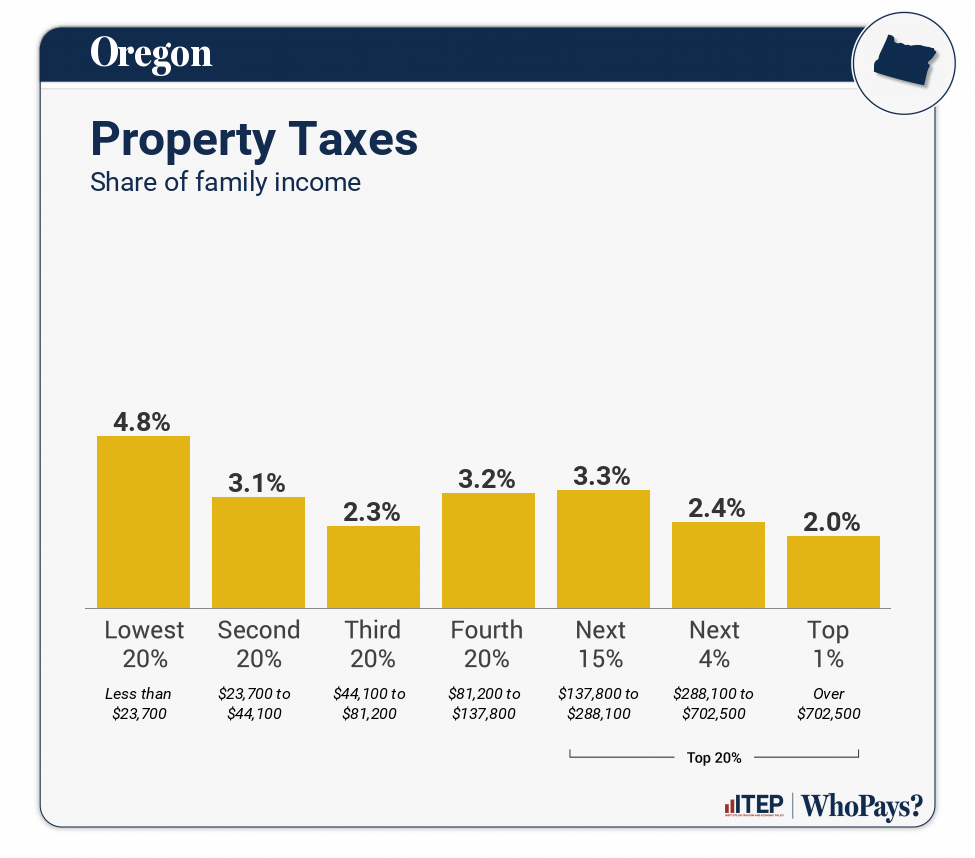
The Mechanics of Oregon’s Property Tax System
Oregon‘s property tax system is governed by a set of constitutional and statutory limitations, primarily aimed at controlling the growth of property tax levies. The most significant of these is Measure 5, passed in 1990, which dramatically reshaped property taxation.
Measure 5 and Its Legacy
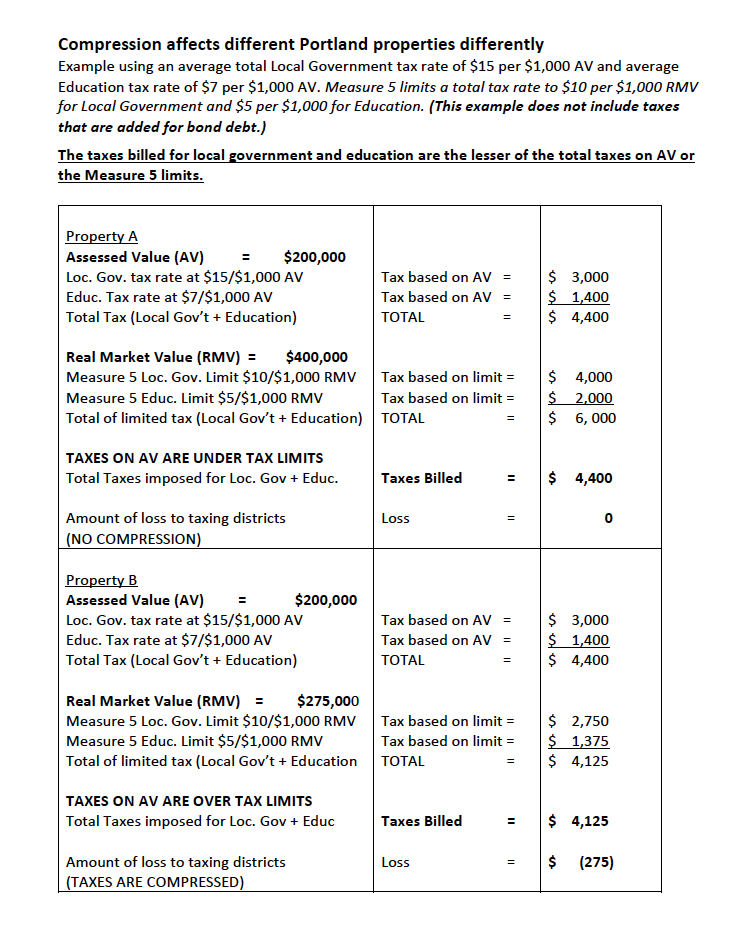
Measure 5, and its subsequent refinement through Measure 50 in 1997, fundamentally altered how property taxes are calculated and capped. It established constitutionally mandated limits on the total property tax rate that can be levied on any given property. These limits are typically expressed as a dollar amount per $1,000 of assessed value.
- Residential Property: For most homesteads, the maximum combined tax rate is capped at $15 per $1,000 of real market value. This means that for every $100,000 of market value, the total property tax levy for all local taxing districts cannot exceed $1,500.
- Non-Residential Property: Commercial, industrial, and other non-residential properties face a higher cap, generally $22.50 per $1,000 of real market value.
It’s crucial to understand that these are maximum rates. The actual tax rate levied on a specific property depends on the combined tax rates of all the local taxing districts that serve that property. These districts include:
- School Districts: These are typically the largest beneficiaries of property tax revenue.
- Cities: Municipalities levy taxes for services like police, fire, and infrastructure.
- Counties: County governments also rely on property taxes for services such as roads, sheriff departments, and public health.
- Special Districts: These can include fire districts, water districts, library districts, park and recreation districts, and others.
Assessed Value vs. Real Market Value
A key concept in Oregon property taxation is the distinction between “real market value” and “assessed value.”
- Real Market Value (RMV): This is the price that property would sell for at a sale price between a buyer and a seller, neither being under any compulsion to buy or sell and both having reasonable knowledge of relevant facts. Property is generally re-assessed to its real market value every year, but there are limitations on how much the assessed value can increase year-over-year if it’s below RMV due to Measure 50.
- Assessed Value (AV): This is the value of the property for tax purposes. Under Measure 50, the assessed value of a property can increase by no more than 3% per year, unless there is a change in ownership or new construction. This means that for properties that have not been recently sold or significantly improved, the assessed value may be considerably lower than the real market value. The tax is calculated using the assessed value, not the real market value.
This mechanism was designed to provide stability and predictability for property owners, preventing sudden spikes in tax bills due to rapid appreciation in property values. However, it can also create disparities between properties with similar market values.
Who Pays Property Tax in Oregon?
Ultimately, anyone who owns real property in Oregon is subject to property taxes. This includes:
- Homeowners: Those who own their own residences.
- Landlords: Owners of rental properties, including single-family homes, apartments, and commercial spaces. The property tax cost is often passed on to tenants through higher rents.
- Businesses: Owners of commercial buildings, industrial facilities, and undeveloped land.
- Vacation Home Owners: Individuals who own second homes or vacation properties within the state.
- Property Developers: Those who purchase land for future development.
For travelers and those considering short-term stays in Oregon, the direct impact of property tax is minimal. However, it indirectly influences the cost of accommodation. Hotels, resorts, and vacation rental providers factor property taxes into their operating costs, which can then be reflected in nightly rates. For instance, the cost of staying in a charming boutique hotel in Portland or a luxurious resort along the Oregon Coast will, in part, be a consequence of the property taxes levied on those establishments.
The Impact on Travel and Lifestyle Choices
The absence of state income tax in Oregon is a significant draw for many. It means that individuals keep a larger portion of their earned income. This can translate to more disposable income for travel, dining, and leisure activities within the state. For example, a visitor might find they have more budget to explore the wonders of Crater Lake National Park or indulge in the burgeoning culinary scene in Eugene.
However, the reliance on property taxes for local services means that areas with higher property values often have greater resources to fund amenities and services that enhance the travel and lifestyle experience. This can manifest in well-maintained parks, robust public transportation in cities like Portland, and excellent infrastructure supporting tourism.
Property Taxes and Short-Term Stays
For tourists looking for places to stay, from a cozy bed and breakfast in wine country to a stylish apartment rental in Bend, the influence of property taxes is indirect but present. While you won’t receive a property tax bill for a week-long stay, the owners of these properties must cover their tax obligations. These costs are typically incorporated into the rental rates. Therefore, understanding the general property tax landscape can offer a more complete picture of the economic factors at play in the Oregon tourism market. Areas with high property values, and consequently potentially higher property tax bills for owners, might see slightly higher accommodation costs.
Property Taxes and Long-Term Stays or Relocation
For those considering a longer stay, such as a seasonal work assignment or a move to Oregon, property taxes become a much more direct consideration.
Renters
If you plan to rent, the property taxes paid by your landlord will likely be passed on to you in the form of rent. While you won’t be directly responsible for the tax bill, the local property tax rates will contribute to the overall cost of living in a particular city or region. For example, renting a home in a desirable Portland neighborhood with excellent schools and amenities might come with a higher rent, partly due to the underlying property taxes.
Homeowners
For individuals purchasing property in Oregon, property taxes are a significant annual expense. When exploring real estate listings, it’s crucial to look beyond the purchase price and scrutinize the estimated annual property taxes.
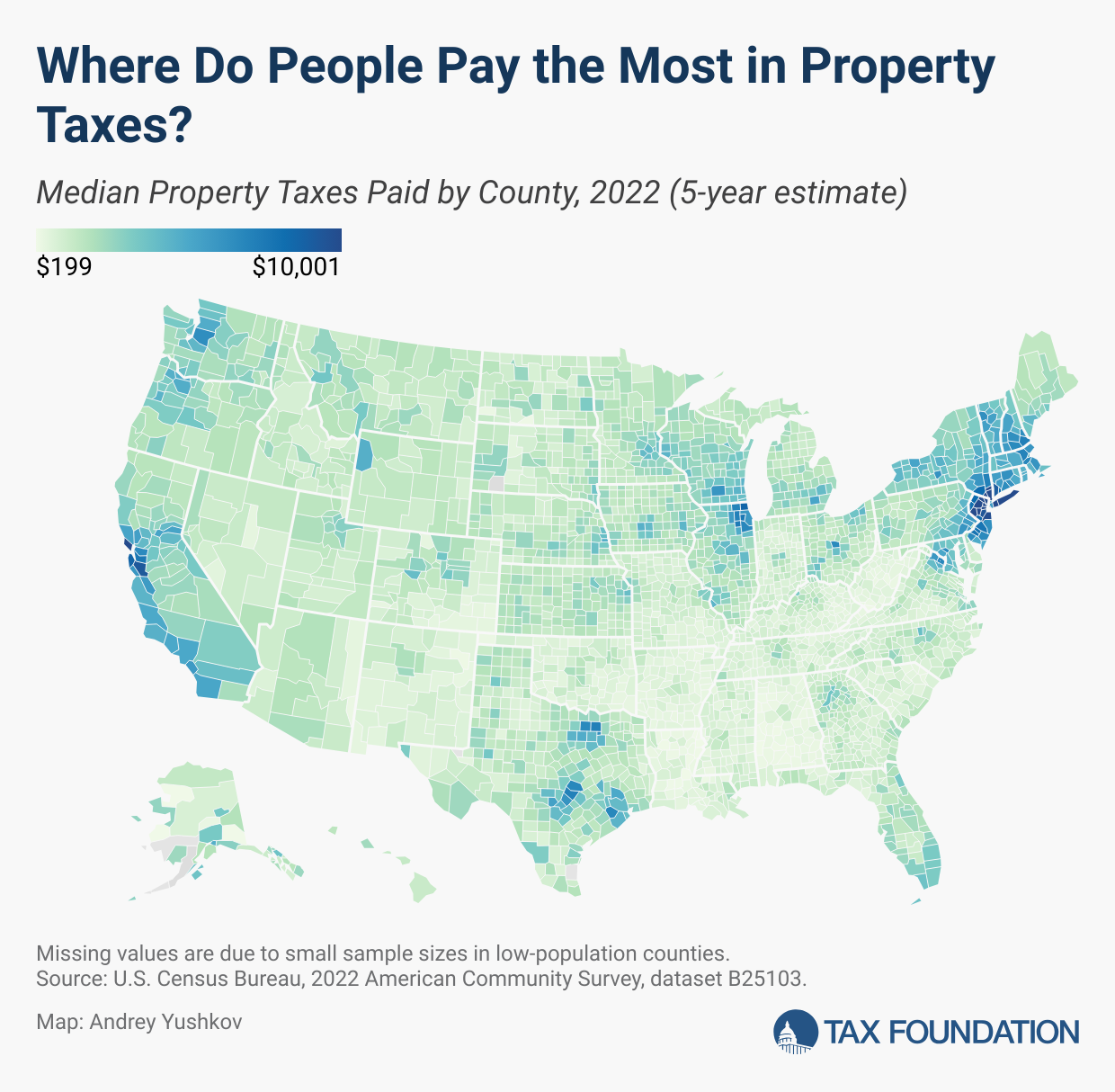
- Comparing Regions: Property tax rates can vary significantly from one county or city to another within Oregon. Some areas might have higher combined levies due to the needs of their local taxing districts, while others might have lower rates. This can influence where one chooses to buy a home, impacting lifestyle choices related to proximity to jobs, schools, and recreational areas.
- The Appeal of No State Income Tax: The absence of a state income tax can be particularly attractive for high earners. This benefit can offset a portion of the property tax burden. For instance, a highly compensated professional moving to Oregon might find that the savings from not paying state income tax more than compensates for the property taxes they will pay on their home, even if it’s a considerable amount.
- Retirement Planning: For retirees living on fixed incomes, property taxes are a critical factor. Oregon does offer some property tax deferral programs for eligible seniors, which can provide much-needed relief. These programs allow eligible homeowners to defer payment of property taxes, with the deferred amount becoming a lien on the property that is repaid upon sale or death.
Navigating the Tax Landscape for a Better Experience
Understanding Oregon‘s property tax system, even for those primarily focused on travel and lifestyle, is beneficial. It provides context for the cost of services, the funding of local attractions, and the overall economic environment.
Tips for Travelers and Short-Term Visitors
- Budget Accordingly: While property taxes are not a direct expense for short-term stays, they are factored into the pricing of accommodation, dining, and attractions. Be aware that popular tourist destinations and desirable urban centers like Portland or Cannon Beach may reflect these costs in their pricing.
- Research Your Stay: If you’re planning a longer vacation rental or looking for a place that feels like a home away from home, understanding the local property tax rates in that area can give you a sense of the local government’s reliance on such revenue.
For Those Considering Relocation or Extended Stays
- Explore Different Regions: Oregon offers immense geographical and cultural diversity. Research property taxes in different cities and counties to find areas that align with your financial expectations. From the coastal towns to the high desert of Central Oregon and the fertile Willamette Valley, tax rates can vary.
- Consult Local Experts: When buying property, work with experienced real estate agents and tax advisors who can provide detailed information on current and projected property tax liabilities in specific areas. They can help you understand how factors like reassessment, local levies, and potential changes in tax law might affect your financial planning.
- Investigate Tax Relief Programs: If you are a senior citizen or meet other eligibility criteria, research Oregon‘s property tax deferral and exemption programs. These can significantly reduce the tax burden for eligible residents.
In conclusion, while Oregon does have property taxes, the system is designed with specific limitations. For travelers, this translates into a vibrant state funded by local revenue, influencing the cost of their experiences indirectly. For those considering a deeper engagement with the state, a thorough understanding of property taxation is an essential part of making informed decisions about where to stay, live, and invest.
LifeOutOfTheBox is a participant in the Amazon Services LLC Associates Program, an affiliate advertising program designed to provide a means for sites to earn advertising fees by advertising and linking to Amazon.com. Amazon, the Amazon logo, AmazonSupply, and the AmazonSupply logo are trademarks of Amazon.com, Inc. or its affiliates. As an Amazon Associate we earn affiliate commissions from qualifying purchases.