
For retirees considering a move to the Pacific Northwest, understanding the tax landscape is a critical part of financial planning. Oregon is a state renowned for its rugged coastline, the lush forests of the Cascade Range, and the vibrant urban culture of Portland. However, when weighing the pros and cons of relocating to this beautiful corner of the United States, the question of how the state handles retirement income often takes center stage.
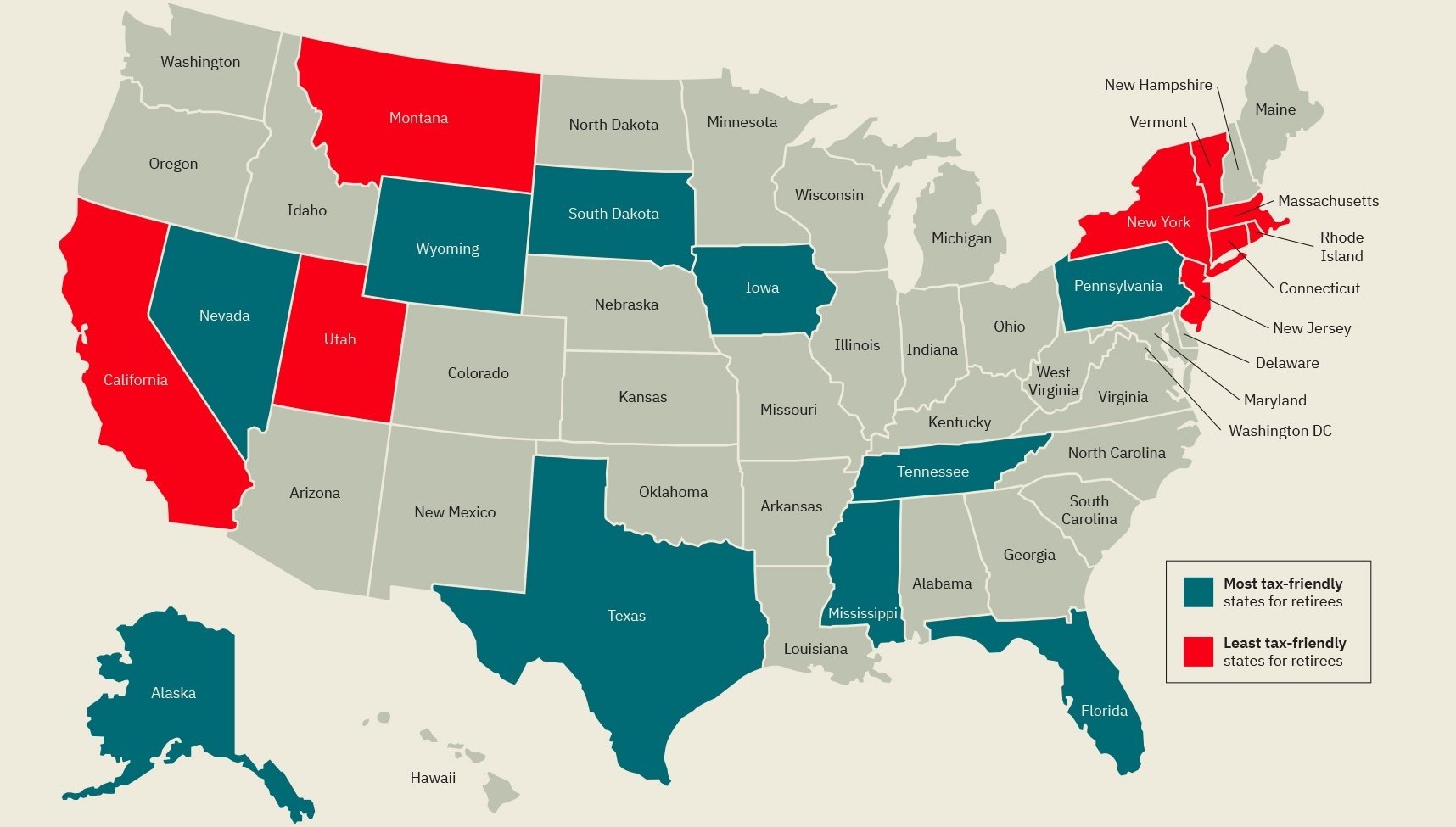
If you are currently researching destinations for your golden years, it is vital to discern how state-level tax policies might affect your quality of life. While Oregon does not boast the same tax-friendly reputation as states like Florida or Nevada, which have no state income tax, it offers a distinct lifestyle that many find worth the trade-off.

The Oregon Income Tax Landscape
At its core, Oregon utilizes a graduated individual income tax system. This means that your tax liability is determined by your total taxable income, with rates increasing as you move into higher brackets. Unlike states that offer blanket exemptions for retirement income, Oregon views most pension income as taxable under its general personal income tax statutes.
Understanding Pension Taxability
For the vast majority of retirees, pensions are treated as regular income. If you receive a private pension from a former employer, that income is generally subject to state income tax. The state’s top marginal tax rate is among the highest in the nation, which can significantly impact those with high-earning pensions or significant investment portfolios.
However, there is an important distinction to be made regarding government pensions. Retirees who served as employees for the federal government, or those who participated in the Oregon Public Employees Retirement System, may be subject to specific rules. Some benefits earned from federal service or specific state employment prior to certain dates might be partially or fully exempt from Oregon taxation, depending on the specifics of the plan and the retiree’s residency status.
Social Security Exemptions
One of the most favorable aspects of the Oregon tax code for retirees is its treatment of Social Security. Unlike the federal government, which may tax a portion of your Social Security benefits depending on your total income, Oregon does not tax Social Security income at all. This is a substantial benefit that can help offset the tax burden on other retirement accounts and pensions.
Lifestyle Considerations Beyond Taxes
While tax implications are essential, they are only one component of a holistic retirement strategy. When deciding where to spend your post-career years, the cost of living and the amenities available in your chosen location are equally important.

Exploring the Diverse Regions of Oregon
Retiring to Oregon means gaining access to some of the most spectacular natural landscapes in the world. From the high desert plateaus of Bend to the dramatic cliffs of Cannon Beach, the state offers a range of environments for every type of retiree.
- Coastal Living: If you enjoy the sound of the ocean and a slower pace of life, towns like Newport or Astoria provide a unique maritime culture. These areas are often more affordable than the bustling city centers but require being prepared for the damp, temperate climate of the coast.
- Mountain and Desert Retreats: For those who prefer outdoor recreation, such as skiing, hiking, or golfing, Bend has become a premier destination. The proximity to Mount Bachelor provides year-round activity for active retirees.
- The Willamette Valley: Known for its world-class wineries and fertile farmlands, the Willamette Valley is a favorite for those seeking a more pastoral lifestyle. Living near Eugene or Salem offers a blend of small-town charm and easy access to cultural hubs.
The Impact of No Sales Tax
A major factor that often gets overlooked in the “Does Oregon tax pensions?” debate is the absence of a general state sales tax. When you purchase groceries, household goods, or luxury items, you are not paying an additional percentage at the register. This can lead to significant savings over the course of a year, particularly for retirees living on a fixed budget. While you pay income tax, your day-to-day consumption costs are effectively lowered, which helps balance the financial scales compared to states with lower income taxes but high sales taxes.
Strategic Financial Planning for Retirees
Relocating to a new state is a life-altering decision that requires careful calculation. If you are moving to Oregon, it is advisable to look at your full financial picture.
Evaluating Your Portfolio
Since Oregon taxes most retirement income, it is wise to discuss your withdrawal strategies with a financial advisor. Managing the timing of withdrawals from 401(k) accounts and IRA distributions can help you stay within lower tax brackets. Because the state’s tax rates are progressive, sudden large withdrawals could push you into a higher marginal bracket, resulting in a larger tax bill than anticipated.
The Benefit of Property Tax Caps
Retirees should also be aware of the property tax system in Oregon. The state has specific measures in place, such as Measure 50, which limits the growth of assessed value on residential property. This provides a level of predictability for homeowners, ensuring that property taxes do not spiral out of control simply due to rising real estate market values. For retirees on a fixed income, this stability is a massive advantage when managing monthly living expenses.
Culture and Community
Beyond the numbers, Oregon offers a unique social environment. The emphasis on local food, outdoor preservation, and community engagement makes it an attractive place for retirees who are looking to stay active and involved. Whether you are exploring the Portland Japanese Garden or participating in local wine festivals, the cultural richness of the state adds significant value to your life that cannot be measured on a tax form.
Final Thoughts on Your Retirement Destination
When you ask, “Does Oregon tax pensions?”, the short answer is yes—but the long answer is more nuanced. You are entering a state with a robust infrastructure, stunning natural beauty, and a tax system that balances income-based levies with the complete absence of a sales tax and no tax on Social Security.
For many, the trade-off is well worth it. The quality of life provided by the diverse regions of Oregon, coupled with the ability to enjoy tax-free shopping and the serene beauty of the Pacific Northwest, creates an environment where a satisfying and fulfilling retirement is entirely within reach. Before finalizing your move, take the time to run your personal numbers through a tax calculator and visit your potential new home to ensure that the culture and climate align with your long-term goals. By taking a proactive approach, you can ensure your transition to this beautiful state is as smooth and financially sound as possible.
LifeOutOfTheBox is a participant in the Amazon Services LLC Associates Program, an affiliate advertising program designed to provide a means for sites to earn advertising fees by advertising and linking to Amazon.com. Amazon, the Amazon logo, AmazonSupply, and the AmazonSupply logo are trademarks of Amazon.com, Inc. or its affiliates. As an Amazon Associate we earn affiliate commissions from qualifying purchases.