
Orlando, Florida, renowned globally as the “Theme Park Capital of the World,” draws millions of visitors annually with its magical attractions, vibrant entertainment, and endless family fun. However, for many prospective travelers, a crucial question often arises, particularly during certain times of the year: Does Orlando, Florida get hurricanes? The Sunshine State’s reputation for tropical weather often precedes it, leading to understandable concerns about planning a vacation amidst potential severe weather events. The short answer is yes, Orlando, like virtually all of Florida, is susceptible to the effects of hurricanes. However, its inland location grants it a distinct advantage over coastal areas, significantly altering the nature and severity of the impact.
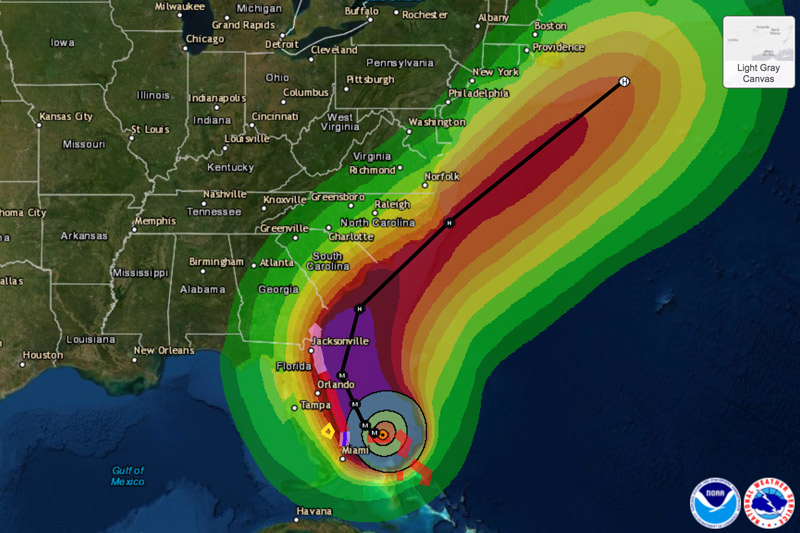
This comprehensive guide aims to provide an insightful, professional, and engaging perspective on Orlando’s hurricane risk, offering travelers a clear understanding of what to expect, how to prepare, and why a trip to this popular destination remains a fantastic choice, even during hurricane season. We’ll delve into the science of hurricane formation, Orlando’s unique geographical protections, essential travel planning tips, and what to do if a storm threatens your long-awaited getaway. Our goal is to equip you with the knowledge to make informed decisions and ensure your Orlando experience is as magical and stress-free as possible, regardless of the season.
Understanding Florida’s Hurricane Landscape
To fully grasp Orlando’s hurricane exposure, it’s essential to first understand the broader context of Florida’s vulnerability and the dynamics of tropical systems. Florida, a large peninsula jutting into the Atlantic Ocean and the Gulf of Mexico, is indeed one of the most hurricane-prone states in the U.S., making knowledge about these powerful storms crucial for anyone planning to visit.
Florida’s Geographic Vulnerability
Florida’s unique geography—surrounded by warm ocean waters on three sides—makes it a natural target for tropical cyclones developing in the Atlantic basin, Caribbean Sea, and Gulf of Mexico. These warm waters provide the necessary energy for hurricanes to form and strengthen. Coastal areas, directly exposed to the ocean, face the most significant threats, including devastating storm surge, powerful winds, and heavy rainfall. However, as storms move inland, they typically begin to weaken, a critical factor when considering Orlando’s risk profile.
The Atlantic Hurricane Season
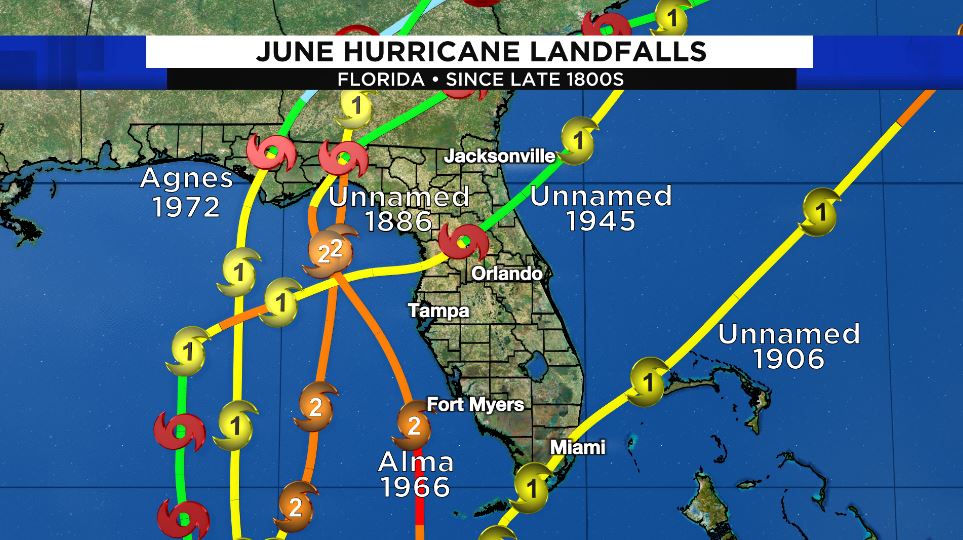
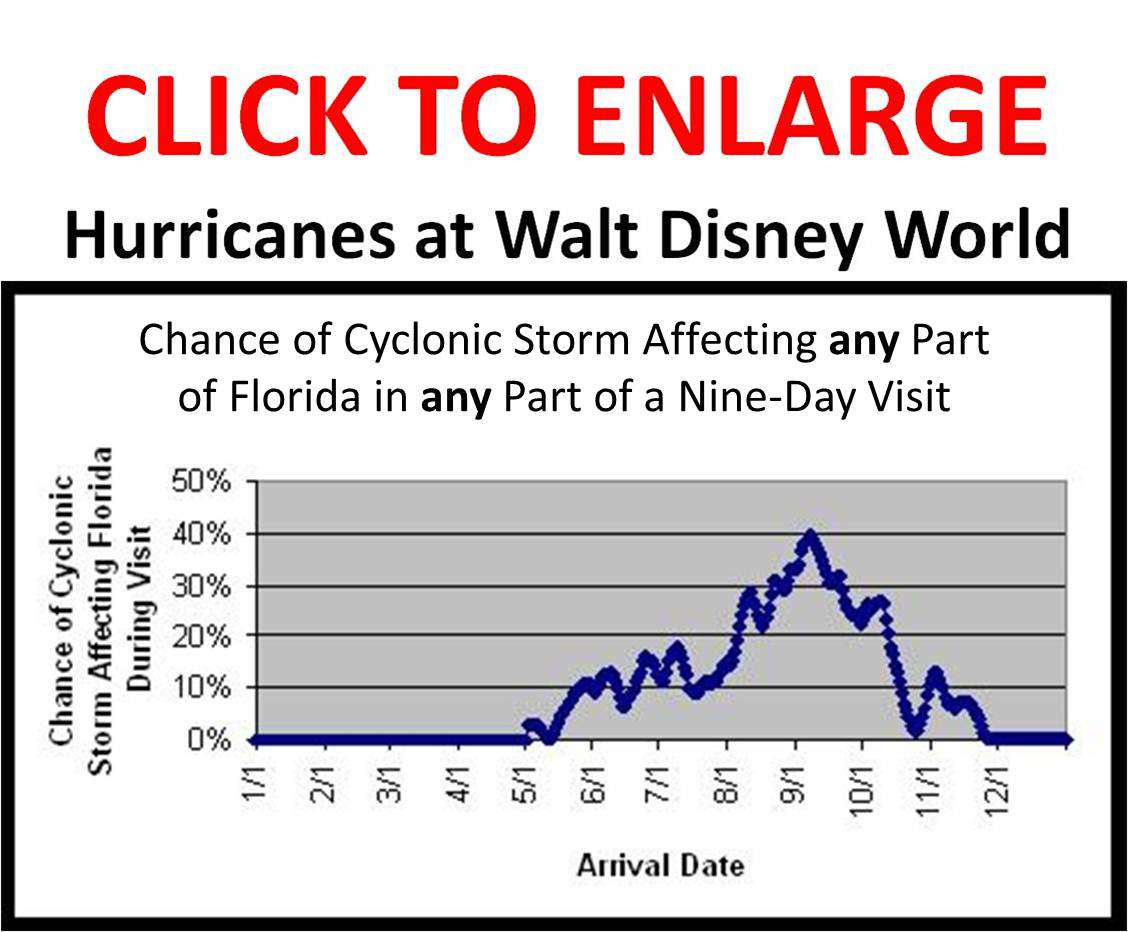
The official Atlantic Hurricane Season runs annually from June 1st to November 30th. Within this six-month window, tropical depressions, tropical storms, and hurricanes can form. While storms can occur at any point during this period, the peak of the season traditionally falls between mid-August and late October. This is when the ocean waters are warmest, and atmospheric conditions are most conducive to cyclone development. Travelers planning visits during these months should pay closer attention to weather forecasts and preparedness information. Though the season is defined, Florida’s well-established infrastructure and experienced emergency management systems are continuously vigilant throughout.
How Hurricanes Form and Affect Different Areas
Hurricanes are massive storm systems characterized by strong rotating winds, torrential rain, and, for coastal regions, dangerous storm surge. Wind speeds define a hurricane’s category (1-5), with higher categories indicating more intense storms. While high winds and heavy rainfall are universal threats, the most destructive element for coastal communities is often storm surge—a wall of ocean water pushed inland by the storm’s force. For inland cities like Orlando, storm surge is not a concern due to the distance from the coast. Instead, the primary threats evolve into high winds that can cause power outages and damage to infrastructure, and extremely heavy rainfall leading to localized flooding. Occasionally, tornadic activity can also be spawned by landfalling hurricanes, adding another dimension of risk.
Orlando’s Unique Position: Inland Protection
While Florida as a whole is indeed exposed to hurricanes, Orlando’s geographical placement significantly differentiates its risk profile from that of coastal cities like Miami, Fort Lauderdale, or Tampa. This inland advantage is a key factor for travelers to consider.
The Inland Advantage
Orlando is situated in Central Florida, approximately 50-70 miles from both the Atlantic and Gulf coasts. This considerable distance provides a natural buffer. When a hurricane makes landfall, it immediately begins to lose energy as it moves over land, away from the warm ocean waters that fuel it. Consequently, by the time a hurricane reaches Orlando, its wind speeds have typically diminished, often downgrading it to a tropical storm or a weaker hurricane category. More importantly, the most destructive element, storm surge, is entirely eliminated as a threat for Orlando and its immediate vicinity. This does not mean Orlando is immune, but rather that the nature of the threat is fundamentally different and generally less catastrophic than what coastal areas endure.
Primary Concerns for Orlando Travelers
Despite the inland protection, visitors to Orlando during hurricane season should still be aware of the potential impacts. The main concerns include:
- High Winds: Even a weakened hurricane or a strong tropical storm can bring sustained high winds and powerful gusts. These winds can cause damage to trees, signs, and weaker structures, and, most commonly, lead to widespread power outages.
- Heavy Rainfall: Tropical systems are notorious for dumping tremendous amounts of rain. This can lead to localized flooding, particularly in low-lying areas or streets with inadequate drainage. While the flat terrain of Central Florida can sometimes exacerbate this, modern infrastructure helps manage the runoff.
- Power Outages: High winds are the primary cause of power outages, which can affect hotels, restaurants, and attractions. These outages can range from a few hours to several days, depending on the storm’s severity and the extent of damage to the electrical grid.
- Tornadoes: Hurricanes, especially on their outer bands, can spawn short-lived, localized tornadoes. While typically less powerful than those in Tornado Alley, they can still cause significant damage in their immediate path.
Historical Impact on Orlando
Orlando has experienced the effects of several hurricanes over the years, demonstrating both its vulnerability and its resilience. Notable storms include the historic 2004 season, which saw hurricanes Charley, Frances, and Jeanne impact the region, and more recently, Hurricane Irma in 2017 and Hurricane Ian in 2022.
During Charley, a Category 4 storm at landfall on the southwest coast, it weakened to a Category 1 hurricane as it passed directly over Orlando, causing widespread wind damage, tree loss, and extensive power outages. Irma brought widespread heavy rain, flooding, and substantial power outages. Ian also brought severe flooding and wind damage. In all these instances, while disruptive, the city’s robust infrastructure and emergency services allowed for relatively swift recovery, and the world-famous theme parks reopened within days, if not hours, showcasing the area’s preparedness and resilience. These events serve as valuable case studies, illustrating that while significant impacts are possible, Orlando’s experience is typically distinct from the catastrophic coastal destruction seen during major hurricane landfalls.
Navigating Your Orlando Trip During Hurricane Season
For travelers considering an Orlando vacation during the official hurricane season (June 1st to November 30th), prudent planning and awareness are your best allies. With a proactive approach, you can minimize potential disruptions and ensure a memorable, stress-free trip.
Monitoring Weather Forecasts
The most crucial step is to stay informed. Begin monitoring weather patterns and forecasts weeks before your scheduled departure, especially if you’re traveling during the peak hurricane months of August, September, and October. Rely on official and reputable sources such as the National Hurricane Center (NHC), local Orlando news channels, and weather apps that provide real-time updates. These sources will track developing systems and provide projected paths and intensities, allowing you ample time to adjust your plans if necessary. Remember that early forecasts can change, so continuous monitoring is key.
Travel Insurance: A Smart Investment
Investing in travel insurance is highly recommended for any trip during hurricane season. Policies vary widely, so it’s essential to understand what yours covers. Many standard travel insurance plans include provisions for trip cancellation or interruption due to natural disasters like hurricanes. Some offer “cancel for any reason” (CFAR) coverage, which provides the most flexibility but is often more expensive. Be sure to read the fine print regarding:
- “Named Storm” vs. “Unnamed Storm”: Some policies only cover cancellations once a storm has been officially named.
- Effective Date: There might be a waiting period, meaning you cannot purchase insurance once a hurricane is already threatening your destination.
- Coverage Limits: Understand what expenses are covered (flights, accommodations, pre-paid tours, etc.) and up to what amount.
This insurance can offer peace of mind, protecting your financial investment should a storm impact your travel plans.
Flexible Booking Options
When booking flights, accommodations, and theme park tickets, opt for flexible or refundable options whenever possible. Many airlines and hotels offer hurricane waivers or relaxed cancellation policies if a named storm is predicted to directly impact Orlando. However, these policies are often at the discretion of the provider and only apply once a threat is imminent.
- Flights: Look for airlines with flexible change policies or consider purchasing fare classes that allow for free or low-cost changes.
- Hotels/Resorts: Book directly with hotels or through reputable platforms that offer free cancellation up to a certain date. Inquire about their specific hurricane policies when booking.
- Attractions: Major theme parks like Walt Disney World Resort and Universal Orlando Resort have their own severe weather policies, which typically allow for ticket changes or refunds if the parks are forced to close due to a hurricane. Always check their official websites for the most current information.
What to Do If a Hurricane Threatens Your Orlando Vacation
Even with careful planning, the unpredictable nature of hurricanes means a storm could potentially affect your Orlando trip. Knowing how to react, whether you’re still at home or already enjoying your vacation, is crucial for your safety and peace of mind.
Before You Leave Home
If a hurricane is forecast to impact Orlando just before or during your planned travel dates, it’s vital to act quickly and decisively.
- Re-evaluate Your Plans: Seriously consider postponing or canceling your trip. No vacation is worth risking your safety. Your travel insurance, if purchased, will be invaluable at this stage.
- Contact Providers: Reach out to your airline, hotel, and any booked attractions (e.g., Walt Disney World Resort, Universal Orlando Resort) to understand their specific policies regarding cancellations or changes due to the approaching storm. Many will issue waivers allowing you to alter plans without penalty.
- Monitor Official Advisories: Continuously check the National Hurricane Center and local Orlando emergency management websites for the latest advisories, watches, and warnings.
If You’re Already There
Should a hurricane threaten while you’re already in Orlando, your primary focus should be on safety and following official guidance.
- Follow Local Authorities’ Instructions: While full-scale evacuations are rare for inland Orlando, always heed any instructions from local emergency management. Stay updated through hotel staff, local news, and official government apps.
- Know Your Hotel’s Emergency Plan: Most hotels and resorts in Orlando have comprehensive hurricane preparedness plans. Inquire at the front desk about their procedures, designated safe areas, and what services might be affected.
- Stock Up on Essentials: If a storm is imminent, consider purchasing bottled water, non-perishable snacks, batteries, flashlights, and any necessary medications. Gas up your rental car if you have one.
- Stay Indoors: During the storm, remain inside your accommodation, away from windows. Follow any specific instructions from your hotel regarding staying in your room or moving to a communal safe area.
- Stay Informed: Keep your phone charged and monitor weather updates via local news or reliable apps. Be prepared for potential power outages and have alternative charging methods for your devices.
Orlando’s Attractions and Operations
Theme parks and other major attractions in Orlando have well-established hurricane protocols. They prioritize guest and employee safety above all else.
- Closures: Theme parks will close when a hurricane threat becomes significant, typically for the duration of the worst weather and potentially for a day or two afterward to assess damage and clean up.
- Limited Services: Be prepared for limited dining options, reduced transportation services, and potential closures of resort amenities during and immediately after a storm.
- Communication: Parks and resorts are generally proactive in communicating operational changes through their official apps, websites, and social media channels.
Remember that patience and flexibility are key if you find yourself in Orlando during a hurricane threat. The community is well-prepared, and efforts to restore normalcy begin as soon as it’s safe to do so.
Orlando’s Resilience and Post-Storm Recovery
Orlando’s experience with hurricanes, though less severe than coastal areas, has fostered a remarkable level of preparedness and resilience. This translates into a robust infrastructure and efficient recovery efforts, allowing the region to bounce back swiftly from most weather-related disruptions.
Preparedness and Infrastructure
The entire Central Florida region, including Orlando, operates with a high degree of hurricane preparedness. Building codes are rigorously enforced to ensure structures can withstand significant wind forces. Utility companies have extensive tree-trimming programs and rapid response teams ready to mobilize for power restoration. Emergency services are well-coordinated, and local governments have comprehensive plans for sheltering, communication, and resource distribution. The goal is not just to weather the storm but to minimize its impact and facilitate a quick return to normal operations. This proactive stance significantly mitigates the long-term effects of a hurricane on the travel experience.
Swift Return to Normalcy
One of the defining characteristics of Orlando after a hurricane impact is the speed at which it returns to its vibrant self. The tourism industry, being the lifeblood of the region, has a strong incentive and well-oiled machinery to reopen attractions and services quickly. Theme parks, resorts, and transportation hubs often have detailed post-storm recovery plans, focusing on safety checks, debris removal, and service restoration. Guests can typically expect a rapid resumption of activities, demonstrating the region’s commitment to delivering a world-class vacation experience. The collective effort of the community and businesses ensures that disruptions are minimized and the magic is restored as soon as safely possible.
Visiting After a Storm
If your travel dates fall immediately after a hurricane has impacted Orlando, it’s still advisable to do some due diligence before heading out.
- Check for Lingering Impacts: Verify the operational status of specific attractions, restaurants, and transportation services. While major parks might reopen quickly, smaller venues or certain amenities could take a little longer.
- Road Conditions: Be aware that some localized flooding might persist for a day or two in certain areas, potentially affecting driving routes. Always check local traffic updates.
- Support Local Businesses: When you do visit, your presence and patronage help support the local economy and aid in the community’s full recovery.
In conclusion, while Orlando, Florida does get hurricanes, its inland location provides significant protection, altering the nature of the threat from catastrophic storm surge to more manageable issues like high winds and heavy rainfall. With smart travel planning, comprehensive insurance, and an understanding of the region’s robust preparedness and recovery systems, travelers can confidently plan their magical Orlando vacation, even during hurricane season, knowing they are well-equipped to navigate any potential weather challenges.
LifeOutOfTheBox is a participant in the Amazon Services LLC Associates Program, an affiliate advertising program designed to provide a means for sites to earn advertising fees by advertising and linking to Amazon.com. Amazon, the Amazon logo, AmazonSupply, and the AmazonSupply logo are trademarks of Amazon.com, Inc. or its affiliates. As an Amazon Associate we earn affiliate commissions from qualifying purchases.