
Puerto Rico, a vibrant and historic archipelago in the Caribbean, holds a unique and often debated status within the United States. As a U.S. territory, its residents are U.S. citizens, yet their political standing vis-à-vis the federal government, particularly concerning representation in Congress, is a complex matter. Understanding this relationship is crucial for comprehending the island’s governance, its economic ties, and the aspirations of its people.
The Nature of Puerto Rican Representation
The question of whether Puerto Rico has a representative in Congress is not a simple yes or no. The island’s delegates to the U.S. House of Representatives are known as “Resident Commissioners.” Currently, Puerto Rico is represented by one Resident Commissioner who serves a four-year term. This office is distinct from that of a full voting member of the House.

The Role of the Resident Commissioner
The Resident Commissioner from Puerto Rico has the right to sit in the U.S. House of Representatives, to debate on the floor, and to serve on committees. However, crucially, they cannot vote on the final passage of legislation on the House floor. This limitation significantly impacts the island’s ability to directly influence federal lawmaking. While they can advocate, negotiate, and influence policy through committee work and debate, their vote is ultimately abstained when it comes to final congressional decisions. This absence of full voting rights is a central point of contention for many who advocate for greater political equality for Puerto Rico.
Historical Context of the Office
The office of the Resident Commissioner dates back to the early 20th century, established under the Foraker Act of 1900. This act formalized the relationship between the United States and Puerto Rico following the Spanish-American War. Initially, the role was established to provide a voice for the island in Washington, D.C., though with significant limitations from the outset. Over the decades, the powers and responsibilities of the Resident Commissioner have evolved, but the fundamental issue of non-voting status has persisted. This historical context highlights a long-standing debate about the nature of Puerto Rico’s political status and its implications for self-governance.
The U.S. Senate and Puerto Rico
Unlike U.S. states, Puerto Rico does not have representation in the U.S. Senate. U.S. Senators are elected by the populations of the states and are full voting members, representing their constituents’ interests directly in the upper chamber of Congress. The absence of this representation means that Puerto Rico lacks the direct advocacy and voting power that Senators provide to state governments and their populations. This is a significant disparity when compared to the 50 U.S. states, each of which has two Senators.
Implications of No Senatorial Representation
The lack of Senators means that Puerto Rico does not have the same level of influence in national policy discussions and legislative outcomes. Issues critical to the island, such as economic development, healthcare funding, and infrastructure improvements, may not receive the same level of attention or be shaped by the island’s specific needs as they would if it had voting representation in both houses of Congress. The Resident Commissioner works diligently to bridge this gap, but the structural limitation remains a significant challenge.
The Debate Over Statehood vs. Commonwealth vs. Independence
The question of representation is intrinsically linked to the ongoing debate about Puerto Rico’s political status. The island’s current status as a U.S. territory, often referred to as a commonwealth, has led to this unique representation. However, there are three main political factions advocating for different futures:
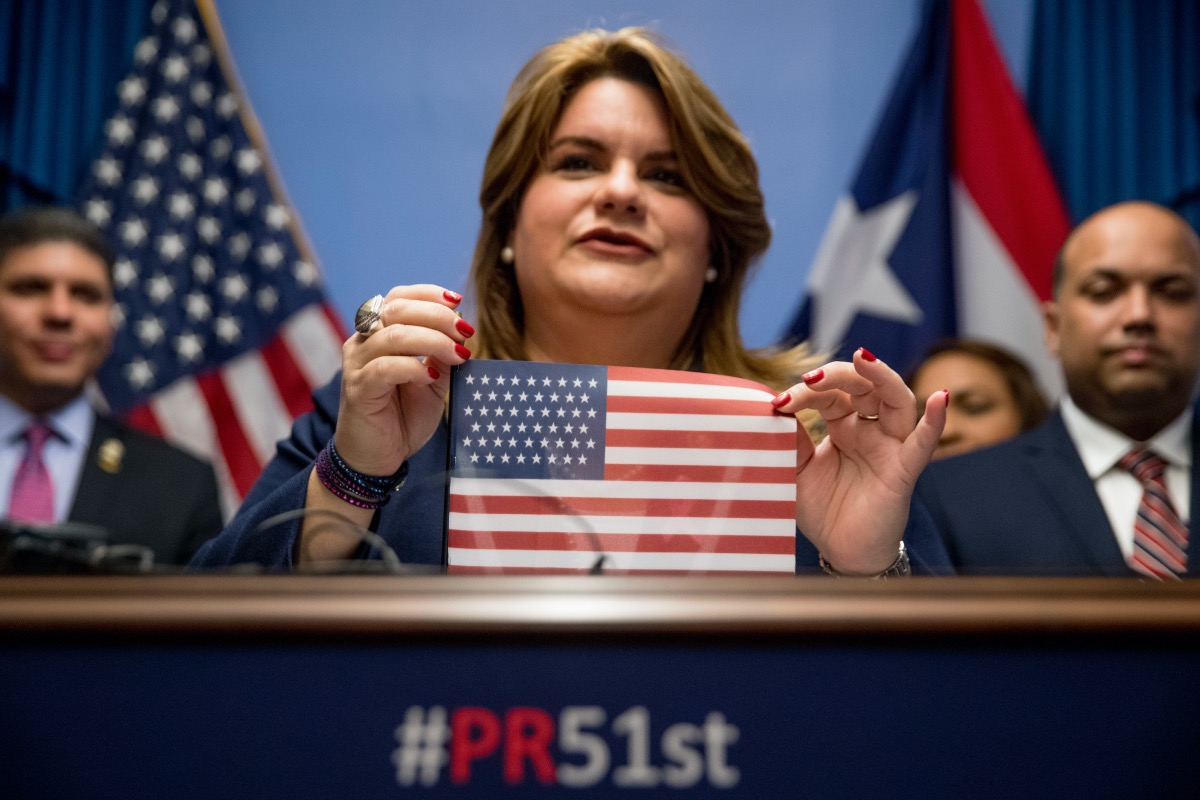
- Statehood: Proponents of statehood argue that admitting Puerto Rico as the 51st state would grant its citizens full representation, including voting rights in both the House and the Senate. This would place Puerto Rico on equal footing with other U.S. states, granting it full voting power in all federal matters.
- Commonwealth Status: Some advocate for strengthening the current commonwealth status, seeking greater autonomy while maintaining a close relationship with the United States. This often involves discussions about increased federal funding and more self-governance, but typically without the full voting representation of statehood.
- Independence: A segment of the population advocates for full independence from the United States, allowing Puerto Rico to become a sovereign nation. This would, of course, mean no representation in the U.S. Congress, but it would grant the island complete self-determination.
Referendums and Their Impact
Puerto Rico has held numerous referendums on its political status over the years. While these votes have often shown a desire for change, the results have not consistently translated into definitive action from the U.S. Congress. The ambiguity surrounding the island’s political future continues to fuel discussions about its representation and its rights as U.S. citizens. The complexity of these aspirations means that the debate over representation is deeply intertwined with the island’s identity and its future trajectory.
The Broader Implications for U.S. Policy and Governance
The unique status of Puerto Rico and its limited representation in Congress have significant implications for U.S. policy. Federal programs, funding allocations, and legislative initiatives are often shaped by the voting power of elected officials. Without full voting representation, Puerto Rico’s concerns can sometimes be marginalized in the federal legislative process. This situation raises questions about democratic principles and the equal treatment of U.S. citizens, regardless of their place of residence.
Economic and Social Disparities
The lack of full voting representation has been cited as a contributing factor to economic and social disparities experienced by Puerto Rico compared to U.S. states. While U.S. citizens residing on the island contribute to the nation through military service and other means, they do not receive the same level of benefits or have the same influence in shaping the laws that govern them. This disconnect has been a source of ongoing frustration and a driving force behind calls for a change in political status.
The issue of representation for Puerto Rico in the U.S. Congress is a multifaceted one, deeply rooted in history and ongoing political discourse. While the island does have a voice through its Resident Commissioner, the absence of full voting rights in the House and any representation in the Senate highlights a persistent debate about equality, self-determination, and the future relationship between Puerto Rico and the United States. The ongoing discussions and referendums underscore the profound desire for a resolution that grants the island’s citizens the full rights and representation they believe they deserve.
LifeOutOfTheBox is a participant in the Amazon Services LLC Associates Program, an affiliate advertising program designed to provide a means for sites to earn advertising fees by advertising and linking to Amazon.com. Amazon, the Amazon logo, AmazonSupply, and the AmazonSupply logo are trademarks of Amazon.com, Inc. or its affiliates. As an Amazon Associate we earn affiliate commissions from qualifying purchases.