
Understanding the Tax Relationship Between the United States and Puerto Rico
The question of whether residents of Puerto Rico pay American taxes is a complex one, rooted in the island’s unique political status as a United States territory. For many travelers considering a visit or even a longer stay, understanding these financial distinctions can be crucial. While not a state, Puerto Rico is an unincorporated territory, and its relationship with the U.S. federal government, particularly concerning taxation, is distinct. This article aims to demystify this relationship, offering clarity for those planning their travel or exploring the possibility of a more permanent presence on this Caribbean gem.
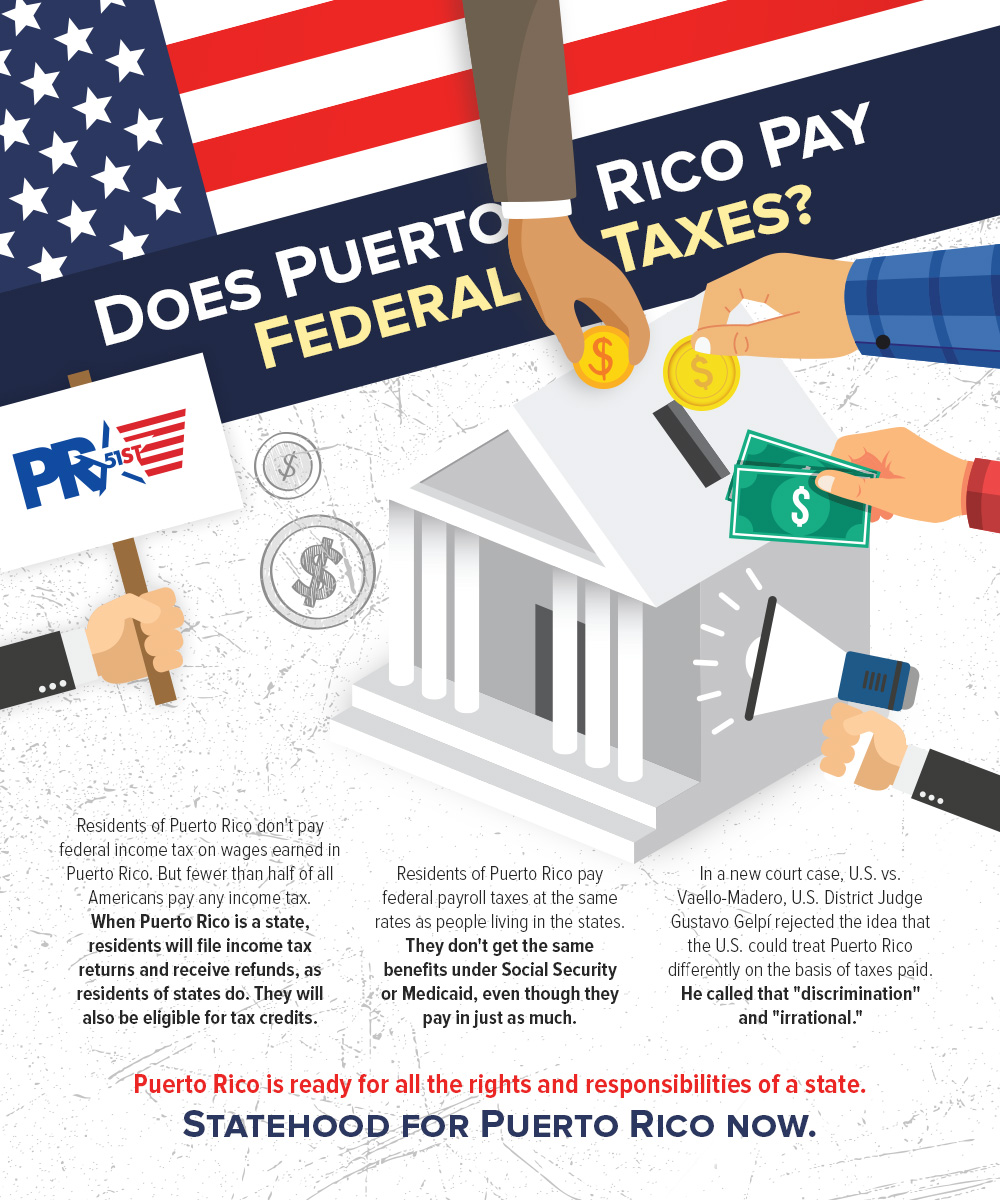
The core of the tax discussion revolves around how federal income taxes, Social Security taxes, and Medicare taxes apply to individuals and businesses in Puerto Rico. It’s a common misconception that residents pay no federal taxes whatsoever, or conversely, that they pay the same as mainland United States citizens residing in states. The reality is nuanced, with specific exemptions and obligations that shape the economic landscape of the island and affect the financial experience of its inhabitants and visitors who might consider extended stays.
Federal Income Tax Obligations
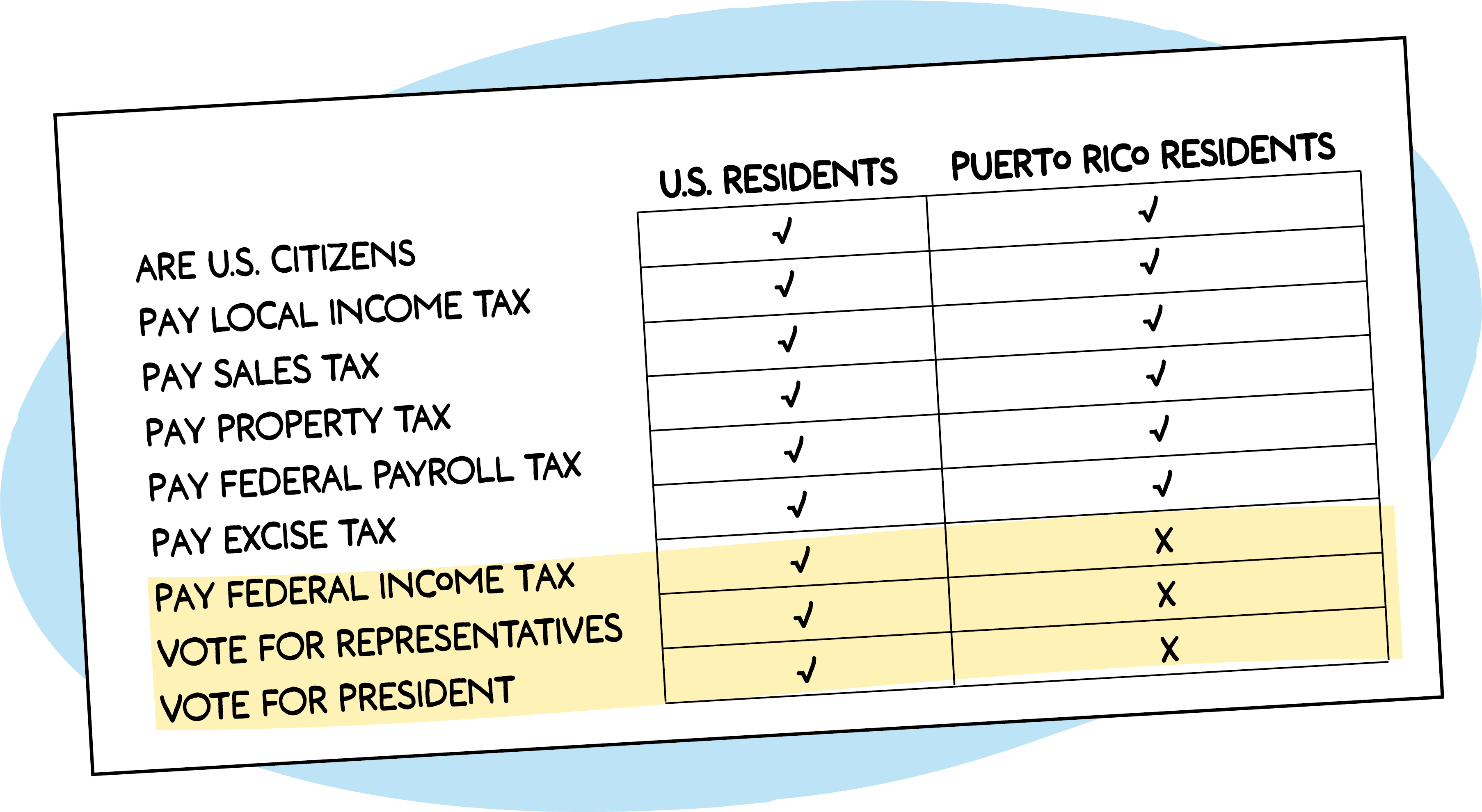
One of the most significant distinctions regarding taxes in Puerto Rico lies in the realm of federal income tax. Generally, residents of Puerto Rico do not pay federal income taxes on income earned within the island. This exemption is a cornerstone of the U.S. territorial policy towards Puerto Rico and has historically been a factor in encouraging economic development on the island.
Income Earned in Puerto Rico
For individuals who are bona fide residents of Puerto Rico and whose income is derived from sources within Puerto Rico, federal income tax is typically not levied. This means that if you live and work in San Juan, for example, and your income originates from a Puerto Rican business or your employment there, you generally do not owe federal income tax on that money. This principle applies to most residents, making Puerto Rico an attractive location for certain types of businesses and individuals seeking to reduce their tax burdens.
However, there are important caveats. This exemption does not extend to income earned from sources outside of Puerto Rico. For instance, if a resident of Puerto Rico earns income from investments in the U.S. mainland or from a business conducted entirely outside the territory, that income may be subject to U.S. federal income tax. Similarly, U.S. federal employees working in Puerto Rico are typically subject to federal income taxes on their salaries.
U.S. Citizens Residing in Puerto Rico
U.S. citizens who are residents of Puerto Rico are generally exempt from paying U.S. federal income tax on income earned within Puerto Rico. This provision, rooted in Section 933 of the Internal Revenue Code, is a critical aspect of the island’s fiscal relationship with the mainland. It is crucial to understand that “residency” in this context is defined by specific criteria, often including physical presence and intent to remain on the island. Simply owning property or vacationing in Puerto Rico does not confer tax-exempt status on income earned elsewhere.
It is also important to note that Puerto Rico has its own income tax system. Residents are required to file and pay income taxes to the Puerto Rican government, which operates independently of the U.S. federal tax system. This means that while federal income taxes on local earnings are waived, local tax obligations remain. The rates and regulations for Puerto Rican income tax are determined by the island’s legislature and tax authorities.
Other Federal Taxes
Beyond income tax, other federal taxes present a more varied picture. Social Security and Medicare taxes, for instance, are generally paid by both employers and employees in Puerto Rico, just as they are on the U.S. mainland. These taxes fund essential social insurance programs, and their collection is a standard practice across all U.S. jurisdictions.
FICA Taxes: Employees working in Puerto Rico typically have FICA (Federal Insurance Contributions Act) taxes withheld from their paychecks. These funds contribute to the Social Security and Medicare programs, providing benefits to eligible individuals. Employers also pay a matching portion of these taxes. This ensures that residents of Puerto Rico are contributing to and eligible for these federal programs, aligning their participation with that of mainland U.S. residents.
Self-Employment Tax: Individuals who are self-employed in Puerto Rico are generally subject to self-employment taxes, which cover both the employee and employer portions of Social Security and Medicare contributions. This is consistent with U.S. federal law applicable to self-employed individuals across the nation.
State and Local Taxes in Puerto Rico
While the U.S. federal income tax exemption on local earnings is a significant factor, it’s vital to remember that Puerto Rico functions as a jurisdiction with its own tax system. This means that residents are subject to local taxes, which can include income tax, property tax, and sales tax.

Puerto Rico Income Tax
As mentioned, residents of Puerto Rico are required to pay income taxes to the Puerto Rican government. The tax rates and structures can differ from those on the U.S. mainland. The Puerto Rico Department of Treasury (Departamento de Hacienda) oversees the collection of these taxes. Understanding these local tax obligations is as important as understanding federal tax rules for anyone residing or conducting business on the island.
Sales and Use Tax
Puerto Rico imposes a sales and use tax, known locally as IVU (Impuesto sobre Ventas y Uso). This tax applies to the purchase of goods and certain services. The rates can vary and are set by the local government. For tourists, this means that prices for goods and services in places like Old San Juan or when dining at local restaurants will often have this tax added at the point of sale. This is a common revenue-generating mechanism for many jurisdictions, including Puerto Rico.
Property Taxes
Property taxes are also levied in Puerto Rico. These taxes are assessed on the value of real estate and are typically paid to municipal governments or the central government, depending on the specific jurisdiction and type of property. For property owners, understanding these local property tax liabilities is essential for financial planning.
Implications for Travelers and Investors
The tax landscape in Puerto Rico has significant implications for various groups, from short-term travelers to potential investors and long-term residents.
Tourists and Short-Term Visitors
For most tourists visiting Puerto Rico for vacation, the tax implications are straightforward. U.S. citizens do not generally need to pay U.S. federal income tax on their earnings from their home country while on vacation. They are, however, subject to local sales tax on purchases made on the island. The prices of goods and services in popular tourist destinations like El Yunque National Forest or Condado will reflect the island’s sales tax. Importantly, visitors are not typically subject to Puerto Rican income tax unless they establish residency.
Business and Investment Opportunities
The tax structure, particularly the exemption from federal income tax on locally earned income, has historically made Puerto Rico an attractive location for businesses. Incentives, such as those offered under Acts 20 and 22 (now consolidated under Act 60), aimed to attract foreign investment and encourage the establishment of businesses and the relocation of individuals by offering significant tax reductions. These acts provided preferential tax rates on corporate income for export services and on capital gains and interest income for bona fide residents.
For potential investors or entrepreneurs considering setting up operations or relocating their businesses, a thorough understanding of these tax incentives, along with the associated requirements for residency and compliance, is crucial. The economic policies of Puerto Rico are designed to foster growth, and the tax framework is a key component of that strategy. Navigating these incentives often requires consultation with tax professionals specializing in Puerto Rican and U.S. territorial tax law.
Long-Term Residents and Digital Nomads
For individuals considering a longer stay or establishing residency in Puerto Rico, the tax benefits can be substantial. Bona fide residents who meet certain criteria can benefit from the exemption on federal income tax for income earned on the island. This has led to an increase in interest from digital nomads and entrepreneurs seeking a lower-tax environment while enjoying the Caribbean lifestyle.
However, establishing bona fide residency involves meeting specific requirements set forth by the IRS and the Puerto Rican Department of Treasury. These typically include spending a significant amount of time on the island, having a primary home there, and demonstrating intent to remain. For those who qualify, the combination of exemption from federal income tax on local earnings and potentially attractive local tax incentives can present a compelling financial proposition.
Navigating the Nuances: Professional Advice is Key
The tax relationship between Puerto Rico and the United States is intricate and subject to ongoing interpretation and legislative changes. While the general principles outlined above provide a foundational understanding, individual circumstances can vary greatly.
For anyone contemplating significant financial decisions related to Puerto Rico, whether for travel planning, business investment, or establishing residency, seeking professional advice is highly recommended. Tax attorneys, CPAs, and financial advisors with expertise in U.S. territorial tax law can provide tailored guidance, ensuring compliance and maximizing any available benefits. Understanding the tax implications is an integral part of responsibly engaging with Puerto Rico, ensuring a smooth and informed experience whether for a brief visit to its vibrant beaches or a more permanent endeavor.
LifeOutOfTheBox is a participant in the Amazon Services LLC Associates Program, an affiliate advertising program designed to provide a means for sites to earn advertising fees by advertising and linking to Amazon.com. Amazon, the Amazon logo, AmazonSupply, and the AmazonSupply logo are trademarks of Amazon.com, Inc. or its affiliates. As an Amazon Associate we earn affiliate commissions from qualifying purchases.