
The question of whether Puerto Rico pays federal taxes is a fascinating entry point into understanding the island’s unique political, economic, and social landscape. For anyone considering a visit, a long-term stay, or even an investment, deciphering this relationship between the United States commonwealth and the federal government is crucial. It’s a topic that deeply influences everything from the local economy and infrastructure to the cost of living and the burgeoning tourism sector. While residents of the 50 U.S. states and Washington D.C. are typically subject to federal income tax, Puerto Rico operates under a distinct tax regime. This article delves into the specifics of Puerto Rico’s tax status, exploring its historical roots, its impact on residents and businesses, and what it means for travelers and those envisioning a lifestyle change in this vibrant Caribbean gem.
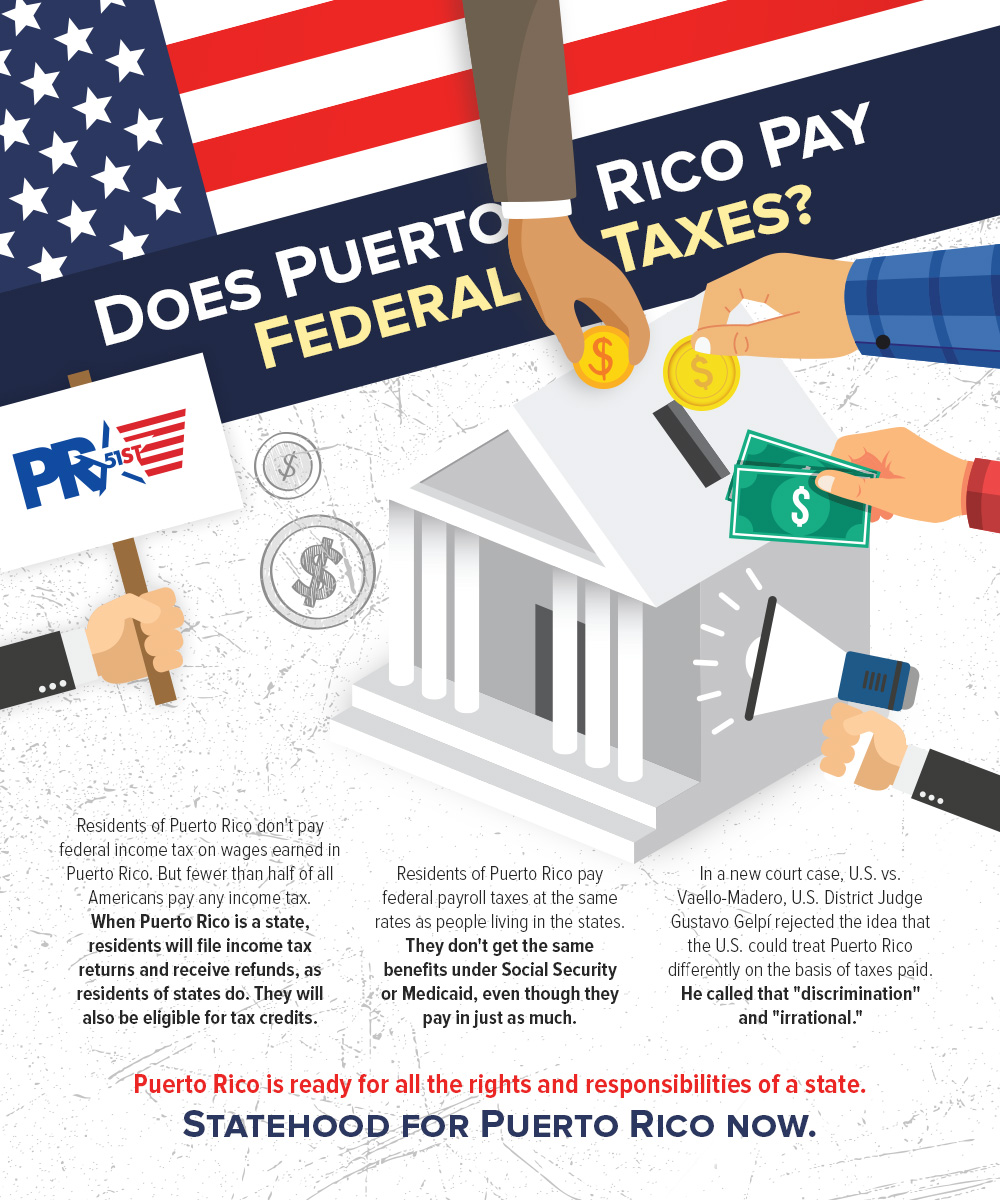
Unpacking Puerto Rico’s Unique Tax Relationship with the United States
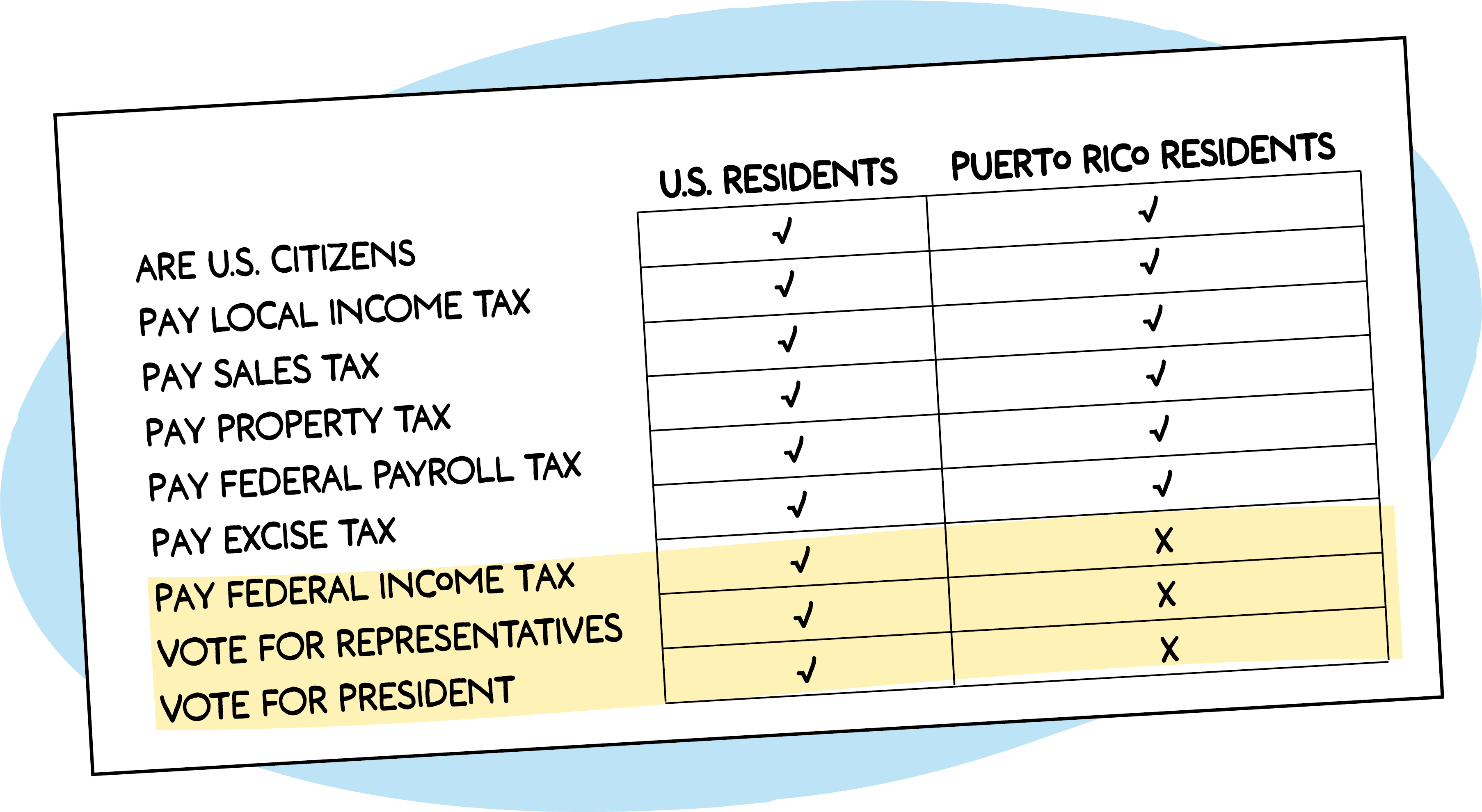
To understand Puerto Rico’s tax situation, one must first grasp its unique political status. As an unincorporated territory of the United States, it exists in a complex space—its residents are U.S. citizens, carry U.S. passports, and are subject to federal laws, yet they do not have voting representation in the U.S. Congress and are largely exempt from federal income tax on income sourced within the island. This distinctive arrangement shapes many facets of life and business in the territory, making it a subject of continuous discussion and policy debate.
A Commonwealth Status Explained
The foundation of Puerto Rico’s unique relationship with the United States dates back to the late 19th century. Following the Spanish-American War in 1898, Puerto Rico was ceded to the United States under the Treaty of Paris. Over time, a commonwealth status was established, granting the island a degree of self-governance while remaining under federal sovereignty.
Under this framework, individuals residing in Puerto Rico are generally exempt from federal income tax on income earned within the island. This means that if you live and work in San Juan or any other part of Puerto Rico, your wages, business profits, and other local income are taxed only by the local Puerto Rico treasury, not the U.S. Internal Revenue Service. However, this exemption has nuances. Puerto Rico residents do pay other forms of federal taxes. These include Social Security and Medicare taxes, which contribute to federal social insurance programs. They also pay federal excise taxes on certain goods, customs duties on imported products, and various other federal levies that apply across the United States. Furthermore, income derived from sources outside Puerto Rico (e.g., from investments in the U.S. mainland) is subject to federal income tax.
The distinction between Puerto Rico and a typical U.S. state, like Florida or California, is significant. While residents of these states contribute fully to the federal income tax system, Puerto Rico’s limited contribution has been a point of contention, particularly when discussing federal aid and political representation. This unique fiscal relationship has played a substantial role in shaping the island’s economic development and its appeal as a destination for specific demographics.
The Ramifications for Residents and Businesses
For individuals and businesses, Puerto Rico’s tax status presents both challenges and opportunities. For local residents, the exemption from federal income tax can translate into a lower overall tax burden compared to mainland U.S. citizens with similar incomes. However, it’s important to remember that Puerto Rico has its own robust local tax system, including income taxes, property taxes, and a general sales and use tax (known as IVU), which can be quite high compared to some U.S. states. The balance between federal tax exemptions and local tax obligations is a critical consideration for anyone evaluating the financial implications of living or working on the island.
For businesses, especially those involved in export services or manufacturing, the tax environment can be particularly attractive. The local government has historically leveraged its taxing authority to create incentives for economic development. These incentives aim to draw foreign and mainland U.S. investment and foster job creation. This has led to the establishment of various industries on the island, from pharmaceuticals to technology. The ability for companies to operate under a distinct tax code, often with lower effective tax rates on certain types of income, has made Puerto Rico a strategic location for businesses looking to optimize their tax liabilities while maintaining ties to the U.S. market.
However, this unique status also comes with complexities. Businesses must navigate two distinct tax systems: federal regulations for applicable taxes and the comprehensive local tax code. Compliance requires a thorough understanding of both. Furthermore, the limited federal income tax contributions from Puerto Rico mean that the island receives fewer federal funds for certain programs compared to a state. This can sometimes impact infrastructure development, social services, and the ability to recover from natural disasters, necessitating a greater reliance on local revenues and, at times, supplementary federal aid (such as assistance from FEMA after hurricanes). The economic impact of this structure is tangible, shaping the overall landscape of investment, employment, and public services on the island.
The Allure of Puerto Rico: Tax Incentives and Lifestyle Benefits
Beyond the fiscal technicalities, Puerto Rico’s tax structure has cultivated a unique allure, positioning it as an attractive destination not just for tourists seeking sun-drenched beaches and vibrant culture, but also for investors, entrepreneurs, and those seeking a significant lifestyle change. The strategic implementation of local tax incentives has played a pivotal role in drawing new residents and businesses, intertwining financial benefits with the island’s intrinsic appeal.
Act 60: A Magnet for Investors and Digital Nomads
Perhaps the most significant and widely discussed aspect of Puerto Rico’s tax landscape for new residents and businesses is Act 60, also known as the Puerto Rico Incentives Code. This comprehensive law consolidates and updates previous incentive programs, most notably Act 20 (Export Services Act) and Act 22 (Individual Investors Act), which were introduced in 2012.
Act 60 is designed to stimulate economic development by attracting capital and skilled professionals to the island. For individuals, particularly high-net-worth investors and digital nomads, the benefits under the “Individual Investors Act” component are substantial. Qualifying new residents from the U.S. mainland (who establish bona fide residency in Puerto Rico) can enjoy a 0% tax rate on passive income such as capital gains, interest, and dividends, as long as these gains accrue after becoming a resident. This incentive is a powerful draw for those seeking to maximize their investment returns within a U.S. jurisdiction.
For businesses, the “Export Services Act” section of Act 60 offers enticing corporate tax rates. Qualifying export service businesses (those providing services from Puerto Rico to clients outside the island) can benefit from a 4% corporate tax rate. This applies to a wide range of services, including consulting, advertising, engineering, software development, and more. This significantly lower corporate tax rate, compared to typical federal and state rates in the U.S. mainland, makes Puerto Rico an attractive location for establishing or relocating operations.
These incentives directly impact several key areas relevant to travel and lifestyle. The influx of high-net-worth individuals and businesses has fueled the demand for luxury travel and premium accommodation. Developers are investing in high-end resorts and villas, particularly in areas like Dorado, known for its opulent beachfront properties and golf courses. The rise of digital nomads has also spurred growth in long-term stay options, from furnished apartments in San Juan to co-working spaces. Furthermore, the growth of business stays is evident in the increasing number of modern hotels and business-friendly amenities catering to professionals drawn by Act 60.
Beyond the Balance Sheet: A Lifestyle Perspective
While the tax advantages of Puerto Rico are undeniably a significant draw, many new residents and visitors are equally captivated by the unparalleled lifestyle the island offers. The financial benefits merely facilitate access to a rich tapestry of experiences that make Puerto Rico a truly unique place to live, work, and explore.
The island boasts an incredibly vibrant local culture, a captivating blend of Spanish, African, and Taino influences. This is evident in its lively music, colorful art, and particularly its delectable food. From savory mofongo to fresh seafood, the culinary scene in Puerto Rico is an attraction in itself, offering diverse dining experiences from street food stalls to upscale restaurants. Exploring Old San Juan, a UNESCO World Heritage Site, offers a glimpse into centuries of history with its cobblestone streets, colonial architecture, and iconic landmarks like El Morro and San Cristobal forts.
Nature lovers are drawn to Puerto Rico’s stunning natural beauty. The island is home to El Yunque National Forest, the only tropical rainforest in the U.S. National Forest System, offering incredible hiking trails and breathtaking waterfalls. Its coastline is dotted with world-class beaches, from the white sands of Flamenco Beach on the island of Culebra to the surfing spots on the west coast in Rincón. The mystical bioluminescent bays, particularly Mosquito Bay in Vieques, offer unforgettable experiences that connect visitors with the island’s unique ecosystems.
The integration of tax incentives with such a high quality of life makes Puerto Rico more than just a tax haven; it’s a lifestyle destination. The investments spurred by Act 60 have also contributed to the modernization of infrastructure and services, further enhancing the appeal for both residents and tourists. While challenges remain, the unique blend of economic opportunity and vibrant culture continues to elevate Puerto Rico’s status on the global stage for travel and lifestyle.
Navigating Puerto Rico as a Traveler: What You Need to Know
For the average traveler planning a vacation, the intricacies of Puerto Rico’s federal tax status might seem distant, but they subtly influence the overall tourist experience, from the local economy to the array of accommodation options and activities available. Understanding these underlying dynamics can enrich your visit and help you appreciate the island’s unique operational environment.
Tourist Taxes and Local Economy
As a tourist visiting Puerto Rico, you will generally not pay federal income tax directly. However, you will encounter local taxes that are standard in most tourist destinations. The most prominent of these is the local sales and use tax, known as IVU (Impuesto sobre Ventas y Uso), which is applied to most goods and services you purchase, including restaurant meals, souvenirs, and retail items. This tax rate can be relatively high compared to some U.S. states, so it’s wise to factor it into your budget.
In addition to the IVU, tourists will pay a hotel occupancy tax. This tax is levied on your stay at hotels, resorts, apartments, and other short-term accommodations. The revenue generated from these local taxes is vital for the Puerto Rico government, contributing to the funding of public services, infrastructure projects, and, crucially, the promotion and maintenance of the tourism industry itself.
The unique tax structure and the incentives offered to investors have a ripple effect on the tourism sector. Increased investment often leads to the development of new hotels, resorts, and attractions, improving the quality and diversity of offerings for visitors. A robust local economy, supported by the tax system, can also mean better upkeep of public spaces, enhanced security, and a generally more pleasant experience for tourists. While you may not be directly affected by federal tax exemptions, the economic environment they foster helps shape the landscape of services and amenities available during your trip.

Planning Your Visit: From Accommodation to Experiences
The dynamic economic environment in Puerto Rico, influenced by its tax status and development incentives, directly impacts the choices available to travelers. When it comes to accommodation, you’ll find a wide spectrum, from luxurious five-star resorts to charming boutique hotels and budget-friendly apartments. In San Juan’s Condado district, for instance, you can stay at iconic establishments like the Condado Vanderbilt Hotel or the La Concha Renaissance San Juan Resort, which often benefit from the island’s investment climate. For those seeking a more immersive cultural experience, staying in a guesthouse or a short-term rental in Old San Juan allows you to be at the heart of historical landmarks and vibrant local life.
The tourism sector thrives on offering diverse experiences. Guides are readily available for tours through El Yunque National Forest, exploring the architectural wonders of Ponce, or delving into the rich history of Castillo San Felipe del Morro. The focus on local culture means plenty of opportunities to engage with artisans, enjoy traditional music, and savor authentic Puerto Rican food. From thrilling water sports along the coast to exploring coffee plantations in the central mountains, the activities are abundant.
When planning your trip, consider that the unique tax status contributes to a thriving local business community, which translates into a rich array of attractions and services. From vibrant nightlife to serene natural parks, the island’s distinct economic conditions have fostered an environment where tourism can flourish. Whether you’re interested in budget travel or a luxury getaway, Puerto Rico offers a plethora of options, all shaped in part by its distinctive relationship with the U.S. federal tax system.
In conclusion, the question “Does Puerto Rico pay federal taxes?” has a nuanced answer: generally no federal income tax on island-sourced income for residents, but other federal taxes are paid. This unique arrangement is a cornerstone of Puerto Rico’s identity, deeply influencing its economy, development, and appeal. From the significant tax incentives of Act 60 attracting investors and digital nomads, to the vibrant local culture and diverse travel experiences, this commonwealth status is integral to the island’s charm and complexity. For travelers, this means a destination rich in history, natural beauty, and a dynamic local economy that continues to evolve, making Puerto Rico a truly captivating place to visit or even call home.
LifeOutOfTheBox is a participant in the Amazon Services LLC Associates Program, an affiliate advertising program designed to provide a means for sites to earn advertising fees by advertising and linking to Amazon.com. Amazon, the Amazon logo, AmazonSupply, and the AmazonSupply logo are trademarks of Amazon.com, Inc. or its affiliates. As an Amazon Associate we earn affiliate commissions from qualifying purchases.