
The question of whether Puerto Rico pays taxes to the United States is one that frequently sparks confusion and misunderstanding. It delves into the intricate relationship between a U.S. territory and the federal government, touching upon historical context, legal frameworks, and their profound impact on daily life, economy, and the unique allure Puerto Rico holds for travelers, investors, and those seeking a new lifestyle. For anyone planning a visit, considering relocation, or simply curious about this vibrant Caribbean gem, understanding its tax structure is key to appreciating its distinct identity.
In short, the answer is complex: residents of Puerto Rico are indeed U.S. citizens, but they generally do not pay federal income tax on income earned within the territory. However, they do pay a range of other federal taxes and, crucially, their own local taxes. This unique arrangement shapes everything from the local economy to the types of tourism and investment opportunities that flourish on the island. As we explore the nuances of Puerto Rico’s tax landscape, we’ll also discover how this framework influences its appeal as a premier destination for travel, accommodation, and a sought-after lifestyle.
Understanding Puerto Rico’s Unique Status
To grasp the intricacies of Puerto Rico’s tax situation, one must first understand its political status. Puerto Rico is an unincorporated territory of the United States, a status that dates back to the Spanish-American War in 1898. This designation means that while it belongs to the U.S., it is not an integral part of the country. This distinction is crucial in how federal laws, including tax laws, apply to the island.
A Commonwealth Relationship
Puerto Rico operates as a commonwealth, a form of self-governance under U.S. sovereignty. The island has its own constitution, legislature, and judicial system, giving it significant autonomy in managing its internal affairs. This includes the power to levy its own taxes. This commonwealth status, while providing a degree of self-determination, also means that the full spectrum of federal laws that apply to the 50 states does not automatically extend to Puerto Rico. This selective application of federal law is particularly evident in taxation.
The relationship has been a subject of ongoing debate, with discussions around statehood, independence, or an enhanced commonwealth status resurfacing periodically. Each option carries profound implications for the island’s economic future, its residents’ rights, and its relationship with the U.S. For travelers and potential residents, understanding this foundational political framework is essential to appreciating the island’s unique blend of American influence and distinct Caribbean identity.
Citizenship and Representation
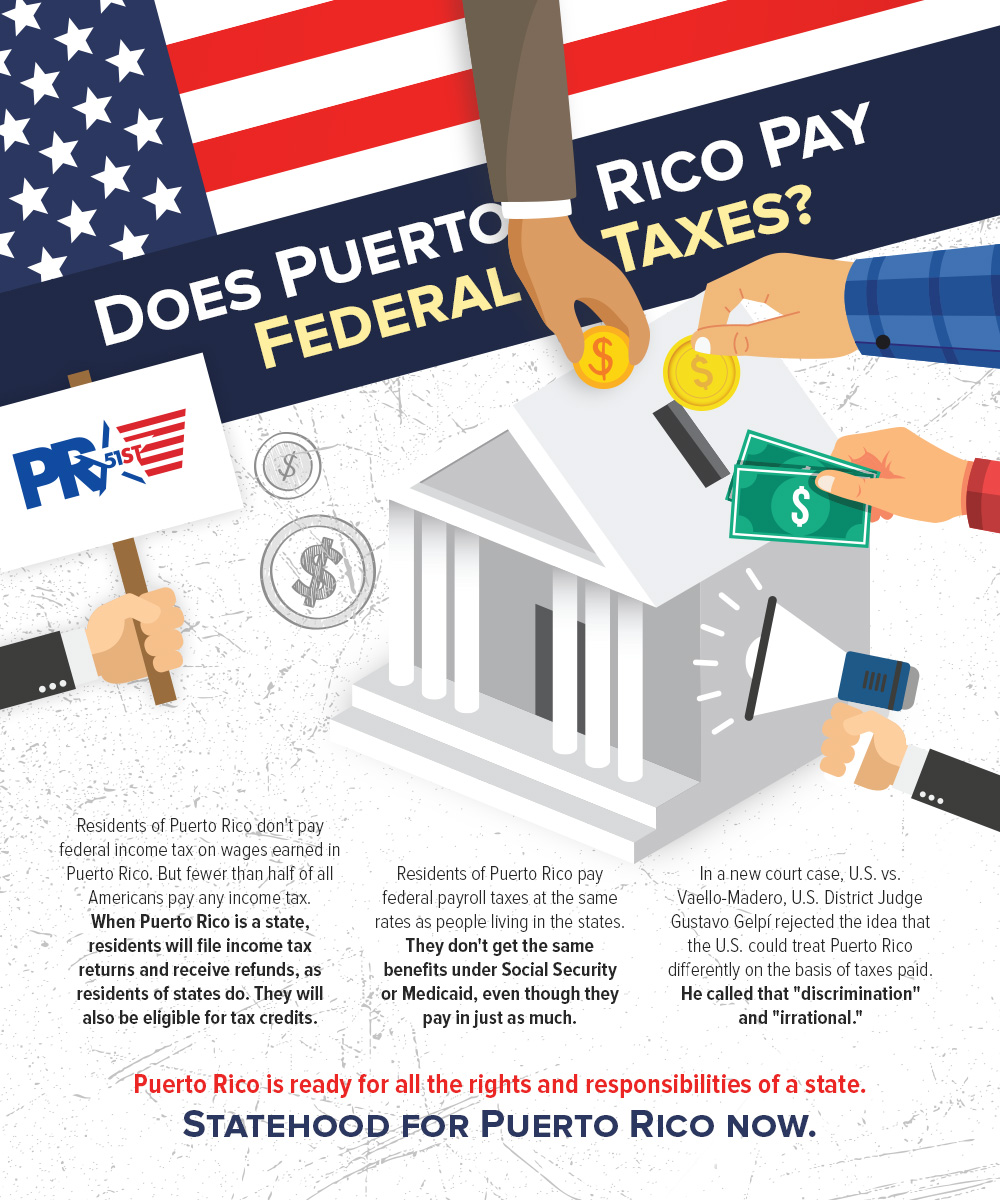
All persons born in Puerto Rico after 1917 are U.S. citizens, thanks to the Jones-Shafroth Act. This means Puerto Ricans can travel freely to the mainland U.S., hold U.S. passports, and are subject to federal laws where they apply. However, despite being citizens, residents of Puerto Rico do not have voting representation in the U.S. Congress, nor can they vote in presidential elections while residing on the island. They elect a Resident Commissioner, who can speak and vote in committees but not on the House floor.
This blend of federal citizenship without full federal political representation or taxation highlights the unique, sometimes paradoxical, nature of [Puerto Rico](https://lifeoutofthebox.com/puerto-rico]’s relationship with the United States. This distinct political status is the bedrock upon which the island’s tax system is built, setting it apart from any of the 50 states and significantly influencing its economic and social fabric.
The Nuances of Taxation in Puerto Rico
The question of “Does Puerto Rico pay taxes to the United States?” is best answered by breaking down the different types of taxes. While the general assumption that Puerto Rico pays no taxes to the U.S. is largely false, the nature of these payments differs significantly from that of a state.
Federal Taxes: Where Puerto Rico Differs
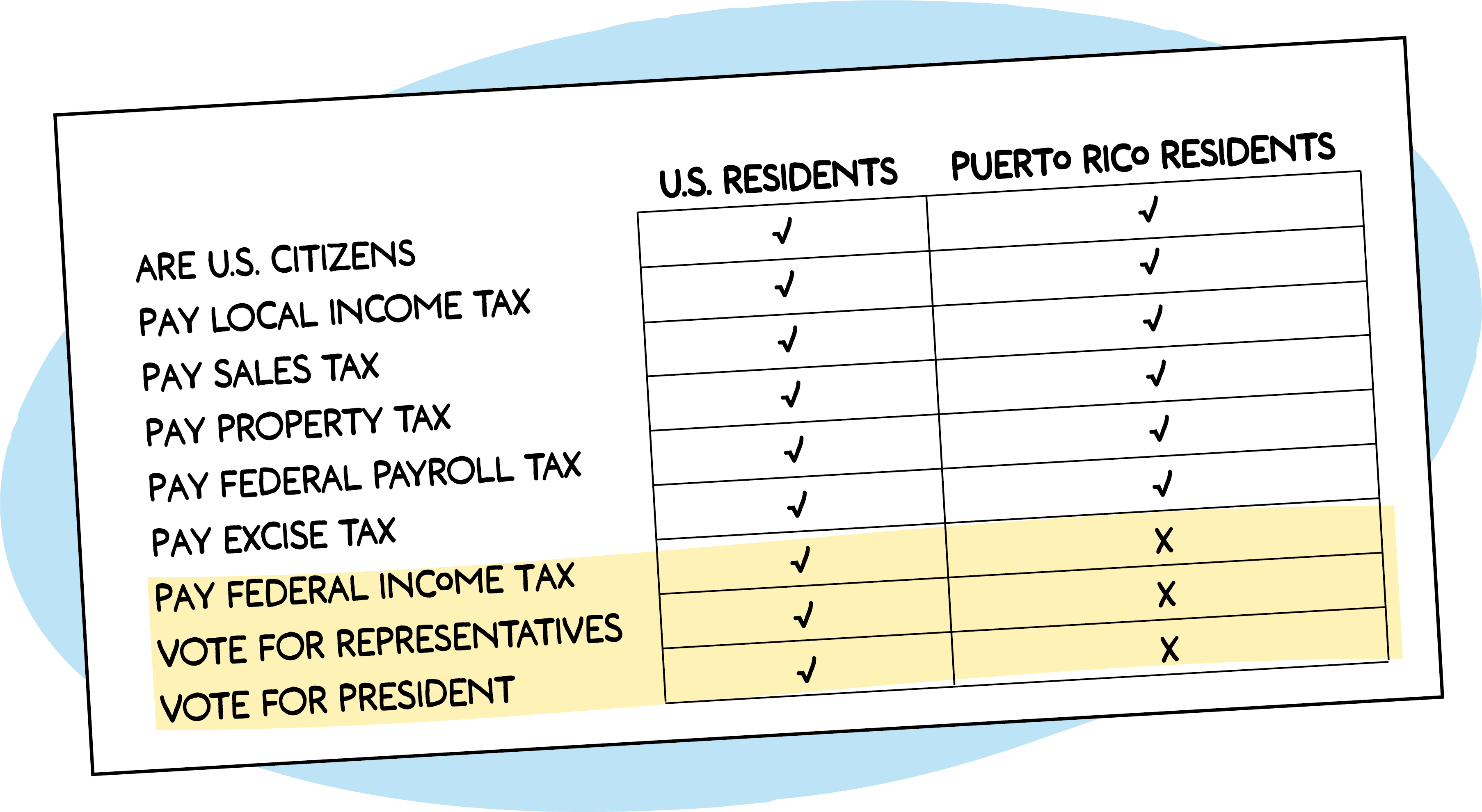
The most significant distinction lies in federal income tax. Under Section 933 of the Internal Revenue Code, bona fide residents of Puerto Rico are generally exempt from federal income tax on income sourced within Puerto Rico. This means that if you live and work on the island, your earnings from [Puerto Rico](https://lifeoutofthebox.com/puerto-rico]-based activities are taxed by the local Puerto Rico Treasury, not the Internal Revenue Service (IRS). However, this exemption does not apply to income sourced from outside [Puerto Rico](https://lifeoutofthebox.com/puerto-rico], such as passive income from U.S. investments or salaries earned on the mainland. Those incomes are subject to federal income tax.
Despite the income tax exemption, residents of Puerto Rico do pay other federal taxes. These include:
- Social Security and Medicare Taxes: These payroll taxes are paid by employees and employers, just as in the 50 states. This ensures that Puerto Ricans are eligible for Social Security and Medicare benefits upon retirement.
- Federal Unemployment Tax Act (FUTA): This employer-paid tax funds unemployment benefits.
- Import/Export Taxes (Customs Duties): Goods entering Puerto Rico from foreign countries are subject to U.S. customs duties, generating revenue for the federal government.
- Federal Excise Taxes: Certain goods like tobacco, alcohol, and gasoline are subject to federal excise taxes.
This selective application means that while the headline “no federal income tax” is true for local income, it doesn’t mean a complete absence of federal contributions. The federal taxes collected play a vital role in funding federal programs and services that benefit Puerto Rico, including disaster relief, infrastructure projects, and defense.
Local Taxation and Its Impact
With the exemption from most federal income taxes, Puerto Rico relies heavily on its own robust local tax system to fund its government services, infrastructure, and social programs. The local tax structure is comprehensive and includes:
- Commonwealth Income Tax: Residents pay income tax to the Puerto Rico Treasury, with rates that can be comparable to, or even higher than, some state income tax rates on the mainland.
- Sales and Use Tax (IVU): Puerto Rico has a high sales tax rate, currently 11.5%, which is one of the highest in any U.S. jurisdiction. This tax applies to most goods and services.
- Property Taxes: Real estate owners pay property taxes to their respective municipal governments.
- Corporate Taxes: Businesses operating in Puerto Rico are subject to local corporate income taxes.
- Excise Taxes: In addition to federal excise taxes, Puerto Rico levies its own excise taxes on various products and services.
This local tax revenue is critical for the island’s economy, funding everything from schools and hospitals to road maintenance and tourism promotion. When you visit Puerto Rico and stay at hotels in San Juan or shop in Old San Juan, a significant portion of your spending contributes to these local taxes, directly supporting the island’s economy and its people.
Section 933 and Tax Incentives (Act 60)
The unique tax status, particularly the federal income tax exemption for [Puerto Rico](https://lifeoutofthebox.com/puerto-rico]-sourced income, has been leveraged by the Puerto Rico government to create powerful economic development incentives. The most well-known of these is Act 60, often referred to by its predecessor names, Acts 20 and 22.
Act 60 offers significant tax benefits designed to attract businesses and individuals to the island.
- Individual Resident Investors (formerly Act 22): New residents who establish bona fide residency in Puerto Rico can qualify for a 0% tax rate on passive income (e.g., dividends, interest, capital gains) earned after becoming residents. This program is a major draw for high-net-worth individuals and digital nomads looking for a favorable tax environment while remaining U.S. citizens.
- Export Services (formerly Act 20): Businesses that provide services from Puerto Rico to clients outside the island can benefit from a highly attractive 4% corporate tax rate. This has attracted a diverse range of companies, from tech startups to consulting firms, establishing a thriving export services sector.
These tax incentives are crucial to Puerto Rico’s strategy for economic revitalization, aiming to stimulate investment, create jobs, and diversify the economy. They highlight how Puerto Rico’s special relationship with the U.S. can be harnessed to offer unique financial advantages that are unparalleled in other U.S. jurisdictions.
Puerto Rico’s Economy: Beyond Taxation
While taxation is a critical component, Puerto Rico’s economy is multifaceted, driven by a vibrant tourism sector, growing investment, and a rich cultural heritage. The interplay of its tax environment, strategic location, and natural beauty creates a compelling narrative for both economic development and personal enjoyment.
Tourism: A Pillar of Growth
Tourism is undeniably one of the most vital pillars of Puerto Rico’s economy. The island’s breathtaking natural landscapes, historic sites, and vibrant culture draw millions of visitors annually. This influx of tourists supports a vast network of businesses, from luxury resorts and boutique hotels to local restaurants and tour operators. The tax revenues generated from tourism, including sales taxes on accommodations, goods, and services, are a significant contributor to the local treasury.
- Diverse Attractions: Puerto Rico offers an incredible array of attractions. Old San Juan, a UNESCO World Heritage site, captivates visitors with its colorful colonial architecture, cobblestone streets, and historic fortifications like El Morro and Castillo de San Cristóbal. Nature lovers flock to El Yunque National Forest, the only tropical rainforest in the U.S. National Forest System, or explore the mesmerizing Bioluminescent Bays in Fajardo, Vieques, and La Parguera. The pristine beaches of Culebra, particularly Flamenco Beach, are consistently ranked among the world’s best.
- Accommodation Variety: The island boasts a wide range of accommodation options, catering to every type of traveler. From ultra-luxurious resorts like the St. Regis Bahia Beach Resort and Dorado Beach, a Ritz-Carlton Reserve to charming boutique hotels in Old San Juan and family-friendly apartments along the coast, Puerto Rico ensures a comfortable stay for all. Options like the iconic Condado Vanderbilt Hotel and the historic Caribe Hilton offer a blend of luxury and convenience.
- Local Culture and Cuisine: Puerto Rico’s vibrant culture, a fusion of Taíno, Spanish, and African influences, is expressed through its music, art, and festivals. The culinary scene is a major draw, with traditional dishes like mofongo, lechón, and alcapurrias delighting palates. Engaging in local activities, from salsa dancing to exploring coffee plantations in the central mountains, offers an authentic experience that goes beyond typical tourist itineraries.
The continued growth of the tourism sector is vital for Puerto Rico’s economic health, creating employment opportunities and sustaining cultural preservation efforts. The island’s commitment to enhancing its tourism infrastructure and promoting sustainable practices ensures its long-term appeal as a world-class travel destination.
Investment and Lifestyle Appeals
Beyond tourism, Puerto Rico’s unique tax incentives have positioned it as an attractive hub for investment and a compelling destination for those seeking a lifestyle change. The appeal extends beyond financial benefits to the quality of life the island offers.
- Strategic Location: Situated at the crossroads of the Americas, Puerto Rico serves as a vital bridge between North America and Latin America. Its deep-water ports and major international airport in San Juan facilitate trade and travel, making it an ideal location for businesses with a regional focus.
- Skilled Workforce: The island boasts a well-educated, bilingual workforce, particularly strong in sectors like manufacturing, pharmaceuticals, and services. This human capital, combined with a modern infrastructure, makes Puerto Rico an appealing place for companies to establish operations.
- Quality of Life: For individuals considering relocation, Puerto Rico offers an exceptional quality of life. The warm climate, stunning natural beauty, rich culture, and laid-back Caribbean lifestyle are major draws. From the surfing mecca of Rincón to the upscale communities of Dorado, there are diverse environments to suit various preferences. Access to U.S. healthcare systems, a familiar legal framework, and the convenience of U.S. currency and postal services make the transition relatively smooth for mainland Americans.
- Real Estate Opportunities: The growing interest in Puerto Rico as an investment and residential destination has fueled a dynamic real estate market. Opportunities range from luxury beachfront properties to charming urban apartments and expansive rural estates, catering to different investment goals and lifestyle aspirations.
The combination of attractive tax policies, a strategic geographical position, and an appealing lifestyle makes Puerto Rico a compelling choice for both business expansion and personal relocation, further diversifying its economic base beyond traditional tourism.
Navigating Puerto Rico as a Traveler or Investor
Understanding Puerto Rico’s tax and economic landscape is not just for economists; it’s vital for anyone considering a journey to the island, whether for a short vacation or a long-term stay. The unique blend of U.S. citizenship, local autonomy, and specific tax incentives creates a distinct environment that travelers and investors alike should be aware of.
Planning Your Visit: What to Expect
For the average tourist, Puerto Rico offers a seamless travel experience, largely due to its U.S. affiliation.
- Currency and Language: The U.S. dollar is the official currency, eliminating the need for currency exchange. While Spanish is the primary language, English is widely spoken, especially in tourist areas and major cities like San Juan and Ponce.
- Entry Requirements: U.S. citizens do not need a passport to travel to Puerto Rico, making it as easy as domestic travel. International visitors follow the same entry requirements as for the mainland U.S..
- Local Costs and Taxes: Be mindful of the 11.5% sales tax (IVU) on most goods and services, including hotel stays, which can add up. Some municipalities may also have additional local taxes. However, the overall cost of travel can be competitive with other Caribbean destinations, especially when considering the absence of international flight complexities for U.S. citizens.
- Getting Around: Puerto Rico’s infrastructure is robust, with well-maintained roads and a modern airport in Carolina (San Juan). Rental cars are readily available, and ride-sharing services operate in urban centers. Public transportation options are more limited outside major cities, making a rental car advisable for exploring beyond the capital.
When planning your itinerary, consider iconic landmarks like the historic walls of La Fortaleza, the stunning caves of Cavernas del Río Camuy, or simply relaxing on one of the island’s many beautiful beaches. Puerto Rico provides a rich tapestry of experiences, from adventure and history to culinary delights and tranquil escapes.
Long-Term Stays and Relocation
For those considering a more permanent move, the tax incentives under Act 60 are a significant draw. However, relocating to Puerto Rico requires careful planning and a clear understanding of what constitutes “bona fide residency” for tax purposes. This typically involves:
- Presence Test: Being present in Puerto Rico for at least 183 days during the taxable year.
- Tax Home Test: Having your tax home (main place of business or employment) in Puerto Rico.
- Closer Connection Test: Demonstrating a closer connection to Puerto Rico than to the United States mainland (e.g., driver’s license, voter registration, banking, family, and personal belongings).
Relocating can offer a unique lifestyle, combining the ease of U.S. citizenship with the distinct culture and natural beauty of the Caribbean. Whether you’re a retiree seeking a warm climate, an entrepreneur looking for a favorable business environment, or a digital nomad desiring a vibrant community, Puerto Rico presents a compelling option. However, it is essential to consult with tax and legal professionals specializing in Puerto Rico to ensure compliance with all requirements and to maximize the benefits of its unique tax structure.
In conclusion, the answer to “Does Puerto Rico pay taxes to the United States?” is a qualified yes and no. While residents are exempt from federal income tax on island-sourced income, they contribute significantly through other federal taxes and a comprehensive local tax system. This unique fiscal arrangement not only underpins the island’s economy but also profoundly shapes its identity as a captivating travel destination and a promising hub for investment and a distinctive lifestyle. Puerto Rico’s charm lies not just in its beaches and history, but in the fascinating interplay of its political status and economic aspirations.
LifeOutOfTheBox is a participant in the Amazon Services LLC Associates Program, an affiliate advertising program designed to provide a means for sites to earn advertising fees by advertising and linking to Amazon.com. Amazon, the Amazon logo, AmazonSupply, and the AmazonSupply logo are trademarks of Amazon.com, Inc. or its affiliates. As an Amazon Associate we earn affiliate commissions from qualifying purchases.