
For travelers planning a vibrant escape to the sun-drenched shores of the Caribbean, one of the most fundamental questions often revolves around currency. When considering a trip to Puerto Rico, a common query arises: “Does Puerto Rico use US Dollars?” The simple and definitive answer is yes. As an unincorporated territory of the United States, Puerto Rico seamlessly integrates the US Dollar into its economic and daily life, making financial transactions straightforward and stress-free for visitors from the mainland US and beyond. This crucial detail simplifies travel planning significantly, allowing you to focus on the island’s rich culture, stunning landscapes, and unforgettable experiences without the added complexity of currency exchange.
This article delves into the specifics of Puerto Rico’s currency, explores the historical context behind its use of the US Dollar, and provides essential financial tips for a smooth trip. Beyond the currency, we’ll also guide you through the island’s top attractions, diverse accommodation options, and unique cultural experiences, ensuring your Puerto Rican adventure is both financially savvy and immensely enjoyable.
The Simple Answer: Yes, the U.S. Dollar Reigns Supreme
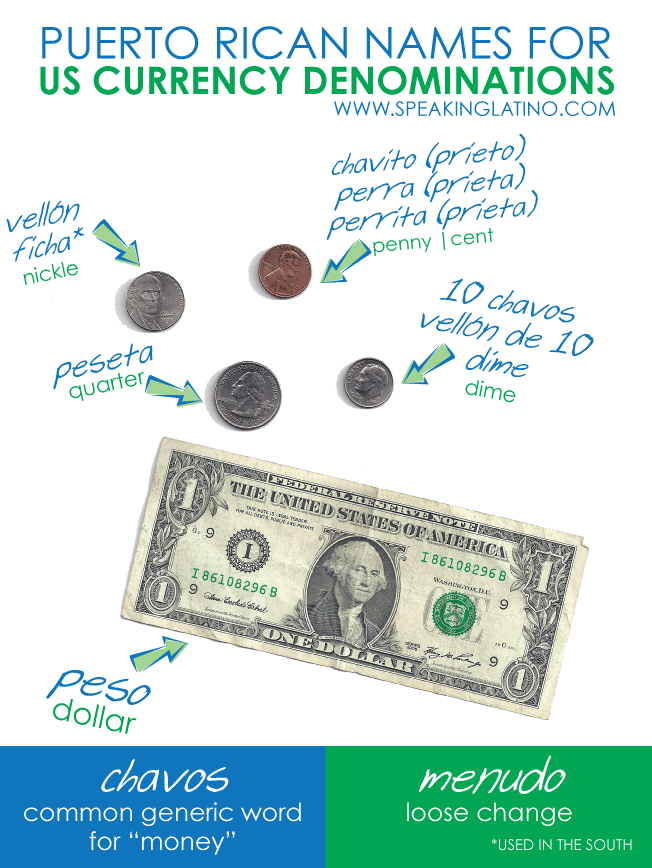
Indeed, the currency in Puerto Rico is the United States Dollar (USD). This eliminates any need for currency exchange for visitors coming from the mainland United States, providing a frictionless experience from the moment you land. For international travelers, while an exchange is necessary, it simplifies the process by dealing with a widely recognized and stable global currency. This monetary alignment is a direct consequence of Puerto Rico’s political status, a relationship that has shaped nearly every aspect of island life, from governance to daily commerce.
A Bit of History: Puerto Rico’s Relationship with the U.S.
To understand why the US Dollar is the official currency, one must look back at Puerto Rico’s history. The island became a U.S. territory in 1898 following the Spanish-American War. Since then, its economic and political systems have become intricately linked with those of the United States. This includes the adoption of the U.S. monetary system. The Federal Reserve regulates banking and financial services on the island, and the U.S. Treasury ensures the supply and integrity of the currency, just as it does in any of the fifty states. This long-standing relationship has fostered a seamless integration of financial practices, making Puerto Rico feel very familiar to those accustomed to the U.S. banking system.
What This Means for Travelers
For you, the traveler, this means unparalleled convenience. You won’t need to calculate exchange rates or worry about foreign transaction fees from your U.S. bank when making purchases in Puerto Rico. Prices are listed in dollars, and all transactions occur in dollars. This ease extends to everything from booking hotels and accommodations to dining at local restaurants, shopping for souvenirs, and enjoying various tours and activities. It significantly reduces one of the common anxieties associated with international travel, allowing you to immerse yourself fully in the destination without financial distractions. Whether you’re paying for a stay at a luxurious resort in Dorado or a street-side snack in Old San Juan, your dollars will be readily accepted.
Navigating Finances in Puerto Rico: Practical Tips for Your Trip
While the US Dollar simplifies currency matters, a few practical financial tips can enhance your travel experience in Puerto Rico. Understanding the local banking landscape, payment preferences, and cultural norms around tipping will ensure your trip runs smoothly from a monetary perspective.
ATMs and Banking Services
ATMs are widely available across Puerto Rico, particularly in urban areas like San Juan, Ponce, and major tourist hubs. Most banks operating on the island are familiar names, such as Banco Popular, FirstBank, and Oriental Bank, all of which are integrated into the U.S. banking network. You can expect to use your debit card to withdraw cash with ease. However, it’s always wise to inform your bank of your travel plans beforehand to avoid any fraud alerts or temporary freezes on your card. While ATM fees are common, they are usually comparable to those you might encounter on the mainland. For rural areas or smaller towns, it’s advisable to carry some cash, as ATM availability might be less frequent.
Credit Cards vs. Cash: What to Expect
Credit cards (Visa, MasterCard, American Express, Discover) are widely accepted at hotels, major restaurants, rental car agencies, and larger retail stores throughout Puerto Rico. Contactless payment options are also becoming increasingly common. However, cash remains king for smaller vendors, local eateries, food trucks, artisanal markets, and for tipping. Having a mix of both is ideal. Carrying a moderate amount of cash for smaller purchases, taxis, or unexpected expenses will prove useful, especially when exploring areas outside the main tourist zones where card machines might be less prevalent or reliable. Always keep your cash and cards secure, as you would in any travel destination.
Tipping Culture in Puerto Rico
Tipping customs in Puerto Rico are very similar to those in the mainland United States. Service industry professionals, including waiters, bartenders, hotel staff, tour guides, and taxi drivers, rely on tips as a significant part of their income. A general guideline for tipping is:
- Restaurants: 15-20% for good service. Check your bill to ensure a service charge hasn’t already been added, especially in more upscale establishments or for larger groups.
- Bars: $1-$2 per drink, or 15-20% of the total bill.
- Hotel Staff: $2-$5 for porters/bellhops per bag, $2-$5 per day for housekeeping.
- Taxi Drivers: 10-15% of the fare, or rounding up to the nearest dollar.
- Tour Guides: $5-$10 per person for a half-day tour, or $10-$20 for a full-day tour, depending on the service quality.
Always factor these customary tips into your travel budget to show appreciation for excellent service and ensure a smooth experience.

Budgeting Your Puerto Rico Adventure
Given that Puerto Rico is a U.S. territory, its cost of living and travel expenses can be comparable to some parts of the mainland US, particularly for imported goods. However, savvy travelers can find options for all budgets.
- Luxury Lifestyle: Expect to pay premium prices at high-end resorts like Dorado Beach, a Ritz-Carlton Reserve or The St. Regis Bahia Beach Resort, exclusive dining experiences, and private tours.
- Mid-Range Travel: A comfortable budget allows for stays in boutique hotels in Old San Juan or resorts in Condado and Isla Verde, dining at quality restaurants, and engaging in popular activities.
- Budget Travel: More affordable options include guesthouses, hostels, local chinchorros (roadside food stalls), public transportation, and free attractions like beaches and historical sites.
Planning ahead, booking accommodations in advance, and considering off-peak travel can help manage costs effectively. Local markets offer fresh, affordable produce, and many cultural experiences are free or low-cost.

Exploring Puerto Rico: Beyond the Currency
With your financial questions settled, you can now fully immerse yourself in planning the exciting aspects of your Puerto Rican journey. The island offers a breathtaking array of destinations, a vibrant culinary scene, and diverse accommodation options that cater to every taste and budget.
Iconic Destinations and Must-See Landmarks
Puerto Rico is a treasure trove of natural wonders and historical sites.
- Old San Juan: A UNESCO World Heritage site, this historic district mesmerizes with its colorful Spanish colonial architecture, cobblestone streets, and formidable fortifications like Castillo San Felipe del Morro and Castillo de San Cristóbal. Explore museums, art galleries, and enjoy the lively atmosphere of Paseo de la Princesa. Don’t miss La Fortaleza, the official residence of the Governor of Puerto Rico.
- El Yunque National Forest: The only tropical rainforest in the U.S. National Forest System, El Yunque is a lush paradise of waterfalls, diverse flora and fauna, and invigorating hiking trails.
- Bioluminescent Bays: Experience the magical glow of nature at one of Puerto Rico’s three bioluminescent bays – Mosquito Bay in Vieques (the brightest in the world), Laguna Grande in Fajardo, and La Parguera in Lajas. Kayaking through these glowing waters is an unforgettable experience.
- Beaches: From the pristine white sands of Flamenco Beach on Culebra (often ranked among the world’s best) to the surf breaks of Rincón on the west coast, Puerto Rico boasts an incredible variety of beaches for swimming, sunbathing, snorkeling, and surfing. Other notable beaches include Luquillo Beach and those found in Aguadilla and Cabo Rojo.
- Arecibo Observatory: Home to one of the world’s largest radio telescopes (though partially damaged, it remains a significant site), offering a fascinating glimpse into astronomical research.
- Ponce: Known as the “Pearl of the South,” Ponce offers a distinct architectural style, grand plazas, and cultural attractions like the Museo de Arte de Ponce.
- Mona Island: For the adventurous, this remote nature reserve, sometimes called the “Galapagos of the Caribbean,” offers unparalleled diving, hiking, and wildlife viewing, though permits and experienced guides are required.
Culinary Delights and Local Flavors
Puerto Rican cuisine is a delicious fusion of Spanish, African, and Taíno influences, creating a unique “cocina criolla.”
- Mofongo: A quintessential Puerto Rican dish made from fried green plantains mashed with garlic, olive oil, and pork cracklings, often served with a choice of meat or seafood.
- Lechón: Whole roasted suckling pig, especially popular in the mountainous region of Guavate, known for its lechoneras.
- Pasteles: Similar to tamales, these are made from a green plantain and root vegetable masa, filled with meat, and wrapped in banana leaves.
- Arroz con Gandules: Rice with pigeon peas, often served as a side dish.
- Local Drinks: Don’t forget to try a refreshing Piña Colada (said to have been invented in Puerto Rico!), or sample the world-renowned rum at the Bacardi Distillery in Cataño.
From fine dining in San Juan to casual beachfront kiosks and traditional chinchorros, the island offers a culinary journey that’s as rich and diverse as its landscape.
Finding Your Perfect Accommodation
Puerto Rico caters to every type of traveler when it comes to lodging.
- Luxury Resorts: Areas like Dorado, Fajardo, and Rio Grande host opulent resorts, such as El Conquistador Resort or Dorado Beach, a Ritz-Carlton Reserve, offering world-class amenities, golf courses, and private beach access.
- Boutique Hotels: Old San Juan is famous for its charming boutique hotels housed in historic colonial buildings, providing an intimate and culturally immersive stay.
- Beachfront Hotels & Apartments: Condado and Isla Verde in San Juan offer numerous high-rise hotels and vacation rentals with direct beach access, pools, and vibrant nightlife.
- Guesthouses & Villas: For a more authentic or secluded experience, consider guesthouses in towns like Rincón or villas in regions like Vieques and Culebra, offering a sense of local life and stunning natural surroundings. Copamarina Beach Resort & Spa in Guánica is another excellent option for those seeking a tranquil beachfront escape.
- Long-Term Stays: With the rise of digital nomads and remote work, many apartments and homes are available for extended stays, offering a chance to truly live like a local.
Whether you’re looking for a romantic getaway, a family-friendly resort, or a budget-conscious adventure, Puerto Rico has accommodation to suit your needs, often available for booking through familiar platforms.
Planning Your Puerto Rican Getaway: A Seamless Experience
Beyond currency and attractions, a few more details can help you prepare for a truly seamless and enjoyable Puerto Rican journey.
Essential Travel Documents
For U.S. citizens, traveling to Puerto Rico is considered domestic travel. This means you do not need a passport; a valid government-issued ID (such as a driver’s license) is sufficient for air travel. For international visitors, standard U.S. entry requirements apply, which typically include a valid passport and, if applicable, a visa or ESTA authorization. The language barrier is also minimal, as both Spanish and English are official languages, though Spanish is more widely spoken, especially outside of major tourist areas. Learning a few basic Spanish phrases can certainly enhance your experience and endear you to the locals.
Getting Around the Island
Navigating Puerto Rico is relatively straightforward.
- Rental Cars: This is by far the most flexible way to explore the island, especially if you plan to visit multiple regions and remote attractions like El Yunque or the west coast beaches. Major car rental companies are available at Luis Muñoz Marín International Airport in San Juan.
- Taxis & Ride-sharing: Taxis are readily available in San Juan and major tourist zones. Ride-sharing apps like Uber also operate in most metropolitan areas.
- Public Transportation: While a limited public bus system exists in San Juan, it’s not comprehensive enough for general tourist exploration across the island.
- Ferries & Flights: To reach the smaller islands of Vieques and Culebra, you can take a ferry from Ceiba or opt for a short commuter flight from San Juan or Isla Grande Airport.
Driving in Puerto Rico is on the right side of the road, and road signs often follow U.S. standards, though distances are in kilometers.
Embracing the Local Lifestyle
Ultimately, a trip to Puerto Rico is about more than just currency or landmarks; it’s about embracing the vibrant sabor (flavor) of the island. Engage with locals, enjoy the rhythmic sounds of salsa music, participate in a festival, or simply relax on a pristine beach and soak in the sun. Whether you’re seeking luxury travel, a budget-friendly escape, or a memorable family trip, Puerto Rico offers a diverse array of experiences. Its welcoming atmosphere, combined with the convenience of using the US Dollar, makes it an exceptionally appealing destination for travelers looking for an accessible yet exotic adventure.
In conclusion, the question “Does Puerto Rico use US Dollars?” is answered with a resounding yes, simplifying financial planning for millions of travelers. This ease, coupled with the island’s captivating history, stunning natural beauty, rich cultural tapestry, and diverse offerings, solidifies Puerto Rico’s status as a premier Caribbean travel destination. Pack your bags, bring your dollars, and get ready to experience the enchanting allure of the “Island of Enchantment.”
LifeOutOfTheBox is a participant in the Amazon Services LLC Associates Program, an affiliate advertising program designed to provide a means for sites to earn advertising fees by advertising and linking to Amazon.com. Amazon, the Amazon logo, AmazonSupply, and the AmazonSupply logo are trademarks of Amazon.com, Inc. or its affiliates. As an Amazon Associate we earn affiliate commissions from qualifying purchases.