
The question of whether Puerto Rico participates in United States presidential elections is one that often sparks curiosity, particularly for travelers and those interested in the intricacies of American governance and culture. As a vibrant Caribbean destination renowned for its rich history, stunning natural beauty, and warm hospitality, Puerto Rico holds a unique and complex relationship with the US. This relationship deeply influences not only its political landscape but also its economic development, social fabric, and the very experience visitors have when exploring its shores. While Puerto Ricans are US citizens, the island’s territorial status means its role in federal elections is distinct from that of the 50 states. Understanding this distinction is key to appreciating the island’s unique position and the ongoing debates about its future.
The Unique Political Status of Puerto Rico
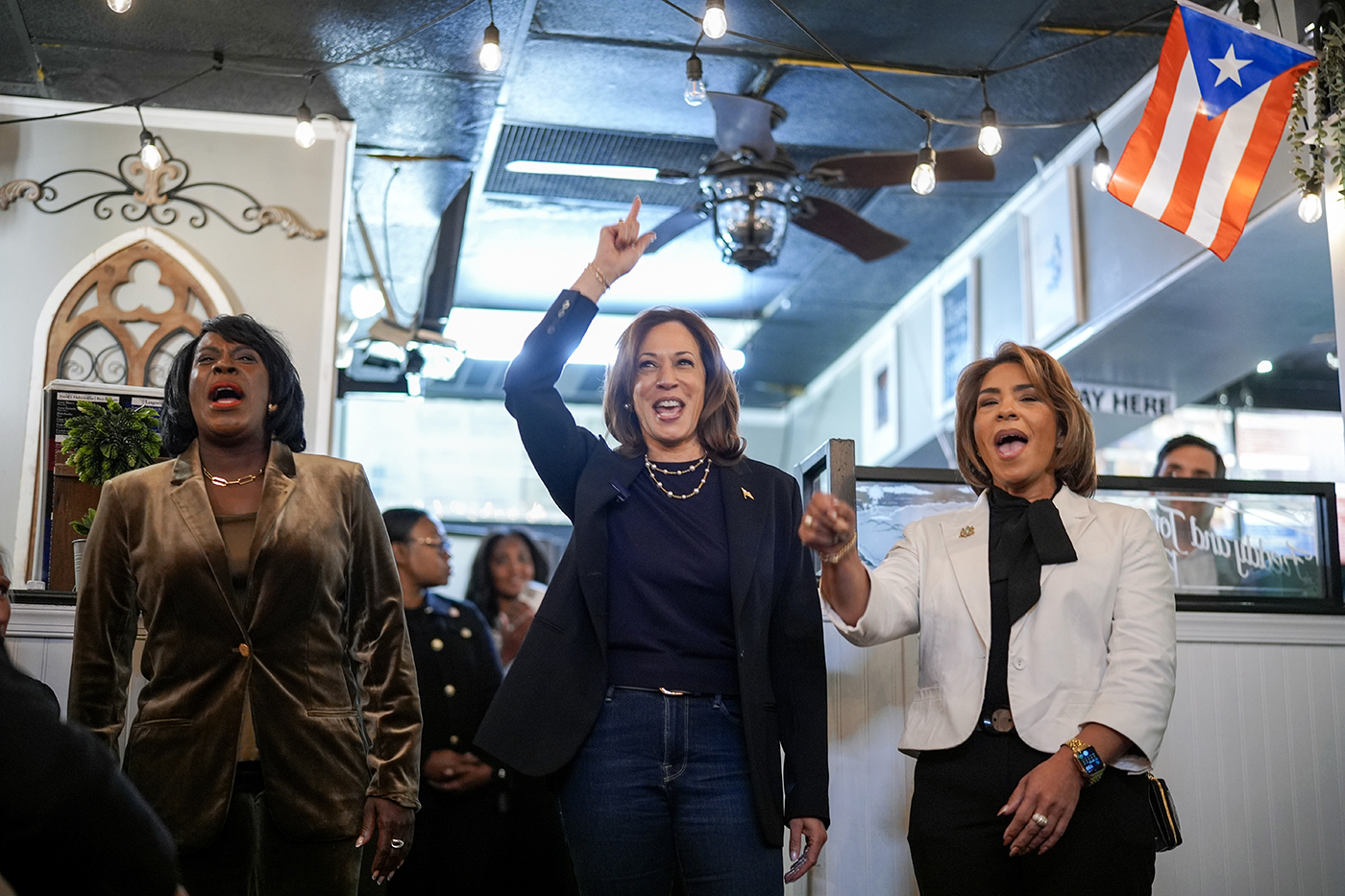
To answer the question directly: no, residents of Puerto Rico do not vote in the general election for the President of the United States. This fact stems directly from its political classification as an unincorporated territory of the United States.
A US Territory, Not a State
Puerto Rico became a US territory in 1898 following the Spanish-American War. Over a century later, its status remains unchanged, meaning it is subject to the sovereignty of the United States Congress but is not part of any state, nor is it a state itself. This classification has profound implications for its political rights and representation. Unlike states, which are integral parts of the US and have full representation in the federal government, territories like Puerto Rico operate under a different set of rules.
Residents of Puerto Rico are indeed US citizens by birth, a right granted by the Jones-Shafroth Act of 1917. This means they carry US passports, can travel freely to the mainland, and are subject to most federal laws. However, their citizenship does not confer full voting rights in federal elections while residing on the island. If a Puerto Rican moves to one of the 50 states, they immediately gain the right to vote in presidential elections, highlighting that the restriction is based on residency, not citizenship.
The Electoral College and its Implications
The United States presidential election operates through the Electoral College, a system where electors, chosen by each state based on its population, cast the actual votes for President and Vice President. Since Puerto Rico is not a state, it is not allocated any electoral votes in the Electoral College. This effectively excludes the island’s nearly 3.3 million residents from participating in the general election that determines the nation’s chief executive.
While Puerto Rico does not have voting representation in the US Congress, it does elect a Resident Commissioner who serves in the House of Representatives. This delegate can participate in committee work and debate legislation, but cannot cast votes on the final passage of bills on the House floor. This non-voting status underscores the limited political power Puerto Rico holds at the federal level, despite its significant population, which surpasses that of several US states.
Participation in Primary Elections
Despite being unable to vote in the general presidential election, Puerto Ricans do play a role in the presidential nomination process. Both the Democratic and Republican parties hold primary elections or caucuses in Puerto Rico to allocate delegates for their national conventions. These delegates then cast votes to select the party’s presidential nominee.
This participation allows Puerto Ricans to influence which candidates appear on the ballot in the general election, giving them a voice, albeit indirect, in the presidential race. Candidates often visit the island during primary season, engaging with local communities and addressing issues specific to Puerto Rico, such as economic development, federal aid, and the ongoing debate over the island’s political status. For those interested in political tourism, observing a primary election season in Puerto Rico offers a fascinating glimpse into the unique dynamics of US territorial politics.
The Daily Life and Lifestyle in Puerto Rico Under US Sovereignty
The political status of Puerto Rico profoundly shapes the daily lives and lifestyle of its residents, creating a fascinating blend of American and Caribbean influences that is evident in its culture, economy, and infrastructure.
Citizenship and Rights
As US citizens, Puerto Ricans enjoy many of the same rights and responsibilities as mainland Americans. They are subject to federal laws and regulations, have access to federal programs such as Medicare and Medicaid, and can serve in the US armed forces. However, the lack of full voting representation in Congress and the inability to vote for President leads to a feeling of second-class citizenship for many. This paradox of being citizens but lacking full political power is a central theme in Puerto Rican identity and political discourse.
The legal system in Puerto Rico also reflects this dual heritage, combining elements of US common law with a civil law tradition inherited from Spain. This unique blend is noticeable even to travelers who engage with local businesses or institutions, providing a layer of cultural complexity that distinguishes Puerto Rico from other Caribbean islands.
Economic Landscape and Federal Aid
Puerto Rico’s economy is deeply intertwined with that of the United States. It uses the US dollar as its currency and benefits from federal funding for various programs, particularly in disaster relief, healthcare, and education. However, its territorial status also means it faces unique economic challenges. For instance, some federal programs are applied differently or offer less funding to Puerto Rico compared to states. The island is also exempt from certain federal taxes, but its residents do pay federal payroll taxes (Social Security and Medicare), and many other federal taxes are collected. This nuanced tax relationship is a frequent point of contention in political discussions.
The economic landscape impacts tourism directly. Investments in infrastructure, hotels, and attractions are often influenced by the island’s economic stability and federal support. Major hotel chains like Marriott International and Hilton Worldwide operate luxurious resorts, such as Dorado Beach, a Ritz-Carlton Reserve, and boutique hotels, but the overall economic health affects growth and development. The local job market, including within the hospitality sector, is sensitive to these broader economic forces, influencing the quality of service and the variety of experiences available to visitors.
Cultural Identity: A Blend of Worlds
Perhaps one of the most compelling aspects of life in Puerto Rico is its vibrant cultural identity, a rich fusion of Spanish, indigenous Taíno, and African traditions, overlaid with significant American influences. While Spanish remains the predominant language, English is widely spoken, especially in tourist areas and among younger generations. This linguistic duality is a testament to the island’s complex history.
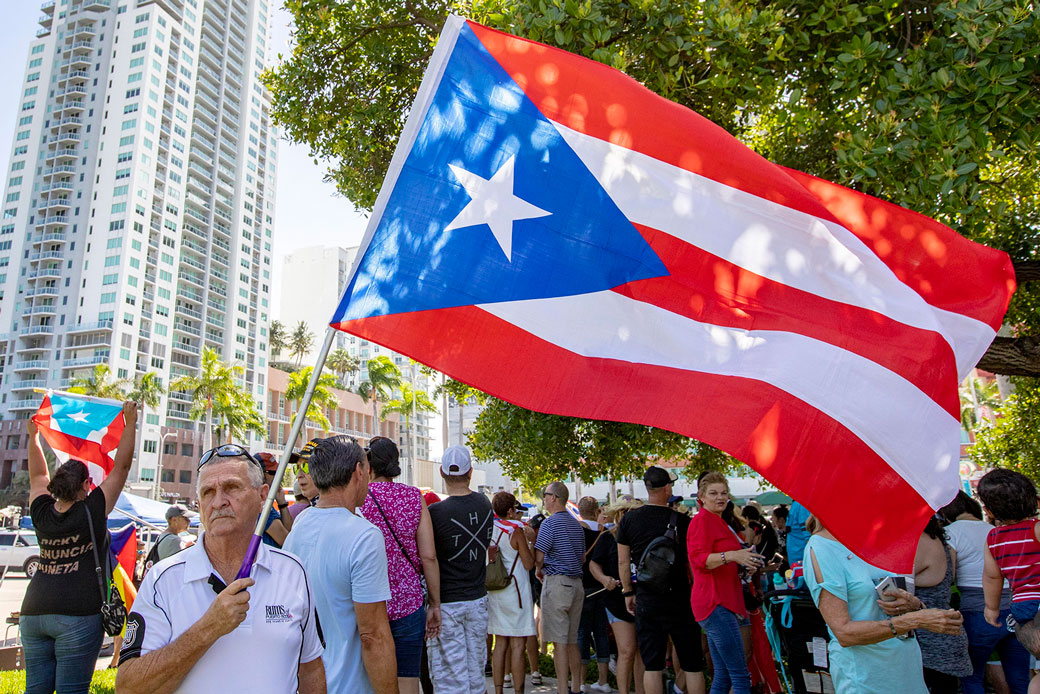
Culturally, Puerto Ricans celebrate both US holidays and their own unique traditions, like the festive San Sebastián Street Festival in Old San Juan. This blend is apparent in everything from cuisine and music to architecture and daily customs. For travelers, this means an experience that feels both familiar and exotic – familiar in its use of the US dollar and certain conveniences, yet distinctly Caribbean and Latin American in its spirit. This rich cultural tapestry is a major draw for tourism, offering unique experiences in local food, music, and art that are unlike anywhere else in the world.
Travel and Tourism in a US Territory
Puerto Rico’s status as a US territory significantly enhances its appeal as a travel destination, particularly for US citizens. The convenience and familiarity, combined with the allure of an exotic Caribbean escape, make it an ideal choice for a diverse range of travelers.
Ease of Access for US Travelers
One of the most significant advantages for US travelers visiting Puerto Rico is the incredible ease of access. Since it is a US territory, US citizens do not need a passport to travel to the island. A valid government-issued ID, such as a driver’s license, is sufficient for entry, mirroring domestic travel within the mainland United States. This eliminates the need for international travel preparations, making last-minute trips much more feasible.
Furthermore, direct flights from numerous major US cities to Luis Muñoz Marín International Airport in San Juan are frequent and often affordable. The use of the US dollar as currency simplifies financial transactions, and familiar federal agencies like the TSA and Customs and Border Protection manage operations, providing a sense of security and consistency. For families, budget travelers, or those seeking a seamless international-feeling getaway without the international hassle, Puerto Rico stands out as an exceptional choice.
Exploring Puerto Rico’s Rich Heritage and Natural Wonders
Despite its political complexities, Puerto Rico offers an abundance of attractions for every type of traveler. Its unique blend of history, culture, and nature is unparalleled. History enthusiasts can wander through the cobblestone streets of Old San Juan, a UNESCO World Heritage Site, and explore iconic landmarks like Castillo San Felipe del Morro and Castillo de San Cristóbal, fortifications that tell tales of Spanish colonial power and military strategy.
Nature lovers will be captivated by the lush biodiversity of El Yunque National Forest, the only tropical rainforest in the US National Forest System, offering breathtaking waterfalls and hiking trails. The island is also home to three of the world’s five bioluminescent bays, providing magical nighttime kayaking experiences in places like Vieques and La Parguera. Sun worshippers can relax on pristine beaches like Flamenco Beach on Culebra or Luquillo Beach, while surfers flock to the consistent waves of Rincón. The diversity of experiences, from bustling city life in San Juan to tranquil island escapes, positions Puerto Rico as a multifaceted destination.
Accommodation and Tourism Infrastructure
The tourism sector in Puerto Rico is robust and continually evolving, offering a wide array of accommodation options to suit various preferences and budgets. From luxurious resorts and boutique hotels to charming guesthouses and vacation rentals, visitors can find their ideal stay. In San Juan and coastal areas, you’ll find numerous high-end properties offering world-class amenities, spas, and gourmet dining. For example, properties like the Condado Vanderbilt Hotel or the aforementioned Dorado Beach, a Ritz-Carlton Reserve, cater to luxury travelers, while numerous smaller, locally-owned establishments provide authentic experiences and contribute to the local economy.
The infrastructure supporting tourism, including transportation networks, modern airports, and a growing number of cruise ship terminals, is well-developed. Post-hurricane recovery efforts have further bolstered the resilience and modernization of the island’s tourism assets, ensuring that visitors have access to excellent services and facilities. The ease of booking and comparison through various platforms ensures that visitors can find accommodation that perfectly matches their trip style, whether it’s a family vacation, a romantic getaway, or a business stay.
The Impact of Political Debates on Tourism Investment
While Puerto Rico’s political status offers some advantages for tourism, the ongoing debate about its future – whether it should pursue statehood, independence, or remain a territory – can also introduce an element of uncertainty. This uncertainty can sometimes influence large-scale international investment decisions in new hotels, resorts, or major tourism projects. Investors often seek long-term stability, and political ambiguity can be a deterrent.
However, the resilience and entrepreneurial spirit of the Puerto Rican people, coupled with the inherent attractiveness of the destination, continue to drive growth in the tourism sector. Local businesses and smaller-scale developments thrive, often providing more authentic and immersive cultural experiences that draw travelers seeking unique encounters. The desire for self-determination and a clearer political path often goes hand-in-hand with aspirations for greater economic prosperity, which would undoubtedly further boost the tourism industry.
The Statehood Debate: What Lies Ahead?
The question of Puerto Rico’s political status is not static; it is a live and constantly evolving debate that has significant implications for its residents and its relationship with the United States.
Arguments For and Against Statehood
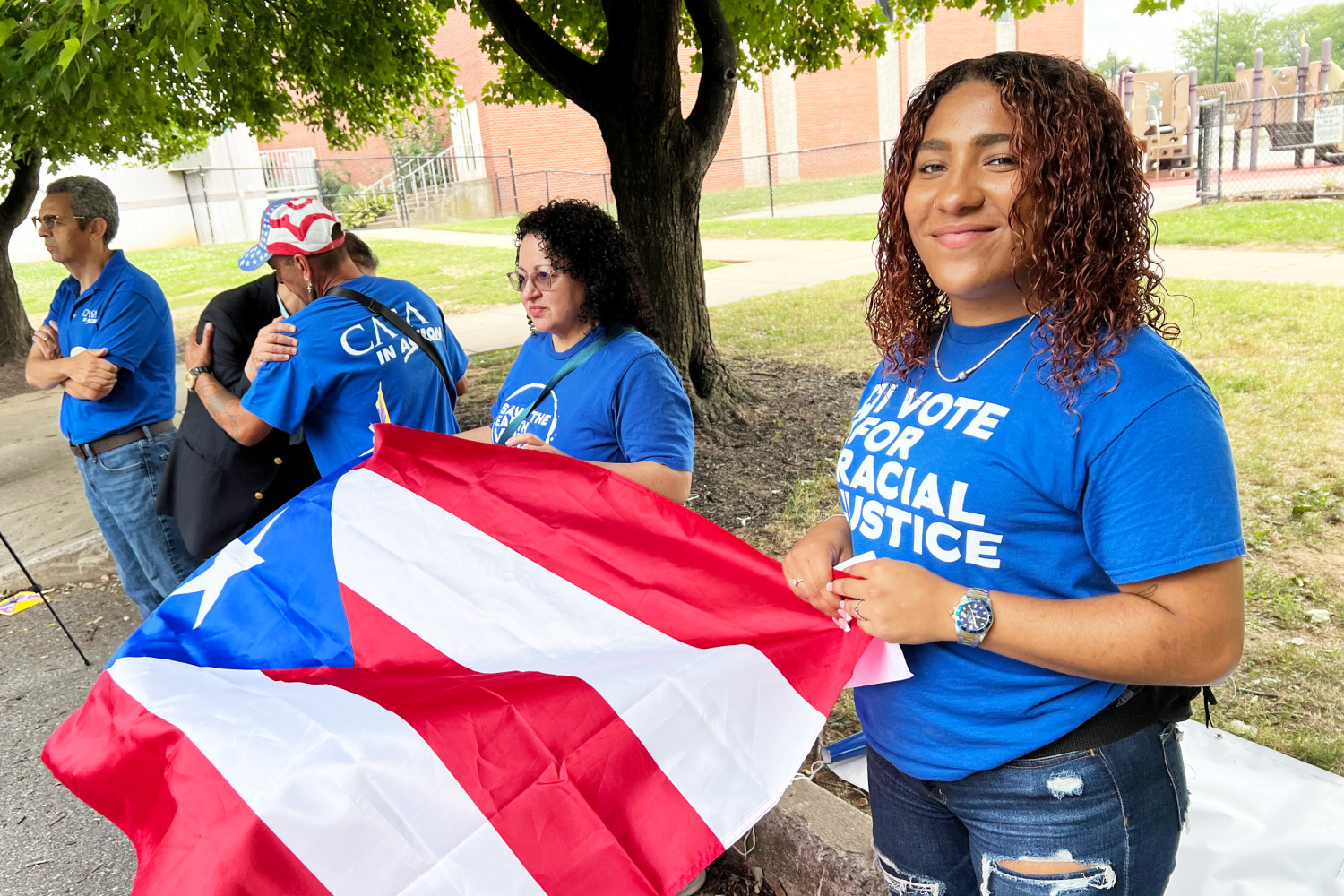
The debate over Puerto Rico’s political status is complex, with passionate arguments on all sides. Proponents of statehood argue that it would grant Puerto Ricans full voting rights and representation in Congress, ensuring equal treatment under federal law and access to federal funding. They believe statehood would provide greater economic stability, attract more investment, and end the “colonial” status. For many, statehood is about achieving full equality and democratic participation.
Opponents of statehood often express concerns about losing Puerto Rico’s distinct cultural identity, particularly the Spanish language, and fear increased federal taxation without a proportional increase in benefits. They argue that statehood might not solve the island’s deep-seated economic issues and could lead to a loss of autonomy. Advocates for independence believe that only complete sovereignty can allow Puerto Rico to fully control its destiny and develop an economy tailored to its unique needs. There is also support for enhanced commonwealth status, which seeks greater autonomy while maintaining a link to the US.
Self-Determination and the Future of the Island
Ultimately, the future of Puerto Rico’s political status rests on the principle of self-determination. Over the decades, several plebiscites have been held on the island, with varying results and controversies surrounding their validity and participation rates. While recent non-binding referendums have shown majority support for statehood among participating voters, the final decision requires an act of the US Congress.
As these debates continue, Puerto Rico remains a fascinating destination that offers a profound understanding of American history, culture, and democracy in action – or inaction, depending on one’s perspective. For visitors, it’s an opportunity to witness a vibrant society grappling with fundamental questions of identity, governance, and self-rule, all while enjoying the captivating beauty and warmth of a truly unique Caribbean gem. The island’s future political trajectory will undoubtedly continue to shape its journey, impacting its lifestyle, economy, and the evolving narrative that makes Puerto Rico such a compelling place to explore and understand.
LifeOutOfTheBox is a participant in the Amazon Services LLC Associates Program, an affiliate advertising program designed to provide a means for sites to earn advertising fees by advertising and linking to Amazon.com. Amazon, the Amazon logo, AmazonSupply, and the AmazonSupply logo are trademarks of Amazon.com, Inc. or its affiliates. As an Amazon Associate we earn affiliate commissions from qualifying purchases.