
The question of whether Puerto Rico votes in US elections is a complex one, deeply intertwined with the island’s unique political status as a US territory. While residents of Puerto Rico are US citizens, their participation in the most significant US elections, namely the presidential election, is restricted. This distinction often leads to confusion and raises important questions about representation and democratic rights. To understand this fully, we must delve into the history, governance, and the lived experiences of Puerto Ricans in relation to the United States.
The Political Status of Puerto Rico: A Territory, Not a State
Understanding the Commonwealth Status
Puerto Rico holds the status of an unincorporated territory of the United States. This means that while the US Constitution applies to the island, not all of its provisions are fully in force, and Congress has ultimate authority over its governance. This unincorporated status has been a source of debate and political aspiration for decades, with various factions advocating for statehood, independence, or maintaining the current commonwealth status.
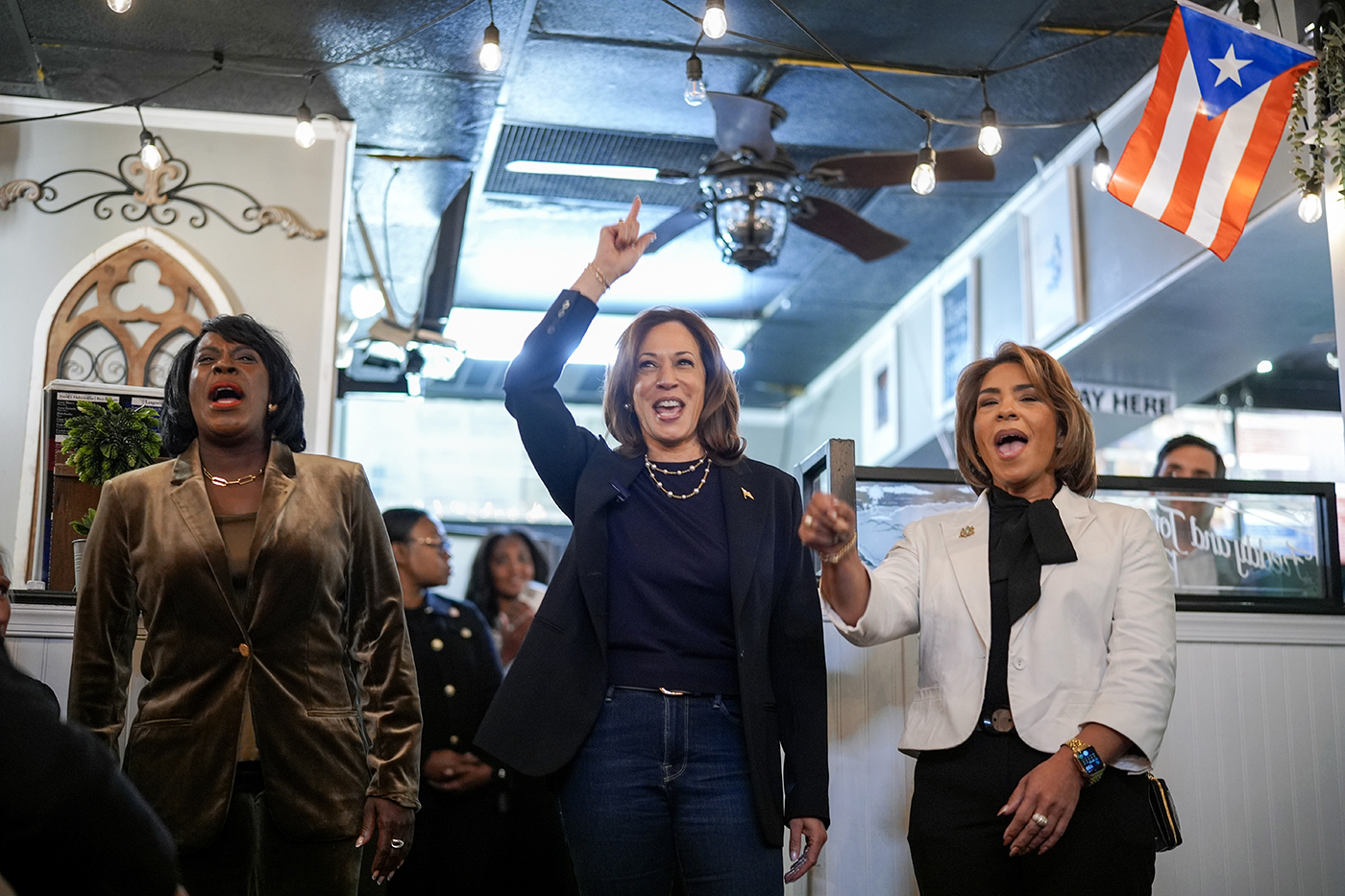
The US acquired Puerto Rico from Spain in 1898 following the Spanish-American War. Since then, its relationship with the mainland has evolved, but the fundamental territorial status has persisted. Puerto Ricans were granted US citizenship in 1917, allowing them to serve in the US military and travel freely to the mainland. However, this citizenship does not automatically grant them the same voting rights as citizens residing in the 50 states.
Representation in Congress
One of the most tangible consequences of Puerto Rico’s territorial status is its limited representation in the US Congress. Puerto Rico has a non-voting representative in the House of Representatives, known as a resident commissioner. This commissioner can participate in debates and committees but cannot vote on the final passage of legislation on the House floor. There is no representation in the US Senate. This lack of full representation means that Puerto Ricans have no direct say in the election of their US Senators, who play a crucial role in confirming presidential appointments and shaping national policy.
Voting Rights in US Elections: A Partial Picture
The Presidential Election Dilemma
The most significant limitation on Puerto Rican voting rights pertains to the US presidential election. Residents of Puerto Rico cannot vote for the President and Vice President of the United States. This is because they are not residents of any US state or the District of Columbia, the only jurisdictions whose residents are eligible to cast electoral votes.
While individuals living in Puerto Rico can vote in the primaries of the Democratic and Republican parties, their votes are not factored into the general election’s electoral college count. This means that the voices and preferences of over 3 million US citizens on the island have no direct impact on who ultimately occupies the White House. This disenfranchisement is a central point of contention for many Puerto Ricans who feel that their citizenship should translate into full participation in the democratic process.
Local Elections and Representation
It is crucial to differentiate between federal elections and local elections. Puerto Ricans do participate in local elections. They elect their own governor, members of the Legislative Assembly (which includes the Senate and the House of Representatives of Puerto Rico), mayors, and other local officials. These elections are vital for the governance of the island and reflect the democratic will of its people. The political landscape of Puerto Rico is vibrant, with active political parties and ongoing debates about the island’s future.
However, the inability to vote in the US general presidential election and the limited representation in Congress highlight a fundamental imbalance in their relationship with the federal government. This situation is often contrasted with the voting rights of residents in Washington D.C., who, despite not being a state, do have electoral votes in the presidential election and a non-voting representative in the House.
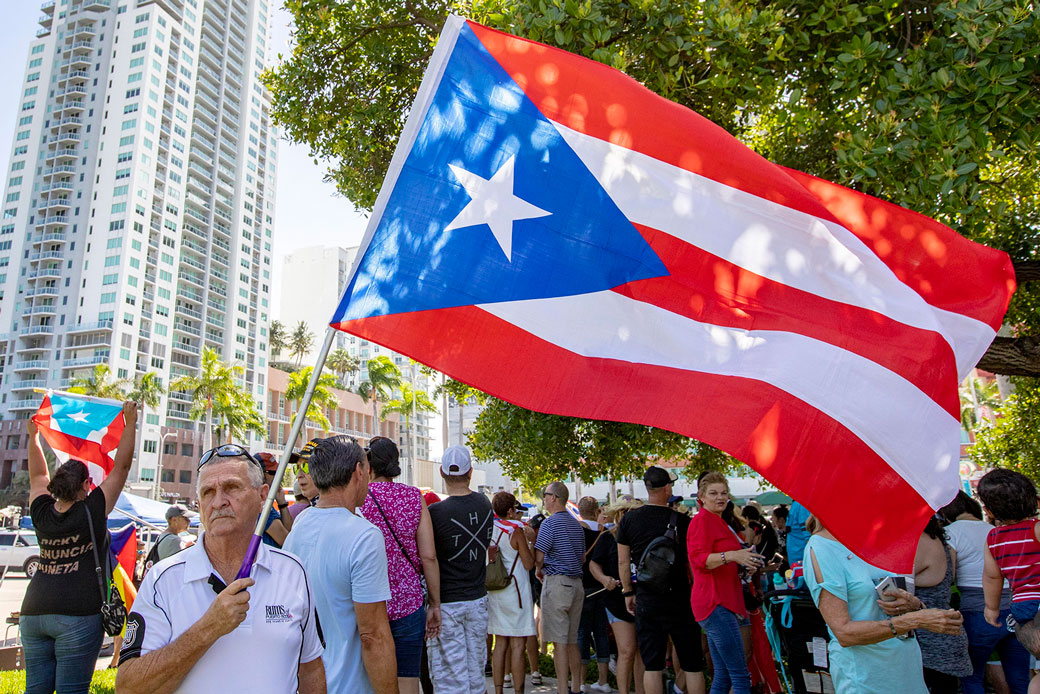
The Ongoing Debate: Statehood, Independence, and Representation
Aspirations for Change
The question of Puerto Rico’s political future is a persistent and often passionate topic of discussion among its residents and within the broader US political sphere. The desire for greater self-determination and full voting rights is a driving force behind these discussions.
Statehood Movement
The statehood movement advocates for Puerto Rico to become the 51st US state. Proponents argue that statehood would grant Puerto Ricans full voting representation in Congress and the ability to vote for the President. They believe this would bring economic benefits, greater equality, and a more secure political future. Referendums on statehood have been held in Puerto Rico on multiple occasions, with varying degrees of support and participation.
Independence Movement
Another significant political group advocates for the independence of Puerto Rico from the United States. This movement seeks full sovereignty and the establishment of Puerto Rico as a self-governing nation. Supporters believe that independence would allow Puerto Rico to forge its own economic and foreign policy, free from the constraints of territorial status.
Current Status and its Challenges
The existing commonwealth status, while offering some level of autonomy, is seen by many as an untenable position. The lack of full voting rights in US elections and the ultimate authority of Congress create a sense of political marginalization. This is compounded by economic challenges, including significant debt, that have plagued the island in recent years. The ongoing economic struggles often intersect with the political debate, as proponents of different status options propose their visions as solutions.
International and Travel Perspectives
Beyond the political ramifications, Puerto Rico’s status also influences how it is perceived internationally and by travelers. As a US territory, Puerto Rico is easily accessible for US citizens, who do not need a passport to travel between the island and the mainland. This ease of travel has contributed to Puerto Rico’s popularity as a tourist destination, offering a vibrant blend of Caribbean culture, rich history, and stunning natural beauty.
Visitors can explore historic sites like Old San Juan, with its colorful colonial architecture and ancient fortresses such as El Morro, or experience the lush rainforest of El Yunque National Forest. The island boasts a diverse range of accommodations, from luxury resorts like the Dorado Beach, a Ritz-Carlton Reserve, to charming boutique hotels and vacation rentals, catering to various travel styles and budgets. The culinary scene is equally enticing, with influences from Spanish, African, and Taíno traditions, offering delicious dishes like mofongo and lechón.
The unique cultural heritage of Puerto Rico, a fusion of indigenous, European, and African influences, is evident in its music, dance, festivals, and daily life. This rich tapestry of traditions makes Puerto Rico a captivating destination for those seeking an immersive cultural experience.
However, the ongoing political and economic uncertainties can sometimes cast a shadow. While tourism remains a vital sector for the island’s economy, the long-term stability and development are intrinsically linked to the resolution of its political status. The vibrant spirit and resilience of the Puerto Rican people continue to shine through, making it a compelling place to visit and understand.
In conclusion, while Puerto Rico is an integral part of the United States in many respects, its residents do not vote in the general US elections, particularly the presidential election. This is a direct consequence of its territorial status, a situation that continues to be a focal point of political debate and a significant aspect of the Puerto Rican identity. The island’s future, and the extent of its citizens’ participation in US democracy, remains a subject of ongoing discussion and aspiration.
LifeOutOfTheBox is a participant in the Amazon Services LLC Associates Program, an affiliate advertising program designed to provide a means for sites to earn advertising fees by advertising and linking to Amazon.com. Amazon, the Amazon logo, AmazonSupply, and the AmazonSupply logo are trademarks of Amazon.com, Inc. or its affiliates. As an Amazon Associate we earn affiliate commissions from qualifying purchases.