
San Francisco, a city renowned for its iconic landmarks, vibrant culture, and unique microclimates, often conjures images of rolling fog, historic cable cars, and the majestic Golden Gate Bridge. Yet, a question frequently surfaces, particularly among those planning a winter escape or curious about extreme weather events: “Does San Francisco get snow?” The simple, definitive answer for most visitors and residents is: almost never. While the dream of a snow-dusted Golden Gate Bridge makes for a picturesque fantasy, the reality of San Francisco’s climate makes such an event an exceedingly rare occurrence, almost a meteorological myth.
This article delves into the fascinating climate of the City by the Bay, exploring the historical instances of snowfall, explaining why it’s such an infrequent phenomenon, and guiding travelers on what truly to expect from the weather when planning their visit. From understanding the city’s unique microclimates to preparing for its characteristic fog and cool breezes, we’ll equip you with all the knowledge needed to enjoy your San Francisco adventure, snow or no snow.
The Myth and Reality of Snow in San Francisco
The very idea of snow falling in San Francisco often sparks disbelief or an excited “really?” among those unfamiliar with its weather patterns. For a city synonymous with moderate temperatures year-round, significant snowfall feels like an anomaly from a different climate zone entirely.
A Climate of Mildness, Not Winter Wonderlands
San Francisco enjoys a Mediterranean climate, characterized by mild, wet winters and dry, cool summers. This is largely due to its proximity to the Pacific Ocean and the moderating influence of the San Francisco Bay. Unlike cities further inland in the United States or at higher latitudes, San Francisco rarely experiences the prolonged periods of freezing temperatures necessary for sustained snowfall.
The Pacific Ocean acts as a giant thermostat, keeping winter temperatures generally above freezing and summer temperatures refreshingly cool. Average winter lows hover around 45-50°F (7-10°C), while average highs are in the mid-50s to low 60s°F (12-17°C). To put it simply, for snow to fall and stick, temperatures need to be at or below freezing (32°F or 0°C) from the cloud level all the way down to the ground. These conditions are exceptionally uncommon in San Francisco’s immediate coastal areas.
Instead of snow, San Francisco’s winters are defined by rain. The wet season typically runs from November through March, bringing much-needed precipitation to the region. This rain, combined with the often-present fog, creates a verdant landscape even in the cooler months, a striking contrast to the snow-covered scenes found in other parts of the world.
Tracing the Rare Flurries: A Historical Perspective
While a winter wonderland is not the norm, San Francisco has indeed seen snow, albeit fleetingly and rarely. These events are so rare that they become local legends, talked about for decades. Records show that measurable snowfall, meaning enough to accumulate and be officially recorded, has occurred only a handful of times in the city’s history.
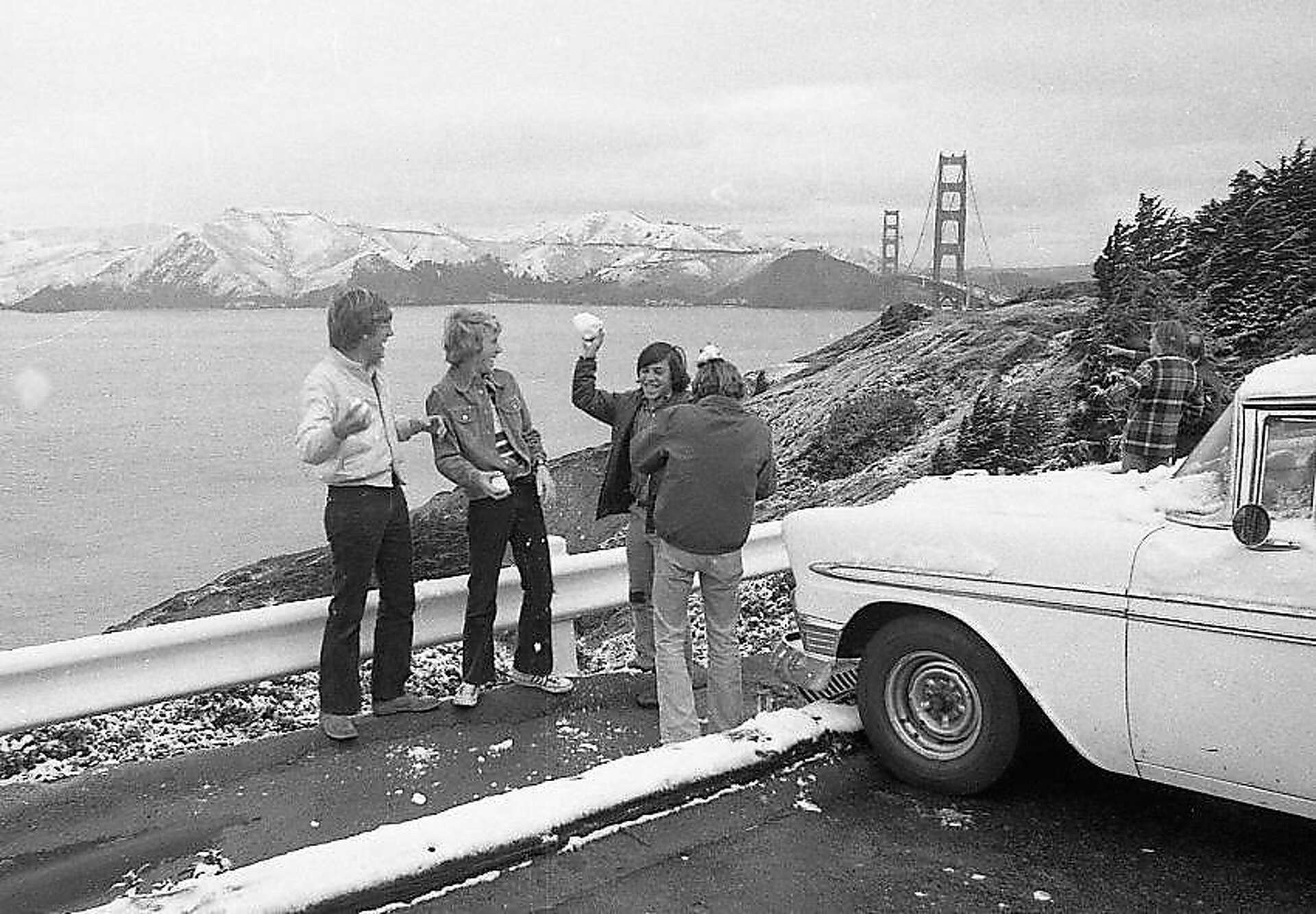
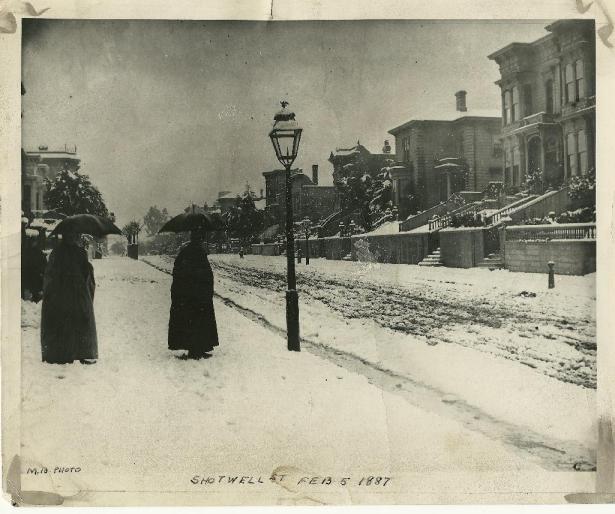
One of the earliest documented snowfalls was on February 5, 1887, when several inches blanketed the city. This remains one of the most significant snow events. Subsequent minor dustings occurred on February 7, 1951, and again on February 5, 1976. The 1976 event is particularly vivid in the memories of many older residents, as it brought enough accumulation to allow for impromptu snowball fights and unique photographs of city landmarks lightly covered in white. The most recent recorded snowfall was a light dusting on February 28, 2011, which mainly affected higher elevations like Twin Peaks and Mount Davidson, melting almost as soon as it hit the ground in most areas.
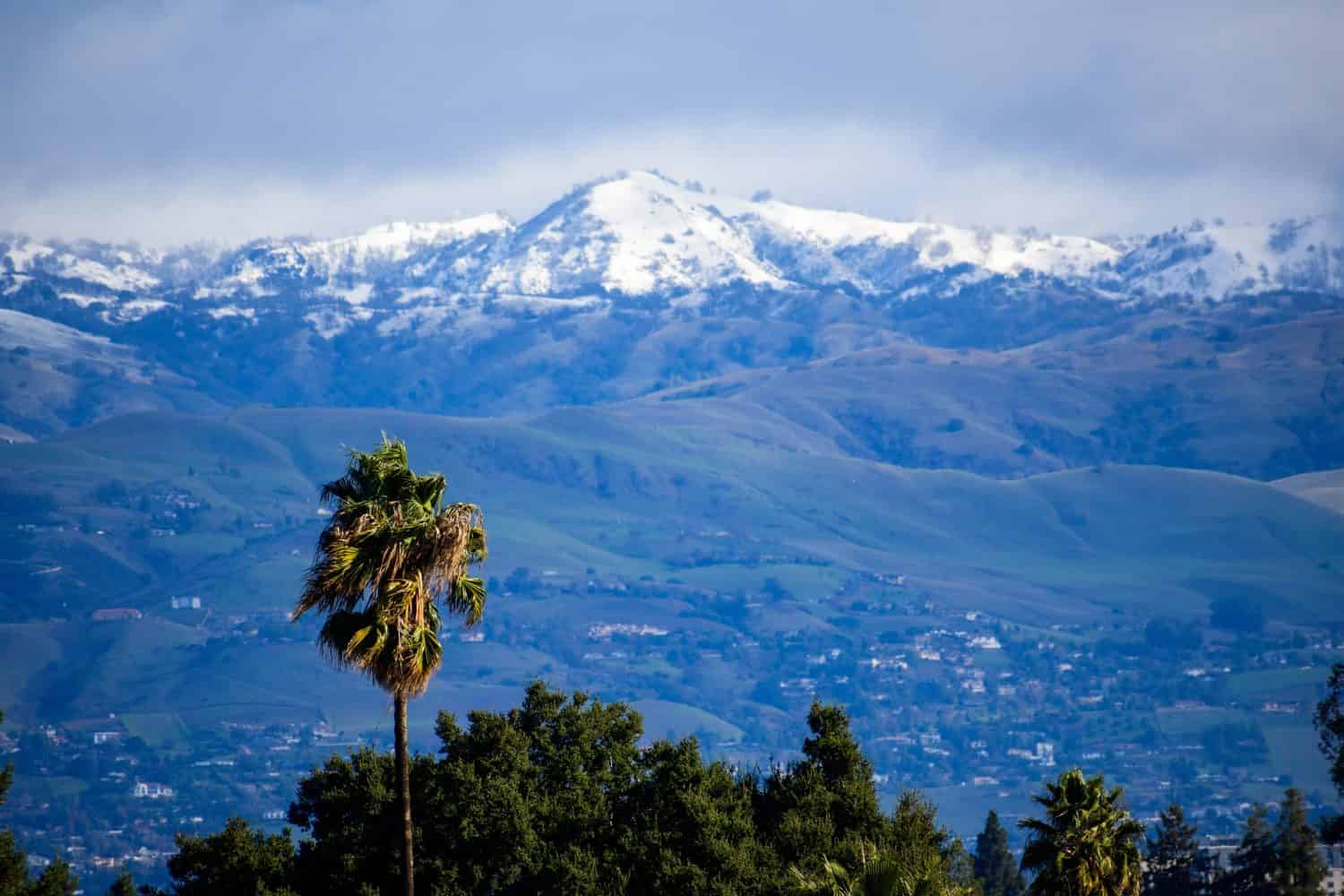
These rare occurrences share common characteristics: they typically happen when an unusually cold storm system from the Gulf of Alaska or the Arctic dips far south into California, combined with sufficient moisture. Even then, the snow is usually limited to the city’s highest hills, such as Mount Davidson (at 928 feet, the city’s highest point) and Twin Peaks. For the vast majority of the city, especially near sea level, any precipitation that falls during these cold snaps is typically in the form of cold rain or hail, not snow.
For travelers hoping to experience snow in California, destinations like the Sierra Nevada mountains, home to popular resorts around Lake Tahoe and within Yosemite National Park, offer abundant snowfall and opportunities for winter sports. San Francisco simply isn’t the place for a snowy getaway.
Understanding San Francisco’s Unique Microclimates
To truly appreciate San Francisco’s weather and why snow is such a rarity, one must understand its fascinating microclimates. The city’s geography and position at the tip of a peninsula create a tapestry of distinct weather zones within a relatively small area.
The Influences of the Pacific Ocean and Bay Area Topography
The primary influencer on San Francisco’s climate is the Pacific Ocean. The cold currents offshore keep coastal temperatures cool and stable throughout the year. As warm air from inland areas rises, it draws in cool, moist air from the ocean, leading to the formation of the famous San Francisco fog, often affectionately called “Karl the Fog.” This marine layer acts as a natural air conditioner, especially during the summer months when many other parts of California swelter under high temperatures.
The city’s topography also plays a crucial role. San Francisco is built on more than 40 hills, and these elevation changes create noticeable differences in weather from one neighborhood to another. Areas closer to the Pacific Ocean, such as the Sunset District or Richmond District, are typically foggier and cooler than neighborhoods further inland and shielded by hills, like the Mission District or Potrero Hill, which often experience more sunshine and slightly warmer temperatures. This means that while one part of the city might be shrouded in a cool mist, another might be bathed in sunshine just a few miles away.
What to Expect: Fog, Rain, and Cool Breezes
Instead of packing for snow, visitors to San Francisco should prepare for a climate dominated by fog, rain (especially in winter), and cool breezes.
- Fog: The iconic San Francisco fog is most prevalent during the late spring and summer months (June, July, August), often rolling in during the late afternoon or evening and burning off by midday. While it contributes to the city’s mystique, it also brings a noticeable chill, even on what might appear to be a sunny day inland.
- Rain: The winter months (November to March) constitute the rainy season. While downpours can occur, more often, it’s a steady drizzle or intermittent showers. This is crucial for sustaining California’s water supply, but it also means travelers should always carry an umbrella or rain jacket during these months.
- Cool Breezes: Given its coastal location and the consistent marine influence, San Francisco is almost perpetually breezy. These winds can make even mild temperatures feel significantly cooler, necessitating layers regardless of the season.
Understanding these characteristics is key to a comfortable and enjoyable visit. Forget the heavy winter coats and snow boots; think layers, waterproof outerwear, and comfortable walking shoes.
Planning Your San Francisco Trip: Beyond the Snow
Since snow is not a factor for the vast majority of San Francisco visits, planning your trip should focus on embracing its true weather patterns and diverse attractions. The city offers an incredible array of experiences, rain or shine, fog or sun.
Embrace the Layers: Packing Essentials for Every Season
The golden rule for packing for San Francisco is “layers, layers, layers.” This advice is universal, regardless of the time of year you visit. Even on what seems like a warm, sunny morning, temperatures can drop quickly when the fog rolls in or the sun sets.
Essential packing items include:
- Light to medium-weight jacket: A windbreaker, fleece, or a light insulated jacket is a must.
- Sweaters or cardigans: Perfect for adding warmth over t-shirts or blouses.
- Long-sleeved shirts: Versatile for varying temperatures.
- Comfortable walking shoes: San Francisco is a city best explored on foot, and you’ll encounter plenty of hills.
- Rain gear: An umbrella or waterproof jacket is advisable, especially from November to March.
- Scarf: A lightweight scarf can provide extra warmth and protection from the breeze.
This approach ensures you can easily adjust your clothing throughout the day as the microclimates shift, keeping you comfortable whether you’re strolling along the Embarcadero or exploring the heights of Coit Tower.
Year-Round Activities and Iconic Attractions
San Francisco’s appeal lies in its enduring attractions and vibrant atmosphere, which remain accessible and enjoyable irrespective of the weather. There’s always something to do, rain, fog, or shine.
- Landmarks: The Golden Gate Bridge is a marvel in any weather, offering dramatic views even when shrouded in fog. A visit to Alcatraz Island is a captivating historical experience.
- Cultural Hotspots: Explore world-class museums like the California Academy of Sciences and the De Young Museum within Golden Gate Park, or the Exploratorium on Pier 15. The Legion of Honor Museum offers stunning art and panoramic views.
- Neighborhood Exploration: Wander through the bustling streets of Chinatown, savor Italian delicacies in North Beach, or discover the colorful murals and vibrant culture of the Mission District.
- Culinary Adventures: San Francisco is a foodie paradise, offering everything from fresh seafood at Fisherman’s Wharf (don’t miss the sourdough bread bowls!) to gourmet dining and diverse ethnic cuisines throughout the city. A visit to Ghirardelli Square for chocolate is a must.
- Unique Experiences: Ride a historic cable car up the steep hills, visit the sea lions at Pier 39, or marvel at the crooked turns of Lombard Street.
For those seeking nature just outside the city, a short drive across the Golden Gate Bridge leads to the majestic redwoods of Muir Woods National Monument or the stunning coastal vistas of the Marin Headlands within the Golden Gate National Recreation Area.
Seasonal Highlights: When to Visit for the Best Experience
While San Francisco is a year-round destination, certain seasons offer distinct advantages:
- Spring (April to May): Often considered one of the best times to visit. The rainy season is tapering off, flowers are in bloom, and the fog is less prevalent than in summer. Temperatures are mild, making it ideal for outdoor exploration.
- Summer (June to August): Despite being summer, these months are surprisingly cool and foggy in San Francisco. If you prefer cooler temperatures and don’t mind the fog, it’s a great time. However, it’s also peak tourist season, so expect larger crowds and higher prices for accommodation and flights.
- Fall (September to November): This is arguably the most delightful season. “Indian Summer” often brings the warmest, clearest days of the year, with less fog and pleasant temperatures well into October. The crowds start to thin after Labor Day, making it an excellent time for a more relaxed visit.
- Winter (December to March): The rainy season, but temperatures remain mild, rarely dropping below freezing. While you’ll need rain gear, winter offers fewer crowds, cozy indoor activities, and a chance to experience the city’s holiday festivities without the chill of truly cold climates. It’s also an excellent time to find better deals on flights and hotels.
No matter when you visit, San Francisco’s charm is undeniable, offering a unique blend of urban sophistication and natural beauty.
Experiencing San Francisco: A City of Diverse Charms
Far from being a snowy destination, San Francisco offers a rich tapestry of travel and lifestyle experiences. Its unique climate only adds to its character, demanding a flexible approach to packing but rewarding visitors with a city that truly stands apart.
From Golden Gate Views to Culinary Delights
A trip to San Francisco is an immersive experience in diverse cultures, stunning vistas, and innovative cuisine. Whether you’re admiring the iconic Golden Gate Bridge from Crissy Field or enjoying a Michelin-starred meal in SOMA, the city promises memorable moments. Its distinct neighborhoods, from the historic charm of Nob Hill to the bustling energy of Union Square, each tell a different story and offer a unique perspective on San Francisco life.
For the adventurous traveler, there are countless opportunities for outdoor activities, from cycling across the bridge to exploring Golden Gate Park. For those interested in local culture, the city’s many festivals, art galleries, and live music venues provide endless entertainment. And for foodies, the options are limitless, reflecting California’s bounty and the city’s global influences.
Choosing Your Perfect Stay: Accommodation Options in the Fog City
San Francisco’s accommodation landscape is as diverse as its neighborhoods, catering to every travel style and budget. From luxurious hotels offering panoramic bay views to charming boutique guesthouses and convenient long-term stay apartments, the city provides a multitude of options for your base.
- Luxury Travel: For an upscale experience, consider hotels in areas like Union Square or Nob Hill, known for their opulent amenities, concierge services, and proximity to high-end shopping and dining. These often feature exquisite suites and resorts that cater to discerning travelers.
- Budget Travel: More economical options can be found in neighborhoods such as the Tenderloin or near Civic Center, offering comfortable yet affordable stays. Hostels and budget hotels are also available for those looking to maximize their travel funds.
- Family Trips: Apartments or vacation rentals often provide more space and amenities for families, allowing for a home-away-from-home experience. Areas like Fisherman’s Wharf or Marina District are popular for their family-friendly attractions and accessibility.
- Business Stays: Hotels in the Financial District or SOMA cater to business travelers, offering state-of-the-art facilities, meeting rooms, and efficient access to corporate hubs.
Booking in advance, especially during peak season or around major events, is always recommended to secure the best rates and desired locations. Reading reviews and comparing options on specialized platforms can help ensure your accommodation perfectly complements your San Francisco itinerary.
In conclusion, while the idea of snow in San Francisco might pique curiosity, it remains an almost non-existent feature of its climate. The city’s true charm lies in its consistent mildness, its iconic fog, and the vibrant array of experiences it offers year-round. So, pack your layers, prepare for a captivating journey through its unique microclimates, and immerse yourself in the unforgettable beauty and culture of San Francisco, a city that truly needs no snow to sparkle.
LifeOutOfTheBox is a participant in the Amazon Services LLC Associates Program, an affiliate advertising program designed to provide a means for sites to earn advertising fees by advertising and linking to Amazon.com. Amazon, the Amazon logo, AmazonSupply, and the AmazonSupply logo are trademarks of Amazon.com, Inc. or its affiliates. As an Amazon Associate we earn affiliate commissions from qualifying purchases.