
The emerald city, a vibrant hub of innovation and culture, often conjures images of misty mornings and perpetual rain. Nestled on the Puget Sound, Seattle, Washington, boasts a temperate maritime climate that generally shields it from the harsh extremes experienced by many other United States cities. However, this doesn’t mean Seattle is entirely devoid of wintry beauty. The question of whether Seattle gets snow is a nuanced one, depending on your definition of “snow” and the specific winter you’re experiencing. While heavy, prolonged snowfall is uncommon, light dustings are not unheard of, and when it does snow, the city transforms into a magical, albeit often short-lived, winter wonderland.
Understanding Seattle’s Climate
To truly answer whether Seattle gets snow, it’s crucial to understand the climatic forces at play. Seattle‘s weather is heavily influenced by the Pacific Ocean. The warm, moist air from the ocean moderates temperatures, preventing them from dropping drastically enough for widespread, persistent snow accumulation. The Olympic Mountains and Cascade Mountains to the west and east, respectively, also play a significant role. These mountain ranges often act as natural barriers, diverting much of the more severe weather systems away from the city.
The city’s average annual precipitation is quite high, but the majority of it falls as rain, particularly during the cooler months from October through May. Snowfall is a less frequent visitor, and when it does arrive, it tends to be in the form of light flurries or brief, intermittent snow showers. The rarity of significant snowfall contributes to Seattle‘s unique charm and its distinct relationship with winter. Locals often embrace the occasional snowy day as a special event, a break from the usual gray skies.
When Does Seattle Typically See Snow?
The window for potential snowfall in Seattle generally falls between late November and early March. However, the likelihood and intensity of snow during this period can vary dramatically from year to year. Some winters might see only a few fleeting flakes that melt upon contact with the ground, while others might experience a couple of significant snow events that can bring the city to a standstill.
Heading3: The Average Snowfall in Seattle
On average, Seattle receives only about 6.8 inches of snow per year. This figure, however, can be misleading as it’s an average across many years, some with virtually no snow and others with more substantial accumulations. For context, cities like Chicago, Illinois, or Denver, Colorado, receive significantly more snow annually, often exceeding 30-50 inches. This makes Seattle a relatively dry winter destination in terms of snowfall.
The weather patterns that lead to snow in Seattle often involve a cold air mass colliding with moisture-laden air from the Pacific. This can result in a phenomenon known as “lake-effect snow” when cold air moves over the relatively warmer waters of Puget Sound, or more commonly, general winter storms that bring a mix of rain and snow. The elevation of different neighborhoods within Seattle can also influence snowfall. Areas at higher elevations, such as those in the Queen Anne or Magnolia neighborhoods, might experience slightly more snow than areas closer to the water.
Heading3: Factors Influencing Snowfall
Several factors contribute to the variability of snowfall in Seattle:
- Pacific Northwest Jet Stream: The position and strength of the jet stream play a crucial role. When the jet stream dips south, it can bring colder air into the region, increasing the chances of snow. Conversely, when it stays further north, Seattle tends to remain milder.
- El Niño/La Niña: These oceanic phenomena can influence weather patterns across the globe, including in the Pacific Northwest. A strong El Niño year, for instance, can sometimes lead to milder, wetter winters in Seattle, potentially reducing snowfall.
- Arctic Outbreaks: While rare, incursions of very cold air from the Arctic can significantly lower temperatures and increase the likelihood of snow, even if the moisture content is not exceptionally high.

Experiencing Snow in Seattle: What to Expect
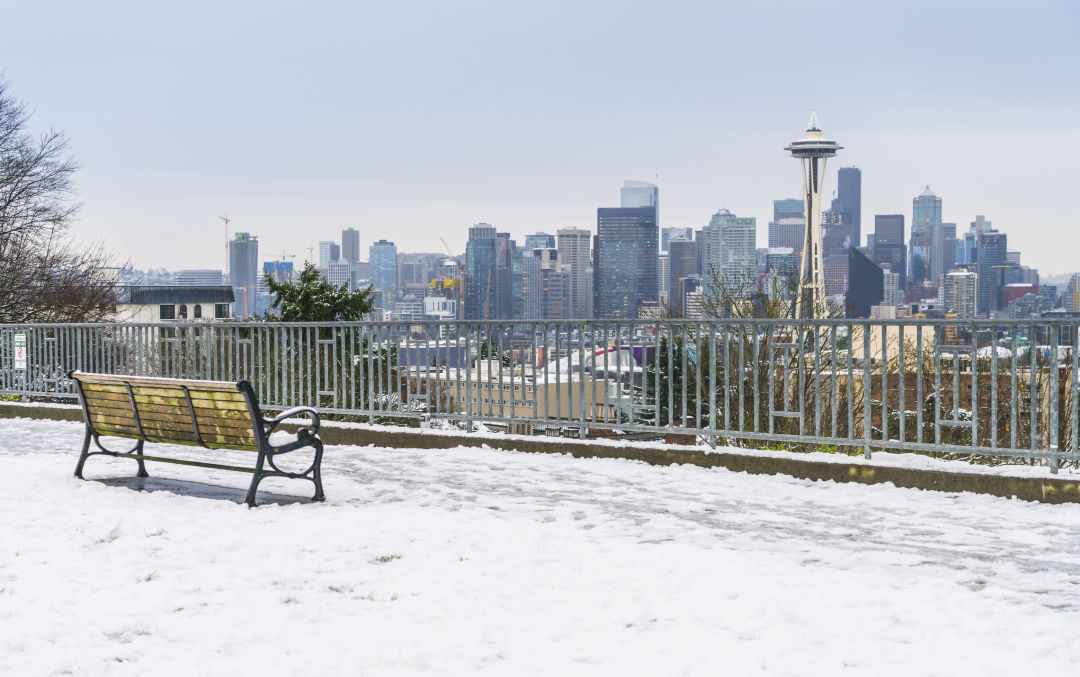
When snow does grace Seattle with its presence, the city undergoes a charming transformation. The typical overcast skies often take on a softer, more ethereal quality, and the iconic skyline, including landmarks like the Space Needle, can be dusted with a pristine white blanket.
Heading3: Snowfall Events and Their Impact
Snowfall events in Seattle are often memorable due to their relative infrequency. A few inches of snow can be enough to cause considerable disruption to daily life, primarily because the city and its residents are not as accustomed to dealing with significant snow accumulation as in snowier regions.
- Transportation: Roads can become slick and challenging to navigate, leading to traffic delays and sometimes school closures. Public transportation, while generally resilient, can also experience disruptions. Many Seattleites don’t own snow tires or chains, making driving in snowy conditions a concern.
- Activities: For those who enjoy winter sports, a snowfall can present an opportunity. While Seattle itself isn’t a ski resort, nearby areas in the Cascade Mountains, such as Snoqualmie Pass, offer excellent skiing and snowboarding opportunities. Within the city, parks like Discovery Park can become beautiful, albeit temporary, snow-covered landscapes perfect for a quiet walk or a playful snowball fight.
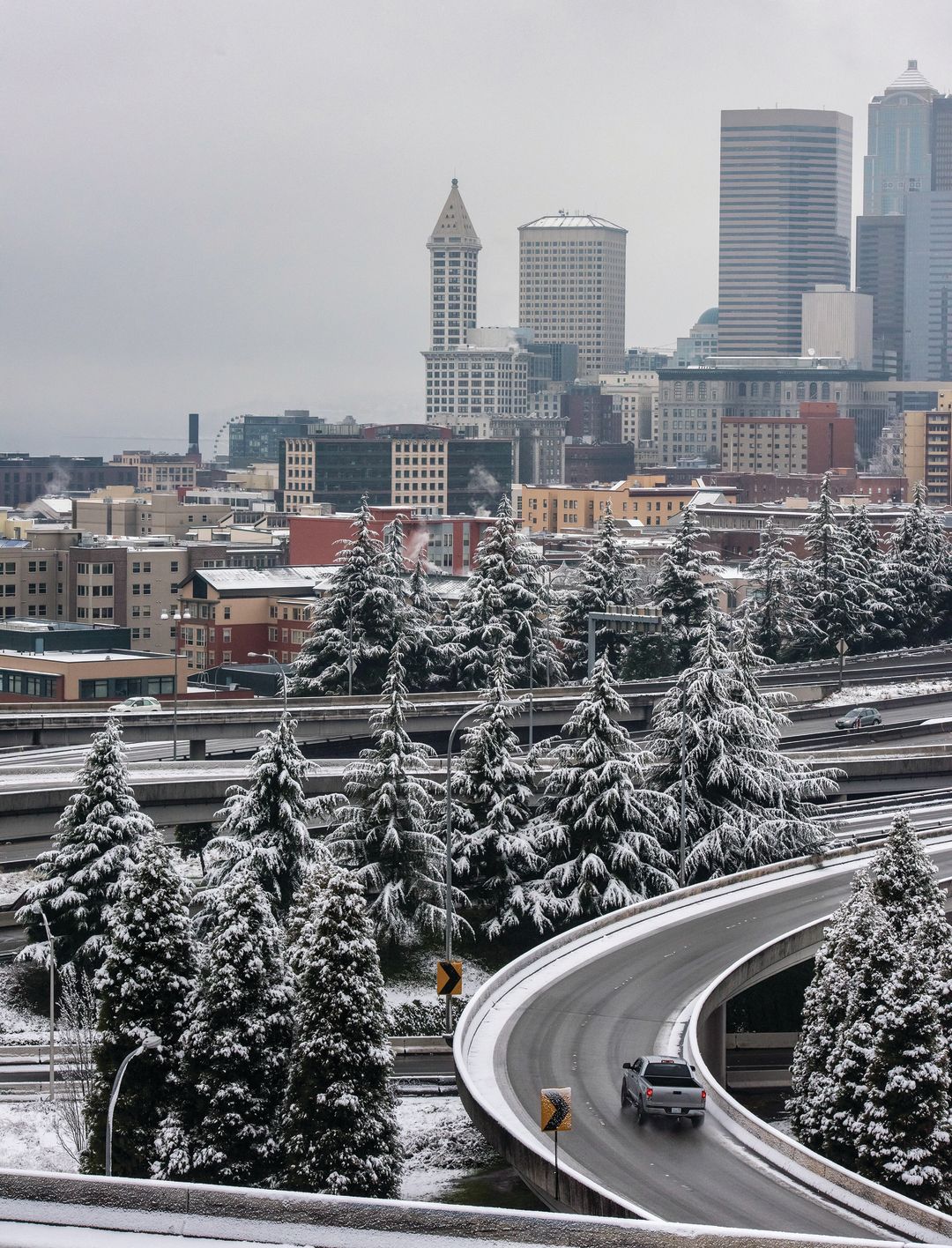
- Ambiance: The visual appeal of a snow-covered Seattle is undeniable. The evergreen trees, so characteristic of the Pacific Northwest, stand out beautifully against the white backdrop. Coffee shops, a staple of Seattle culture, become even more inviting havens from the cold, with the aroma of freshly brewed coffee filling the air.
Heading3: Beyond the Snow: Winter in Seattle
Even in winters with minimal snow, Seattle offers a wealth of experiences for visitors and locals alike. The city’s vibrant cultural scene continues to thrive, with numerous museums, art galleries, and theaters providing indoor activities. Explore the bustling Pike Place Market, enjoy world-class cuisine, or delve into the city’s rich musical history.
For those seeking accommodation, Seattle offers a diverse range of options to suit every traveler’s needs. From luxurious hotels in the downtown core offering stunning city views to cozy apartments and boutique inns in charming neighborhoods, there’s a place for everyone. Consider staying at a hotel near the waterfront for breathtaking views of Puget Sound, or opt for a more urban experience in the heart of the city. Many accommodations offer amenities that make a winter stay comfortable, such as fireplaces, indoor pools, and hot tubs – perfect for warming up after a day of exploring.
When planning a trip, checking the weather forecast closer to your travel dates is always advisable. While heavy snow is not a guarantee, the possibility exists, and being prepared can enhance your experience. Whether Seattle is dusted with a light coating of snow or bathed in its usual misty rain, the city’s unique charm and abundant attractions make it a captivating destination year-round. So, does Seattle, Washington, get snow? Yes, it does, though perhaps not as much as some might expect, making those snowy days all the more special.
LifeOutOfTheBox is a participant in the Amazon Services LLC Associates Program, an affiliate advertising program designed to provide a means for sites to earn advertising fees by advertising and linking to Amazon.com. Amazon, the Amazon logo, AmazonSupply, and the AmazonSupply logo are trademarks of Amazon.com, Inc. or its affiliates. As an Amazon Associate we earn affiliate commissions from qualifying purchases.