
For travelers considering a trip to the vast and scenic landscapes of South Dakota, understanding the financial implications of their visit is crucial. Beyond the allure of iconic landmarks and the promise of outdoor adventures, practical considerations like taxation play a significant role in budgeting and planning. One of the most common questions that arises for visitors, especially those accustomed to states with income tax, is whether South Dakota imposes a state income tax. The answer to this question directly impacts disposable income available for experiences, dining, and accommodations during a trip, making it a cornerstone of travel financial literacy for the Mount Rushmore State.
The Absence of State Income Tax: A Traveler’s Advantage
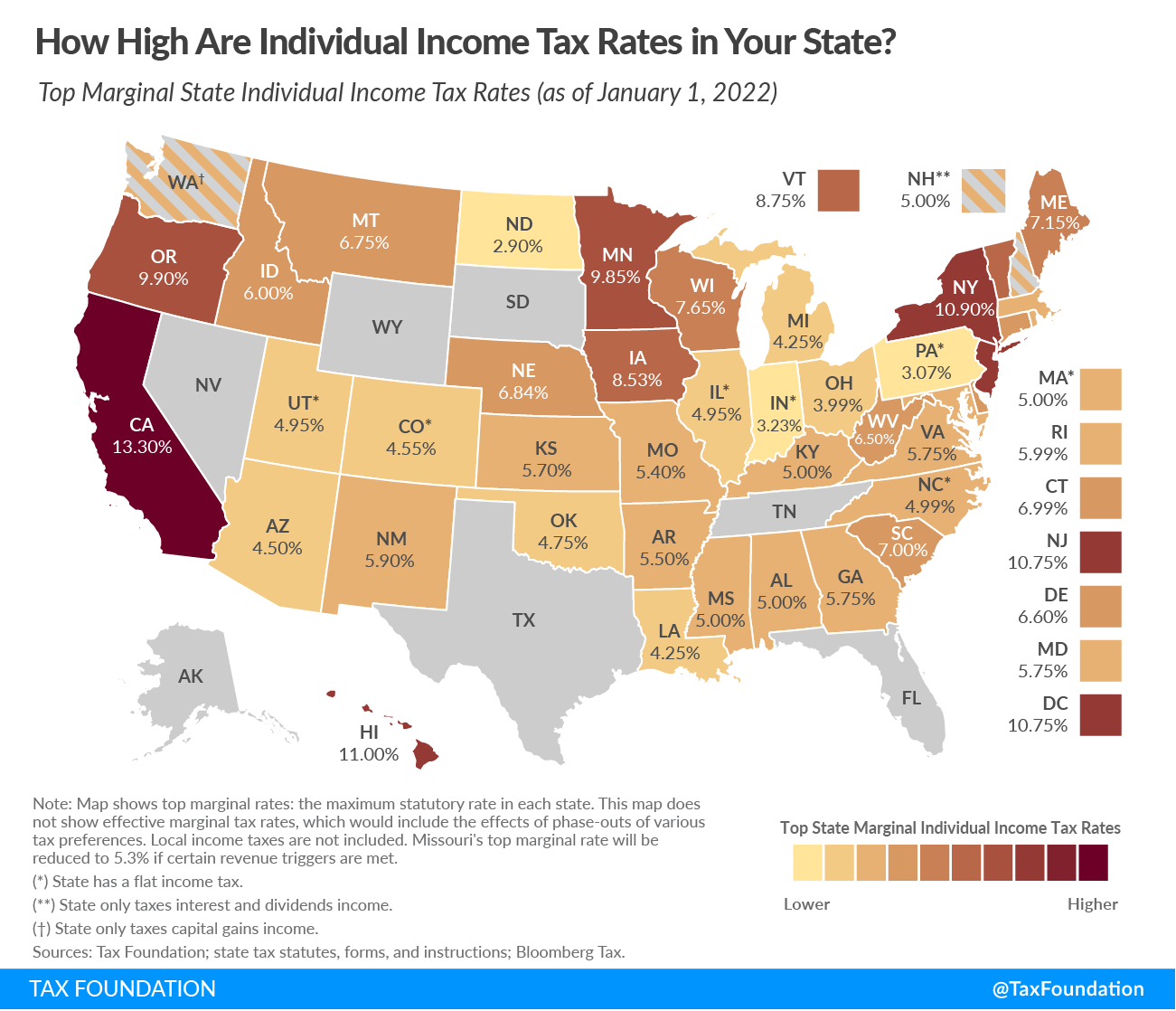
A significant and often celebrated aspect of South Dakota’s fiscal policy is its complete absence of a state income tax. This means that individuals earning income within South Dakota, whether they are residents or temporary visitors such as tourists, are not subject to state-level income tax deductions on their earnings. This can translate into more spending power for travelers, allowing them to allocate more of their budget towards enjoying the diverse attractions the state has to offer, from the dramatic formations of the Badlands National Park to the vibrant city life of Sioux Falls.
Implications for Tourist Spending
The lack of a state income tax has a direct and positive impact on the tourism sector. Visitors can stretch their travel dollars further, potentially leading to longer stays, more frequent visits, and increased engagement with local businesses. This financial freedom can encourage travelers to indulge in more activities, dine at a wider range of restaurants, and explore more of the state’s geographical and cultural offerings. For instance, a family planning a summer vacation might find they can afford an extra excursion to Deadwood for its historic charm or an extended stay at a resort near the Black Hills due to the savings on income tax.
How South Dakota Funds Public Services
If South Dakota does not collect income tax, a natural question arises: how does the state fund its essential public services, such as infrastructure, education, and public safety? The state relies heavily on other revenue streams, with the sales tax being a primary source of funding. This means that while individuals are not taxed on their income, they do pay sales tax on goods and services purchased within the state.
The Role of Sales Tax
South Dakota boasts a robust sales tax system that accounts for a substantial portion of its state revenue. This tax is levied on the retail sale of tangible personal property and certain services. For travelers, this translates to an additional percentage added to the cost of most purchases. The state’s general sales tax rate, combined with local option taxes, can vary depending on the specific locality visited. Understanding these rates is important for budgeting, especially when making significant purchases or planning for daily expenses. For example, a souvenir purchased in Keystone near Mount Rushmore will include state and local sales taxes, which differ from those in Rapid City.
Other Revenue Sources
In addition to sales tax, South Dakota generates revenue through various other taxes and fees. These include excise taxes on items like gasoline, cigarettes, and alcoholic beverages; property taxes, which are primarily levied at the local level to fund schools and other local services; and various licensing fees for businesses and vehicles. Severance taxes on the extraction of natural resources, such as gold and other minerals, also contribute to the state’s coffers. While these may not directly impact the average tourist’s immediate spending in the same way as sales tax, they are part of the broader financial framework that supports the state’s operations and its tourism infrastructure.
Financial Planning for Travelers to South Dakota
Knowing that South Dakota has no state income tax can significantly simplify financial planning for a trip. However, it’s essential to remain aware of other fiscal considerations to avoid unexpected expenses.
Budgeting for Sales Tax
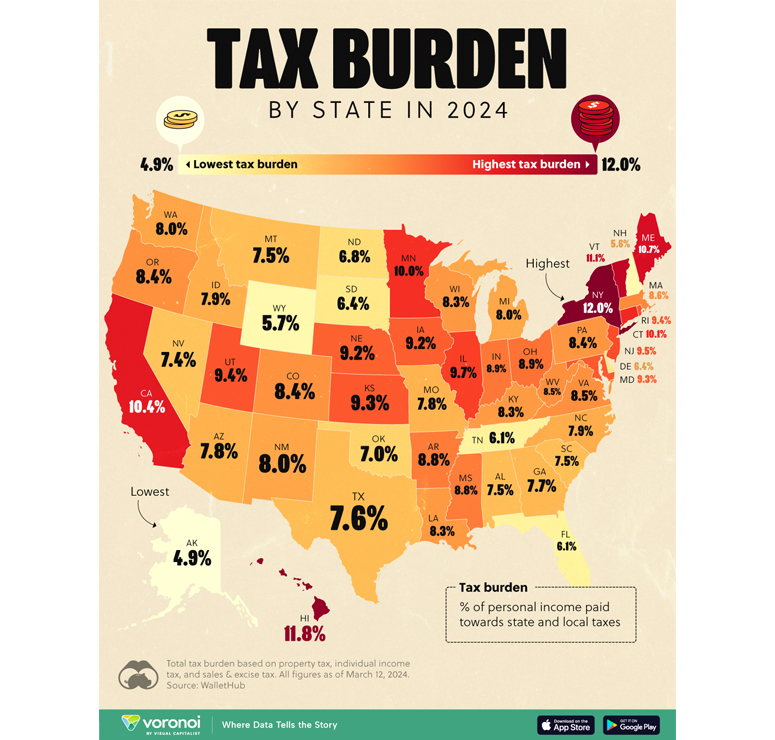
The most direct financial impact on travelers will be the sales tax. While the absence of income tax frees up spending, it’s wise to factor in the sales tax when budgeting for meals, accommodations, activities, and souvenirs. The state’s general sales tax rate is a starting point, but local taxes can increase the overall burden. Researching the sales tax rates for specific destinations within South Dakota, such as the popular tourist hubs of Custer or Wall, can help create a more accurate spending plan. For example, if a hotel stay in Sioux Falls costs $200 per night and the combined state and local sales tax rate is 8%, the total cost for the room will be $216. This incremental addition across various expenses can add up.
Maximizing Travel Value
The lack of state income tax allows travelers to allocate more of their discretionary funds towards enriching their travel experiences. This might mean choosing a slightly more upscale hotel like the Hotel Alex Johnson in Rapid City for a night, opting for guided tours of attractions like Wind Cave National Park, or enjoying fine dining experiences in cities like Aberdeen. The additional spending power can enhance the overall enjoyment and memorability of a South Dakota vacation. It also means that the money spent on attractions and services directly benefits the local economy, supporting the businesses that make South Dakota a compelling travel destination.
Understanding Business and Property Taxes
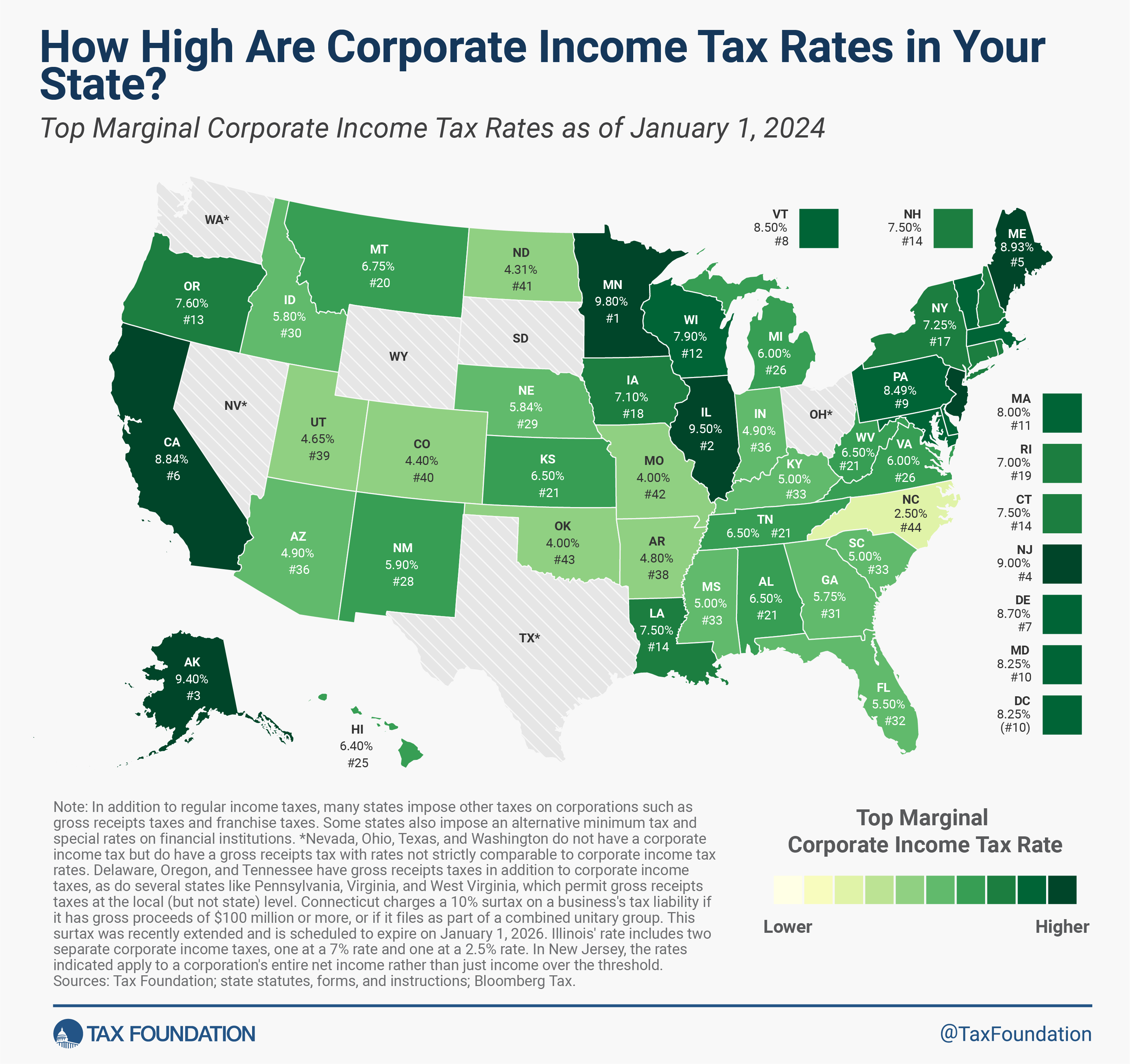
While travelers are not directly affected by South Dakota’s business and property taxes, these taxes are crucial for the state’s financial stability and the maintenance of its tourism infrastructure. Businesses operating in the state, including hotels, restaurants, and tour operators, contribute through various business taxes. Property taxes, while largely a local concern, fund essential services that contribute to the overall quality of life and visitor experience. For instance, well-maintained roads and public facilities, often funded by property taxes, are vital for seamless travel and exploration of attractions like the Crazy Horse Memorial.
Tourism in South Dakota: An Unburdened Experience
The absence of a state income tax contributes to South Dakota’s appeal as a cost-effective travel destination. This financial advantage, coupled with the state’s breathtaking natural beauty and rich history, creates a compelling case for visitors.
Natural Wonders and Historic Sites
From the iconic faces carved into Mount Rushmore National Memorial to the stark, otherworldly landscapes of the Badlands National Park, South Dakota offers a diverse array of natural and historical attractions. The Black Hills National Forest provides ample opportunities for hiking, camping, and scenic drives, while the historic town of Deadwood transports visitors back to the Wild West era. The savings from not paying state income tax can be reinvested into exploring these remarkable sites, perhaps by taking a guided tour through the granite spires of Custer State Park or spending an extra day exploring the dinosaur fossils at the Museum of the American West.
Cultural Experiences and Local Flavors
Beyond its natural grandeur, South Dakota boasts a vibrant cultural scene and unique local flavors. Visitors can immerse themselves in the rich heritage of the Lakota people at various cultural centers and events, explore the burgeoning arts scene in Sioux Falls, or sample regional culinary delights. The financial flexibility afforded by the absence of state income tax encourages travelers to engage more deeply with these cultural offerings, perhaps by attending a local festival, taking a cooking class focused on regional cuisine, or purchasing authentic artisan crafts. This enhanced engagement not only enriches the traveler’s experience but also provides vital support to local artists and businesses.
Accommodations and Amenities
When it comes to accommodations, South Dakota offers a wide range of options, from charming boutique hotels in historic towns to luxurious resorts nestled in scenic landscapes. The savings on state income tax can make it more feasible for travelers to choose accommodations that best suit their needs and preferences, whether it’s a family-friendly resort near Custer State Park or a comfortable hotel in the heart of Pierre, the state capital. For example, a traveler who might otherwise have to forgo a suite at a place like the Grand Gateway Hotel in Rapid City due to income tax considerations might now find it within their budget, allowing for a more comfortable and enjoyable stay. This increased purchasing power directly benefits the hospitality sector, which is a significant contributor to the state’s economy.
In conclusion, the absence of a state income tax in South Dakota presents a distinct financial advantage for travelers. This allows for greater flexibility in budgeting and the potential to allocate more funds towards experiencing the state’s diverse attractions, from its natural wonders to its cultural offerings and comfortable accommodations. While sales tax and other fees are present, the overall tax landscape can make South Dakota an attractive and financially accessible destination for a wide range of travelers.
LifeOutOfTheBox is a participant in the Amazon Services LLC Associates Program, an affiliate advertising program designed to provide a means for sites to earn advertising fees by advertising and linking to Amazon.com. Amazon, the Amazon logo, AmazonSupply, and the AmazonSupply logo are trademarks of Amazon.com, Inc. or its affiliates. As an Amazon Associate we earn affiliate commissions from qualifying purchases.