
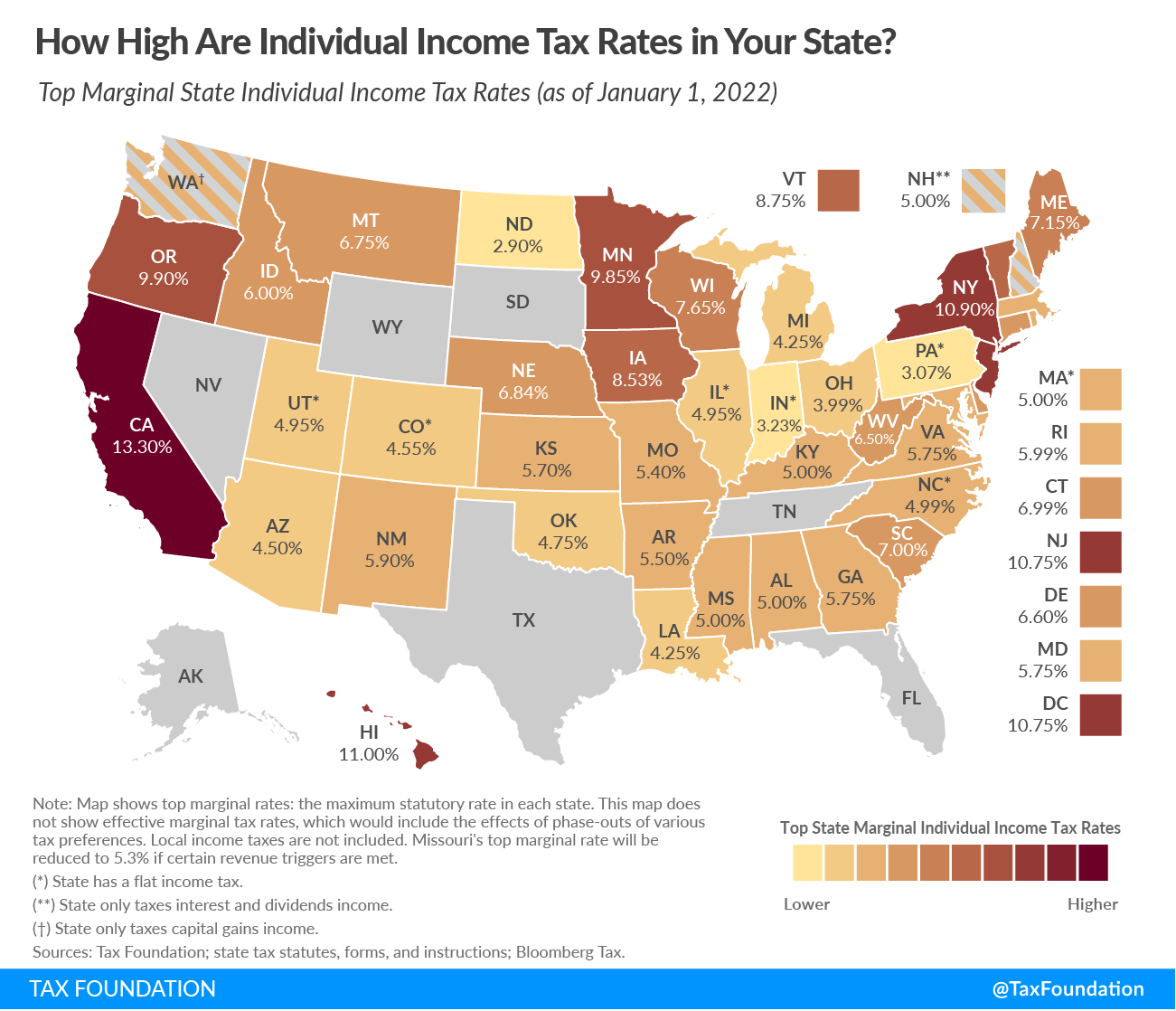
For individuals and businesses considering relocation, investment, or simply a change of scenery, understanding the local tax landscape is often a pivotal factor in decision-making. In the context of lifestyle planning, whether it involves budgeting for a long-term stay, establishing a new business, or planning for retirement, financial implications are paramount. So, does South Dakota impose a state income tax? The straightforward answer, and a significant point of attraction for many, is no. South Dakota stands as one of a handful of U.S. states that do not levy a personal income tax, a feature that profoundly impacts the financial lifestyle of its residents and the operational environment for businesses. This unique tax position plays a substantial role in shaping the economic fabric and quality of life within the state, offering distinct advantages that appeal to a diverse range of individuals and enterprises.
The Financial Landscape: An Overview of South Dakota’s Tax Structure
South Dakota’s approach to taxation is often highlighted by its absence of a personal income tax, but it’s crucial to understand the broader context of its fiscal policies. While this particular tax is missing, the state still generates revenue through other means, influencing the overall financial lifestyle and cost of living. This comprehensive understanding is essential for anyone considering calling South Dakota home or establishing a business presence there.
No Personal Income Tax: A Key Advantage
The absence of a state personal income tax is arguably South Dakota’s most prominent financial characteristic. This means that residents keep a larger portion of their earned income, dividends, interest, and capital gains that would otherwise be subject to state-level taxation. For many, especially those who prioritize financial autonomy and wealth accumulation, this is an incredibly attractive proposition. This policy directly enhances the financial lifestyle of individuals, allowing for greater discretionary spending, increased savings, or more significant investments. It’s a significant draw for remote workers who can choose their domicile, retirees seeking to maximize their fixed incomes, and entrepreneurs looking to optimize personal earnings from their ventures. The implications extend beyond just income; it affects overall financial planning, making South Dakota a popular choice for those focused on a particular economic lifestyle.
Other State Taxes to Consider
While the lack of personal income tax offers a substantial benefit, it’s important to recognize how South Dakota funds its public services. The state relies heavily on other forms of taxation to maintain its infrastructure, education, and social programs. The primary revenue generators include sales tax, property tax, and selective excise taxes.
- Sales Tax: South Dakota has a state sales tax that applies to most goods and services. Additionally, local jurisdictions, such as cities and counties, can impose their own sales taxes, leading to varying combined rates across the state. This means that while income isn’t taxed, consumption is. For individuals, particularly those on a budget travel lifestyle or a family trip, awareness of sales tax rates is crucial for daily expenses and significant purchases.
- Property Tax: Property taxes are levied by local governments (counties, municipalities, school districts) and can vary significantly depending on the location and the assessed value of the property. For individuals considering long-term accommodation or purchasing a home, understanding the local property tax rates is vital to assess the true cost of living and ownership. This tax directly impacts the housing component of one’s lifestyle, influencing affordability and investment decisions.
- Other Taxes: The state also collects excise taxes on certain goods and services, such as fuel, alcohol, and tobacco. There are also specific taxes on certain industries, like the financial sector, which contributes to the state’s revenue without directly impacting most individual residents. For businesses, understanding these industry-specific taxes is part of their operational planning.
The overall tax burden, when considering all state and local taxes, can still be competitive when compared to states with high income taxes. This balanced approach aims to create an attractive financial environment while ensuring necessary public services are funded.
Impact on Personal Lifestyle and Financial Planning
The absence of a state income tax in South Dakota has a profound ripple effect on personal financial planning and various lifestyle choices. From attracting specific demographics to offering budgetary benefits, this policy shapes how individuals live, save, and invest within the state.
Attracting Retirees and Remote Workers
South Dakota’s tax structure is particularly appealing to retirees. For those living on fixed incomes, pensions, or investments, the lack of state income tax means that their retirement funds are not diminished by state levies. This allows retirees to maximize their financial resources, enhancing their quality of life and potentially extending the longevity of their savings. It makes South Dakota a prime destination for individuals seeking a comfortable and financially secure retirement lifestyle.
Similarly, the rise of remote work has seen an increasing number of professionals gain the flexibility to live wherever they choose. For these digital nomads and remote employees, South Dakota presents an attractive option. By eliminating state income tax, these workers can effectively increase their take-home pay, regardless of where their employer is based. This freedom allows them to tailor their living arrangements to their financial goals, potentially opting for a higher quality of life, greater savings, or increased investment opportunities, all while maintaining their current employment. This contributes to a flexible and financially savvy lifestyle.
Budgetary Benefits for Residents
Beyond specific demographics, all residents of South Dakota stand to benefit from the absence of state income tax. The immediate advantage is more disposable income. This extra financial leeway can be channeled into various aspects of their lifestyle:
- Savings and Investments: Residents have more funds available to contribute to retirement accounts, investment portfolios, or emergency savings, bolstering their long-term financial security.
- Debt Reduction: The increased income can accelerate debt repayment, leading to greater financial freedom sooner.
- Discretionary Spending: More disposable income allows for greater spending on leisure activities, hobbies, travel, or family experiences, enriching daily life and contributing to a fulfilling lifestyle. This could range from budget travel within the state to more luxurious pursuits.
- Starting a Family/Education: For families, the tax savings can ease the financial burden of raising children, contributing to college funds, or supporting other educational endeavors.
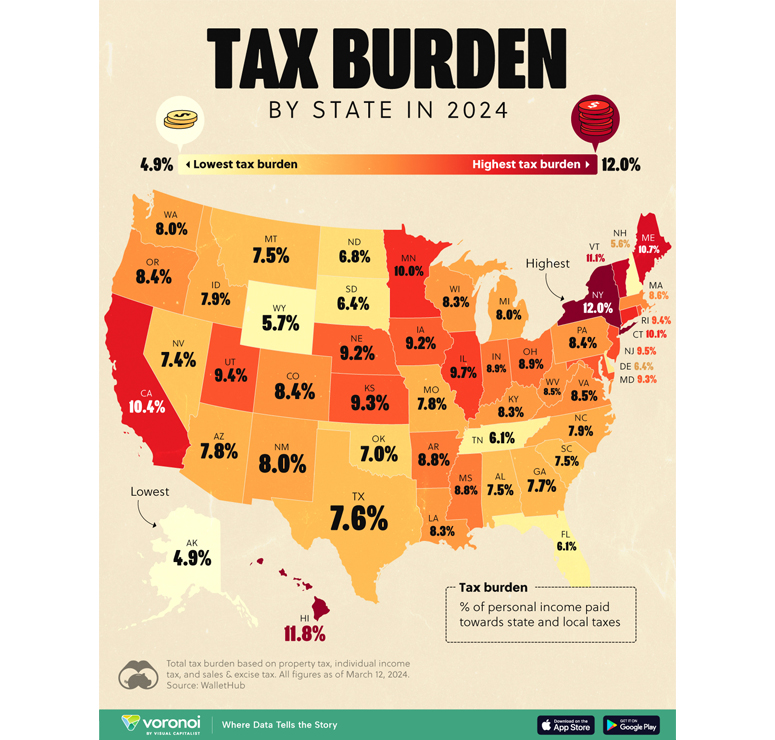
While sales and property taxes exist, many find the overall financial benefit of no state income tax to be a net positive, especially when property values and sales tax rates are considered against potential income tax burdens in other states. This balance often results in a more budget-friendly lifestyle for many residents.
Business Environment and Economic Growth
The tax policy in South Dakota extends its influence beyond individual finances, profoundly shaping the state’s business environment. For entrepreneurs, corporations, and small business owners, the state offers a distinct set of advantages that foster economic growth and attract investment, making it an appealing location for business stays and long-term establishment.
Favorable Climate for Entrepreneurs and Corporations
South Dakota not only lacks a personal income tax but also generally avoids many of the corporate income and franchise taxes found in other states. While there are some business-specific taxes, particularly for financial institutions, the overall environment is designed to be business-friendly. This translates into several key advantages for companies:
- Reduced Operational Costs: Without state corporate income tax, businesses can retain a larger portion of their profits, which can be reinvested into growth, research and development, employee salaries, or expansion. This directly impacts a company’s financial health and its ability to thrive, making it an attractive location for business establishment and long-term operation.
- Attracting Talent: The lack of personal income tax can also be an indirect draw for businesses seeking to attract top talent. Employees benefit from higher take-home pay, making job offers in South Dakota more competitive even with comparable gross salaries.
- Streamlined Compliance: A simpler tax code, by eliminating income tax, can reduce the administrative burden and costs associated with tax compliance for businesses, allowing them to focus more on their core operations and innovation.
These factors combine to create a compelling proposition for entrepreneurs looking to start a new venture and for established corporations considering expansion or relocation. The business lifestyle in South Dakota is often characterized by less red tape and greater financial flexibility.
A Hub for Specific Industries
Due to its favorable tax and regulatory environment, South Dakota has strategically positioned itself as a hub for certain industries, particularly financial services. The state is renowned for its progressive banking and trust laws, which, combined with the absence of income tax, make it an attractive location for trust companies, credit card operations, and other financial institutions. This specialization has led to a robust financial sector that contributes significantly to the state’s economy.
Beyond finance, the agricultural sector remains a cornerstone of South Dakota’s economy. While not directly tied to income tax, the overall business-friendly climate supports the growth and innovation within this traditional industry. Furthermore, the state is making strides in attracting other sectors, leveraging its advantageous position to diversify its economic base and offer varied employment and business opportunities. This specialization fosters unique professional lifestyles and opportunities for business stays within these thriving industries.
Beyond Taxes: Quality of Life in South Dakota
While the tax advantages of South Dakota are a primary draw for many, a holistic view of the state’s appeal must also consider its quality of life. The financial benefits merge with natural beauty, community spirit, and a manageable cost of living to offer a distinct lifestyle that extends beyond mere monetary savings.
Natural Beauty and Outdoor Pursuits
South Dakota boasts a stunning and diverse natural landscape that caters to a wide array of outdoor enthusiasts. From the dramatic granite peaks of the Black Hills to the vast, rolling prairies and the serene Missouri River, the state offers countless opportunities for recreation. Residents can enjoy hiking, biking, fishing, hunting, boating, and skiing. Iconic landmarks such as Mount Rushmore and Badlands National Park attract visitors globally but are also readily accessible for locals seeking adventure and natural beauty. This rich outdoor environment supports an active and engaging lifestyle, offering a counterbalance to the financial focus and enhancing overall well-being. For those whose lifestyle includes frequent outdoor adventures or who seek a connection with nature, South Dakota provides an ideal backdrop.

Community and Cost of Living
The communities in South Dakota, from its largest cities like Sioux Falls and Rapid City to its charming small towns, are often characterized by a strong sense of community, friendly residents, and a slower, more deliberate pace of life. This creates an environment where neighbors know each other, and local events foster a strong sense of belonging. The relatively lower population density contributes to less traffic congestion and a generally more peaceful atmosphere, qualities highly valued by those seeking a respite from the hustle and bustle of larger metropolitan areas.
Furthermore, when combined with the tax advantages, the overall cost of living in South Dakota is often considered competitive. Housing costs, while varying by location, are generally more affordable than in many coastal or larger inland states. Daily expenses for groceries and utilities can also be lower. This combination of a strong community, access to nature, and an accessible cost of living, enhanced by the absence of state income tax, allows for a high quality of life that is both enriching and financially sustainable. This makes it an attractive place for families, retirees, and individuals looking for a balanced and fulfilling lifestyle.
In conclusion, South Dakota does not impose a state personal income tax, a defining feature that significantly impacts the financial decisions and lifestyle choices of its residents and businesses. This policy, combined with a supportive community, rich natural environment, and competitive cost of living, makes South Dakota an appealing destination for those seeking financial advantage alongside a high quality of life.
LifeOutOfTheBox is a participant in the Amazon Services LLC Associates Program, an affiliate advertising program designed to provide a means for sites to earn advertising fees by advertising and linking to Amazon.com. Amazon, the Amazon logo, AmazonSupply, and the AmazonSupply logo are trademarks of Amazon.com, Inc. or its affiliates. As an Amazon Associate we earn affiliate commissions from qualifying purchases.