
The question of whether Spring, Texas has zoning is more than just a matter of urban planning jargon; it delves into the very fabric of its identity, impacting everything from its charming streetscapes to its burgeoning hospitality sector and the overall lifestyle it offers residents and visitors alike. Unlike many other municipalities across the United States, Spring, Texas, operates under a unique development paradigm, largely mirroring the non-zoning approach famously adopted by its larger neighbor, Houston. This distinctive characteristic shapes the travel experience, the types of accommodations available, and the very essence of what makes Spring a compelling destination.
For those venturing into Spring, whether for a weekend getaway, a business trip, or even considering a long-term stay, understanding this fundamental difference is crucial. It influences the diversity of attractions, the spontaneity of development, and the unique blend of the historical and the modern that defines this vibrant community in Texas.
Understanding Zoning and Its Impact on a Destination
Before diving into the specifics of Spring, Texas, it’s essential to grasp what zoning is and why its presence or absence profoundly shapes a city or town.
What is Zoning and Why Does It Matter for Travelers?
Zoning is a municipal or local government’s regulation of land use and development. It typically divides a city into different districts, or “zones,” each with specific rules about what can be built there. Common zones include residential (single-family, multi-family), commercial (retail, office), industrial, agricultural, and mixed-use. These regulations dictate everything from building height and density to setback requirements and the types of businesses allowed in an area.
For travelers, zoning might seem like an obscure bureaucratic detail, but its effects are palpable. Imagine strolling through a historic district where zoning protects the architectural integrity, ensuring a cohesive and aesthetically pleasing experience. Or consider a bustling downtown area, zoned for mixed-use, where hotels, restaurants, shops, and apartments coexist harmoniously, creating a vibrant urban environment. Zoning can prevent an industrial plant from being built next to a family resort, or ensure that there’s ample green space within a residential area.
The presence of zoning often leads to predictable development patterns, which can be both a blessing and a curse. It can create charming, well-preserved neighborhoods and clearly defined commercial hubs, making navigation and planning easier for tourists. However, it can also stifle innovation, lead to urban sprawl, and sometimes prevent the organic evolution of a community. For those seeking unique, unexpected experiences, a lack of traditional zoning can offer a different kind of charm, fostering an eclectic mix that often surprises and delights.
The Unique Case of Houston and Its Environs
To fully understand Spring, Texas, one must first look to Houston, the fourth-largest city in the United States and arguably the most prominent example of a major American metropolis without traditional zoning ordinances. Instead of explicit zoning, Houston relies heavily on a system of private deed restrictions, covenants, and market forces to guide its development. These restrictions are agreements among property owners that limit how land can be used within a particular subdivision or development. They can dictate anything from lot sizes and building materials to whether commercial establishments are permitted.
This approach has led to Houston’s famously diverse and sometimes jarring landscape, where high-rise condominiums might stand next to single-family homes, and a gas station could be across the street from a boutique restaurant. While it can create an unplanned aesthetic, it also fosters a dynamic and entrepreneurial environment, allowing for rapid development and adaptation to market demands. This flexibility has contributed to Houston’s economic vitality and its reputation as a city where anything is possible.
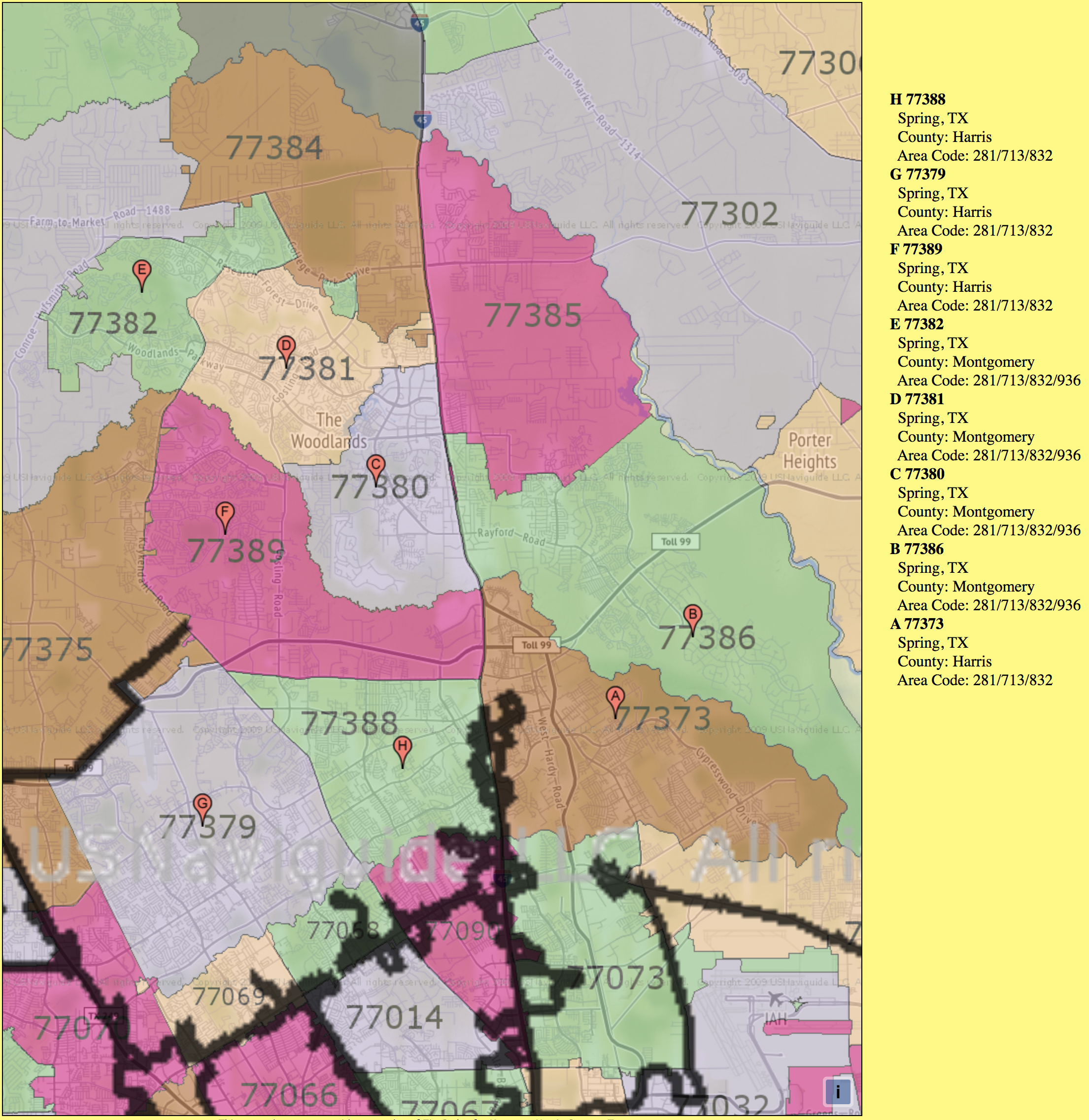
Spring, Texas, situated just north of Houston and largely within its sphere of influence, has largely adopted a similar philosophy. While smaller communities might develop their own zoning, Spring’s unincorporated status in Harris County (and parts of Montgomery County) means it does not have municipal zoning laws in the same way an incorporated city like Dallas or San Antonio would. This shared characteristic with Houston sets the stage for Spring’s unique developmental trajectory and its appeal as a destination.
Spring, Texas: A Distinct Identity Without Traditional Zoning
The absence of traditional municipal zoning in Spring, Texas, is not a vacuum of regulation but rather a different approach to urban planning. It shapes the town’s character, its economic landscape, and the experience of those who visit or reside there.
How Development Unfolds in Spring Without Zoning Ordinances
In Spring, development is primarily governed by a combination of market demand, private deed restrictions, and the influence of larger, master-planned communities that often establish their own internal covenants. For instance, areas within or adjacent to developments like Springwoods Village, home to the ExxonMobil Campus, operate under meticulously crafted plans that dictate everything from architectural styles to commercial allocations. These resemble internal zoning, but they are privately enforced and apply only within that specific development’s boundaries, not across the entire Spring area.
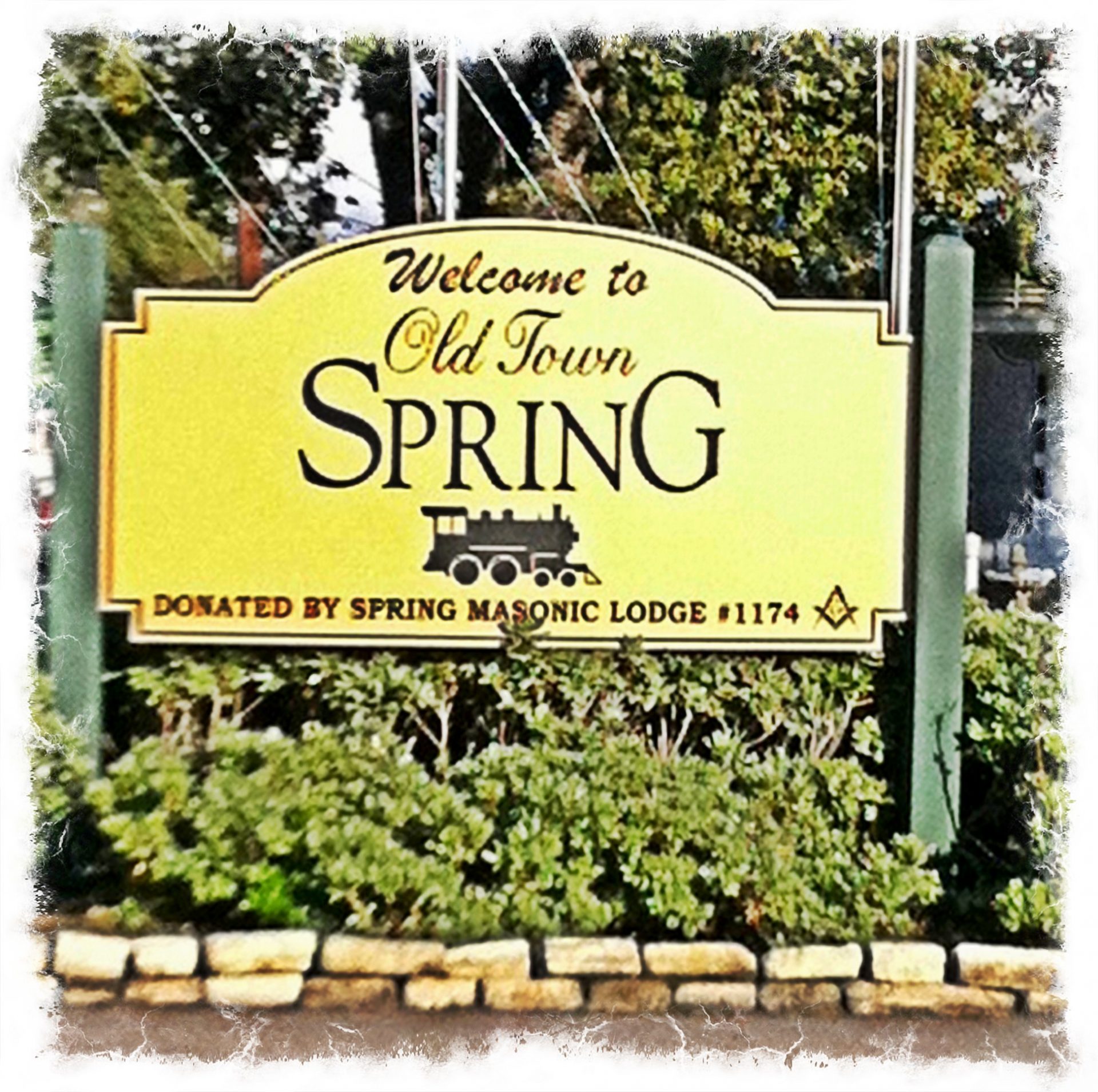
This system allows for a remarkable degree of flexibility and rapid response to economic shifts. Developers can propose projects that might be difficult to get approved in strictly zoned areas, leading to a diverse array of businesses and residential options. The historical district, Old Town Spring, is a prime example of organic development. It evolved over decades with its unique collection of Victorian-era buildings, independent boutiques, art galleries, and restaurants. This charming area thrives precisely because it wasn’t constrained by rigid zoning from its inception, allowing for an eclectic mix of uses that gives it a distinctive character – a major draw for tourists seeking local culture and unique shopping experiences.
This decentralized approach means that instead of a city planning department dictating land use, it’s often the collective will of property owners through homeowner associations (HOAs) and developer agreements that guide growth. While this can lead to surprising juxtapositions, it also fosters a sense of community-driven development in many pockets of Spring.
Implications for Accommodation and Lifestyle Choices
The lack of traditional zoning in Spring has significant implications for both accommodation options and lifestyle choices. For travelers, this translates into a diverse range of lodging experiences that might be less uniform than in traditionally zoned cities.
You’ll find everything from major hotel chains like Marriott, Hilton, and Hyatt clustered around major highways and commercial centers – catering to business travelers visiting companies like ExxonMobil or those attending events. These properties often include extended-stay options like Residence Inn or Staybridge Suites, ideal for longer visits or family trips. Their proximity to retail hubs like Willowbrook Mall ensures convenience.
Conversely, the absence of zoning allows for more unique, independently owned accommodations, particularly in areas like Old Town Spring, where bed and breakfasts or charming boutique hotels might emerge organically, offering a distinct local flavor and a more intimate experience. For those seeking long-term stays, the real estate market in Spring is incredibly varied, ranging from sprawling suburban homes in master-planned communities with extensive amenities to more rural properties. The mix of residential and commercial spaces can sometimes mean shorter commutes or easier access to amenities for residents, impacting their daily lifestyle.
The freedom from strict zoning also means that areas can evolve quickly based on demand. If there’s a need for more budget-friendly lodging, a motel might appear with relative ease. If a luxury resort sees an opportunity, development can often proceed without the layers of zoning approvals that might slow down projects elsewhere. This dynamism makes Spring a constantly evolving destination, offering something for every type of traveler, from those on a budget to those seeking a luxurious escape.
Exploring Spring, Texas: Beyond Zoning
While the topic of zoning might seem technical, its practical effects are what truly define the visitor experience in Spring, Texas. Beyond the regulatory framework, Spring offers a wealth of attractions and experiences waiting to be discovered.
Top Attractions and Experiences in Spring
The unique development landscape of Spring has fostered a rich tapestry of attractions that cater to diverse interests:
- Old Town Spring: This historic district is undoubtedly the crown jewel of Spring. Its unzoned evolution allowed for a preservation of its charming 19th-century buildings, which now house over 100 unique shops, art galleries, antique stores, and eateries. It’s a fantastic destination for local culture, finding one-of-a-kind souvenirs, and enjoying a leisurely day of exploration. Special events and festivals throughout the year bring it to life, making it a vibrant center for tourism.
- Mercer Botanic Gardens: For nature lovers, these stunning botanical gardens offer a tranquil escape. Spanning over 400 acres, they feature a vast array of native and cultivated plants, walking trails, and serene natural settings along Cypress Creek. It’s an ideal spot for family trips, a quiet stroll, or photography.
- Spring Creek Greenway: As one of the largest urban forested greenways in the United States, the Spring Creek Greenway offers extensive opportunities for outdoor activities. Visitors can enjoy hiking, biking, horseback riding, kayaking, and birdwatching across miles of trails and natural habitat, connecting various parks and preserves along Spring Creek. This natural amenity is a testament to the preservation efforts in the region, providing vital green lungs for the community.
- Hurricane Harbor Splashtown: For thrill-seekers and families, this water park offers a refreshing escape during the hot Texas summers. With numerous slides, wave pools, and attractions, it’s a popular destination for a day of fun and excitement, further enhancing Spring’s appeal as a family-friendly travel spot.
- Nearby Attractions: Spring’s proximity to Houston opens up a world of possibilities. A short drive south can take you to the Houston Museum District, Space Center Houston, or even a sporting event at Minute Maid Park. North of Spring, the master-planned community of The Woodlands offers upscale shopping at Market Street, dining, and entertainment at Waterway Square, including concerts at the Cynthia Woods Mitchell Pavilion.
Planning Your Stay: Accommodation and Travel Tips
When planning a visit to Spring, Texas, the non-zoned environment offers both freedom and a need for thoughtful consideration, especially regarding accommodation.
- Accommodation Variety: Expect a wide range of options. If you prefer the familiarity of national brands, focus your search near major thoroughfares like I-45, where you’ll find numerous Hilton, Marriott, and Hyatt properties, including extended-stay suites ideal for family trips or business stays. For a more unique, local experience, explore the charming bed and breakfasts within or near Old Town Spring.
- Location Matters: Because of the organic development, areas can transition quickly from commercial to residential. Use online booking platforms with map views to understand the immediate surroundings of your chosen accommodation. Consider whether you want to be close to specific attractions like Old Town Spring, family-friendly parks, or business hubs like Springwoods Village.
- Transportation: While some areas like Old Town Spring are walkable, a car is generally essential for exploring Spring and its surrounding attractions. George Bush Intercontinental Airport (IAH) is conveniently located nearby, making air travel accessible.
- Lifestyle Considerations: For long-term stays, understanding the local community covenants and school districts (Spring ISD or Klein ISD) becomes paramount. The diverse neighborhoods offer different amenities and atmospheres, catering to various lifestyles, from suburban family life to more vibrant, mixed-use environments.
The Future of Spring: Balancing Growth and Character
The lack of traditional zoning presents both challenges and opportunities for the future of Spring, Texas. As the population grows and interest in the area continues to swell, managing development in a way that preserves its unique character while accommodating modern needs is a delicate balancing act.

Challenges and Opportunities for Sustainable Tourism
One of the primary challenges stemming from the absence of zoning is managing uncoordinated growth. Without a comprehensive city-wide plan, development can sometimes seem haphazard, potentially leading to traffic congestion, strain on infrastructure, and the loss of natural landscapes if not properly mitigated. For tourism, this could mean that charming areas might become surrounded by less appealing commercial strips if not protected by private covenants or other agreements.
However, this decentralized approach also offers significant opportunities for sustainable tourism and unique lifestyle experiences. The entrepreneurial spirit fostered by limited regulation encourages innovative businesses and attractions. Old Town Spring, for example, thrives on its independent spirit, offering local culture that larger, more uniform cities might struggle to replicate. The presence of vast green spaces like the Spring Creek Greenway demonstrates that conservation can and does occur through dedicated efforts, often by non-profits and county initiatives, rather than solely through zoning dictates.
Furthermore, the flexibility allows for new tourism models to emerge, such as unique short-term rental properties that might integrate seamlessly into residential areas, offering visitors an authentic neighborhood experience. It also fosters a strong sense of community involvement, as residents and business owners often take a more active role in shaping their immediate surroundings through homeowner associations and local improvement districts, filling the void left by municipal zoning.
The future of Spring will likely continue to be a blend of these forces: large, privately planned developments providing modern amenities and structured environments, coexisting with organically grown areas that retain an eclectic, independent charm. For travelers, this means Spring will remain a destination full of surprises, offering a rich mosaic of experiences that reflect its truly unique approach to growth and community.
In conclusion, Spring, Texas, does not have traditional municipal zoning in the way most incorporated cities do. Instead, it relies on a dynamic interplay of private land covenants, market forces, and master-planned community guidelines. This distinctive characteristic is not merely an administrative detail but a fundamental aspect of Spring’s identity, shaping its diverse landscape, varied accommodation options, and its appeal as a vibrant destination for travel, lifestyle, and business. Whether you’re seeking historic charm, outdoor adventure, or modern conveniences, Spring’s unique developmental path ensures a compelling and ever-evolving experience.
LifeOutOfTheBox is a participant in the Amazon Services LLC Associates Program, an affiliate advertising program designed to provide a means for sites to earn advertising fees by advertising and linking to Amazon.com. Amazon, the Amazon logo, AmazonSupply, and the AmazonSupply logo are trademarks of Amazon.com, Inc. or its affiliates. As an Amazon Associate we earn affiliate commissions from qualifying purchases.