
Texas, a state renowned for its vast landscapes, rich history, and vibrant culture, often sparks questions from travelers and locals alike regarding its adherence to Daylight Saving Time (DST). This practice, which shifts clocks forward by an hour during warmer months to maximize daylight, has a somewhat complex history within the Lone Star State. Understanding Texas’s relationship with DST is crucial for anyone planning a trip, coordinating business, or simply navigating daily life across its diverse regions.
The Shifting Sands of Texas and DST
A History of Hesitation and Debate
The United States has observed Daylight Saving Time nationally since the Standard Time Act of 1918, though its implementation and observance have seen numerous adjustments over the decades. Texas has been a focal point in these discussions, with a consistent undercurrent of debate about whether the state should participate. The primary arguments against DST often center on the potential disruption to established routines, energy consumption patterns, and agricultural schedules, particularly in a state with such varied economic activities.
Historically, various municipalities and even entire regions within Texas have attempted to opt out of DST, leading to a confusing patchwork of time zones across the state at different points. This created significant logistical challenges for businesses, transportation, and communication. The federal government’s Uniform Time Act of 1966 aimed to standardize DST across the nation, but it also provided an opt-out provision for states. This provision has been leveraged and debated extensively in Texas.
Federal Legislation and State Authority
The ability for states to opt out of DST is rooted in federal law. The Uniform Time Act of 1966, as amended, allows states to exempt themselves from DST and remain on standard time year-round. This has led to ongoing legislative efforts and public referendums in Texas concerning DST. While the state legislature has periodically considered measures to abolish DST, and indeed, some counties have historically attempted to remain on standard time, the state as a whole has generally aligned with the national observance of DST.
It’s important to note that any move to permanently abolish DST would require legislative action at the state level. Conversely, a push to remain on DST year-round (a concept sometimes referred to as “permanent DST”) would also necessitate federal approval, as it would involve deviating from the established federal framework. The current legal landscape means that without specific state legislation to the contrary, Texas follows the national DST schedule.
Current Status and Future Outlook
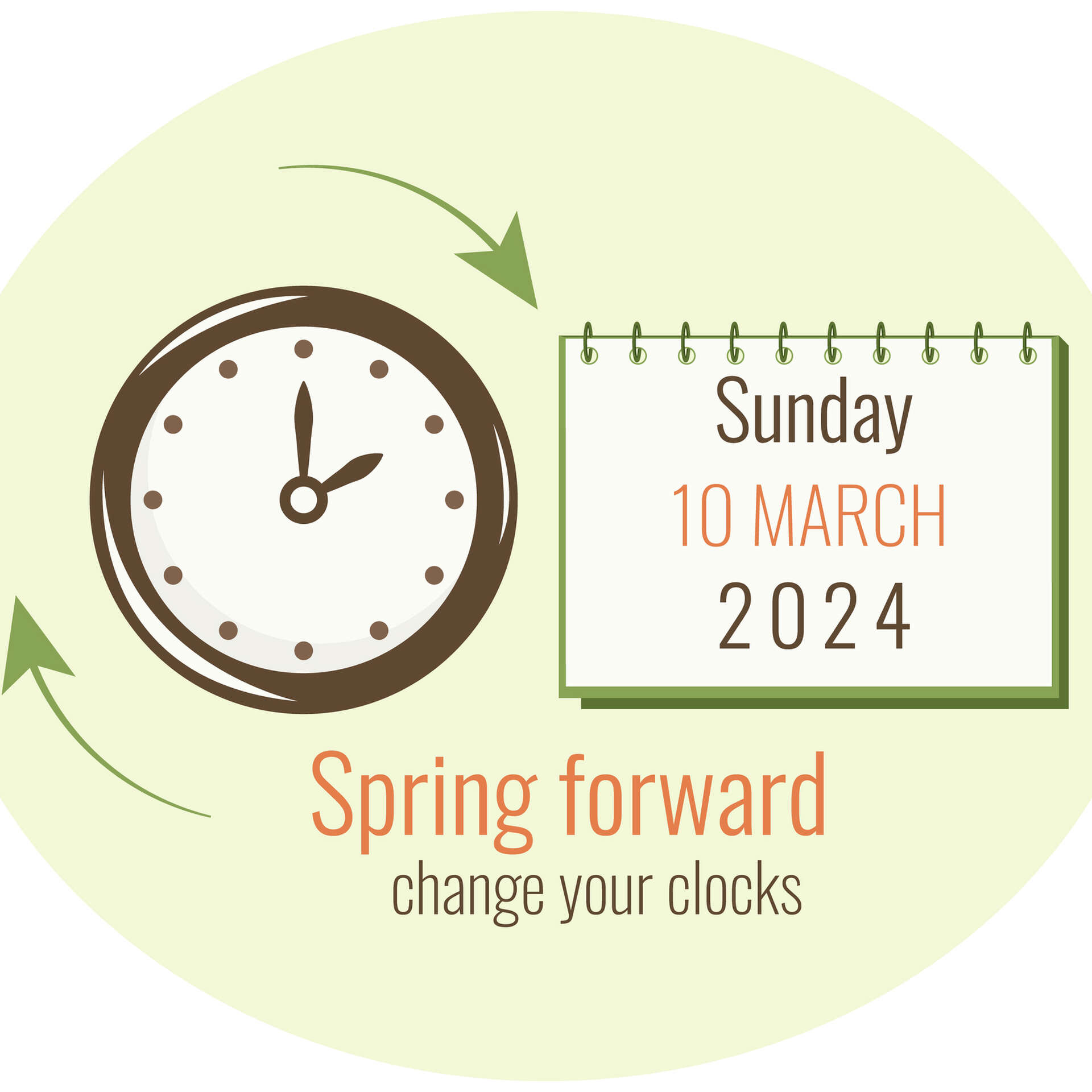
As of the most recent legislative sessions and public discourse, Texas continues to observe Daylight Saving Time. This means that clocks in most of the state are moved forward by one hour on the second Sunday in March and back by one hour on the first Sunday in November. This synchronization with the national schedule simplifies planning for travelers, businesses operating across state lines, and even for residents coordinating with friends and family outside of Texas.
However, the conversation is far from over. There are consistent legislative proposals and public opinion polls that indicate a significant portion of the Texan population would prefer to either abolish DST altogether or make it permanent. Proponents of abolishing DST argue for the return to a more natural sleep cycle and elimination of the disruptive “spring forward” and “fall back” transitions. On the other hand, advocates for permanent DST believe it would offer more daylight in the evenings, potentially boosting outdoor recreational activities and reducing traffic accidents. The outcome of these ongoing debates remains uncertain, and travelers are advised to stay informed about any potential changes to Texas’s DST policy, especially when planning extended stays or business ventures.
Navigating Texas with Daylight Saving Time
Planning Your Texas Itinerary
For travelers, understanding Texas’s DST schedule is a practical necessity. Whether you’re heading to the bustling streets of Dallas, the historic charm of San Antonio, the vibrant music scene of Austin, or the coastal allure of Galveston, knowing when the clocks change will help you avoid confusion with flight schedules, tour bookings, and dining reservations.

The most significant impact of DST on travel is the one-hour shift. This can affect your arrival and departure times, as well as your perceived duration of daylight for activities. For instance, during DST, summer evenings in Texas remain lighter for longer, allowing for extended exploration of attractions like the Alamo in San Antonio or an evening stroll along the Kemah Boardwalk in the Houston area. Conversely, the “spring forward” can feel like losing an hour of sleep, which might influence your travel plans for the first day or two.
Business and Logistics in Texas
For businesses operating within Texas or engaging with Texan entities, DST synchronization is equally important. Consistent timekeeping simplifies internal operations, client meetings, and supply chain management. When Texas observes DST in alignment with the rest of the continental United States, it minimizes the complexities of cross-border communication and transactions.
Consider a company headquartered in New York interacting with a branch in Houston. If both locations are observing DST, the time difference remains constant throughout the DST period, allowing for predictable scheduling of conference calls and project coordination. Without this alignment, or if Texas were to opt-out, managing such operations would become significantly more intricate, requiring constant adjustments and careful tracking of time zone variations. This is why most major industries and businesses in Texas favor a consistent approach to DST, aligning with national standards.
Embracing the Extra Daylight
While the debate over DST’s merits continues, many Texans and visitors enjoy the benefits of extended daylight during the spring and summer months. This extra hour of light in the evening can be a boon for tourism and local activities. It provides more opportunity for outdoor adventures, such as hiking in Big Bend National Park, exploring the Texas Hill Country, or enjoying a round of golf.
Many of Texas’s renowned resorts and hotels, such as the Omni Barton Creek Resort & Spa in Austin or the The Woodlands Resort near Houston, cater to guests who wish to take advantage of longer daylight hours. Evening activities like sunset tours, poolside lounging, and al fresco dining become more appealing and feasible. This extended daylight can enhance the overall visitor experience, making it feel as though there is more time to soak in the diverse offerings of the state.
Exceptions and Peculiarities in Texas Time
The Panhandle and El Paso’s Time Zone
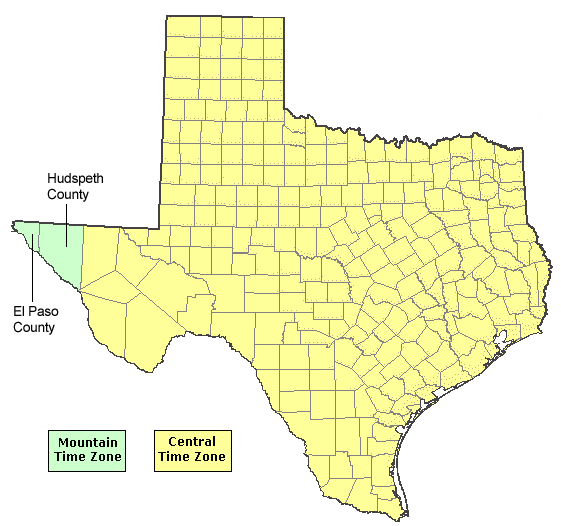
While most of Texas observes Central Daylight Time (CDT), there’s a notable exception: El Paso and Hudspeth counties in the westernmost part of the state observe Mountain Daylight Time (MDT). This means that during DST, El Paso is on the same time as Denver, Colorado, and Phoenix, Arizona (though Arizona largely does not observe DST). This historical division stems from proximity and established economic ties with neighboring New Mexico, which also observes Mountain Time.
This time zone anomaly means that when it’s 3:00 PM CDT in Dallas, it’s 2:00 PM MDT in El Paso. For travelers transiting through or visiting these regions, it’s crucial to be aware of this difference to avoid scheduling mishaps. The rest of the vast expanse of Texas, from the Piney Woods in the east to the Big Bend region in the west (excluding El Paso and Hudspeth counties), operates under Central Time. This distinction is a fascinating aspect of Texas’s temporal geography and a point of frequent confusion for those unfamiliar with the state’s unique timekeeping.
Historical Instances of Local Time Observance
In the past, the situation was even more fragmented. Before the widespread adoption and standardization of DST, and even after, individual cities and counties in Texas sometimes made their own decisions about observing the time shifts. This led to situations where neighboring towns could be on different times, creating significant confusion for travel, commerce, and daily life. For example, during certain periods, some towns in the Panhandle might have observed Central Time while others adhered to Mountain Time, regardless of the official state policy.
These historical instances highlight the ongoing tension between state-level uniformity and local autonomy when it comes to time observance. While federal and state legislation has largely streamlined the process, the echoes of these past divisions serve as a reminder of how deeply timekeeping can affect a community and the logistical challenges that arise from temporal discrepancies. Today, the focus is primarily on the statewide observance of DST, with the El Paso exception being the most prominent temporal distinction within Texas.
Conclusion: Staying Informed About Texas Time
For anyone visiting, living in, or doing business in Texas, understanding its relationship with Daylight Saving Time is essential. While the state currently follows the national schedule for DST, the history of debate and the presence of a unique time zone exception in the west (El Paso) mean that vigilance is key. Travelers should always confirm local times upon arrival and be mindful of the clock changes, especially around the transition dates. The ongoing discussions about the future of DST in Texas suggest that while the current system is likely to persist for the immediate future, changes could be on the horizon. Staying informed through official channels and travel resources will ensure a smoother and more enjoyable experience in the great state of Texas, regardless of the hour.
LifeOutOfTheBox is a participant in the Amazon Services LLC Associates Program, an affiliate advertising program designed to provide a means for sites to earn advertising fees by advertising and linking to Amazon.com. Amazon, the Amazon logo, AmazonSupply, and the AmazonSupply logo are trademarks of Amazon.com, Inc. or its affiliates. As an Amazon Associate we earn affiliate commissions from qualifying purchases.