
Texas, a state synonymous with vast deserts, scorching summers, and sprawling ranches, might not be the first place that comes to mind when picturing a winter wonderland. However, the Lone Star State, with its diverse geography stretching from the Gulf Coast to the Panhandle, does indeed experience snowfall. While not a regular, widespread occurrence like in many northern states, winter precipitation in Texas can range from a light dusting to significant accumulations, offering a unique and often surprising spectacle for residents and visitors alike.
Understanding Texas’s Climate Variability
The vastness of Texas is a key factor in its varied climate. The state is broadly divided into several climatic regions, each with its own characteristic weather patterns. Understanding these regional differences is crucial to appreciating the nuances of snowfall across the state.

North Texas and the Panhandle
The northernmost reaches of Texas, particularly the Texas Panhandle, are the most likely to receive snow. Cities like Amarillo and Lubbock are situated at higher elevations and further north, making them more susceptible to winter storms originating from the Rocky Mountains or cold fronts sweeping down from Canada. Here, snow can occur with some regularity during the winter months, from late November through February. While deep, prolonged snowfalls are rare, accumulations of several inches are not uncommon during particularly active winter weather periods. The landscape, often characterized by flat plains and rolling hills, can be transformed into a picturesque, albeit temporary, snowy scene.
Central Texas and the Hill Country
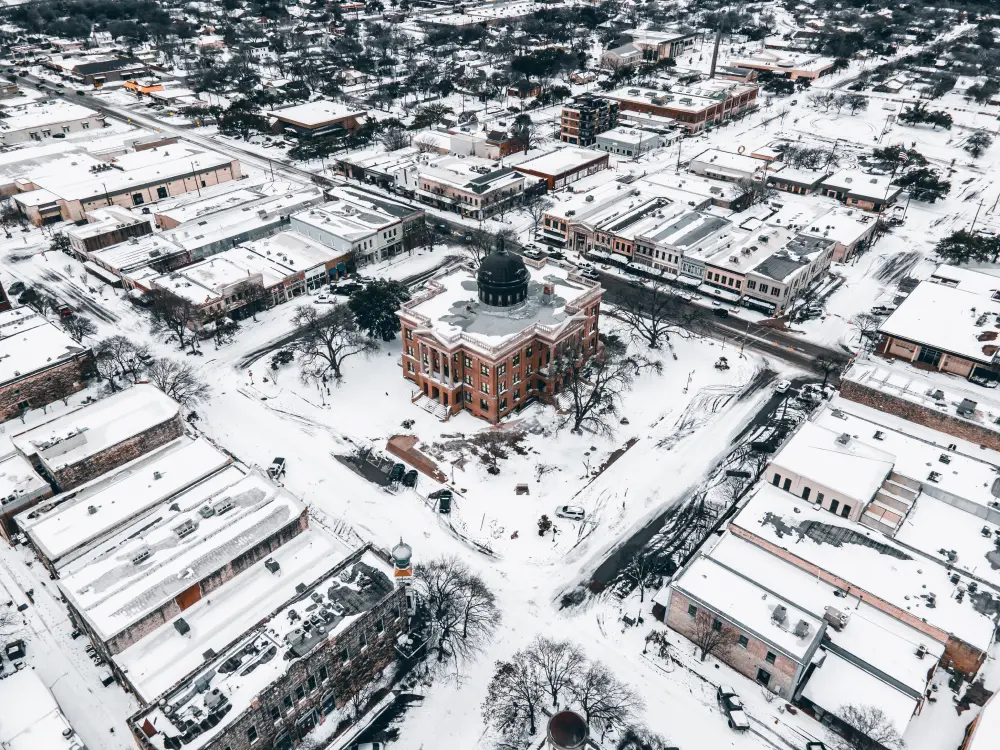
Moving south into Central Texas, including areas around Austin and San Antonio, snowfall becomes a less frequent event. Cold fronts can bring freezing temperatures, and occasionally, moisture in the form of snow or sleet. These events are often more of a novelty, with snow melting quickly upon contact with the warmer ground. However, there have been notable exceptions, with historical blizzards impacting these regions, much to the surprise of the local population. The Texas Hill Country, with its rolling topography, can offer slightly more dramatic visuals when snow does fall, dusting the cedar trees and limestone outcroppings.
East Texas and the Gulf Coast
East Texas and the coastal regions of Texas, such as Houston and Galveston, experience the least amount of snowfall. These areas are characterized by humid subtropical climates, with winters that are generally mild. Freezing temperatures are less common, and when they do occur, they are often brief. Snowfall in these regions is exceptionally rare and usually amounts to a fleeting dusting that melts within hours. The primary winter precipitation concern in these areas is often freezing rain or sleet, which can cause hazardous driving conditions.
Factors Influencing Texas Snowfall
Several meteorological factors converge to bring snow to Texas, even if it’s not a daily winter occurrence. These conditions need to align perfectly for the snowflakes to fall and, crucially, to accumulate.
Cold Air Masses
The arrival of frigid air masses from the north is the primary prerequisite for any chance of snow in Texas. These cold fronts, often referred to as “blue northerners,” can rapidly drop temperatures across the state. For snow to form, temperatures must be at or below freezing (32°F or 0°C) from the cloud layer all the way to the ground.
Moisture Availability
A cold air mass alone is not enough. There must also be a source of moisture present in the atmosphere. This moisture often comes from systems developing in the Gulf of Mexico or from disturbances moving across the United States. When a sufficiently strong cold front collides with a moist air mass, the conditions are ripe for precipitation.
Upper-Level Dynamics
The interplay of atmospheric pressure systems at various altitudes plays a critical role in steering storms and enhancing precipitation. Low-pressure systems, particularly those that track across the southern United States, can draw moisture northward and provide the lift needed for cloud formation and precipitation. The specific track and intensity of these systems are what determine whether the precipitation falls as rain, sleet, or snow.
Notable Snow Events in Texas History
While often characterized by warm weather, Texas has a documented history of significant and memorable snowfall events that have temporarily transformed the state. These events serve as reminders of the dynamic nature of weather and the potential for the unexpected.
The 1989 Texas Blizzard
One of the most significant cold weather events in Texas history occurred in December 1989. A powerful blizzard swept across the state, bringing heavy snowfall, ice, and extremely cold temperatures. Cities like Dallas, Fort Worth, and even areas further south experienced disruptions. The snowfall ranged from several inches in the Dallas-Fort Worth Metroplex to over a foot in some parts of North Texas and the Panhandle. The event caused widespread power outages, travel chaos, and school closures, leaving a lasting impression on those who experienced it.
The 2011 Super Bowl Snowstorm
In February 2011, Texas was hit by another notable winter storm, coinciding with preparations for Super Bowl XLV, which was held at Cowboys Stadium (now AT&T Stadium) in Arlington. This storm brought a mix of snow, sleet, and freezing rain to North Texas. While the Super Bowl itself went on with minimal weather-related disruption, the preceding storm caused significant travel difficulties and a temporary shutdown of operations in many cities across the region, including Dallas and Fort Worth. Accumulations were in the 1-3 inch range for many areas, but the freezing precipitation created treacherous road conditions.
Occasional Panhandle Deluges
The Texas Panhandle, being the most consistent recipient of snow, has seen numerous significant snow events over the decades. These can include storms that dump more than a foot of snow in a single event, paralyzing towns and creating the kind of winter landscape more commonly associated with states further north. Cities like Amarillo have, on occasion, been blanketed in deep snow, requiring considerable effort to dig out.
Experiencing Snow in Texas
When snow does fall in Texas, it creates a unique atmosphere that often delights residents. For many, especially in the southern parts of the state, snow is a rare and cherished sight.
A Local Spectacle
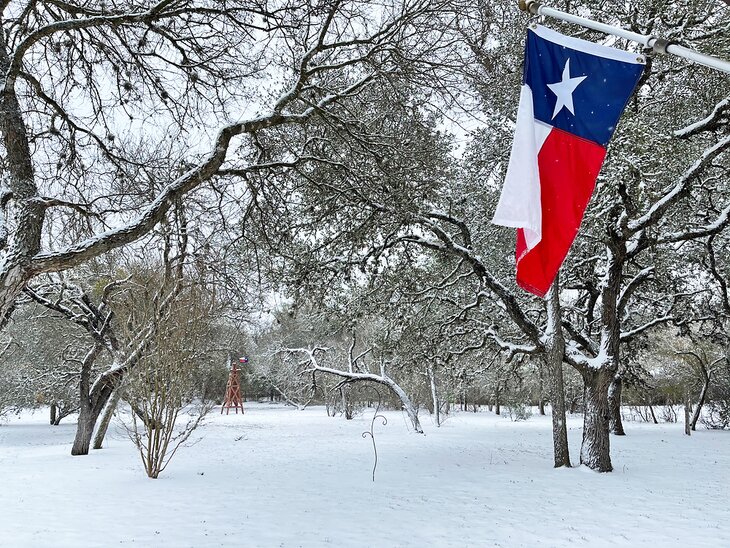
The arrival of snow often triggers a flurry of activity. Families rush outdoors to build impromptu snowmen, children enjoy sledding down the few available slopes, and adults marvel at the transformed landscapes. The usual hustle and bustle of Texas cities often gives way to a slower pace as people cautiously navigate the slick roads or simply stay home to enjoy the unusual weather. Social media often lights up with photos and videos of snow-covered cacti and palm trees, a distinctly Texan winter scene.
Photography and Sightseeing Opportunities
For photographers and nature enthusiasts, Texas snowfalls present a unique opportunity to capture striking imagery. The juxtaposition of snow against the iconic Texas flora, such as mesquite trees and prickly pear cacti, creates a visually compelling contrast. While destinations like the Big Bend National Park can offer dramatic mountainous backdrops, even suburban parks and city streets can become picturesque during these rare events.
Planning for the Unexpected
While not a constant feature, the possibility of snow means that Texans, particularly in the northern half of the state, do prepare for winter weather. Road crews are equipped to handle icy conditions, and residents are advised to keep emergency supplies on hand. For travelers, checking weather forecasts is always a good practice, especially during the winter months, to anticipate any potential travel disruptions caused by snow or ice.
In conclusion, while Texas may not be a prime destination for consistent winter sports, the question of “Does Texas Get Snow?” can be answered with a resounding yes, albeit with significant regional variation. From the occasional dusting in the south to more substantial accumulations in the Panhandle, Texas offers a surprising and often delightful winter spectacle for those who experience it. The state’s diverse climate ensures that even in the heart of the Sun Belt, the magic of snow can sometimes touch the Lone Star State.
LifeOutOfTheBox is a participant in the Amazon Services LLC Associates Program, an affiliate advertising program designed to provide a means for sites to earn advertising fees by advertising and linking to Amazon.com. Amazon, the Amazon logo, AmazonSupply, and the AmazonSupply logo are trademarks of Amazon.com, Inc. or its affiliates. As an Amazon Associate we earn affiliate commissions from qualifying purchases.