
The answer is a resounding yes. Texas is indeed one of the most tornado-prone states in the United States, a distinction that comes with both challenges and an ingrained culture of resilience. For travelers, hoteliers, and anyone interested in tourism in this vast and vibrant state, understanding the nature of tornadoes in Texas is crucial for safe and enjoyable experiences. While the thought of severe weather might deter some, it’s important to remember that Texas offers an incredible array of destinations, attractions, and unique lifestyle experiences that far outweigh the relatively infrequent and localized impact of these storms. With proper preparation and awareness, visitors can confidently explore everything from bustling metropolitan areas like Houston and Dallas to the serene landscapes of its national parks.
Understanding Tornado Activity in Texas
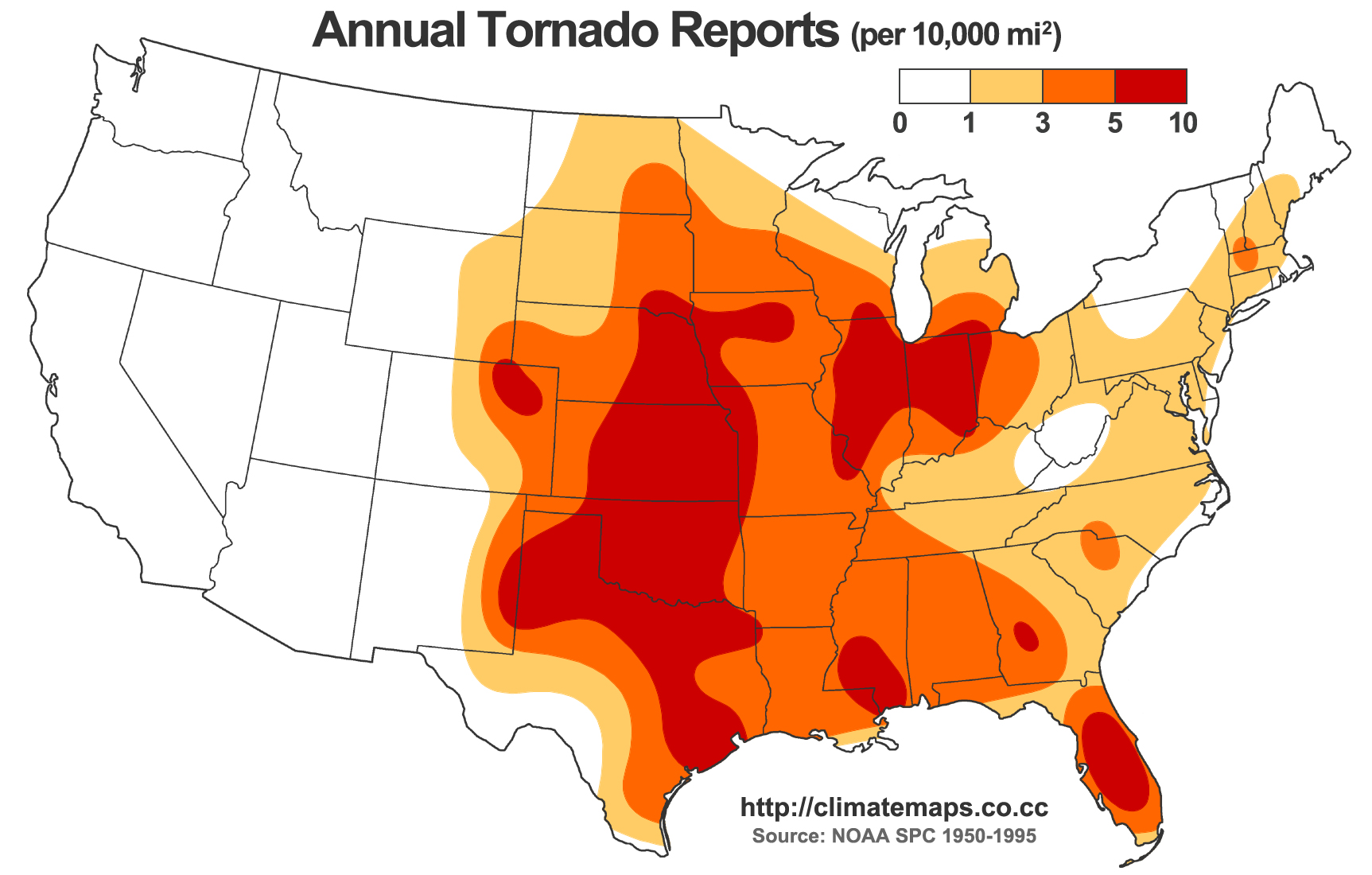
Texas’s geographical location places it squarely in a region highly susceptible to tornadoes, particularly within the infamous “Tornado Alley.” This makes knowing when and where these weather phenomena are most likely to occur an essential part of appreciating the state’s climate and preparing for travel or accommodation.
The Science Behind Texas Twisters
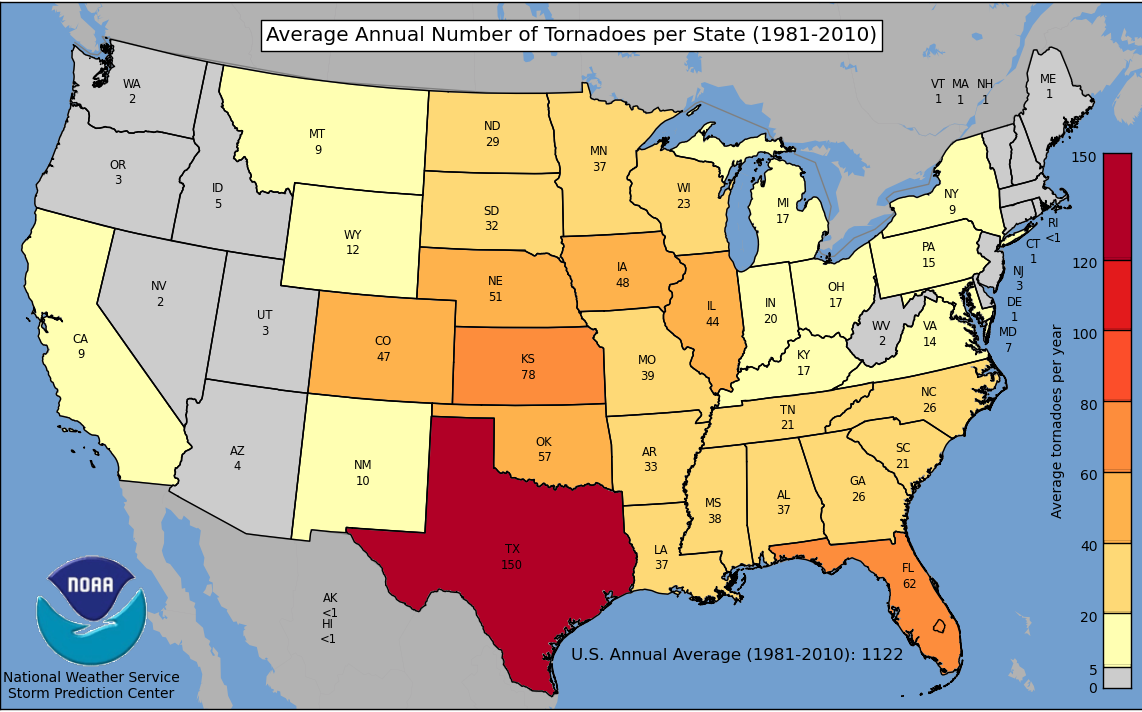
The science behind why Texas is such a hotbed for tornadoes is a fascinating interplay of atmospheric conditions. The state serves as a battleground where different air masses frequently collide. Warm, moist air from the Gulf of Mexico streams northward, often encountering cool, dry air moving in from the Rocky Mountains and dry air from the Chihuahuan Desert in Mexico and West Texas. This convergence creates atmospheric instability, particularly when a strong jet stream provides the necessary wind shear – changes in wind speed and direction with height – to set a storm rotating. Supercell thunderstorms, the powerful rotating storms that are the primary producers of tornadoes, thrive in these conditions. The flat terrain of the Great Plains, which extends into much of Texas, further allows these storms to develop and track across the landscape with minimal disruption. Understanding these meteorological ingredients helps explain why Texas consistently ranks among the top states for tornado occurrences each year, often exceeding 100 documented tornadoes annually.
Texas: A Major Player in Tornado Alley
When people hear “Tornado Alley,” they often picture the central United States. Texas forms a significant portion of this legendary region, which stretches from Texas northward through Oklahoma, Kansas, and Nebraska, and sometimes into other states. Historically, the central and northern parts of Texas see the most frequent tornado activity. This includes major population centers and popular travel destinations like Dallas and Fort Worth, as well as rural agricultural areas. While the official boundaries of Tornado Alley are debated among meteorologists, there’s no question about Texas’s prominence within it. For anyone considering a trip, booking accommodation, or engaging in local tourism, acknowledging this geographical reality is the first step toward informed decision-making. Despite this, the vastness of Texas means that tornado activity is rarely widespread, often affecting very localized areas, leaving the majority of the state untouched at any given time.

Seasonal Peaks and Regional Variations
Tornado season in Texas typically peaks during the spring and early summer months, from March through May, though tornadoes can occur at any time of year. April and May are statistically the most active months, when the clash of air masses is most pronounced. Within Texas, there are distinct regional variations in tornado frequency. North Texas, particularly the Dallas-Fort Worth Metroplex, and Central Texas, stretching towards Austin and San Antonio, tend to experience higher activity. The Texas Panhandle, which includes cities like Amarillo, also sees significant activity, often as part of larger storm systems moving across the Great Plains. Coastal areas like Galveston and Corpus Christi, while less prone to traditional supercell tornadoes, can experience waterspouts and tornadoes associated with landfalling hurricanes or tropical storms, usually in late summer and fall. Understanding these seasonal and regional nuances allows travelers to plan their visits strategically, perhaps opting for different areas of the state during peak tornado season or ensuring they have robust emergency plans in place if traveling to high-risk zones.
Preparing for a Texas Tornado: Safety and Smart Travel
For residents and visitors alike, understanding how to prepare for severe weather is a critical aspect of safety and enjoying all that Texas has to offer. Thoughtful planning, especially regarding accommodation and emergency protocols, can transform potential anxiety into peace of mind.
Essential Safety Measures for Residents and Visitors
Staying safe during tornado season in Texas primarily revolves around awareness and swift action. The first step is to stay informed. Visitors should download a reliable weather app on their smartphones and enable location-based alerts. Many hotels and resorts also provide information on local weather conditions and emergency procedures. A NOAA Weather Radio is an excellent investment for longer stays or remote areas, providing continuous updates directly from the National Weather Service. When a tornado watch is issued, it means conditions are favorable for tornadoes to develop, signaling a need for increased vigilance. A tornado warning, on the other hand, means a tornado has been sighted or indicated by radar, requiring immediate action.
In the event of a warning, the safest place to be is an underground shelter, basement, or an interior room on the lowest floor of a sturdy building, away from windows. If staying in a hotel, inquire about designated shelter areas upon check-in. Many establishments will have specific protocols in place and may guide guests to internal hallways, conference rooms, or other reinforced areas. Always follow the instructions of hotel staff or local authorities. Having a small emergency kit with essentials like water, snacks, a flashlight, and a first-aid kit, even for a short trip, is a wise precaution for any type of travel.
Choosing Accommodation with Peace of Mind
When planning your accommodation in Texas, especially during peak tornado season, it’s prudent to consider severe weather preparedness. While most modern hotels, suites, and resorts are built to high safety standards, some offer additional features. Travelers can look for establishments that explicitly mention reinforced concrete construction, basements, or designated community safe rooms. For instance, luxury hotels in downtown areas of Dallas or Houston, like the Grand Hyatt Dallas Fort Worth or the Marriott Marquis Houston, often have robust structures. When booking apartments or villas for a long-term stay, inquire about their specific tornado safety plans and whether they have access to an internal shelter or an easily accessible lowest floor interior space.
It’s also beneficial to check reviews and ask questions about how the accommodation handles severe weather alerts and provides amenities like emergency power or communication systems. Some higher-end resorts, particularly those that cater to families or business stays, may have comprehensive plans and staff trained to assist guests efficiently during an emergency. While you might not select a hotel solely based on its storm shelter, it can be a valuable consideration that adds an extra layer of security, contributing to an overall more relaxed and secure travel experience.
Navigating Travel Insurance and Emergency Plans
No matter where you travel, having a solid emergency plan and understanding your travel insurance is paramount, and this is especially true when visiting a region like Texas during its tornado season. Before your trip, thoroughly review your travel insurance policy to understand what it covers regarding natural disasters. Many comprehensive policies offer coverage for trip interruption, cancellation due to severe weather, or medical emergencies that might arise. However, specific terms and conditions vary, so ensure you know what is covered, for example, if your flight is delayed or cancelled, or if an attraction closes due to a storm.
In addition to insurance, establish a personal emergency communication plan. Share your itinerary with family or friends back home, and have a designated contact person. Ensure your phone is fully charged, and consider carrying a portable power bank. Familiarize yourself with local emergency services numbers and the location of nearby hospitals. If you’re renting a car, know the local evacuation routes for the areas you plan to visit, particularly around coastal regions where hurricanes can also be a concern. Hotels and local tourism boards often provide up-to-date information regarding local conditions and recommended actions, which can be invaluable. Being prepared means you can focus more on enjoying your Texan experience and less on potential disruptions.
Travel and Tourism in Tornado-Prone Areas: Enjoying Texas Safely
Despite the potential for severe weather, Texas remains an incredibly popular travel destination, attracting millions each year to its diverse landscapes and vibrant cities. The key to enjoying tourism here is to integrate weather awareness into your travel planning, allowing for flexibility and informed decision-making.
Exploring Iconic Texas Destinations Responsibly
Texas is home to an incredible array of iconic destinations, each offering unique experiences. From the historic Alamo and enchanting River Walk in San Antonio to the cutting-edge Space Center Houston and world-class museums in Houston, there’s no shortage of attractions. Exploring these responsibly during tornado season means staying attentive to local weather forecasts and being prepared to adjust your plans. For outdoor activities, such as hiking in Big Bend National Park or enjoying the beaches of Padre Island National Seashore, it’s especially vital to check conditions before heading out.
Many indoor attractions, like the Museum of Fine Arts, Houston or the Kimbell Art Museum in Fort Worth, offer excellent alternatives if outdoor plans are disrupted. For family trips, theme parks like Six Flags Over Texas near Dallas or Schlitterbahn Waterpark on South Padre Island have established safety protocols for severe weather, usually involving temporary closures and instructions for guests to seek shelter. The key is flexibility in your itinerary and a willingness to adapt if weather conditions dictate. Don’t let the possibility of a storm overshadow the immense beauty and fun awaiting you, but rather empower yourself with knowledge and preparedness.
When to Visit: Balancing Weather and Experiences
Choosing the best time to visit Texas involves balancing desirable weather conditions with the unique experiences each season offers. To minimize the chances of encountering severe weather, late fall (October-November) and early spring (February-March, before peak tornado season) can be ideal. During these months, temperatures are generally mild and pleasant across much of the state, making it perfect for exploring cities and natural landmarks. Winter, especially in South Texas and the Hill Country, also offers a reprieve from extreme heat and lower chances of severe storms.
However, if your heart is set on experiencing specific events or attractions that happen during the peak tornado season, such as spring festivals in Austin or summer adventures in Galveston, a well-thought-out plan becomes even more important. Budget travel might find better deals during shoulder seasons, but remember that popular events can still drive up accommodation prices. Consider booking hotels or suites that offer flexible cancellation policies. By understanding the seasonal trends and preparing accordingly, you can still enjoy the vibrancy of Texas without undue concern. The state’s tourism industry is highly experienced in managing events around weather patterns, ensuring visitor safety is always a top priority.
Local Resilience and Community Support
One of the most remarkable aspects of Texas is the deep-seated resilience and strong community spirit, especially in the face of natural disasters. Texans are generally well-versed in severe weather preparedness, and this local culture of awareness extends to supporting visitors. Tourism organizations, local businesses, and accommodation providers are typically excellent resources for real-time information and assistance. In the aftermath of a storm, Texan communities often rally together, demonstrating incredible hospitality and a quick return to normalcy.
Many cities have robust emergency management systems that quickly disseminate information and provide aid. For travelers, this means that even if a severe weather event impacts a localized area, the broader infrastructure of hotels, transport, and attractions is usually quick to recover. Engaging with local residents or checking community information boards can offer valuable insights and peace of mind. This inherent resilience ensures that while tornadoes are a reality, they don’t define the travel experience in Texas, but rather highlight the strength and welcoming nature of its people.
Beyond the Storm: Embracing the Diverse Texan Lifestyle
While acknowledging the reality of tornadoes is part of visiting Texas, it’s crucial not to let this overshadow the state’s immense appeal. Texas offers a lifestyle that blends rugged individualism with sophisticated urban living, rich history with modern innovation, and stunning natural beauty with vibrant cultural scenes.
Iconic Texas Destinations and Experiences for Every Traveler
Texas is a land of superlatives, with destinations to suit every taste and budget. For those seeking urban adventures, Houston offers a world-class culinary scene, diverse neighborhoods, and attractions like Space Center Houston. Dallas boasts a thriving arts district, upscale shopping, and historical landmarks. Austin, the Live Music Capital of the World, buzzes with unique food trucks, vibrant nightlife, and outdoor activities along Lady Bird Lake. And then there’s San Antonio, with its iconic Alamo, charming River Walk, and rich Spanish colonial heritage.
Nature lovers will be captivated by the dramatic landscapes of Big Bend National Park and Guadalupe Mountains National Park, offering unparalleled hiking and stargazing. The pristine beaches of Padre Island National Seashore invite relaxation and wildlife viewing. For those interested in history, the Fort Worth Stockyards National Historic District provides a glimpse into the Old West, complete with cattle drives and rodeos. Whether you’re planning a luxury travel escape to a five-star resort like The Driskill Hotel in Austin or a budget-friendly family trip exploring state parks, Texas delivers experiences that leave lasting memories. Even business stays can be enhanced by exploring the local culture and attractions after hours.
The Lure of Texan Hospitality and Culture
Beyond its attractions, Texas is defined by its distinctive lifestyle and unparalleled hospitality. Texans are known for their friendly demeanor, a trait that extends to visitors. The local culture is a vibrant tapestry woven from cowboy traditions, Mexican influences, and a fierce independent spirit. This is reflected in the diverse culinary scene, from authentic Tex-Mex and barbecue joints to upscale farm-to-table restaurants. Music genres like country, blues, and conjunto thrive across the state, with live performances found in countless venues.
Outdoor activities are integral to the Texan lifestyle, whether it’s fishing in the Gulf of Mexico, exploring the Hill Country wineries, or birdwatching in the Big Thicket National Preserve. The state’s history is deeply etched into its landmarks, from the State Capitol Building in Austin to the mission trails in San Antonio. Experiencing Texas is about immersing yourself in this unique blend of traditions, innovation, and unwavering spirit. While tornadoes are a natural part of the landscape, they are an aspect to be respected and prepared for, not a deterrent to discovering the incredible depth and breadth of experiences that make Texas an unforgettable destination. With smart planning and an open mind, your Texas adventure will be safe, enriching, and truly memorable.
LifeOutOfTheBox is a participant in the Amazon Services LLC Associates Program, an affiliate advertising program designed to provide a means for sites to earn advertising fees by advertising and linking to Amazon.com. Amazon, the Amazon logo, AmazonSupply, and the AmazonSupply logo are trademarks of Amazon.com, Inc. or its affiliates. As an Amazon Associate we earn affiliate commissions from qualifying purchases.