
Understanding the nuances of sales tax is paramount for any traveler planning a trip to the vast and diverse state of Texas. Whether you’re budgeting for a weekend getaway to Austin or embarking on an extended exploration of the Lone Star State, knowing how sales tax impacts your purchases can significantly influence your travel expenses. This guide delves into the intricacies of Texas sales tax, offering clarity for tourists and visitors.
The Fundamentals of Texas Sales Tax for Visitors
Texas does, indeed, have a statewide sales tax. This tax is a crucial component of the state’s revenue, funding public services and infrastructure that contribute to the overall travel experience. For tourists, this means that most goods and some services purchased within the state will be subject to this tax. The rate at which this tax is applied, however, is not a simple, one-size-fits-all figure. It’s a dynamic system that can vary depending on your specific location within Texas.
Statewide vs. Local Sales Taxes
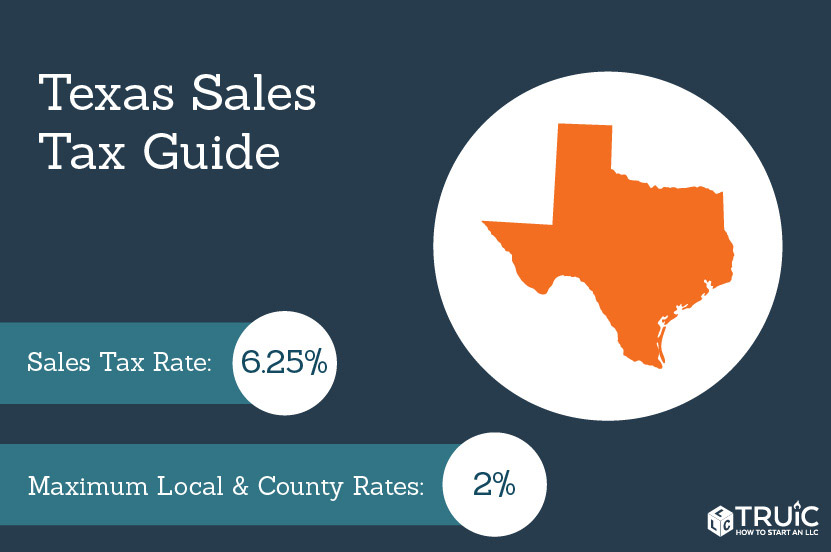
The sales tax you encounter in Texas is a combination of the state sales tax rate and any applicable local sales taxes. The state has established a base rate, which is then augmented by taxes levied by cities, counties, and special districts. This tiered structure is designed to allow local communities to generate revenue for their specific needs, which can range from supporting local attractions to funding public transportation systems.
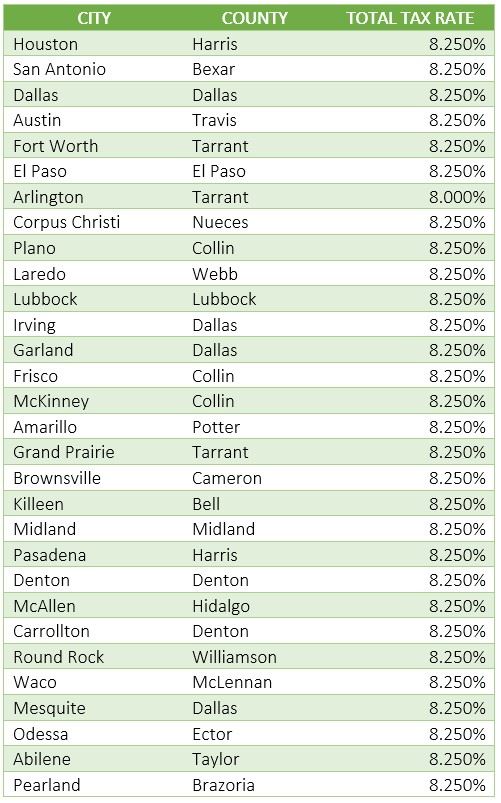
For the traveler, this means that the total sales tax rate will differ from one city to another, and even from one neighborhood to another within a larger metropolitan area. For instance, a purchase made in Dallas might carry a different total tax rate than an identical purchase made in Houston or the charming historic district of San Antonio. It is therefore advisable for visitors to be aware of the potential for slight variations in the final price due to these local surcharges.
State Sales Tax Rate
The current state sales tax rate in Texas is 6.25%. This rate applies to most retail sales of tangible personal property. This forms the bedrock of the sales tax calculation, and it is consistent across the entire state. When you are considering the cost of souvenirs, dining out, or purchasing any goods, this 6.25% is the initial portion of the tax you will see reflected in the final price.
Maximum Combined Tax Rate
While the state rate is fixed, the combined rate can escalate due to local additions. Texas has a statutory cap on the combined state and local sales tax rate. Currently, this maximum combined rate is capped at 8.25%. This means that even if a particular city or special district levies its own taxes, the total sales tax applied to your purchase will not exceed this 8.25% threshold. Understanding this cap is helpful for budgeting, as it provides an upper limit for sales tax on taxable goods and services. For example, if you are shopping in a high-tax jurisdiction within Texas, you can anticipate paying up to 8.25% in sales tax.
What is Taxable in Texas for Tourists?
The scope of taxable items in Texas is broad, encompassing many of the purchases a tourist might make. This section outlines common categories of goods and services that are subject to sales tax, helping you anticipate costs during your travels.
Tangible Personal Property
The most common category of taxable items is tangible personal property. This refers to physical goods that you can touch and feel. For travelers, this includes:
- Souvenirs: T-shirts, keychains, local crafts, artwork, and other mementos purchased from gift shops and boutiques in popular tourist areas like the Alamo or the Houston Museum District.
- Clothing and Accessories: Apparel, shoes, jewelry, and handbags bought from retailers across the state.
- Electronics: Cameras, portable chargers, and other electronic devices you might purchase for your trip.
- Books and Maps: Guidebooks, novels, and local maps to help you navigate your adventures.
- Sporting Goods: Items for outdoor activities, such as camping gear or biking accessories, if purchased within Texas.
- Groceries (with exceptions): While most unprepared food items purchased for home consumption are exempt, prepared foods, such as those from a deli or a restaurant, are taxable. This distinction is important when planning your meals.
Certain Services
Beyond physical goods, certain services are also subject to sales tax in Texas. These can include:
- Hotel Occupancy Tax: This is a significant one for travelers. While the state has a hotel occupancy tax, many cities and counties also impose their own hotel occupancy taxes. This means the total occupancy tax can be substantial, especially in popular tourist destinations like Galveston Island or the vibrant city of San Antonio. These taxes are often levied per night of your stay.
- Admission Fees: Entrance fees to many attractions, such as theme parks, museums (though some non-profit museums may be exempt), zoos, and entertainment venues, are typically taxable.
- Parking and Storage: Fees for parking your vehicle, especially in metropolitan areas like Dallas or Houston, or for storing items, may be subject to sales tax.
- Certain Repairs and Maintenance: Services related to repairing or maintaining tangible personal property can also be taxable.
What is Generally NOT Taxable in Texas for Tourists?
Understanding what is exempt from sales tax can be just as beneficial for your travel budget. Texas has several categories of goods and services that are specifically excluded from sales tax.
Food for Home Consumption
As mentioned earlier, most basic food items intended for consumption at home are exempt from sales tax. This includes:
- Produce: Fresh fruits and vegetables.
- Dairy Products: Milk, cheese, yogurt.
- Meats and Poultry: Uncooked meats and poultry.
- Bread and Cereals: Basic bread, pasta, rice, and breakfast cereals.
- Canned Goods: Non-prepared canned food items.
This exemption applies to purchases made from grocery stores and similar retailers, allowing visitors to prepare meals in their accommodation without incurring sales tax on the raw ingredients.
Prescription Drugs and Certain Medical Supplies
Prescription medications are exempt from sales tax in Texas. Additionally, certain over-the-counter drugs and medical supplies may also be exempt, depending on their classification by the state.
Utilities for Residential Use
Electricity, natural gas, and water services used for residential purposes are generally exempt from state sales tax. However, local governments may impose their own franchise taxes or fees on these utilities, so there might still be a small charge.
Residential Rentals (Long-Term Stays)
While short-term hotel stays are subject to occupancy taxes, the rental of residential property for a period of more than 30 consecutive days is typically exempt from sales tax. This is a key consideration for travelers planning extended stays in apartments or vacation rentals.
Motor Vehicles (Specific Circumstances)
The sale of new or used motor vehicles is subject to a limited sales and use tax, which is typically paid when the vehicle is registered. For tourists who might be considering purchasing a vehicle while in Texas, the sales tax is part of that overall transaction, but it’s handled differently than typical retail purchases.
Planning Your Budget with Texas Sales Tax in Mind
For any traveler, incorporating sales tax into your budgeting process is essential for avoiding surprises. By understanding the general rates and what is and isn’t taxed, you can more accurately estimate your expenses for dining, shopping, and entertainment across Texas.
Checking Local Tax Rates
While a general understanding of the state and maximum combined rates is useful, for precise budgeting, especially for larger purchases or accommodation, it can be beneficial to check the specific sales tax rate for the city or area you will be visiting. The Texas Comptroller of Public Accounts website often provides resources and tools to look up these rates. This is particularly relevant for popular tourist hubs like Austin, San Antonio, and the greater Dallas-Fort Worth metroplex.
Calculating Potential Costs
When browsing for souvenirs in places like Fredericksburg or planning your dining experiences in New Orleans (while technically in Louisiana, the concept applies to border regions of Texas), it’s a good practice to mentally add the expected sales tax to the advertised price. For example, if an item costs $20 and you are in an area with an 8% sales tax, the final price will be $21.60 ($20 + $1.60 tax). Similarly, for accommodation, the advertised nightly rate will be increased by the applicable hotel occupancy taxes.
The Value of Texas’s Tax System for Visitors
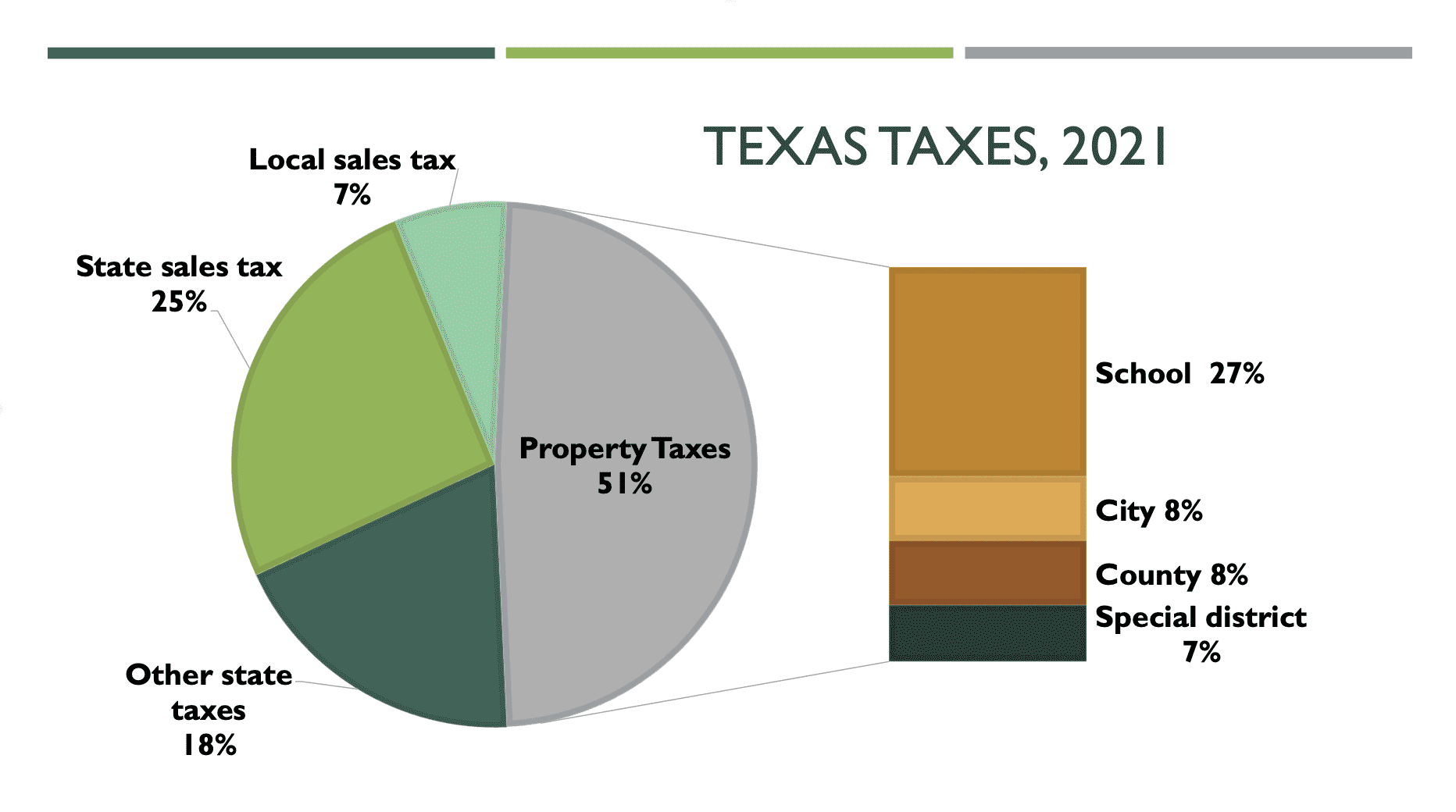
While sales tax is an added cost, it’s important to remember that it directly contributes to the maintenance and improvement of the very attractions, infrastructure, and services that make a trip to Texas enjoyable. The funds generated help support everything from the upkeep of state parks like Big Bend National Park to the vibrant cultural scene in cities like Houston and the historical preservation efforts in places like Galveston. By understanding and respecting the sales tax system, visitors contribute to the ongoing vitality of the Lone Star State, ensuring it remains a premier travel destination for years to come.
LifeOutOfTheBox is a participant in the Amazon Services LLC Associates Program, an affiliate advertising program designed to provide a means for sites to earn advertising fees by advertising and linking to Amazon.com. Amazon, the Amazon logo, AmazonSupply, and the AmazonSupply logo are trademarks of Amazon.com, Inc. or its affiliates. As an Amazon Associate we earn affiliate commissions from qualifying purchases.