
For travelers, potential residents, and businesses alike, understanding the financial landscape of a destination is often as crucial as exploring its attractions or finding the perfect accommodation. When it comes to the great state of Texas, one of the most frequently asked questions revolves around its tax structure, specifically concerning state income tax. The answer to this query is a resounding “no,” and this distinct characteristic plays a significant role in shaping the lifestyle, travel experiences, and economic vibrancy of the Lone Star State.
This unique tax environment has profound implications, influencing everything from the cost of living and the appeal of Texas as a long-term stay destination to the financial freedom visitors might experience when exploring its diverse cities and natural wonders. For those accustomed to paying a portion of their earnings to their state government, the absence of an income tax in Texas presents an intriguing proposition, freeing up more disposable income for everything from luxury travel experiences to extended stays in charming Texas towns. This article delves into the nuances of Texas’s tax system, exploring how it impacts travelers, residents, and the state’s overall appeal as a premier destination for tourism, accommodation, and lifestyle choices.
The Texas Advantage: A Look at the Income Tax-Free Landscape
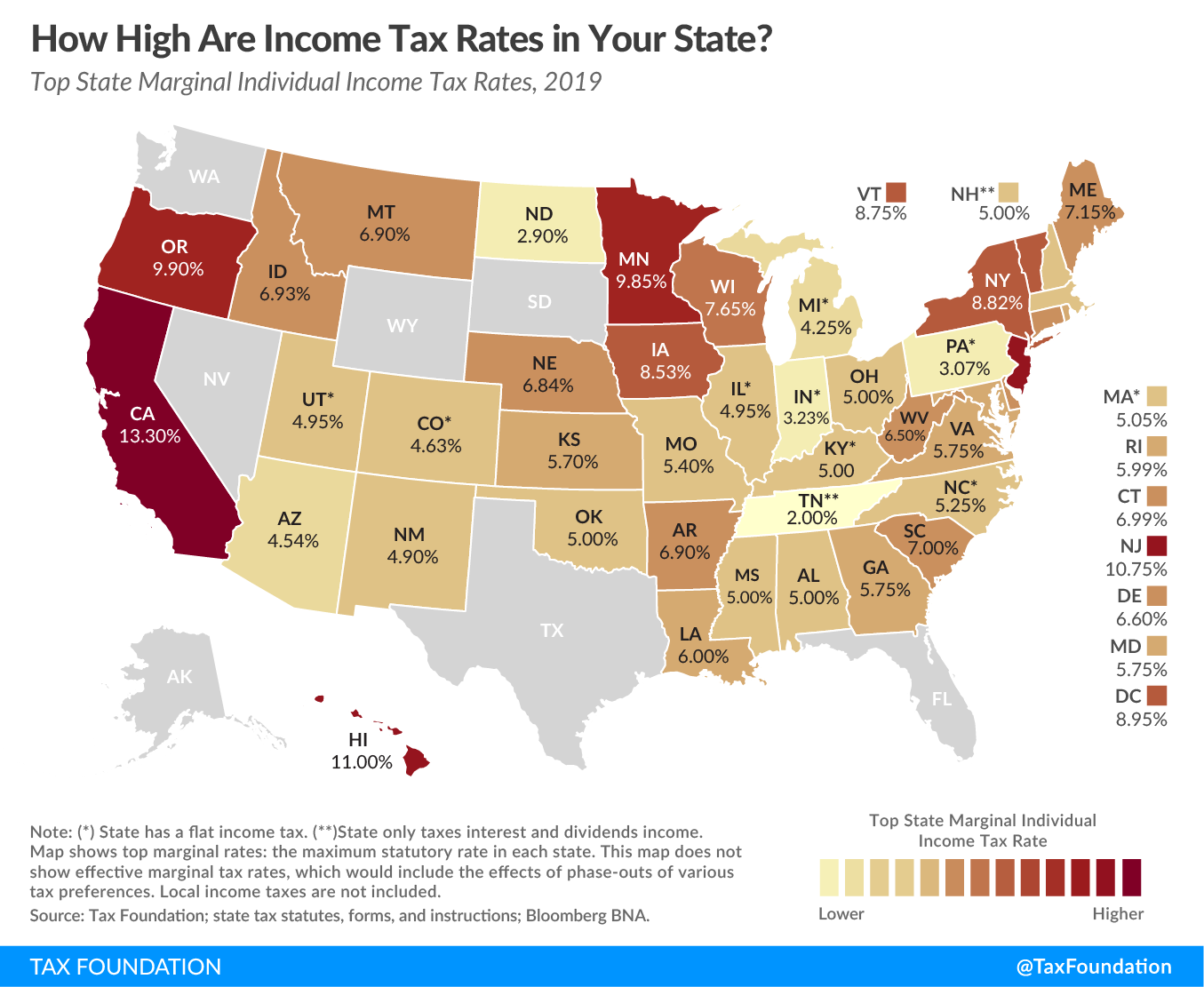
The fact that Texas does not levy a state income tax is a cornerstone of its economic philosophy and a major draw for individuals and businesses across the United States and beyond. This policy means that residents keep a larger portion of their earnings, which can significantly influence personal finance decisions, including how much one can spend on travel, leisure, and lifestyle upgrades.
Dispelling a Common Myth
Many people, especially those from states with high income taxes like California or New York, are often surprised to learn about Texas’s tax-free income status. It’s not a temporary measure or a special incentive; it’s enshrined in the state’s constitution. This fundamental difference from most other states means that if you earn income in Texas, whether through employment, business ventures, or investments, the state will not take a direct cut of those earnings. This policy contributes to a perception of greater financial freedom and a lower overall tax burden, even when considering other forms of taxation.
For travelers contemplating an extended stay, perhaps for a remote work stint or a prolonged vacation, the lack of state income tax could mean a substantial saving, allowing for more immersive experiences. Imagine allocating those potential savings towards a stay at a luxurious Houston hotel like the Hotel ZaZa Houston Museum District, a gourmet dining experience in Austin, or an adventurous excursion in Big Bend National Park. The absence of this tax essentially increases your effective budget, making high-quality accommodations and premium travel experiences more accessible.
What This Means for Your Travel and Lifestyle Budget
The impact of not paying state income tax extends far beyond just residents. For visitors planning a trip to Texas, while they won’t be paying state income tax on their earnings from their home state, the absence of this tax contributes to a generally lower cost of living and operating for businesses within Texas. This can translate into more competitive pricing for various services, though it’s important to note that other taxes fill the gap.
For individuals considering a permanent move or even a long-term relocation to Texas, the financial implications are even more pronounced. The savings from not paying state income tax can be significant, offering greater flexibility in budgeting for housing, entertainment, and, notably, travel. This could mean more frequent weekend getaways to the Texas Hill Country, more elaborate family trips to South Padre Island, or investing in premium travel experiences like a Dude Ranch stay or a Gulf Coast fishing charter. The lifestyle associated with Texas often involves a balance of urban sophistication and natural adventure, and a more favorable tax climate only enhances the ability to enjoy both.

Furthermore, this tax structure is a boon for entrepreneurs and business travelers. Companies often find Texas an attractive place to establish or expand operations due to the favorable tax environment, which includes no corporate income tax. This fosters a robust job market and a dynamic economy, which in turn supports a thriving tourism and hospitality sector, leading to more diverse and high-quality hotels, resorts, and attractions across cities like Dallas, Austin, and San Antonio.
Beyond Income Tax: Understanding Texas’s Revenue Streams
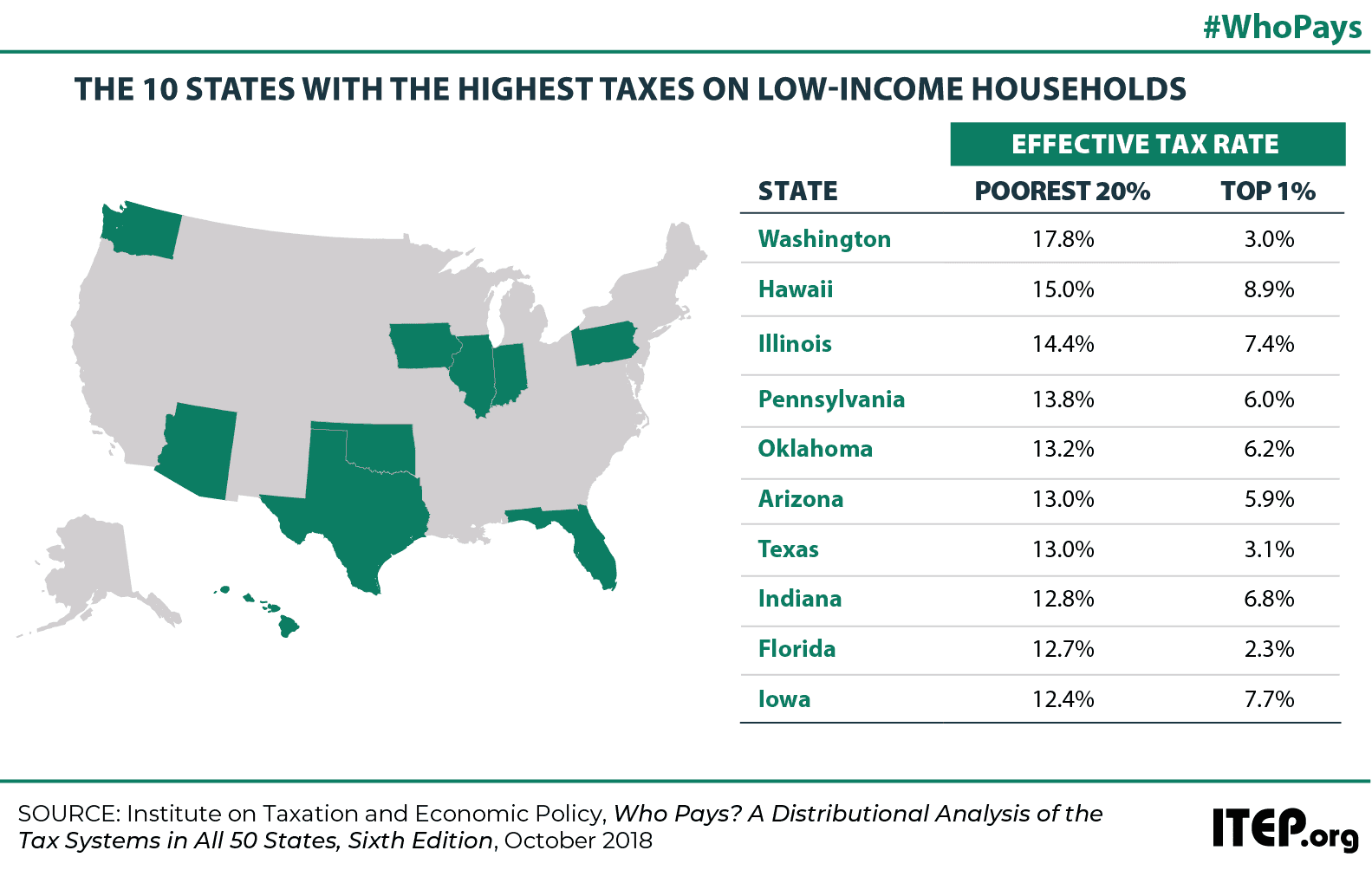
While the absence of a state income tax is a major draw, it doesn’t mean Texas operates without taxes. Like all states, Texas needs revenue to fund public services such as education, infrastructure, public safety, and tourism promotion. The state achieves this through a combination of other taxes, primarily property taxes and sales taxes. Understanding these alternative revenue streams is essential for a complete picture of the Texas financial environment, especially for those considering property investment, extended stays, or simply daily expenditures.
The Role of Property Taxes
Property taxes are the largest source of revenue for local governments in Texas, funding schools, city services, and county operations. Unlike some states where property taxes are set at a uniform statewide rate, in Texas, they are assessed and collected at the local level by various entities, including counties, cities, school districts, and special districts. This means that property tax rates can vary significantly depending on where you are in the state. For instance, property taxes in rapidly developing urban centers like parts of Austin or Dallas might be higher than in rural areas or slower-growing communities.
For long-term visitors or individuals looking to purchase a vacation home or invest in rental properties, property taxes become a significant consideration. While the lack of state income tax can provide substantial savings, these savings can be partially offset by higher property tax burdens, particularly in desirable areas. It’s crucial for prospective homeowners or real estate investors to research local tax rates thoroughly. However, for tourists staying in hotels or short-term rentals, property taxes are indirectly factored into accommodation costs rather than being a direct personal levy. The booming real estate market, fueled in part by the state’s attractive economic policies, also contributes to the quality and availability of diverse accommodation options, from luxury apartments in downtown Houston to charming bungalows in the Texas Hill Country.
Sales Tax: A Daily Consideration
The state sales tax is another primary revenue generator for Texas. The statewide sales tax rate is 6.25%, but local jurisdictions (cities, counties, and special districts) can add up to an additional 2%, bringing the total combined sales tax rate to a maximum of 8.25% in most areas. This tax applies to the sale of most goods and some services.
For travelers, sales tax is a direct and frequent encounter. Whether you’re purchasing souvenirs, dining at a restaurant, buying groceries (though many food items are exempt), or shopping at one of Texas’s vast shopping malls, you’ll pay sales tax. While this might seem high to visitors from states with no sales tax, it’s a critical component of how Texas funds its operations without an income tax.
The sales tax structure affects the cost of many travel-related expenditures. For instance, a meal at a renowned San Antonio restaurant along the San Antonio Riverwalk or a shopping spree in Dallas’s NorthPark Center will include sales tax. However, compared to some states where high income taxes reduce overall disposable income, the effect of sales tax in Texas is often considered manageable, particularly given that the cost of many goods and services themselves can be more competitive due to the favorable business environment. This balance allows visitors to enjoy the vibrant retail scenes and culinary delights without feeling overly burdened, especially when they factor in the overall value proposition of visiting an income tax-free state.
Other State Revenue Sources
Beyond property and sales taxes, Texas collects revenue from various other sources, including:
- Franchise Tax: This is a tax on businesses organized in Texas or doing business in Texas.
- Fuel Taxes: Taxes on gasoline and diesel fuel contribute to road and highway maintenance.
- Motor Vehicle Sales and Rental Taxes: Levied on the purchase or lease of vehicles.
- Hotel Occupancy Tax (HOT): This is particularly relevant for travelers. Texas imposes a state hotel occupancy tax, and local jurisdictions can add their own. This tax is specifically designed to fund tourism and convention initiatives, making it a direct investment back into the visitor experience. When you book a room at the Grand Hyatt San Antonio River Walk or a cozy bed and breakfast in the Hill Country, a portion of your payment goes towards promoting Texas as a destination, enhancing attractions, and improving visitor services.
- Severance Taxes: Taxes on the production of oil and natural gas, which are significant contributors given Texas’s robust energy sector.
These diverse revenue streams collectively allow Texas to maintain its no-income-tax policy while still providing essential public services and investing in areas that benefit tourism and lifestyle, such as state parks, historical preservation, and cultural institutions.
The Texas Lifestyle: Maximizing Your Stay with Financial Savvy
The absence of a state income tax in Texas is more than just a fiscal detail; it’s a foundational element of the ” Texas lifestyle” that significantly impacts travel, accommodation choices, and the overall visitor experience. This financial advantage enables both residents and long-term visitors to allocate more of their resources towards enriching experiences, comfortable stays, and exploring the vast and varied landscapes of the state.
Cost of Living and Its Impact on Travel Budgets
While property taxes can be high in some areas, and sales tax applies to most purchases, the overall cost of living in many Texas cities remains competitive, especially when factoring in the absence of state income tax. This can translate into more affordable travel. With more disposable income, visitors can opt for longer trips, higher-quality accommodations, or more exclusive experiences.
For example, families considering a vacation to Galveston might find that their total travel budget stretches further, allowing them to book a larger suite or extend their stay by a few extra days. Business travelers might find their per diem goes further in Houston or Dallas, enabling them to enjoy upscale dining or higher-tier hotel amenities. The competitive cost of living also influences the pricing of local tours, attractions, and cultural events, making them generally more accessible to a wider range of budgets. This fosters a vibrant local tourism scene, with more businesses able to thrive and offer diverse options for visitors.
Business and Investment Opportunities Fueled by Tax Policy
The lack of state income tax is a magnet for businesses, from burgeoning tech startups in Austin’s Silicon Hills to major corporations establishing their headquarters in Dallas or Houston. This influx of businesses creates a dynamic economy, which in turn supports a thriving hospitality sector. More businesses mean more business travelers, more convention tourism, and more residents with disposable income for leisure travel, all of which fuel investment in new hotels, resorts, and attractions.
This creates a positive feedback loop: the favorable tax climate attracts businesses and talent, which stimulates economic growth, leading to more diverse and high-quality accommodation options and tourism infrastructure. Visitors benefit from a wider array of hotels, from budget-friendly options to luxurious five-star resorts, alongside an ever-expanding list of attractions and experiences. Whether you’re seeking a historical tour of The Alamo, an immersive trip to Space Center Houston, or a serene escape to Guadalupe Mountains National Park, the robust Texas economy ensures these options are plentiful and often competitively priced.
Texas as a Premier Travel Destination
The financial framework of Texas indirectly supports its status as a premier travel destination. With a large population and a strong economy, there’s a constant demand for diverse travel experiences, leading to continuous innovation in the tourism sector. From world-class museums in Fort Worth to vibrant music scenes in Austin, and from the historic charm of San Antonio to the coastal beauty of Corpus Christi and Padre Island National Seashore, Texas offers something for every type of traveler.
The ability for residents and businesses to retain more capital means there’s more investment in local amenities, infrastructure, and cultural events, all of which enhance the visitor experience. Think of the elaborate festivals, the burgeoning culinary scenes, and the beautifully maintained state parks – these are all beneficiaries of a healthy economy bolstered by favorable tax policies. This allows for a deeper dive into local culture, with opportunities to enjoy authentic Texas BBQ, explore unique boutiques, or attend live music performances without feeling overly constrained by budget, thanks to the inherent cost advantages.
Planning Your Texas Journey: Accommodation and Experiences
Understanding Texas’s tax structure empowers travelers to make more informed decisions about their trips, especially regarding accommodation and experiences. The overall financial environment, shaped by the absence of a state income tax, presents unique opportunities for maximizing value and enriching your stay.
Accommodation Choices: From Luxury Resorts to Budget-Friendly Stays
The robust economy and continuous growth in Texas have led to an incredibly diverse and competitive accommodation market. Whether you’re seeking the opulence of a five-star hotel, the charm of a boutique inn, or the practicality of an extended-stay apartment, Texas delivers. The financial savings from potentially lower overall costs (due to no state income tax influencing business overheads) can be reinvested into your accommodation choice.
For those dreaming of a lavish escape, Texas boasts an impressive array of luxury resorts such as the Four Seasons Hotel Austin or The Post Oak Hotel at Uptown Houston. The absence of an income tax, while not directly impacting hotel room rates in a visible line item, contributes to a thriving market that can support such high-end establishments. For instance, more residents with higher disposable incomes translate to a larger domestic market for luxury travel, supporting these properties.
Conversely, for budget-conscious travelers or those planning long-term stays, the competitive market ensures plenty of affordable hotels, vacation rentals, and apartment options. Many travelers seeking to immerse themselves in a city like El Paso or Corpus Christi for several weeks might find that their savings from living in an income tax-free state (if they are residents) or the overall value proposition makes an extended stay more feasible. Booking platforms offer extensive choices, and the general economic health helps keep options varied and accessible. Remember to factor in the local hotel occupancy tax when budgeting, as this contributes directly to state and local tourism initiatives.
Experiencing Texas Culture on a Favorable Budget
The impact of Texas’s tax policy ultimately funnels down to the visitor’s ability to experience the rich culture and numerous attractions without feeling financially strained. The extra dollars in your pocket, thanks to the state’s tax structure, can be channeled into enriching your travel itinerary:
- Culinary Adventures: Indulge in authentic Texas BBQ, savor Tex-Mex cuisine, or explore fine dining establishments. The vibrant restaurant scene across the state, from Dallas to Austin, often provides excellent value, with the absence of income tax supporting business owners in maintaining competitive pricing.
- Attraction Exploration: Visit world-class museums, historic sites, and thrilling theme parks. From the Houston Museum District to the unique shops in Gruene, the cost of entry and associated experiences can feel more accessible.
- Outdoor Adventures: Explore Texas’s diverse natural beauty, from the mountains of Big Bend to the beaches of South Padre Island. Savings can be allocated to guided tours, equipment rentals, or simply extending your stay in scenic areas.
- Live Entertainment: Catch a concert in the “Live Music Capital of the World,” Austin, or enjoy a rodeo in Fort Worth. The lively entertainment scene benefits from a robust economy that encourages a plethora of events and venues.
For those planning to make Texas their temporary or permanent home, the absence of state income tax is a strong financial incentive. It simplifies personal financial planning, potentially leaving more room for investments, savings, or continued travel within and beyond the state. This makes Texas not just a great place to visit, but also a financially attractive place to live and pursue a high-quality lifestyle.
In conclusion, the answer to “Does Texas have a state income tax?” is a definite no, and this fact weaves itself into the very fabric of the state’s appeal. It contributes to a dynamic economy, a diverse travel landscape, and a lifestyle that emphasizes financial flexibility, allowing visitors and residents alike to fully embrace all that this expansive and vibrant state has to offer.