
Embarking on a culinary journey to master the perfect New York Strip Steak cooked right on your stove is an incredibly rewarding experience. This iconic cut of beef, known for its rich flavor and tender texture, doesn’t require a five-star restaurant kitchen or a professional chef to achieve sublime results. In fact, with the right techniques and a touch of patience, you can recreate a gourmet steakhouse experience in the comfort of your own home. Whether you’re planning a romantic dinner for two, celebrating a special occasion, or simply treating yourself to a luxurious meal, this guide will walk you through every step, transforming a simple piece of meat into a culinary masterpiece that rivals the best you might find in Manhattan.
Our journey into the world of pan-seared steak aligns perfectly with the ethos of Life Out of the Box, where the appreciation for local culture, exquisite food, and unique lifestyle experiences intertwine. Imagine savoring a perfectly cooked steak, perhaps after a day of exploring the vibrant streets of New York, or as the centerpiece of a cozy “staycation” designed to replicate the amenities of a luxury hotel suite. The ability to craft such a dish not only enhances your culinary skills but also enriches your overall lifestyle, bringing a touch of refined dining directly to your table, whether that’s in your permanent residence or a self-catering apartment during a long-term stay in a fascinating destination. This guide ensures that even if you’re far from the bustling culinary scenes of Paris or Tokyo, you can still indulge in a truly exceptional meal, made by your own hands.
The Foundation: Choosing and Preparing Your Steak for Optimal Flavor
The secret to an unforgettable stove-cooked New York Strip begins long before it touches the hot pan. It starts with thoughtful selection and meticulous preparation, steps that lay the groundwork for every succulent bite. Just as a seasoned traveler plans their itinerary to discover the best attractions and hidden gems in a city like London, so too must the home chef carefully plan their steak preparation to unlock its full potential.
Selecting the Perfect Cut: Thickness and Marbling are Key
When you approach the butcher’s counter, think of yourself as a connoisseur choosing a prime piece for a special occasion, much like selecting a premium suite at a Ritz-Carlton resort. For a New York Strip Steak on the stove, the ideal thickness is paramount – aim for a cut between 1.25 to 1.5 inches. This thickness allows for a beautiful, crusty sear on the outside while leaving enough room to achieve your desired internal doneness without overcooking. Thinner steaks cook too quickly, making it challenging to control the outcome, while overly thick cuts might require finishing in the oven, moving away from our stove-top focus.
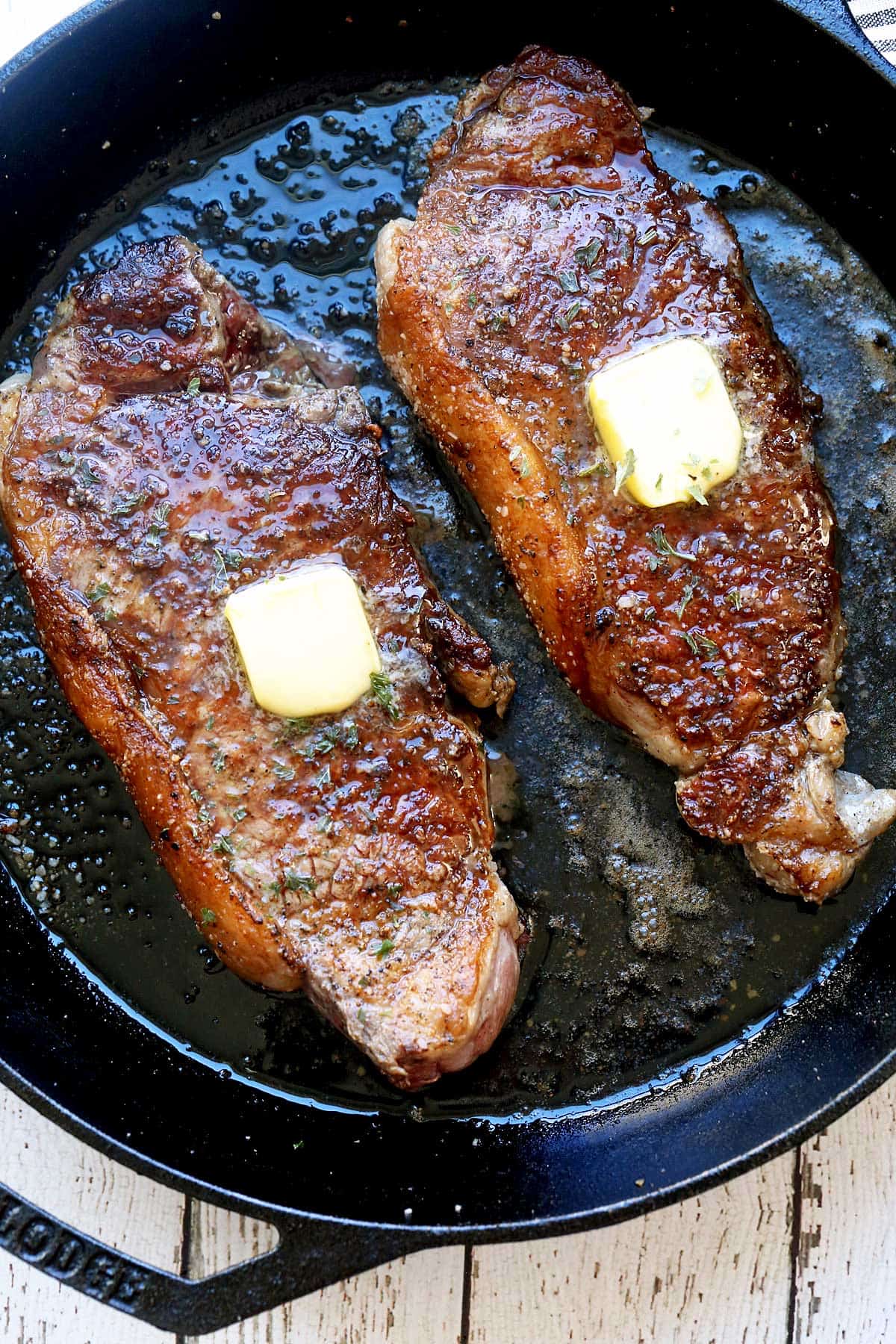
Beyond thickness, inspect the marbling – the delicate streaks of fat running through the lean muscle. Marbling is the steak’s natural basting system; it melts during cooking, infusing the meat with incredible flavor, tenderness, and juiciness. Look for even distribution of fine white streaks. A well-marbled New York Strip promises a rich, buttery taste that’s a hallmark of high-quality beef, reminiscent of the exceptional cuts you might encounter on a culinary tour in Argentina, famous for its world-renowned beef. Don’t shy away from the fat cap on one side of the steak; it renders down during cooking, adding another layer of flavor and contributing to the overall succulence. Sourcing your steak from a reputable local butcher who understands the nuances of quality cuts is always recommended, offering an experience similar to discovering the best local markets during your travels.
Essential Prep for Pan-Seared Perfection: Room Temperature, Dryness, and Seasoning
Once you’ve secured your perfect New York Strip, the preparation steps are critical. First, take the steak out of the refrigerator at least 30-60 minutes before cooking. This allows it to come closer to room temperature, ensuring a more even cook from edge to center. A cold steak hitting a hot pan will lead to an uneven cook, where the outside might burn before the inside reaches the desired temperature. This thoughtful act of patience mirrors the deliberate pace of savoring local culture during a trip to a charming hotel in Rome, allowing every detail to unfold naturally.
Next, and arguably one of the most crucial steps for a phenomenal crust, is to thoroughly dry the steak. Use paper towels to pat both sides vigorously until completely devoid of moisture. Any surface moisture will create steam when it hits the hot pan, preventing the formation of that coveted, crispy brown crust. Remember, we’re aiming for a sear, not a steam bath! This dedication to dryness is comparable to preparing for an important excursion, like a visit to the Eiffel Tower, where every detail contributes to a perfect outcome.

Finally, seasoning. Keep it simple but generous. Coarse sea salt and freshly cracked black pepper are your best friends here. Apply a liberal coating to all sides of the steak. Don’t be shy; a good amount of salt helps to draw out remaining moisture, further aiding in the crust formation, and permeates the meat to enhance its natural flavors. This bold seasoning approach is fundamental to achieving the kind of flavorful exterior found at iconic steakhouses like Morton’s Steakhouse, where flavor is never compromised. Some chefs even advocate for salting the steak hours in advance and letting it air-dry in the fridge on a rack, which can lead to an even more profound crust and seasoned interior.
Mastering the Sear: The Heart of Stove-Top Cooking
With your steak perfectly prepped, it’s time to unleash the magic of high heat, transforming the surface into a symphony of flavor and texture. This stage is where the art of cooking truly comes alive, demanding attention and precision, much like navigating the bustling streets of Florence to find that perfect trattoria.
Achieving the Golden Crust: Skillet, Oil, and Temperature Control
The choice of cooking vessel is paramount. A heavy-bottomed pan, ideally a cast iron skillet, is non-negotiable for achieving an even, intense sear. Cast iron retains heat exceptionally well and distributes it uniformly, creating the perfect surface for that deep, caramelized crust. Place your skillet on high heat and let it preheat thoroughly until it’s smoking lightly – this can take 5-10 minutes. Patience here is key; a cold pan will lead to a lackluster sear.
Once the pan is screaming hot, add a high smoke point oil, such as grapeseed, avocado, or canola oil. A tablespoon or two is usually sufficient. Swirl it around to coat the bottom, then immediately place your thoroughly dried New York Strip gently into the pan. You should hear an aggressive sizzle right away. This immediate contact with intense heat triggers the Maillard reaction, a complex chemical process that creates hundreds of new flavor compounds and the beautiful brown crust we desire. For the initial sear, leave the steak undisturbed for 2-3 minutes. Resist the urge to peek or move it; let the magic happen. This creates a solid foundation for the crust, much like the enduring architecture of the Metropolitan Museum of Art in New York, built to impress and last.
The Art of Basting and Flipping: Infusing Flavor and Even Cooking
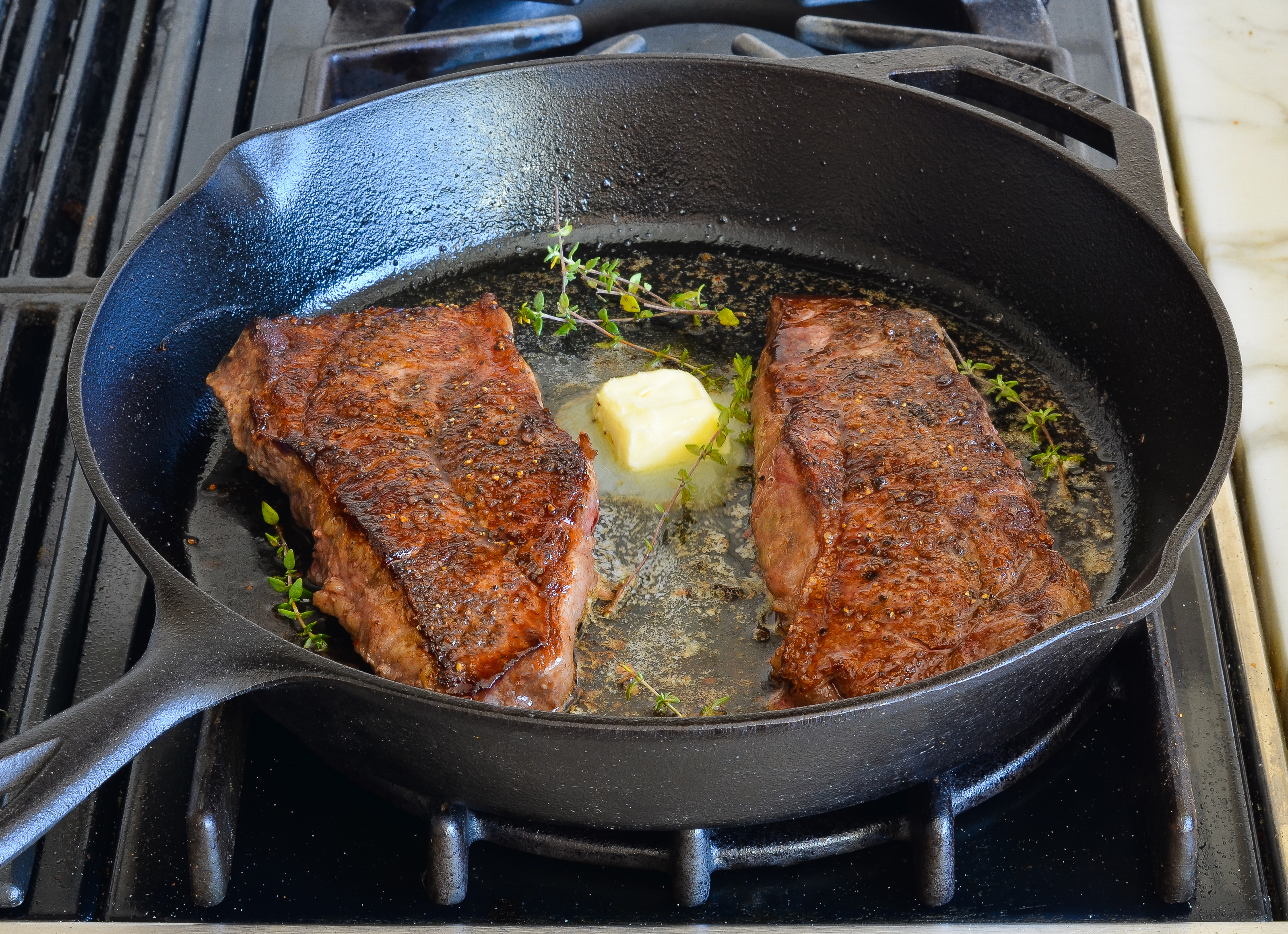
After the initial sear, flip the steak to the other side for another 2-3 minutes. Now, reduce the heat slightly to medium-high. This is where we introduce aromatics and butter to elevate the flavor profile. Add a generous knob of unsalted butter (2-3 tablespoons), a few sprigs of fresh rosemary and thyme, and a couple of smashed garlic cloves to the pan. As the butter melts and sizzles, tilt the pan slightly and use a spoon to continuously baste the melting butter and herb-infused juices over the top of the steak. This constant basting not only imparts incredible flavor but also helps to cook the steak evenly and contributes to a beautiful, glossy finish.
Continue to flip the steak every 1-2 minutes, basting with the fragrant butter mixture after each flip. This frequent flipping technique, contrary to old advice, actually promotes a more even cook from edge to edge and helps build a superior crust on both sides. Each flip exposes a new surface to the searing heat, preventing one side from burning while the other side struggles to catch up. This methodical approach ensures your steak achieves the kind of perfection typically reserved for a fine dining restaurant within a Four Seasons Hotel or a high-end boutique hotel restaurant in a city like Geneva. Depending on your steak’s thickness and desired doneness, this stage might last anywhere from 6 to 12 minutes in total.
Precision and Patience: Achieving Your Desired Doneness
Knowing when your steak is perfectly cooked is a skill that comes with practice, but with a reliable meat thermometer, you can achieve consistent results every time. This precision is akin to the detailed planning required for an intricate tour itinerary, ensuring every destination, from the Brooklyn Bridge to a serene park, is experienced flawlessly.
Temperature Guidelines for Every Palate
The most accurate way to gauge your steak’s doneness is with an instant-read meat thermometer. Insert it horizontally into the thickest part of the steak, avoiding the bone if present. Here are the target internal temperatures for various doneness levels (remember that the temperature will rise slightly during resting):
- Rare: 120-125°F (49-52°C) – Very red, cool center.
- Medium-Rare: 125-130°F (52-54°C) – Red, warm center (often considered the ideal doneness for New York Strip).
- Medium: 130-135°F (54-57°C) – Pink, warm center.
- Medium-Well: 135-140°F (57-60°C) – Slightly pink center.
- Well-Done: 140°F+ (60°C+) – No pink, cooked through.
It’s crucial to pull your steak off the heat a few degrees before it reaches your target temperature. This accounts for “carryover cooking,” where the internal temperature continues to rise after the steak leaves the pan, ensuring it doesn’t overcook during the resting phase. This foresight is a mark of a seasoned cook, much like an experienced traveler knowing the best time to book accommodation for optimal value.
The Crucial Rest: Why Patience is a Virtue
Once your steak reaches its target temperature (minus the carryover buffer), immediately transfer it from the hot pan to a cutting board. Cover it loosely with foil and let it rest for at least 5-10 minutes. This resting period is non-negotiable and perhaps the most important step for a juicy steak. During cooking, the muscle fibers contract, pushing the juices to the center of the meat. Resting allows these fibers to relax and the juices to redistribute evenly throughout the steak. Cutting into the steak too soon will result in all those precious juices pooling on your cutting board instead of remaining locked within the meat, leading to a dry and less flavorful experience.
Think of this rest as a quiet moment of reflection after an exhilarating adventure, perhaps after a long day exploring a bustling city or enjoying the vibrant local culture in a resort in Bali. This period of calm allows everything to settle, enhancing the final outcome. For larger cuts, you might even extend the resting time slightly. While the steak rests, you can use the flavorful drippings in the pan to whip up a quick pan sauce, adding another layer of culinary delight to your meal.
Elevating the Experience: Serving and Pairing Your Masterpiece
The final act of cooking your New York Strip Steak involves presenting it beautifully and pairing it with complementary elements to create a truly memorable meal. This is where your personal style shines through, transforming a plate of food into a gourmet experience, much like customizing a travel itinerary to include bespoke experiences, from the finest hotels to unique landmarks.
Complementary Sides and Sauces
A perfectly cooked New York Strip is a star in itself, but it truly shines when accompanied by thoughtfully chosen sides and sauces. Keep it simple and elegant to let the steak remain the focal point. Classic pairings include creamy mashed potatoes, crisp roasted asparagus, sautéed mushrooms, or a fresh green salad with a light vinaigrette. These sides offer textural contrast and balance the richness of the beef.
For sauces, you can stick to the pan sauce made from the deglazed drippings in your skillet, enhanced with a splash of wine or broth. Alternatively, consider a classic French cuisine Béarnaise or a herbaceous chimichurri for a brighter, spicier kick. The beauty of cooking at home is the freedom to tailor every element to your preference, creating a meal that feels as personalized as a private villa in Tuscany.
Curating a Memorable Meal at Home
Beyond the food itself, consider the ambiance. Lay a nice tablecloth, light some candles, and choose appropriate dinnerware. A perfectly cooked New York Strip Steak deserves a setting that matches its gourmet appeal. This attention to detail elevates a simple dinner into a special occasion, turning your dining room into a personal retreat reminiscent of a chic Grand Hyatt Hotel dining experience, even if you’re enjoying a quiet night in during a staycation.
Pair your steak with a robust red wine, such as a Cabernet Sauvignon from Napa Valley or a hearty Malbec. The tannins in these wines beautifully cut through the richness of the beef, enhancing both the food and the drink. Good company, engaging conversation, and a relaxed atmosphere are the final ingredients for an truly unforgettable meal. This holistic approach to dining, where food, environment, and companionship harmonize, embodies the essence of a sophisticated lifestyle, whether experienced during luxury travel or curated within the comforts of your own space.
In conclusion, cooking a perfect New York Strip Steak on the stove is more than just following a recipe; it’s an exploration of technique, a celebration of flavor, and an opportunity to create a truly special experience. From selecting the ideal cut to mastering the sear and resting the meat to perfection, each step contributes to a succulent, flavor-packed result that will impress even the most discerning palates. So, grab your skillet, ignite your culinary passion, and prepare to indulge in a steakhouse-quality meal that proves gourmet dining is always within reach, wherever you are in the world. Enjoy the journey, and bon appétit!
LifeOutOfTheBox is a participant in the Amazon Services LLC Associates Program, an affiliate advertising program designed to provide a means for sites to earn advertising fees by advertising and linking to Amazon.com. Amazon, the Amazon logo, AmazonSupply, and the AmazonSupply logo are trademarks of Amazon.com, Inc. or its affiliates. As an Amazon Associate we earn affiliate commissions from qualifying purchases.