
When one conjures images of the Lone Star State, seismic activity rarely comes to mind. Texas is more commonly associated with vast ranches, iconic cowboy culture, world-class barbecue, and sprawling metropolises like Houston and Dallas. The notion of Texas experiencing earthquakes might seem as improbable as finding polar bears roaming the Chihuahuan Desert. However, the earth beneath Texas is not entirely still, and while infrequent and generally minor, seismic events do occur within its borders. Understanding the nature of these tremors, their causes, and their potential impact is crucial for anyone living in or planning a visit to this dynamic state.
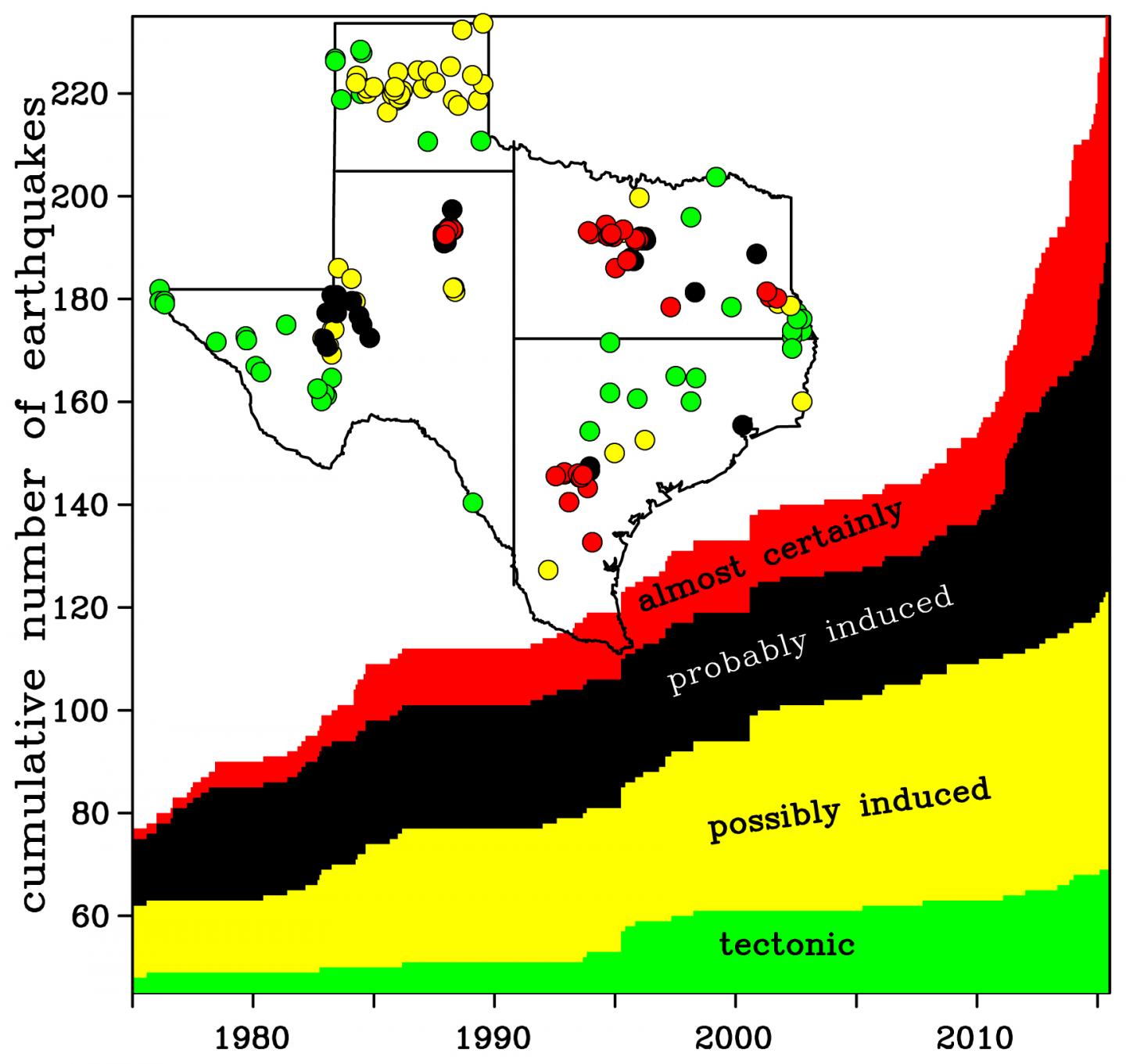
The discussion of earthquakes in Texas often centers on two primary categories: naturally occurring tectonic events and those induced by human activities. While Texas is not located along a major plate boundary like California with the infamous San Andreas Fault, it does lie within a seismically active region of the North American continent. These natural tremors, though less common and generally of lower magnitude than those experienced in more seismically volatile areas, are a reality of the state’s geological makeup.
Natural Seismicity in Texas
Texas sits within the broad intraplate seismic zone of the central and eastern United States. This means that while not directly on a plate edge, stresses within the North American Plate can accumulate and release, leading to earthquakes. The primary zones of natural seismic activity in Texas are found in West Texas, particularly in the Permian Basin, and in the East Texas region, which is part of the Ouachita Mountains tectonic belt.
The Permian Basin: A Hub of Natural Tremors
The Permian Basin, a vast geological formation spanning western Texas and southeastern New Mexico, is the most seismically active region in Texas. This area is characterized by complex fault systems and a long history of tectonic activity. Earthquakes here are primarily a result of the reactivation of ancient faults due to the ongoing tectonic stresses within the North American Plate. These faults, often buried deep underground, can slip and release energy when the accumulated stress exceeds the rock’s strength. While most natural earthquakes in the Permian Basin are relatively small, typically registering below magnitude 4.0, they can still be felt, especially in more populated areas like Midland and Odessa. Historically, larger events have occurred, but they are infrequent. The U.S. Geological Survey (USGS) monitors seismic activity across the nation, and their data indicates a consistent, albeit low, level of natural earthquake occurrences in this part of Texas. Travelers exploring attractions in West Texas, such as the Guadalupe Mountains National Park or the vast landscapes surrounding Big Bend National Park, might experience a slight tremor, though the likelihood of a significant event is low.
East Texas and the Ouachita Front
Another area exhibiting some natural seismicity is East Texas, influenced by the ancient Ouachita Mountains tectonic belt. This region has a history of seismic events, though generally less frequent and intense than those in the Permian Basin. The geological structures here are remnants of ancient continental collision, and residual stresses can still lead to fault movements. Cities like Shreveport, Louisiana, which is close to the Texas border, have experienced felt earthquakes, and these can sometimes extend into Northeast Texas. While these natural earthquakes are a part of Texas‘s geological narrative, they are not the primary driver of public concern regarding seismic activity in the state.
Induced Seismicity: The Role of Human Activity
In recent decades, the conversation around earthquakes in Texas has increasingly focused on induced seismicity – earthquakes caused by human activities. The boom in oil and gas exploration and production, particularly the extensive use of hydraulic fracturing (fracking) and wastewater disposal wells, has been linked to an increase in seismic events in certain areas. This is a complex issue with ongoing research and debate, but the scientific consensus points to a correlation between these industrial activities and increased earthquake frequency and intensity in specific regions.
Wastewater Disposal Wells: A Significant Factor
One of the primary drivers of induced seismicity in Texas has been the injection of large volumes of wastewater, a byproduct of oil and gas operations, into deep underground disposal wells. This wastewater, often highly saline, is pumped into porous rock formations that are typically located thousands of feet below the surface. The injection of these fluids can increase the pressure within these rock formations, potentially lubricating existing faults or stressing them to the point of rupture. Faults that might have been dormant for centuries can become active under the influence of this increased pore pressure.
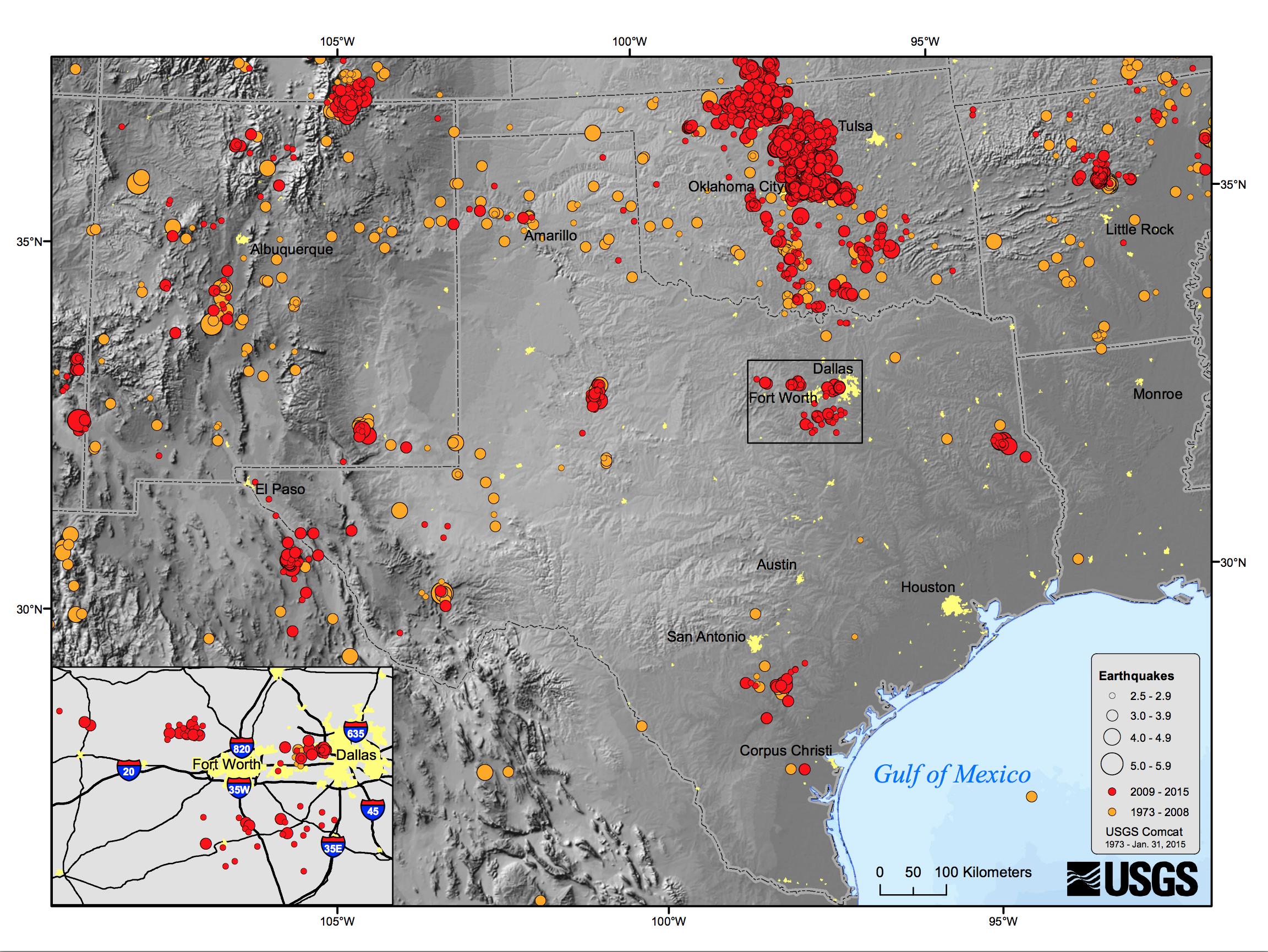
The Oklahoma border region of Texas, as well as areas within the Permian Basin, have seen a noticeable uptick in earthquake activity coinciding with intensive oil and gas operations and associated wastewater disposal. While the earthquakes are often small, some have reached magnitudes that can cause minor damage to structures, leading to increased public awareness and concern. Regulatory bodies, such as the Texas Railroad Commission, are tasked with overseeing these operations and have implemented rules aimed at mitigating seismic risks, including monitoring injection pressures and volumes, and sometimes requiring operators to cease or reduce injection in seismically sensitive areas. This evolving regulatory landscape underscores the recognition that human activities can indeed influence the earth’s crust.

Hydraulic Fracturing and Seismic Events
Hydraulic fracturing, commonly known as fracking, is another oil and gas extraction technique that has been associated with induced seismicity. Fracking involves injecting a high-pressure mixture of water, sand, and chemicals into underground rock formations to create fractures, allowing oil and natural gas to flow more freely. While the fracking process itself typically generates only very small microseismic events that are not felt at the surface, the subsequent disposal of the “flowback” water – the water that returns to the surface after fracking – through injection wells is a more significant contributor to felt earthquakes.
However, there have been instances where the fracturing process itself, particularly if it extends to pre-existing faults, has been implicated in generating felt seismic events. The depth of the injection, the volume of fluid used, and the proximity of faults are all critical factors. As Texas continues to be a leader in oil and gas production, managing the seismic risks associated with these industries remains a priority for state officials and researchers.
Understanding and Preparing for Texas Earthquakes
While Texas is not on par with regions like California or Alaska in terms of seismic hazard, the possibility of earthquakes, both natural and induced, means that a degree of awareness and preparedness is prudent for residents and visitors. The vast majority of earthquakes in Texas are minor and go unnoticed by the public. However, even a moderate earthquake can cause disruption, and understanding basic safety measures is always beneficial.
Safety Measures and Preparedness
For those traveling to Texas for leisure or business, staying in accommodations such as hotels, resorts, or apartments, the preparedness advice is generally consistent with earthquake safety guidelines anywhere. If an earthquake occurs while you are in a building, the recommended action is to “Drop, Cover, and Hold On.”
- Drop to your hands and knees. This position protects you from being knocked down and allows you to crawl if necessary.
- Cover your head and neck with your arms and hands. If possible, crawl under a sturdy table or desk for added protection.
- Hold On to your shelter until the shaking stops. Be prepared to move with it if it shifts.
If you are outdoors, move to an open area away from buildings, trees, power lines, and other structures that could fall. If you are in a vehicle, pull over to a clear location and stay inside the vehicle with your seatbelt fastened until the shaking stops. After the shaking subsides, be aware of potential aftershocks.
For residents of Texas, preparedness extends to securing heavy furniture, identifying safe spots in homes, and having emergency supplies such as water, food, a first-aid kit, and a flashlight. Familiarizing yourself with local emergency plans and resources can also be invaluable. The Texas Division of Emergency Management provides valuable information and resources for earthquake preparedness.
The Role of Tourism and Accommodation
The relatively low seismic risk in most of Texas contributes to its appeal as a travel destination. Visitors can explore iconic landmarks like the Alamo in San Antonio, enjoy the vibrant music scene in Austin, or experience the rich history of cities like Galveston. Hotels, resorts, and rental accommodations across the state offer a wide range of amenities and experiences, from luxurious suites to budget-friendly apartments, generally without the heightened seismic concerns found in other parts of the country.
However, understanding the potential for seismic activity, however small, adds another layer to the comprehensive travel experience. When booking accommodation, particularly in areas known for higher seismic potential, it’s always wise to consider the building’s construction and local emergency protocols. The tourism industry in Texas plays a vital role in showcasing the state’s diverse attractions, and by providing clear information and ensuring safety standards, it can continue to welcome visitors with confidence. Whether planning a family trip, a romantic getaway, or a business stay, Texas offers a wealth of experiences, and a basic understanding of its geological nuances is simply part of appreciating the full picture of this multifaceted state.
In conclusion, while Texas may not be synonymous with earthquakes, the earth beneath it does shift. From natural tectonic movements in the Permian Basin to the growing influence of human-induced seismicity, understanding the seismic landscape of Texas is an important aspect of life and travel within its borders. The state’s geological story is still being written, and with continued monitoring, research, and responsible practices, Texas can continue to be a safe and captivating destination for all.
LifeOutOfTheBox is a participant in the Amazon Services LLC Associates Program, an affiliate advertising program designed to provide a means for sites to earn advertising fees by advertising and linking to Amazon.com. Amazon, the Amazon logo, AmazonSupply, and the AmazonSupply logo are trademarks of Amazon.com, Inc. or its affiliates. As an Amazon Associate we earn affiliate commissions from qualifying purchases.