
For anyone planning a road trip through the vast landscapes of the Lone Star State, relocating to its bustling cities, or simply curious about local driving regulations, a fundamental question often arises: Does Texas require front license plates? The straightforward answer is yes. Texas is one of the states in the United States that mandates vehicles to display both a front and a rear license plate. This seemingly minor detail carries significant weight for drivers, encompassing legal compliance, vehicle identification, and even implications for the aesthetics of one’s car.
Understanding this regulation is crucial for residents and visitors alike, ensuring a smooth and enjoyable experience whether you’re cruising through the vibrant streets of Austin, navigating the sprawling highways of Houston, exploring the historic charm of San Antonio, or doing business in Dallas. This article delves into the specifics of Texas law, the rationale behind the two-plate system, and essential advice for anyone driving in this diverse and dynamic state.
The Straight Answer: Texas Law and Vehicle Registration
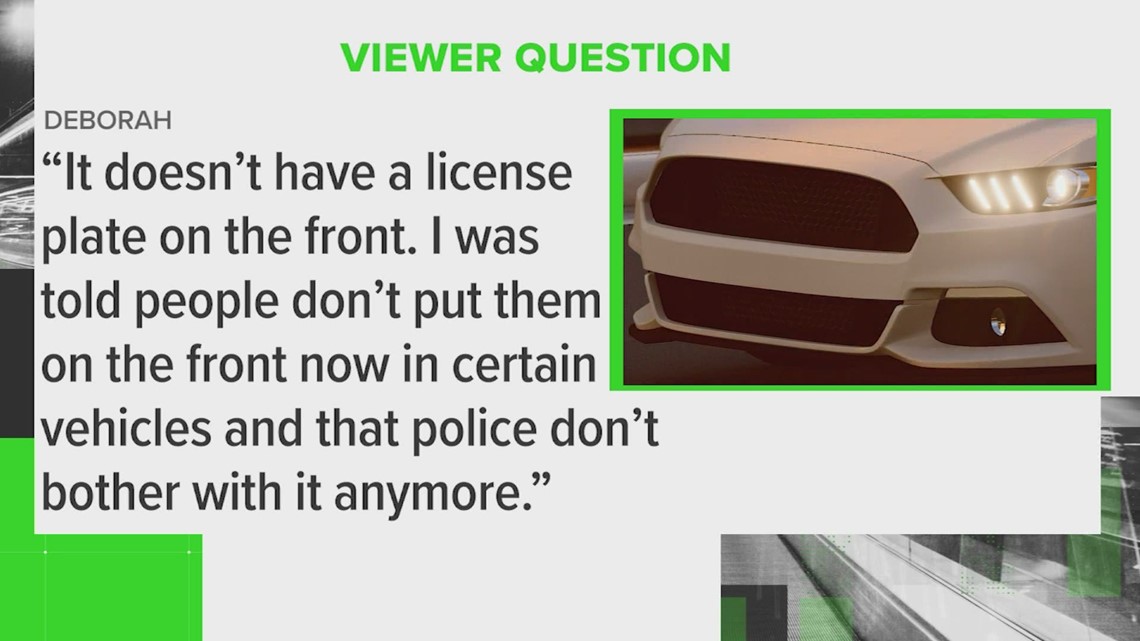
The requirement for front license plates in Texas is not merely a suggestion; it is a firmly established legal mandate outlined in the Texas Transportation Code. Failing to comply can result in fines and other penalties, making it an essential piece of information for any driver within the state’s borders.
Understanding the Texas Vehicle Code
According to Chapter 504 of the Texas Transportation Code, specifically Section 504.943, a passenger car or light truck must display two license plates, one at the front and one at the rear. These plates must be securely attached to the vehicle in a horizontal position, clearly visible, and free from any obstructions that might hinder their readability. This means no tinted covers, no frames that obscure the state name or expiration stickers, and certainly no storing the front plate on the dashboard or tucking it away in the trunk.
The purpose of this explicit detailing is to ensure that law enforcement and automated systems can easily identify vehicles for various reasons, from traffic enforcement to public safety initiatives. While some vehicles, such as motorcycles and certain antique or custom vehicles, might have exceptions or specific display requirements, the vast majority of cars and light trucks on Texas roads must adhere to the two-plate rule. It’s a foundational aspect of vehicle registration and operation in the state.
Implications for Drivers: Residents vs. Visitors
The Texas front license plate law applies universally to all vehicles registered in the state. For residents, this means ensuring their personal vehicles are always equipped with both plates as issued by the Texas Department of Motor Vehicles (DMV). When purchasing a new or used vehicle, it’s crucial to verify that it has provisions for mounting both plates. Many newer car models, particularly those marketed in states that typically don’t require front plates, might not come with pre-drilled holes or mounting brackets for a front plate, requiring owners to make minor modifications.
For visitors and tourists driving into Texas from other states or even from Mexico, the situation is slightly different but equally important. If your vehicle is registered in a state that only requires a rear license plate, you are generally exempt from the Texas front plate rule. The principle of reciprocity usually applies, meaning Texas respects the registration laws of your home state or country. However, if you plan to establish residency in Texas and re-register your vehicle, you will then be required to comply with the two-plate system. It’s always wise for long-term visitors or those considering a move to familiarize themselves with these distinctions to avoid any misunderstandings or potential legal issues.
Why the Two-Plate System? A Look at Safety and Enforcement
The requirement for two license plates isn’t arbitrary; it serves several critical functions related to public safety, law enforcement, and traffic management. While some drivers might view it as an aesthetic hindrance, the benefits it provides to the broader community are substantial.
Enhancing Law Enforcement and Identification
One of the primary reasons for the dual-plate system is to enhance the ability of law enforcement to identify vehicles quickly and accurately. In situations ranging from routine traffic stops to urgent Amber Alerts, having both a front and rear plate provides multiple angles for identification. If a vehicle flees a scene, or if a witness only catches a glimpse of the front or back, the chances of identifying the vehicle are significantly increased.
This dual visibility is particularly crucial in preventing crime and aiding investigations. Stolen vehicles, hit-and-run incidents, or vehicles involved in other criminal activities can be more easily tracked and identified with two points of reference. Moreover, in an era of advanced surveillance and automated systems, front plates are indispensable. Speed cameras, red-light cameras (where permitted), and parking enforcement technologies often rely on capturing images of the front of a vehicle. Without a front plate, these systems would be far less effective, potentially undermining traffic safety efforts and regulatory compliance.
Role in Modern Traffic Management
Beyond law enforcement, front license plates play a vital role in modern traffic management infrastructure, particularly concerning toll roads. Texas boasts an extensive network of toll roads, especially around major metropolitan areas like Dallas, Houston, and Austin. These toll roads often utilize automated systems that photograph license plates to charge tolls, especially for drivers who do not have an electronic transponder like a TxTag or TollTag.
When a vehicle passes through a toll plaza without a transponder, the system captures an image of the license plate – frequently the front plate – to send a bill to the registered owner. If there were no front plate, the system’s effectiveness would be severely hampered, leading to lost revenue for infrastructure maintenance and increased administrative burdens for toll authorities. This operational necessity underscores the practical importance of the front license plate in keeping Texas’s transportation network functioning efficiently.

Navigating Texas Roads: What Tourists and Travelers Need to Know
For the millions of tourists and travelers who flock to Texas each year, driving is often an integral part of their experience. Whether embarking on a scenic drive to Big Bend National Park, exploring the Gulf Coast beaches of Padre Island National Seashore, or hopping between vibrant cities, understanding local driving laws is paramount to a stress-free journey.
Renting a Car in Texas: What to Expect
If you’re planning to fly into a Texas city and rent a car for your adventures, you can rest assured that rental car companies operating within the state are fully compliant with the law. All rental vehicles registered in Texas will be equipped with both front and rear license plates. Before driving off the lot, it’s a good practice to quickly verify that both plates are securely attached and clearly visible, though issues are rare. Rental companies prioritize legal compliance to avoid penalties, ensuring their fleet meets all state requirements. This alleviates any concern for visitors about modifying their rental vehicle or facing unexpected fines related to license plate display.
Planning a Texas Road Trip: Essential Driving Tips
A Texas road trip is an unforgettable experience, offering everything from historic sites and vibrant music scenes to vast open ranches and stunning natural parks. Beyond ensuring your car (or rental) has a front license plate, here are some essential driving tips for navigating the Lone Star State:
- Vast Distances: Texas is huge. Distances between cities and attractions can be considerable, so factor in ample driving time. Keep your fuel tank full, especially when venturing into more rural areas where gas stations might be sparse.
- Speed Limits: Speed limits on interstates and major highways can be quite high, often 75 mph, and sometimes even 80 or 85 mph in specific rural stretches. Always pay attention to posted signs.
- Weather Conditions: Texas weather can be unpredictable. Summers are hot, and thunderstorms are common. Be prepared for sudden changes, especially when driving through diverse terrains.
- Toll Roads: As mentioned, many urban areas have toll roads. Consider purchasing a TxTag or TollTag for convenience, or be aware that toll-by-mail systems will photograph your license plate and send a bill.
- Stay Hydrated: This is especially true if you plan to stop and explore outdoor attractions. Keep plenty of water in your vehicle.
By keeping these tips in mind, your Texas road trip will be as smooth as the state’s meticulously maintained highways.
Common Misconceptions and Avoiding Fines
Despite the clear legal mandate, common misconceptions about front license plates persist. Some drivers mistakenly believe that because their vehicle didn’t come with pre-drilled holes for a front plate, they are exempt, or that displaying the plate on the dashboard is sufficient. Both are incorrect and can lead to a Class C misdemeanor in Texas, carrying a fine of up to $200. While the primary enforcement is typically a warning or a simple fine, repeat offenses or combinations with other violations could escalate the situation.
For car enthusiasts, the aesthetic appeal of a vehicle without a front plate can be a strong motivator to bypass the rule. However, the risk of a citation outweighs the perceived benefit. It’s always best to comply with the law. If your vehicle lacks a factory mounting solution, various aftermarket brackets are available that can securely attach the plate without permanent damage to the bumper, often utilizing existing grille vents or tow hook receptacles. Ensuring full compliance is the simplest way to avoid unnecessary stops, fines, and potential disruptions to your travel plans.
Beyond the Law: The Culture of Driving in Texas
Driving in Texas is more than just a means of transportation; it’s a significant part of the state’s culture and lifestyle. Given its immense size and diverse geography, personal vehicles are essential for experiencing all that the Lone Star State has to offer. The front license plate rule, while a legal detail, touches upon deeper aspects of vehicle ownership and the role of the automobile in Texan identity.
Vehicle Aesthetics and Customization
Many car owners take great pride in the appearance of their vehicles, and for some, a front license plate can disrupt the clean lines or design of a car’s front fascia. This is particularly true for owners of sports cars, classic vehicles, or customized trucks, where every detail is meticulously curated. The pushback against front plates in states that mandate them often stems from this aesthetic preference.
In Texas, a state known for its love of trucks and impressive vehicles, customization is a prevalent part of car culture. From lifted trucks to meticulously restored muscle cars, Texans often personalize their rides. While the desire to maintain a pristine, unblemished front end is understandable, the law remains steadfast. This often leads car enthusiasts to seek creative, yet compliant, solutions for displaying their front plates, such as removable brackets or offset mounts that minimize visual impact while adhering to the legal requirements. It’s a testament to the balance between individual expression and civic responsibility on the open road.

The Big Picture: Driving and Tourism in the Lone Star State
For tourists, driving is arguably the best way to truly experience the depth and breadth of Texas. From the arts and culture of Austin to the historical missions of San Antonio, the cosmopolitan appeal of Dallas and Houston, to the rugged beauty of West Texas and the serene beaches of the Gulf Coast, a vehicle offers unparalleled freedom to explore. The diverse range of attractions, accommodations from luxury resorts to charming boutique hotels, and unique culinary experiences are often scattered across vast distances, making driving an indispensable part of the Texan travel lifestyle.
Knowing and respecting local driving laws, including the front license plate requirement, ensures that your journey through this magnificent state is free from avoidable complications. It’s a small detail that contributes to the larger framework of safe and orderly travel, allowing you to focus on the grandeur of the landscapes, the warmth of the hospitality, and the richness of the culture that define Texas. So, whether you’re a long-time resident or a first-time visitor, remember to equip your vehicle with that essential front plate and enjoy all the Lone Star State has to offer.
LifeOutOfTheBox is a participant in the Amazon Services LLC Associates Program, an affiliate advertising program designed to provide a means for sites to earn advertising fees by advertising and linking to Amazon.com. Amazon, the Amazon logo, AmazonSupply, and the AmazonSupply logo are trademarks of Amazon.com, Inc. or its affiliates. As an Amazon Associate we earn affiliate commissions from qualifying purchases.