
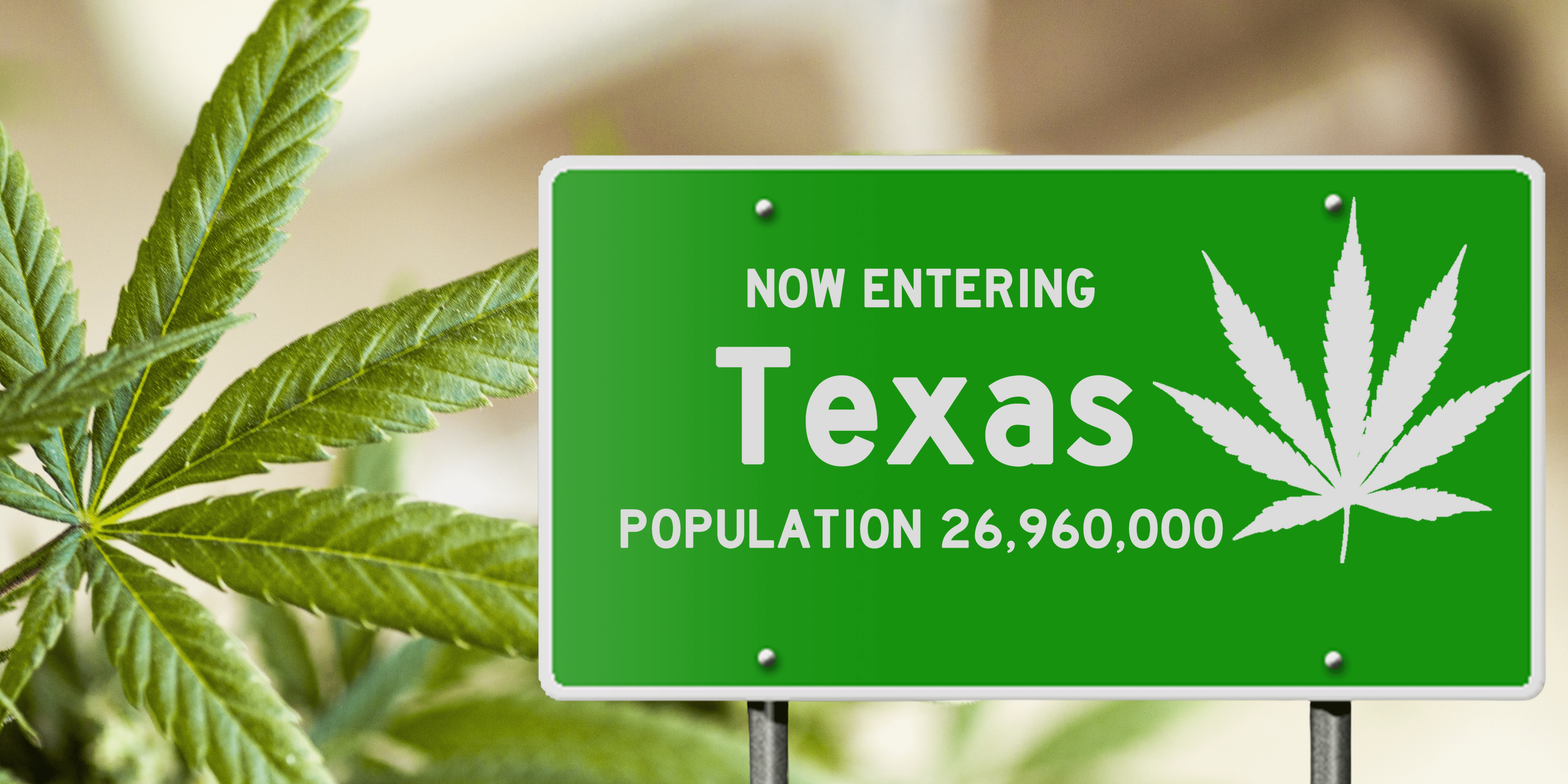
Texas, a state often characterized by its vast landscapes and independent spirit, has a nuanced and evolving relationship with medical cannabis. For years, the Lone Star State was perceived as one of the most restrictive in the nation regarding marijuana, even for medicinal purposes. However, legislative changes have gradually opened the door, creating a carefully regulated program that offers therapeutic options for specific conditions. This exploration delves into the current state of medical marijuana in Texas, examining its legal framework, qualifying conditions, access points, and the broader implications for patients and the burgeoning cannabis industry.
The Legal Landscape of Medical Cannabis in Texas
The journey toward legal medical cannabis in Texas was a protracted one, marked by incremental steps and significant debate. Unlike many other states that have adopted broad medical or recreational marijuana laws, Texas has taken a more conservative approach, establishing a limited program designed to address severe medical conditions.
House Bill 1 (HB1) and the Texas Compassionate Use Program (TCUP)
The cornerstone of Texas’s medical cannabis legislation is the Texas Compassionate Use Program (TCUP), established in 2015 by House Bill 1. Initially, TCUP was quite restrictive, allowing access only to patients with intractable epilepsy who were not responsive to FDA-approved treatments. The program focused on low-THC cannabis, meaning the tetrahydrocannabinol (THC) content was capped at 0.5% by weight. This was a deliberate choice to differentiate it from recreational marijuana and to alleviate concerns about psychoactive effects.
Over the years, TCUP has been expanded through subsequent legislative sessions, broadening the scope of qualifying conditions and increasing the allowable THC limit. These amendments reflect a growing understanding of the potential therapeutic benefits of cannabis and a response to public and patient advocacy.
Evolution and Expansion of Qualifying Conditions
The expansion of qualifying conditions has been a critical development for TCUP. What began with intractable epilepsy has gradually included other debilitating diseases and conditions. As of recent legislative updates, patients diagnosed with certain conditions may be eligible for low-THC cannabis treatment. These typically include:
- Epilepsy and other seizure disorders: This remains a primary focus of the program.
- Multiple Sclerosis (MS): Patients suffering from the symptoms of MS, such as spasticity and chronic pain, may find relief.
- Spasticity: Severe spasticity, regardless of its underlying cause, is a qualifying condition.
- Amyotrophic Lateral Sclerosis (ALS): Also known as Lou Gehrig’s disease, ALS is a progressive neurodegenerative disease that can cause significant debilitating symptoms.
- Autism: Certain symptoms associated with autism spectrum disorder, such as aggression, self-injury, and severe tantrums, are now covered.
- Terminal Cancer: Patients diagnosed with terminal cancer and experiencing associated symptoms like pain, nausea, or vomiting are eligible.
- Post-Traumatic Stress Disorder (PTSD): This addition reflects a recognition of the therapeutic potential for mental health conditions.
- Incurable Neurological Disease: A broader category encompassing conditions like Parkinson’s disease and Huntington’s disease, offering relief from associated motor and non-motor symptoms.
It is important to note that the specific interpretation and application of these qualifying conditions are determined by the Texas Department of Public Safety (DPS), which oversees the Compassionate Use Registry of Texas (CURT). The list of conditions is subject to change as the program evolves and scientific understanding advances.
Prescribing Physicians and Patient Registration
Access to medical cannabis in Texas is strictly controlled through a physician-patient relationship. Only physicians registered with the DPS are authorized to prescribe low-THC cannabis. These physicians must undergo specialized training to understand the nuances of cannabis therapeutics and the regulations governing TCUP.
To obtain medical cannabis, a patient must first be diagnosed with a qualifying condition by a registered physician. The physician then enters the patient’s information into the CURT system. This registry serves as the central database for patient access and ensures that prescriptions are tracked and monitored. Patients do not receive a physical medical marijuana card; instead, their eligibility is confirmed through the CURT system when they fill their prescription at a licensed dispensary.
Accessing Medical Cannabis: Dispensaries and Products
While Texas has a medical cannabis program, it differs significantly from the open retail models seen in many other states. The supply chain is tightly controlled, from cultivation to dispensing.
Licensed Medical Marijuana Dispensaries
The state has licensed a limited number of medical marijuana dispensaries to cultivate, process, and dispense low-THC cannabis products. These dispensaries operate under strict regulatory oversight to ensure product quality, safety, and compliance. As of recent updates, there are a few licensed dispensaries operating across the state, with locations strategically chosen to serve patient populations. These include well-known entities like:
- Curaleaf Texas: A prominent player in the medical cannabis industry, Curaleaf operates dispensaries in various Texas cities.
- Trulieve Texas: Another significant multi-state operator, Trulieve also has a presence in the Texas market.
- GTI Texas (Rise Dispensaries): Green Thumb Industries operates its Rise dispensaries within Texas.
- Fluent Texas: Fluent is another licensed dispensary providing access to medical cannabis.
- Texas Original Compassionate Cultivation (TXOG): A Texas-based company dedicated to serving patients within the state.
These dispensaries offer a range of low-THC cannabis products, which are formulated to meet the specific requirements of TCUP.
Product Formulations and Delivery Methods
The products available under TCUP are characterized by their low THC content, typically not exceeding 0.5% by weight. The emphasis is on cannabidiol (CBD), a non-psychoactive compound known for its potential therapeutic benefits, such as anti-inflammatory and anti-anxiety properties.
Common product formulations include:

- Oils and Tinctures: These are liquid extracts that can be administered sublingually (under the tongue) or added to food or beverages. They offer precise dosing capabilities.
- Capsules: Edible capsules provide a discreet and convenient way to consume low-THC cannabis with a consistent dosage.
- Vape Pens: While less common due to regulations that may restrict certain inhalation methods, some states with similar programs allow for vaporized forms of low-THC cannabis for rapid symptom relief. Texas regulations may vary on specific delivery methods permitted.
- Topicals: Creams, lotions, and balms designed for localized application to the skin, often used for pain or inflammation.
The selection of delivery methods aims to cater to diverse patient needs and preferences while adhering to the state’s regulatory framework. The focus remains on delivering therapeutic cannabinoids in safe and effective forms, prioritizing patient well-being and minimizing the risk of adverse psychoactive effects.
Navigating Texas’s Cannabis Landscape: Patient Considerations
For patients in Texas seeking to explore medical cannabis as a treatment option, understanding the program’s intricacies is crucial. The limited nature of TCUP means that not all conditions are covered, and access points are specific.
Who Qualifies? A Patient’s Eligibility Journey
Eligibility for TCUP is a multi-step process that begins with a diagnosis.
- Diagnosis of a Qualifying Condition: The patient must have a confirmed diagnosis of one of the conditions listed by the Texas Department of Public Safety. This diagnosis should be well-documented.
- Consultation with a Registered Physician: The patient must consult with a physician who is licensed by the state and registered with the Compassionate Use Registry of Texas (CURT). This physician will assess the patient’s condition and determine if it meets the criteria for low-THC cannabis treatment.
- Physician Prescription and CURT Registration: If the physician deems the patient eligible, they will enter the patient’s prescription into the CURT system. This electronic registration is the key to accessing medical cannabis.
- Filling the Prescription at a Licensed Dispensary: Once registered in CURT, the patient can visit any licensed Texas dispensary to fill their prescription. They will need to provide identification and confirm their registration through the CURT system.
It is essential for patients to be aware that the program is specifically for medical use and is overseen by healthcare professionals. It is not a pathway to recreational marijuana.
The Importance of a Medical Recommendation
Unlike states with broad medical marijuana laws, Texas’s TCUP requires a formal prescription from a physician. This means that simply having a condition that might be treatable with cannabis elsewhere does not automatically qualify a patient in Texas. The physician’s assessment and recommendation are paramount. Patients should gather all relevant medical records and be prepared to discuss their symptoms and treatment history thoroughly with their physician.
What to Expect at a Texas Dispensary
Visiting a licensed dispensary in Texas is a controlled experience. Unlike a retail store, dispensaries are more akin to pharmacies.
- Professional Consultation: Patients will typically be greeted by trained staff who can explain product options, dosages, and answer questions about the effects of different cannabinoid profiles.
- Product Knowledge: Dispensary staff are knowledgeable about the specific low-THC products available and can guide patients toward the most suitable options based on their prescribed needs.
- Compliance and Privacy: Dispensaries operate under strict privacy laws. Patient information is kept confidential, and transactions are recorded within the CURT system.
- Limited Product Variety: Patients should expect a focused selection of products designed for therapeutic use, with an emphasis on CBD-dominant formulations.
Understanding Dosage and Effects
The low-THC nature of Texas’s medical cannabis means that patients are unlikely to experience significant psychoactive effects. The primary goal is therapeutic relief from symptoms. Patients are encouraged to start with low doses and gradually increase as advised by their physician or dispensary staff. It is crucial to understand how different products might affect the body and to monitor these effects closely. Consistency in dosing and administration is often key to achieving optimal therapeutic outcomes.
The Future of Medical Cannabis in Texas
The landscape of medical cannabis in Texas is in a constant state of evolution. While the state has made progress, there remains ongoing discussion and advocacy for further reform.
Potential for Program Expansion
Advocates continue to push for the expansion of TCUP to include a wider range of conditions. There is also ongoing debate about increasing the THC limit, which could potentially offer more robust relief for certain patients. The success of similar programs in other states often serves as a reference point for these discussions in Texas.
Economic and Social Implications
The growth of the medical cannabis industry in Texas, though nascent, brings with it economic considerations. Licensed dispensaries and cultivation facilities create jobs and contribute to the state’s economy. Socially, the program represents a shift in how the state addresses certain health conditions, moving towards a more patient-centered approach for those who can benefit from therapeutic cannabis.
Broader Cannabis Reform Discussions
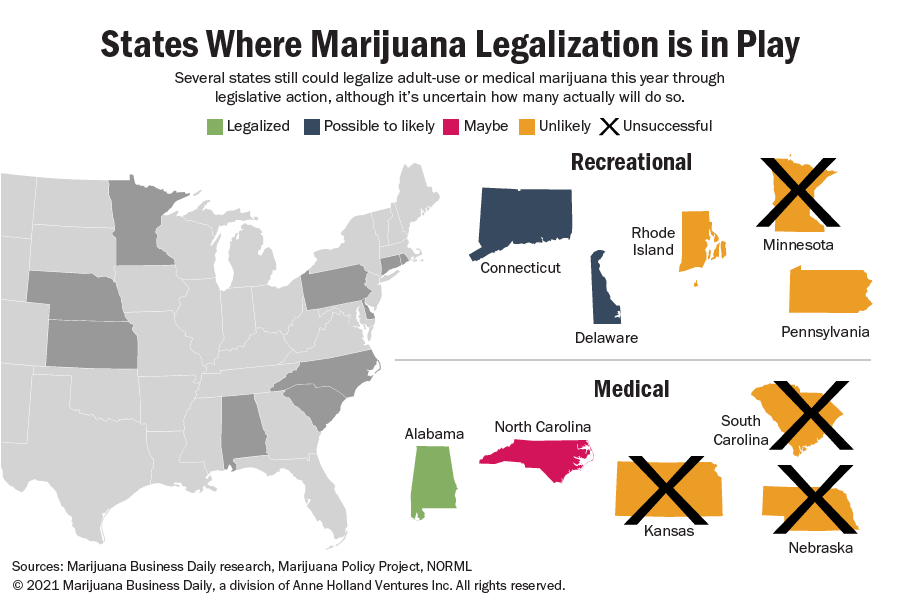
The existence and gradual expansion of TCUP are part of a larger conversation about cannabis policy in Texas. While recreational marijuana remains illegal, the medical program has opened the door for increased dialogue and awareness. Future legislative sessions will likely see continued efforts to refine and potentially expand the scope of medical cannabis access in the Lone Star State, balancing public health concerns with the therapeutic needs of patients. As understanding of cannabis science grows and patient experiences accumulate, Texas’s approach to medical marijuana is likely to continue to adapt.
LifeOutOfTheBox is a participant in the Amazon Services LLC Associates Program, an affiliate advertising program designed to provide a means for sites to earn advertising fees by advertising and linking to Amazon.com. Amazon, the Amazon logo, AmazonSupply, and the AmazonSupply logo are trademarks of Amazon.com, Inc. or its affiliates. As an Amazon Associate we earn affiliate commissions from qualifying purchases.