
Texas, the Lone Star State, is renowned for its vast landscapes, vibrant culture, booming cities like Houston, Dallas, and Austin, and a general sense of rugged independence. For many, the allure of Texas lies not only in its unique travel destinations and attractions but also in its reputation for a favorable financial climate, often highlighted by the absence of a state income tax. This fact frequently leads to a common misconception: that Texas is a low-tax haven across the board. However, for anyone considering a visit, an extended stay, or even a permanent relocation, understanding the state’s property tax structure is absolutely essential. The short answer to the question “Does Texas have property taxes?” is a resounding yes. In fact, Texas relies heavily on local property taxes to fund its public services, resulting in some of the highest property tax rates in the United States.
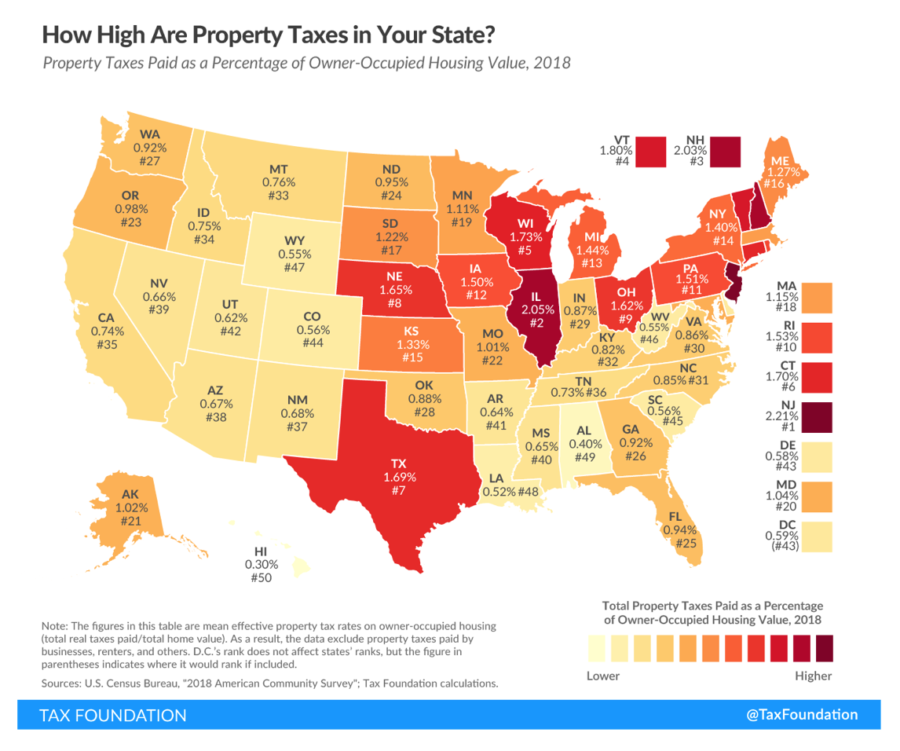
This reliance on property taxes profoundly impacts various facets of life in Texas, from the cost of staying in a luxury resort in San Antonio to the availability of budget accommodations near Galveston beaches. It influences the overall lifestyle for residents, affects decisions for businesses investing in hotels or apartments, and plays a role in the funding and maintenance of the very landmarks and tourist attractions that draw visitors from around the globe. For the savvy traveler, the entrepreneur eyeing investment in the hospitality sector, or the family dreaming of a Texas homestead, a deeper dive into this fiscal reality is not just helpful—it’s critical.
Understanding the Lone Star State’s Tax Landscape
To truly appreciate the financial considerations in Texas, one must first grasp the unique balance it strikes with its taxation system. The absence of a state income tax is a significant draw, often cited by those making the move from states like California or New York. However, this revenue gap must be filled somehow, and in Texas, property taxes step up to play that crucial role.
No State Income Tax, But Local Reliance
The most talked-about tax advantage in Texas is undoubtedly the lack of a personal or corporate state income tax. This means that individuals do not pay a percentage of their earnings to the state government, potentially leaving more money in their pockets. For businesses, this can translate into a more favorable environment for growth and investment, influencing decisions on where to establish operations, including boutique hotels or sprawling resorts catering to business travelers or family trips.
However, this substantial state-level tax relief comes with a trade-off. Local government entities – including counties, cities, school districts, and various special districts – are heavily dependent on property tax revenue to fund their operations. These funds support essential public services such as public education, local infrastructure (roads, bridges, utilities), police and fire departments, emergency medical services, and public parks. This decentralized approach means that the actual tax burden can vary dramatically from one municipality or county to another, even within the same metropolitan area. For instance, the property tax rate in a rapidly developing area on the outskirts of Austin might be different from an established neighborhood in Dallas, impacting everything from the cost of accommodation to the overall appeal of a location for certain lifestyles.
How Property Taxes Are Calculated in Texas
Understanding how property taxes are calculated in Texas is key to predicting costs, whether you’re evaluating a potential home purchase or simply curious about the economic drivers behind the local tourism industry. The process generally involves two main components: property valuation and tax rates.
Firstly, each property in Texas is assigned an appraised value by a local appraisal district, which is an independent government entity. This appraisal is meant to reflect the market value of the property as of January 1st of each year. Factors influencing this value include the size and condition of the property, recent sales of comparable properties in the area, and market trends. Property owners have the right to protest their appraisal if they believe it is too high, a common practice aimed at reducing their tax liability.
Secondly, various local taxing units – such as the county, city, school district, and any special districts (e.g., hospital districts, water districts) – set their own tax rates. These rates are expressed per $100 of appraised value. For example, a rate of $2.50 per $100 means that for every $100 of your home’s appraised value, you would pay $2.50 in taxes. These individual rates are combined to form a total effective property tax rate for a specific location. Given the multiple entities involved, it’s not uncommon for combined property tax rates in some Texas communities to reach 2.5% or even 3% of the property’s appraised value annually. This can translate to substantial annual costs, especially for higher-value properties. These local taxes directly support the infrastructure and services that enhance the quality of life and the attractiveness of an area, from well-maintained roads in Fort Worth to vibrant public spaces in El Paso.
The Impact on Texas Living and Travel
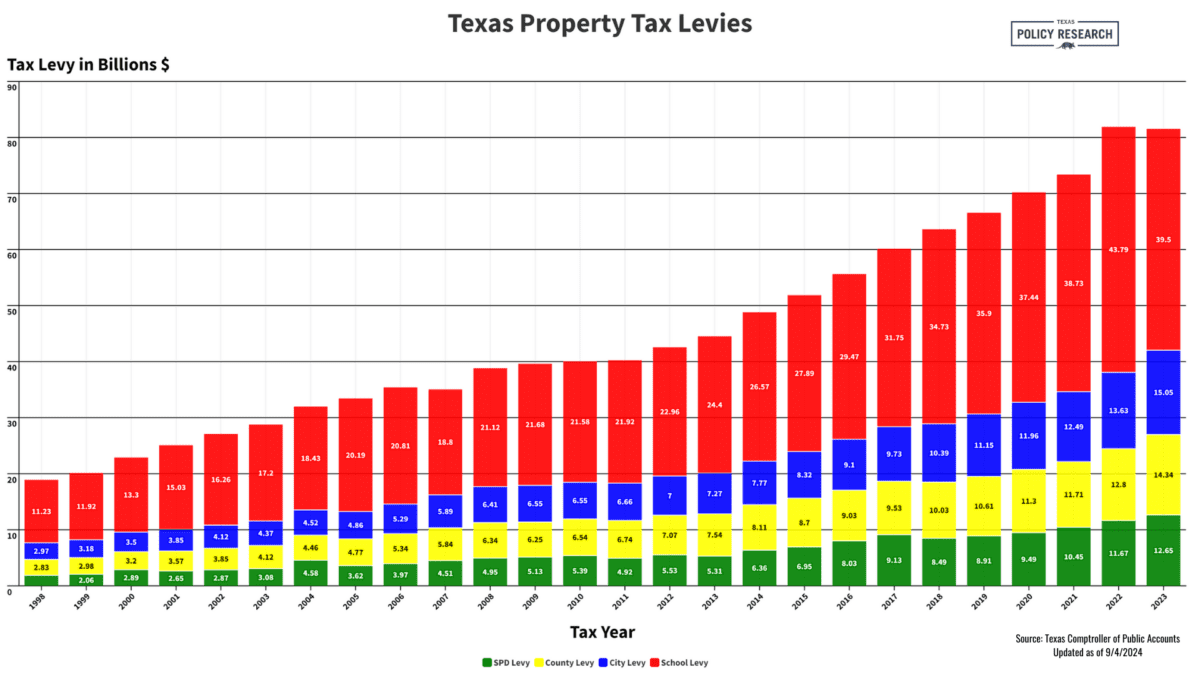
The high reliance on property taxes in Texas has a cascading effect that extends far beyond the homeowner’s ledger. It shapes the economic landscape for the tourism and hospitality sectors, influences the types of accommodations available, and even plays a role in the preservation and enhancement of the state’s many landmarks and attractions.
From Hotels to Homesteads: What it Means for Accommodation
For anyone planning a trip to Texas, whether for a weekend getaway to the Texas Hill Country or an extended stay in a Dallas high-rise, property taxes are an invisible but significant factor in the cost of accommodation. Owners of hotels, resorts, vacation rentals, and even boutique apartments factor these taxes into their operational budgets. A higher property tax burden means higher overhead costs, which are inevitably reflected in room rates, nightly prices for villas, or long-term rental costs. This can subtly influence everything from the pricing of a suite at the Omni Dallas Hotel to the affordability of a charming B&B in Fredericksburg.
Developers considering new hotel projects or residential developments in popular Texas cities must carefully analyze the property tax implications. High taxes in certain areas might deter investment, potentially limiting the growth of new accommodation options or driving up the cost of existing ones. Conversely, areas with more favorable tax structures might see increased development, offering more diverse choices for travelers seeking anything from luxury amenities to budget-friendly stays. For those considering relocating to Texas, property taxes are often the single largest recurring housing expense, eclipsing even mortgage interest in some cases. This makes thorough research into specific neighborhoods and their corresponding tax rates an essential part of the home-buying process, directly affecting their long-term lifestyle and financial planning.
Funding Local Charms and Tourist Infrastructure
While property taxes can represent a significant cost, it’s crucial to acknowledge the vital role they play in enriching the Texas experience for both residents and visitors. The revenue generated funds the very infrastructure and services that make Texas an attractive travel destination. Think of the well-maintained roads leading to the Alamo in San Antonio, the public safety that ensures a pleasant stroll along the San Antonio River Walk, or the quality education systems that draw families to vibrant communities, which in turn fuels local economies and culture.
These taxes contribute to the upkeep of historic sites, the development of nature trails in state parks like Big Bend National Park, and the funding for local museums and cultural centers that showcase Texas’ rich history and diverse heritage. For example, a significant portion of property tax revenue goes to school districts, which not only educate future generations but also often serve as community hubs, contributing to the overall appeal and vitality of a town. Without these local funds, the cleanliness, safety, and amenities that travelers expect and locals enjoy would be severely compromised. In essence, while they are a cost, property taxes are also an investment in the very fabric of Texas that makes it such a compelling place to visit and live, supporting everything from local food scenes to major festivals.
Navigating Property Taxes: Tips for Visitors and Potential Residents
For those enchanted by the idea of experiencing all that Texas has to offer, understanding and preparing for the state’s property tax structure is a smart move. Whether you’re planning an extended vacation, considering a short-term rental investment, or dreaming of making Texas your permanent home, a bit of foresight can make all the difference.
Researching Specific Locations
Given the localized nature of property taxes in Texas, general assumptions can be misleading. A “low-tax” reputation for the state doesn’t mean every city or county shares that characteristic. If you’re looking for accommodation for an extended stay, researching specific neighborhoods or towns is paramount. Websites of local appraisal districts and taxing units are publicly accessible and provide detailed information on tax rates. For example, property tax rates in a bustling city center like Downtown Houston might be different from those in a quieter suburb like Plano or a coastal community like Corpus Christi.
For travelers and investors in vacation properties, knowing these differences can help inform decisions about where to stay or where to purchase a rental unit. Higher property taxes in prime tourist areas might explain slightly elevated rental costs but could also indicate better-funded public services and infrastructure, which enhance the visitor experience. Conversely, areas with lower taxes might offer more budget-friendly options but might have different levels of public services. Utilizing tools for accommodation booking and comparison should always be complemented by an understanding of the underlying economic factors influencing pricing.

Understanding Exemptions and Relief Programs
For potential residents, particularly those looking to establish a permanent home, Texas offers various property tax exemptions that can significantly reduce the taxable value of a property. The most notable is the homestead exemption, which applies to a homeowner’s primary residence. This exemption reduces the appraised value of the home before taxes are calculated, thereby lowering the overall tax bill. School districts are required by law to offer a substantial homestead exemption, and counties, cities, and special districts may offer additional exemptions.
Furthermore, there are specific exemptions for the elderly (over 65), disabled veterans, and surviving spouses, which can provide even greater relief. Understanding and applying for these exemptions is crucial for managing the cost of living in Texas. For example, someone considering retirement in a picturesque Texas town might find the “over 65” exemption makes their dream of a tranquil lifestyle much more financially feasible. While these exemptions do not apply to hotels or commercial properties, they are a vital component of the personal finance landscape in the state, making Texas more accessible for many families and retirees.
In conclusion, while the absence of a state income tax makes Texas an attractive prospect for many, the presence of robust local property taxes is an undeniable and significant aspect of its financial reality. For anyone interacting with the state, whether as a casual tourist enjoying its unique experiences, a seasoned traveler seeking luxury stays, an investor in the bustling hospitality market, or a family planning a permanent move, understanding this tax structure is paramount. It’s a key piece of the puzzle that explains the cost of accommodation, the funding of vital infrastructure, and the overall economic rhythm that pulses through the heart of the Lone Star State. By being informed, you can better navigate the financial landscape and fully enjoy all the incredible destinations and lifestyles that Texas has to offer.
LifeOutOfTheBox is a participant in the Amazon Services LLC Associates Program, an affiliate advertising program designed to provide a means for sites to earn advertising fees by advertising and linking to Amazon.com. Amazon, the Amazon logo, AmazonSupply, and the AmazonSupply logo are trademarks of Amazon.com, Inc. or its affiliates. As an Amazon Associate we earn affiliate commissions from qualifying purchases.