
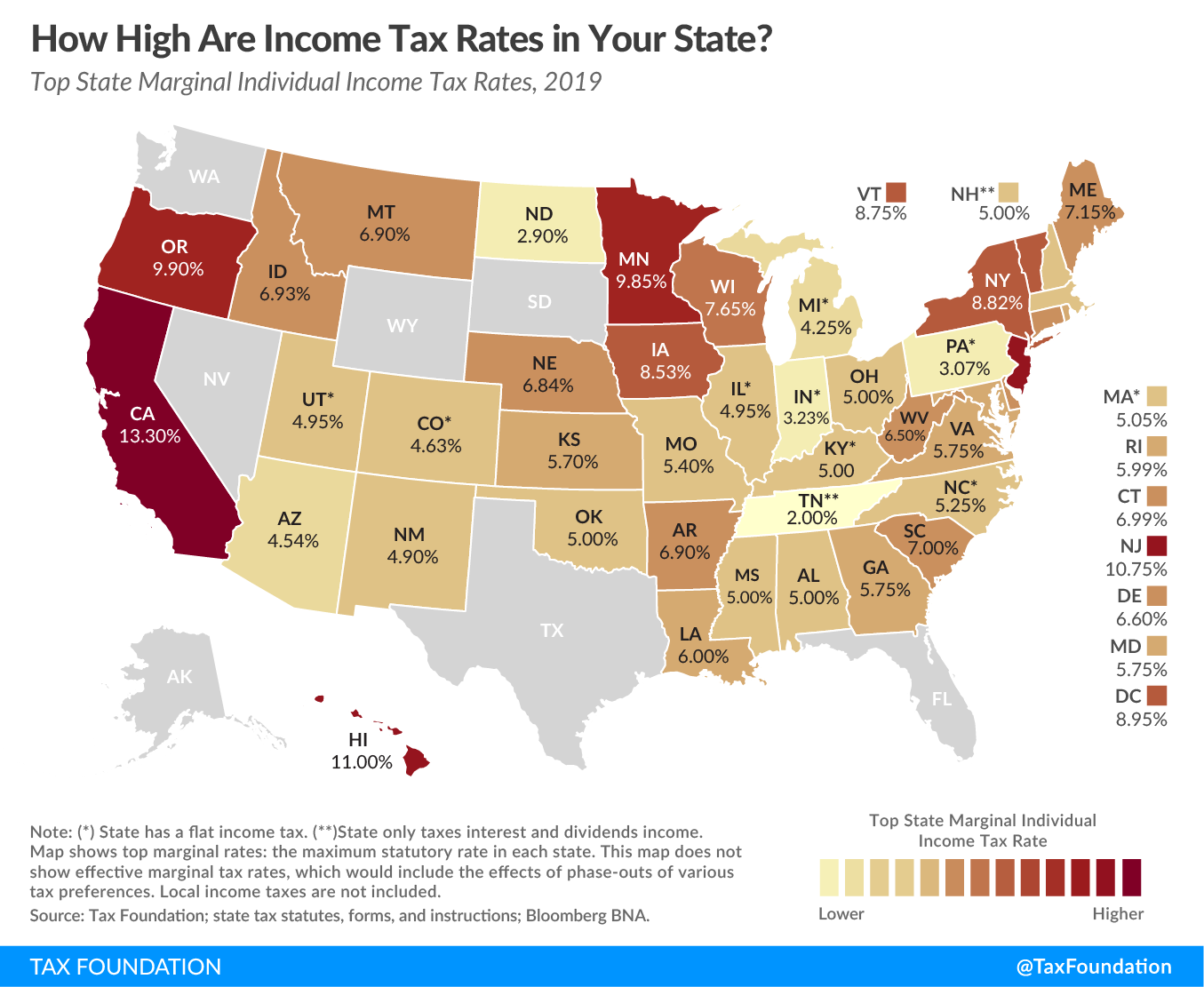
When planning a trip to the vast and varied state of Texas, understanding the financial landscape is crucial. Many travelers, especially those from states with hefty income tax burdens, often wonder: “Does Texas pay state taxes?” The answer, in a nutshell, is a resounding no, when it comes to state income tax. This unique financial characteristic is a significant draw for individuals and businesses alike, shaping Texas‘s reputation as a business-friendly and appealing destination for tourism and relocation.
The absence of a state income tax is a cornerstone of Texas‘s fiscal policy, setting it apart from many other U.S. states. This doesn’t mean Texas is tax-free; rather, it shifts the tax burden from income to other areas, primarily sales and property taxes. For the traveler, this translates into potentially more disposable income for exploring Texas‘s diverse attractions, indulging in its renowned culinary scene, and enjoying its abundant natural and man-made landmarks.
Understanding Texas’s Unique Tax Structure
The decision by Texas not to impose a state income tax is a deliberate policy choice with far-reaching implications. This approach aims to stimulate economic growth by encouraging investment and entrepreneurship. Businesses are attracted by the lower overheads associated with not having to withhold or pay state income tax on behalf of their employees. Similarly, individuals find that their net earnings are higher, allowing them to allocate more funds towards their lifestyle choices, whether that’s luxury travel, family vacations, or long-term stays in Texas‘s vibrant cities.
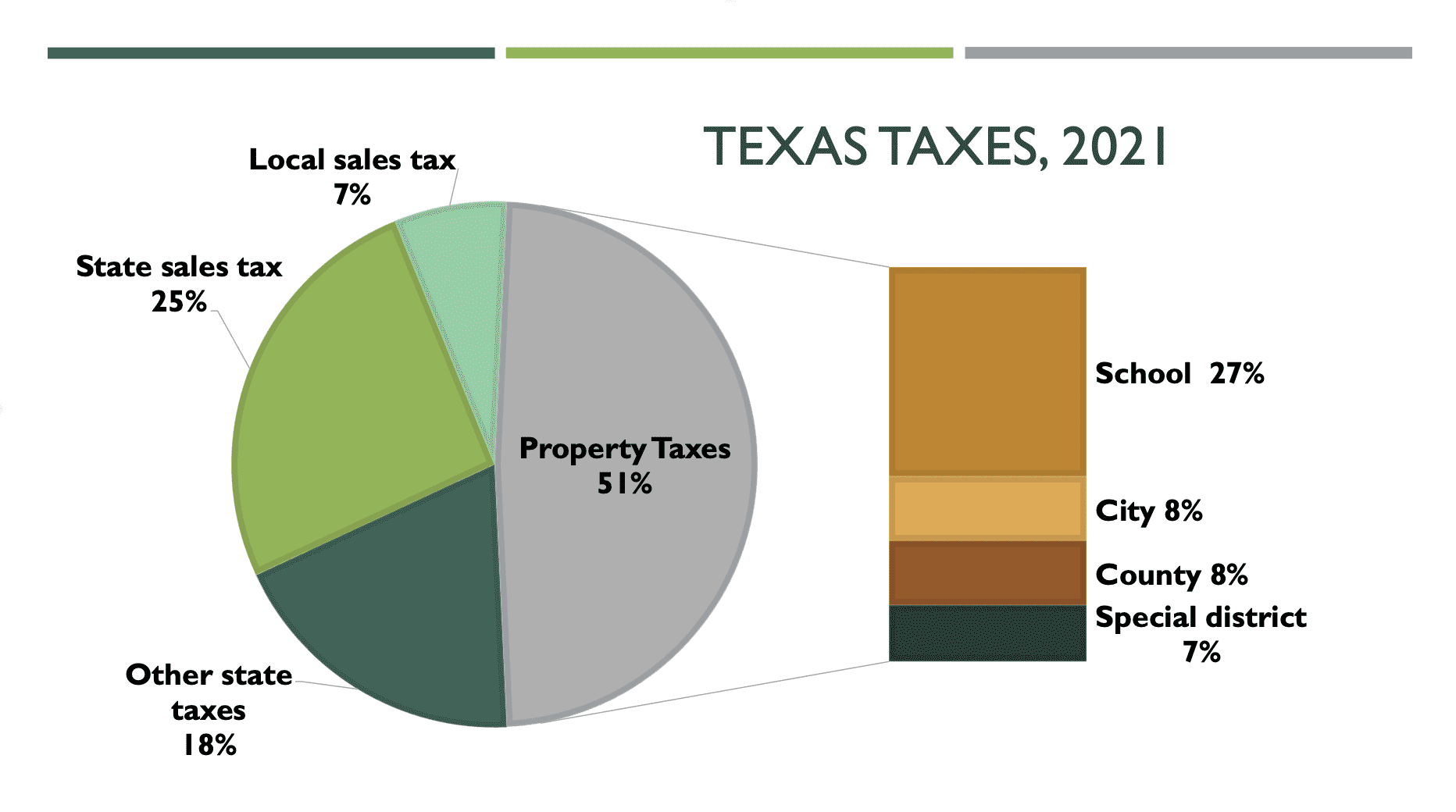
Instead of relying on income tax revenue, Texas funds its public services through a combination of sales taxes, property taxes, and other fees. This means that while you won’t see a deduction for state income tax on your pay stub if you work in Texas, you will encounter sales tax at the point of purchase and will be subject to property taxes if you own real estate. For visitors, the most immediate impact of this tax structure is felt through the state sales tax and local add-ons, which are applied to goods and some services.
Sales Tax: The Consumer’s Primary Tax Burden
The state sales tax is a significant source of revenue for Texas. It’s applied to most tangible personal property and certain services. The standard state sales tax rate is 6.25 percent. However, this is often supplemented by local sales taxes, which can vary considerably from city to city and county to county. This means the total sales tax you pay can range from 7.25 percent to 8.25 percent in many areas.
For tourists, this is an important consideration when budgeting for purchases. Whether you’re buying souvenirs in San Antonio, dining in Austin, or picking up outdoor gear for a trip to Big Bend National Park, the sales tax will be factored into the final price. Understanding the rates in different localities can help you make informed purchasing decisions. For instance, a larger purchase might be slightly more cost-effective in a municipality with lower local sales tax rates.
Certain essential items are often exempt from sales tax to ease the burden on residents. These typically include most groceries, prescription drugs, and certain medical supplies. However, for the traveler, the majority of retail purchases will be subject to the sales tax. This also applies to hotel stays and some tourist activities, although specific exemptions or variations may exist.
Property Tax: A Foundation of Local Funding
While not directly impacting short-term visitors, property tax is a fundamental component of Texas‘s revenue system and a significant consideration for those considering long-term stays or property ownership in the state. Texas has some of the highest property tax rates in the U.S., which helps to fund local services such as schools, police departments, and fire departments.
The amount of property tax you pay is determined by the assessed value of your property and the tax rate set by local taxing authorities (such as counties, cities, and school districts). Because there is no state income tax, homeowners often bear a substantial portion of the tax burden. This can be a factor for retirees or individuals looking to purchase vacation homes in popular Texas destinations like the Texas Hill Country or coastal towns.
It’s important for potential property owners to research the specific property tax rates in the areas they are considering. Rates can vary widely, and understanding these can be crucial for financial planning. For instance, a desirable vacation spot might have higher property values and, consequently, higher tax bills.
Other Revenue Streams: Fees and Excises
Beyond sales and property taxes, Texas also generates revenue through various other means, including excise taxes on items like gasoline and tobacco, as well as fees for licenses and permits. These contribute to the overall state budget but are generally less noticeable to the average tourist than sales tax.
Implications for Travelers and Lifestyle Choices
The absence of a state income tax has a profound impact on how people experience Texas, influencing everything from budget travel planning to luxury resort stays. The extra disposable income that residents and visitors have can be channeled into experiencing more of what Texas has to offer.
Budgeting for Your Texas Adventure
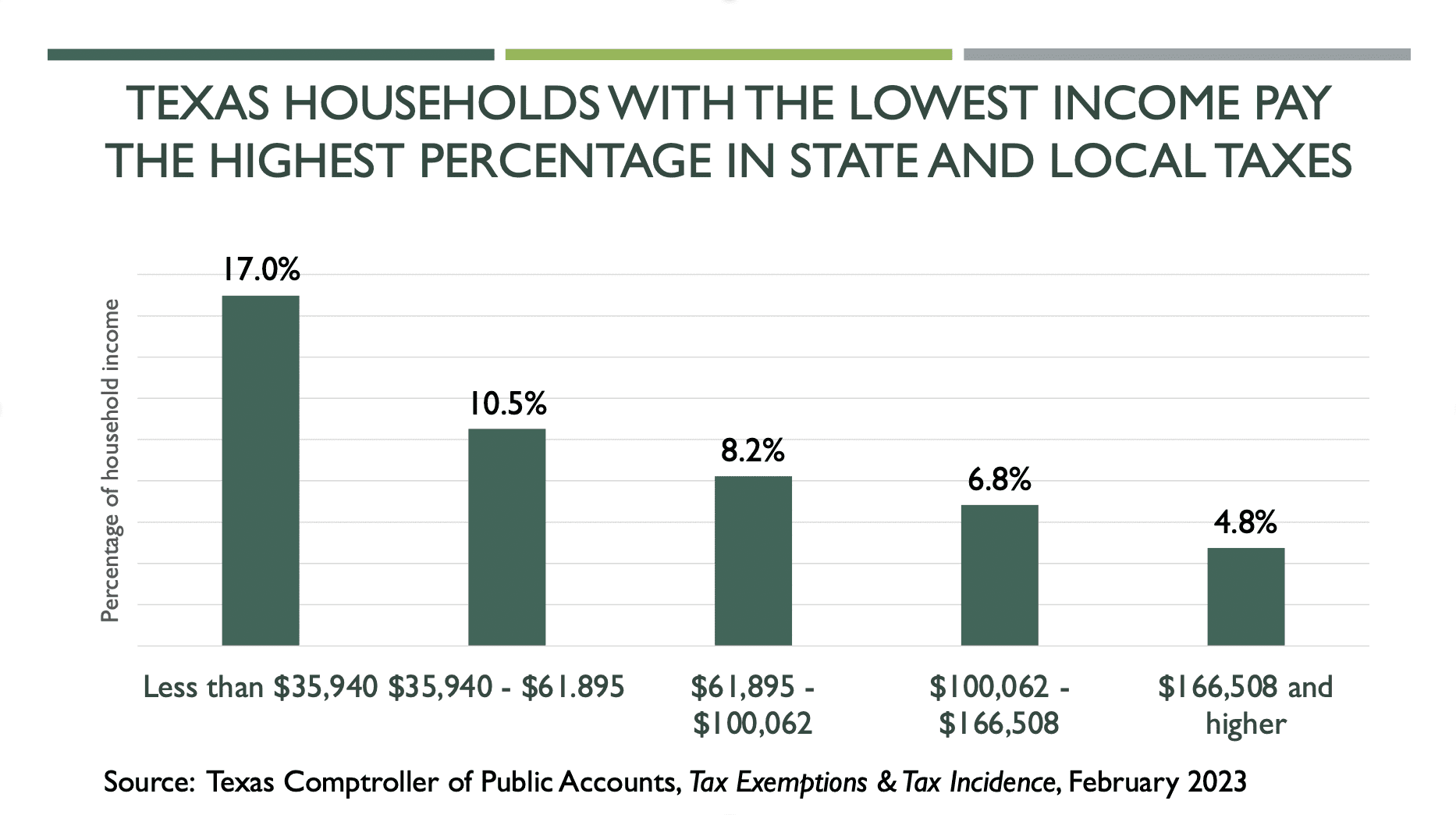
When planning a budget trip to Texas, understanding the tax structure can help you allocate your funds more effectively. While you’ll save on income tax, remember to factor in sales tax for purchases, accommodation, and dining. This means that for every dollar you spend on goods and services, a portion will go towards state and local taxes.
Consider cities like Dallas, Houston, and Austin for their vibrant nightlife and culinary scenes. While you’ll be paying sales tax on your meals and drinks, the overall affordability of your trip can be enhanced by the lack of income tax. This allows for more opportunities to explore attractions like the Alamo in San Antonio, the Space Center Houston, or the live music venues in Austin.
Luxury Travel and High-End Experiences
For those seeking luxury travel experiences in Texas, the absence of state income tax further enhances the appeal. Imagine staying at a high-end resort like the Four Seasons Resort and Club Dallas at Las Colinas or a boutique hotel in Marfa. The savings on income tax can translate into upgraded accommodations, more fine dining experiences, or extended stays at exclusive properties.
Texas boasts a plethora of luxury resorts, ranches, and boutique hotels catering to discerning travelers. From sprawling ranches offering bespoke experiences in the Texas Hill Country to chic urban hotels in Dallas or Houston, the state provides a diverse range of luxury accommodations. The financial advantage of not paying state income tax can make these premium experiences more accessible.
Family Trips and Long-Term Stays
Families planning vacations or individuals considering long-term stays in Texas also benefit from the state’s tax policies. For families, the ability to allocate more funds towards activities, entertainment, and dining can lead to richer and more memorable experiences. Think about visiting theme parks like Six Flags Over Texas, exploring the San Antonio River Walk, or discovering the natural beauty of Big Bend National Park.
For those contemplating a longer stay, perhaps a work assignment or a sabbatical, the absence of state income tax is a significant financial draw. It means a larger portion of your earnings remains in your pocket, which can be put towards housing, local exploration, or other lifestyle choices. Texas offers a wide array of accommodation options, from serviced apartments in Austin to villas in Galveston, catering to various needs for long-term visitors. The affordability of everyday living, coupled with the lack of income tax, makes Texas an attractive proposition for extended stays.
Navigating Texas’s Tourism Landscape
The tourism industry in Texas is a massive economic driver, and its unique tax structure plays a role in its appeal. From the iconic Alamo to the vibrant arts scene in Dallas, Texas offers a diverse range of attractions that draw millions of visitors annually.
Destinations and Attractions
Texas is a state of immense scale and diversity, offering something for every traveler. In the south, you have the vibrant culture of San Antonio with its historic missions and the lively South Padre Island for beach lovers. Heading west, the rugged beauty of Big Bend National Park and the artistic enclave of Marfa beckon. Central Texas is known for its live music scene in Austin, the wineries of the Texas Hill Country, and the historic charm of towns like Fredericksburg. In the north, Dallas offers a sophisticated urban experience with world-class museums and shopping, while Fort Worth provides a taste of Western heritage. Houston, a sprawling metropolis, is home to the renowned Space Center Houston and a diverse culinary landscape.
Hotels, Resorts, and Accommodation
Texas boasts an impressive array of accommodation options to suit every budget and preference. From luxury resorts like the Ritz-Carlton, Dallas, to charming bed and breakfasts in historic districts, and modern apartment rentals for longer stays, travelers are well-catered for. Many hotels offer amenities catering to families, business travelers, and those seeking relaxation. Booking platforms make it easy to compare options, read reviews, and secure the perfect place to stay, whether it’s a suite in a bustling city or a secluded villa for a tranquil escape.
Local Culture, Food, and Experiences
Texas‘s cultural tapestry is rich and varied, influenced by its Hispanic, Southern, and Western heritage. This is most evident in its food scene, which is globally celebrated. From authentic Tex-Mex and mouth-watering barbecue to innovative fine dining, Texas is a culinary paradise. Exploring local food trucks, visiting farmers’ markets, and experiencing traditional Texas dishes are essential parts of any visit. Beyond food, the state offers a wealth of activities, including rodeos, music festivals, art walks, and historical reenactments, providing immersive experiences into the local way of life.
Conclusion: A Tax-Friendly State for Exploration and Lifestyle
In conclusion, the question “Does Texas pay state taxes?” is best answered by understanding its specific fiscal framework. Texas notably does not levy a state income tax, a policy that significantly impacts its economic attractiveness and the financial experience of its visitors and residents. While consumers will encounter state sales tax on their purchases and property owners will be subject to property tax, the absence of an income tax offers a distinct financial advantage. This makes Texas a compelling destination for budget-conscious travelers, luxury seekers, families, and anyone considering a longer-term lifestyle in a state that prioritizes economic growth and individual financial well-being. From the vast landscapes and iconic landmarks to the vibrant cities and rich cultural experiences, Texas invites exploration, and its unique tax structure ensures that more of your hard-earned money stays with you to enjoy it.
LifeOutOfTheBox is a participant in the Amazon Services LLC Associates Program, an affiliate advertising program designed to provide a means for sites to earn advertising fees by advertising and linking to Amazon.com. Amazon, the Amazon logo, AmazonSupply, and the AmazonSupply logo are trademarks of Amazon.com, Inc. or its affiliates. As an Amazon Associate we earn affiliate commissions from qualifying purchases.