
For many embarking on a life of exploration, whether through extensive travel, relocation for work, or simply seeking new adventures in different corners of the world, understanding local laws is often as crucial as planning the perfect itinerary. While our journey with Life Out of the Box typically focuses on breathtaking destinations, luxurious accommodations, and immersive cultural experiences, certain legal frameworks can profoundly impact the “lifestyle” aspect of your travels and long-term stays. One such area that frequently raises questions, particularly for couples, is the concept of common law marriage. If you’re considering a move to the Texas or planning an extended stay in the Lone Star State, it’s essential to understand how this unique legal arrangement is recognized and what it means for your shared future and assets.
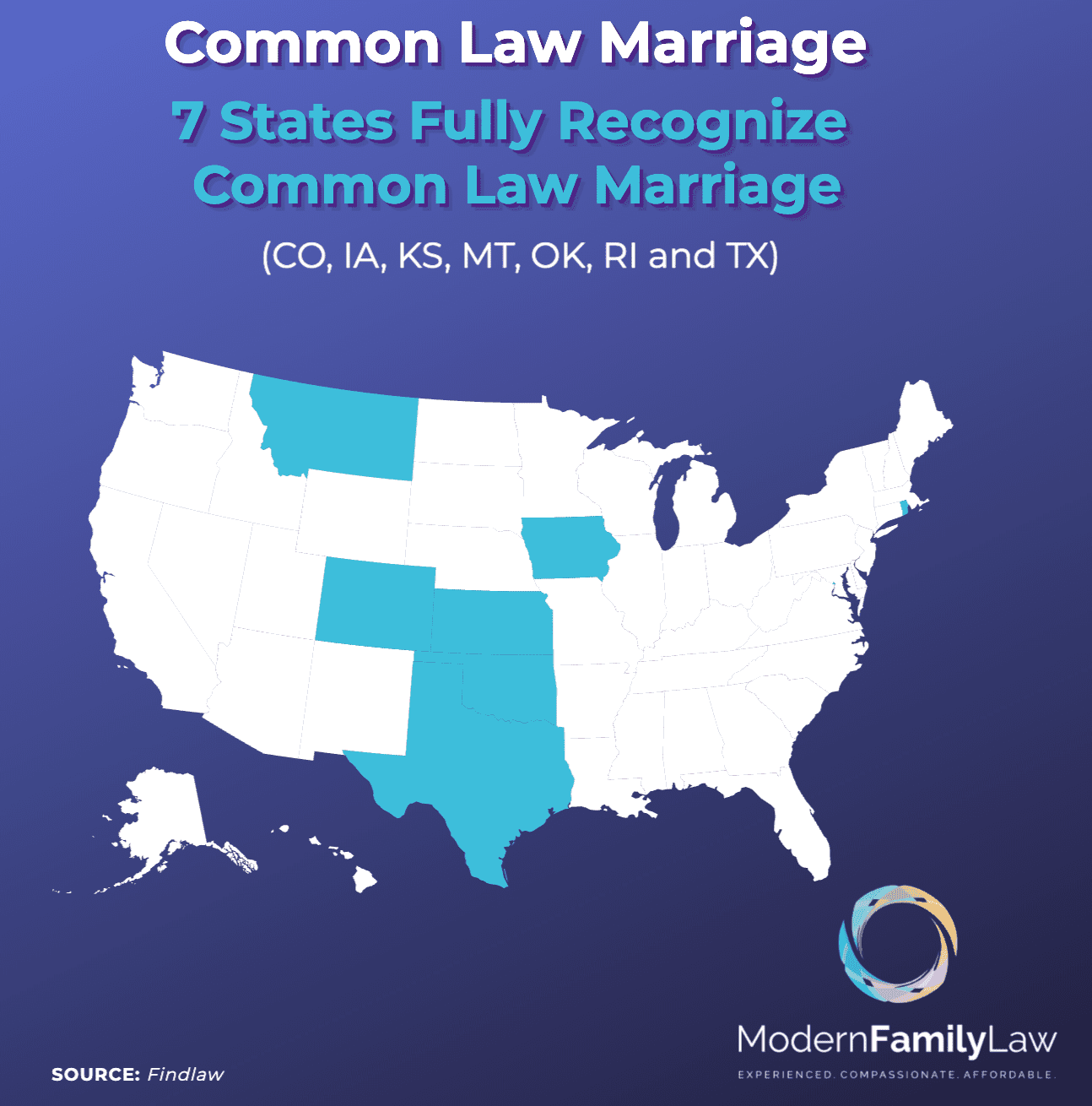
Texas, a state renowned for its vast landscapes, vibrant cities, and rich history, also has specific statutes regarding marriage without a formal ceremony. This isn’t just a quaint legal anachronism; it carries significant weight concerning property rights, inheritance, and spousal support, all of which can be vital for couples managing their finances and future, especially those embracing a nomadic or semi-nomadic lifestyle. Dispelling myths and clarifying facts around common law marriage in Texas is crucial for anyone looking to build a secure foundation, whether they’re settling down in a Dallas high-rise, exploring the Big Bend National Park for months, or managing international property portfolios together. Let’s delve into the intricacies of common law marriage in Texas and how it might shape your life’s journey.
Understanding Common Law Marriage in the Lone Star State
The idea of being “married without a license” might sound like something from a bygone era, but in Texas, it’s a very real and legally binding concept. Often referred to as “informal marriage,” common law marriage offers the same rights and responsibilities as a ceremonial marriage. This means that once a common law marriage is established, ending it requires a formal divorce process, just like any other marriage. For couples who prioritize flexibility in their lifestyle, perhaps moving between different travel destinations or maintaining multiple residences, understanding this legal framework in Texas is paramount. It ensures that their shared commitments and investments, whether in property, businesses, or personal assets, are protected and recognized.
What is Common Law Marriage?
At its core, common law marriage is a marital status acquired without the traditional formalities of a marriage license and a wedding ceremony performed by an authorized official. It’s a legal recognition of a couple’s marital relationship based on their actions, intentions, and how they present themselves to the world. Historically, common law marriages arose in situations where access to formal ceremonies was difficult, such as on the frontier or during wartime. Today, in the states that still recognize it, it provides an alternative path to legal marriage, often appealing to couples who, for various personal reasons, choose not to have a traditional wedding but nonetheless commit to a lifelong partnership.
It’s crucial to distinguish common law marriage from merely living together or “cohabitation.” While cohabitation is a necessary component, it is by no means sufficient on its own to establish an informal marriage. Many couples live together for years, share expenses, and even raise children, but they are not considered common law married unless they meet specific additional criteria. For those enjoying long-term stays in places like Austin or San Antonio, perhaps exploring the vibrant local culture or managing remote work, this distinction is especially important. The implications for financial planning, estate considerations, and even something as fundamental as making medical decisions for a partner are vast.
The Specific Requirements in Texas
Texas law, specifically the Texas Family Code, clearly outlines the requirements for establishing an informal marriage. Unlike some other jurisdictions, Texas does not require a specific duration of cohabitation or a waiting period. Instead, three critical elements must be proven to exist simultaneously at any given point in time:
- Agreement to be Married: The couple must agree that they are married. This doesn’t need to be a formal declaration, but rather a mutual understanding and intention to be husband and wife (or spouses). This agreement is often inferred from their words and actions, rather than an explicit verbal contract. For couples who travel extensively, perhaps across different time zones or even continents, this shared intent provides a foundational anchor for their relationship.
- Holding Out to Others as Married: The couple must represent to others that they are married. This means publicly presenting themselves as spouses. Examples include introducing each other as “my husband” or “my wife,” using the same last name, filing joint tax returns, having joint bank accounts, or being referred to as a married couple by friends, family, and the community. This “holding out” is a vital piece of evidence, demonstrating that their internal agreement is reflected in their external conduct. For frequent travelers, this might mean how they introduce each other at hotels, on cruises, or to new acquaintances in different destinations.
- Living Together as Husband and Wife (Cohabitation): The couple must live together in Texas as spouses. As mentioned, mere cohabitation is not enough, but it is a necessary condition. They must share a common residence, typically in Texas, and conduct themselves as a married couple within that shared living space. This doesn’t mean they can never be apart for travel or work, but their primary shared dwelling must be in Texas.
It is important to emphasize that all three elements must coexist at the same time to establish a common law marriage in Texas. If one element is missing, an informal marriage cannot be proven.
The Legal Implications for Travelers and Residents
For individuals who embrace a dynamic lifestyle, whether they are digital nomads, expatriates, or frequent business travelers, understanding the legal implications of common law marriage in Texas is more than just academic. It directly affects their rights and responsibilities, especially when it comes to shared assets and future planning.
If a common law marriage is established, couples are afforded the same legal protections and obligations as those in a ceremonial marriage. This includes:
- Property Rights: Texas is a community property state. This means that all assets acquired by either spouse during the marriage (whether formal or informal) are generally considered community property and are equally owned by both, subject to certain exceptions. This is critical for couples investing in properties, vehicles, or even business ventures during their time in Texas.
- Inheritance: Spouses in a common law marriage have the same inheritance rights as ceremonially married spouses. If one partner passes away without a will, the surviving common law spouse may have a right to a portion of the deceased partner’s estate. This is a significant consideration for anyone planning their legacy, especially those with diverse assets scattered across different locations.
- Spousal Support (Alimony): In a divorce, a common law spouse may be entitled to spousal maintenance under the same conditions as a ceremonially married spouse.
- Medical Decisions: In emergencies, a common law spouse typically has the right to make medical decisions for their incapacitated partner, similar to a ceremonially married spouse, assuming other legal documents like powers of attorney are not in place.
- Tax Benefits: Common law spouses can often file joint tax returns, benefiting from the same tax advantages as formally married couples.
For couples traveling the world or establishing long-term bases in diverse locations, these implications underscore the importance of clarity regarding their marital status. It impacts how they manage shared finances, acquire international assets, and even how they are treated by various institutions, from hotels offering couples’ packages to banks processing joint accounts. Knowing where you stand legally can provide invaluable peace of mind, allowing you to fully immerse yourselves in the experiences and cultures that define the “Life Out of the Box” philosophy.
Common Misconceptions and Why They Matter for Your Lifestyle
The concept of common law marriage is often shrouded in myths and misunderstandings, largely due to its varying recognition across states and its informal nature. For those who frequently move, travel, or maintain a flexible lifestyle, these misconceptions can lead to serious legal and financial complications. Understanding the reality behind these myths in Texas is crucial for effective life planning and securing your future, no matter where your adventures take you. From booking a long-term villa stay to purchasing a vacation home, your marital status can quietly influence many aspects of your journey.
“Seven-Year Rule” Myth Debunked
Perhaps the most pervasive myth surrounding common law marriage is the “seven-year rule.” Many people mistakenly believe that if a couple lives together for seven years, they automatically become common law married. This is unequivocally false, particularly in Texas. As detailed earlier, Texas law has no specific duration requirement for cohabitation. A common law marriage can be established after a relatively short period, provided all three core elements—agreement, holding out, and cohabitation—are simultaneously met. Conversely, a couple could live together for 70 years, but if they never intended to be married or never presented themselves as such, they would not be considered common law married.

This myth’s persistence is problematic for several reasons. Couples who believe it might unwittingly stumble into a common law marriage without realizing the legal obligations they’ve incurred, only to face complex issues if the relationship ends. Conversely, couples who wish to establish a common law marriage might delay taking actions that would prove their intent, thinking they need to wait for an arbitrary number of years. For individuals who travel extensively and might frequently change their primary residence, relying on this myth can lead to significant oversights in estate planning, property division, and even health care directives. It underscores the need for clear communication and, if necessary, legal counsel, rather than anecdotal “rules of thumb.”
The Difference Between Cohabitation and Marriage
Another critical distinction that often gets blurred is the difference between simply living together and being in a common law marriage. Many couples choose to cohabitate for various reasons, including financial convenience, companionship, or as a step before a potential formal marriage. However, cohabitation alone, even for decades, does not equate to marriage under Texas law. The missing pieces are the agreement to be married and the holding out to others as married.
Consider a pair of friends who decide to split the cost of a luxury apartment in Houston for a year while they explore career opportunities. They share bills, live under the same roof, and might even be mistaken for a couple by casual acquaintances. However, if they have no mutual intent to be married and do not consistently present themselves as spouses, they are merely roommates, not common law married. The same applies to romantic partners who share a life but consciously choose not to marry. Their personal decision to remain unmarried, if consistently reflected in their actions and public representation, will prevent a common law marriage from being established.
For the adventurous souls who often find themselves sharing accommodations, travel expenses, or even starting joint ventures in different cities, understanding this distinction is paramount. It dictates who has legal say over shared assets, how financial responsibilities are distributed upon separation, and what rights each person has concerning the other’s welfare. Clarity here allows couples to craft their lives and adventures with intentionality, whether they choose to formalize their bond or maintain separate legal identities.
Proving Common Law Marriage: What to Know
Since a common law marriage lacks a marriage certificate, proving its existence often relies on circumstantial evidence that substantiates the three requirements. This can become particularly complex in legal disputes, such as divorce proceedings or inheritance claims. For couples living a “Life Out of the Box” where their living situations might be less conventional (e.g., long-term RV travel, seasonal rentals, international residencies), understanding what constitutes proof is vital.
Evidence commonly used to prove a common law marriage includes:
- Joint Financial Accounts: Joint bank accounts, credit cards, or investment portfolios.
- Shared Property Ownership: Deeds to real estate (e.g., a vacation rental in South Padre Island), vehicle titles, or other significant assets held jointly.
- Insurance Policies: Naming each other as spouses on health, life, or property insurance policies.
- Wills and Estate Documents: Naming each other as beneficiaries or executors in wills or trusts.
- Tax Returns: Filing federal or state income tax returns as “married filing jointly.”
- Social Media and Public Statements: Public declarations of being married, shared social media posts, or consistent introductions as spouses to friends, family, and colleagues.
- Children: Having children together and presenting yourselves to the community as their married parents.
- Correspondence: Letters, emails, or other communications where you refer to yourselves as spouses.
For couples navigating diverse travel and lifestyle scenarios, maintaining clear records and consistent communication about their marital intentions is essential. If you relocate to Texas from another state where common law marriage isn’t recognized, or if you plan to move from Texas to another state, documentation becomes even more critical. Proper documentation ensures your marital status, and thus your rights and responsibilities, can be easily recognized and respected wherever your journey takes you.
Practical Considerations for Couples Exploring Texas
For couples who travel extensively, either for leisure or as part of a digital nomad lifestyle, the legal nuances of common law marriage in Texas can have direct practical implications. From the way you book your next luxurious resort stay to how you manage shared investments, understanding your marital status can ensure peace of mind and protection for your adventurous future. The “Life Out of the Box” philosophy often emphasizes freedom and flexibility, but true freedom also comes with informed decision-making and legal clarity.
Planning Your Texas Travel: What Marital Status Means
When you plan a trip to Texas, whether it’s a romantic getaway to the Texas Hill Country or an extended stay exploring the vibrant culture of Austin, your marital status—be it formal or common law—can subtly influence your arrangements.
- Accommodation Booking: While most hotels and resorts don’t specifically ask about marital status, establishing shared benefits for loyalty programs, or requesting specific suites that cater to “couples” versus “friends sharing a room,” can sometimes hinge on how you present your relationship. For longer-term accommodations, such as apartment rentals or villa bookings, rental agreements often distinguish between “tenants” and “occupants,” with different rights and responsibilities that can be influenced by marital status.
- Travel Insurance: Many travel insurance policies offer more comprehensive coverage for “spouses” than for “traveling companions.” This can include benefits for trip cancellation, medical emergencies, or lost baggage. If you are common law married in Texas, ensuring your insurer recognizes this status can be crucial for accessing full benefits.
- Emergency Contacts and Medical Decisions: Should an unforeseen medical emergency arise while exploring the natural wonders of [Texas](https://lifeoutofthebox.com/texas], a recognized marital status can simplify the process of making critical medical decisions for an incapacitated partner. While a medical power of attorney is always advisable for any couple, being a legally recognized spouse provides an inherent layer of legal standing.
- Legal Advice for Long-term Stays or Residency: If you’re considering establishing a long-term base or residency in Texas, especially if you’re coming from a state that doesn’t recognize common law marriage, consulting with a Texas attorney is highly recommended. They can help you understand the implications for your specific situation and ensure your relationship is properly recognized for all legal purposes.
Navigating Property and Finances for Traveling Duos
The adventurous spirit often comes with a need for meticulous financial planning, especially for couples who might own assets in multiple locations or manage investments across borders. In Texas, the community property laws mean that the distinction between separate property (owned before marriage or acquired by gift/inheritance) and community property (acquired during marriage) is significant.
- Joint Ventures and Investments: Many traveling duos might embark on entrepreneurial endeavors or invest in properties together, such as a charming bed and breakfast in Fredericksburg or an apartment in Austin. If a common law marriage is established, these assets, acquired during the relationship, will likely be considered community property, impacting their division if the relationship ends. This is a critical consideration for those funding their “Life Out of the Box” through shared investments.
- Estate Planning: For couples leading a vibrant, travel-filled life, the importance of estate planning cannot be overstated. A comprehensive will and trust can ensure that your wishes are honored, regardless of where your assets are located. For common law spouses, explicitly stating your wishes can prevent complex legal battles over inheritance, ensuring your partner is cared for as you intend.
- Banking and Loans: Applying for joint mortgages, car loans, or even opening shared bank accounts can be smoother when your marital status is clearly understood. Financial institutions often have different policies and requirements for married couples versus unmarried partners.
The Deeper Connection: Why Legal Status Matters Beyond Travel Itself
While the surface-level aspects of common law marriage might seem purely administrative, the underlying reasons for understanding it speak to a deeper human need: security, recognition, and the protection of a shared future. For couples who have chosen a path less ordinary, whether it’s perpetual travel or a commitment to a flexible lifestyle, these elements are not just desirable; they are essential.
- Security and Peace of Mind: Knowing that your relationship is legally recognized provides a profound sense of security. It means your partner has rights as your spouse, offering peace of mind, especially in challenging times. This security allows couples to focus on experiencing the world together, rather than worrying about unforeseen legal complications.
- Protecting Assets and Future: For those building a life “out of the box,” often characterized by unique income streams, investments in diverse locations, and a less conventional accumulation of wealth, protecting assets is paramount. Common law marriage, when established, provides a legal framework for this protection, ensuring that the fruits of shared labor and adventure are justly distributed.
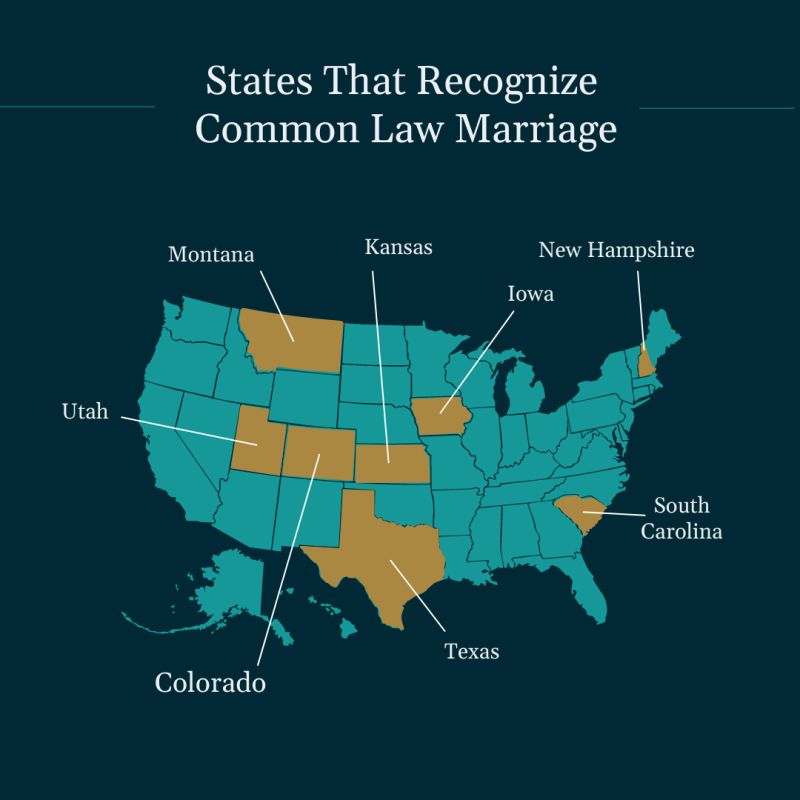
- Ensuring Rights Across Jurisdictions: While Texas recognizes common law marriage, not all states or countries do. Understanding your status in Texas can be the first step in ensuring your relationship is recognized and respected as you traverse other legal landscapes, possibly through formalizing the marriage or executing specific legal documents for travel beyond common law jurisdictions.
In conclusion, Texas does indeed recognize common law marriage, also known as informal marriage, under specific and well-defined conditions. For any couple embarking on a journey that includes extended stays, residency, or significant life events within the state, understanding these laws is not just a matter of legal compliance but a crucial component of responsible lifestyle planning. It’s about empowering yourselves with knowledge to navigate the legal landscape confidently, ensuring that your adventurous spirit is matched by a secure and well-protected future, allowing you to truly live life out of the box, on your own terms.
LifeOutOfTheBox is a participant in the Amazon Services LLC Associates Program, an affiliate advertising program designed to provide a means for sites to earn advertising fees by advertising and linking to Amazon.com. Amazon, the Amazon logo, AmazonSupply, and the AmazonSupply logo are trademarks of Amazon.com, Inc. or its affiliates. As an Amazon Associate we earn affiliate commissions from qualifying purchases.