
Navigating the intricacies of vehicle registration and maintenance is a cornerstone of responsible car ownership, especially when traversing the vast and diverse landscapes of the United States. For travelers, road trippers, and residents alike, understanding the legal requirements for operating a vehicle in a particular state is paramount. Texas, a state renowned for its expansive highways and vibrant cities like Austin, Dallas, and Houston, has recently undergone significant changes regarding its mandatory vehicle inspection program. This shift has sparked questions for many, prompting a clear need to understand the current state of affairs.
The Evolution of Texas Vehicle Inspections
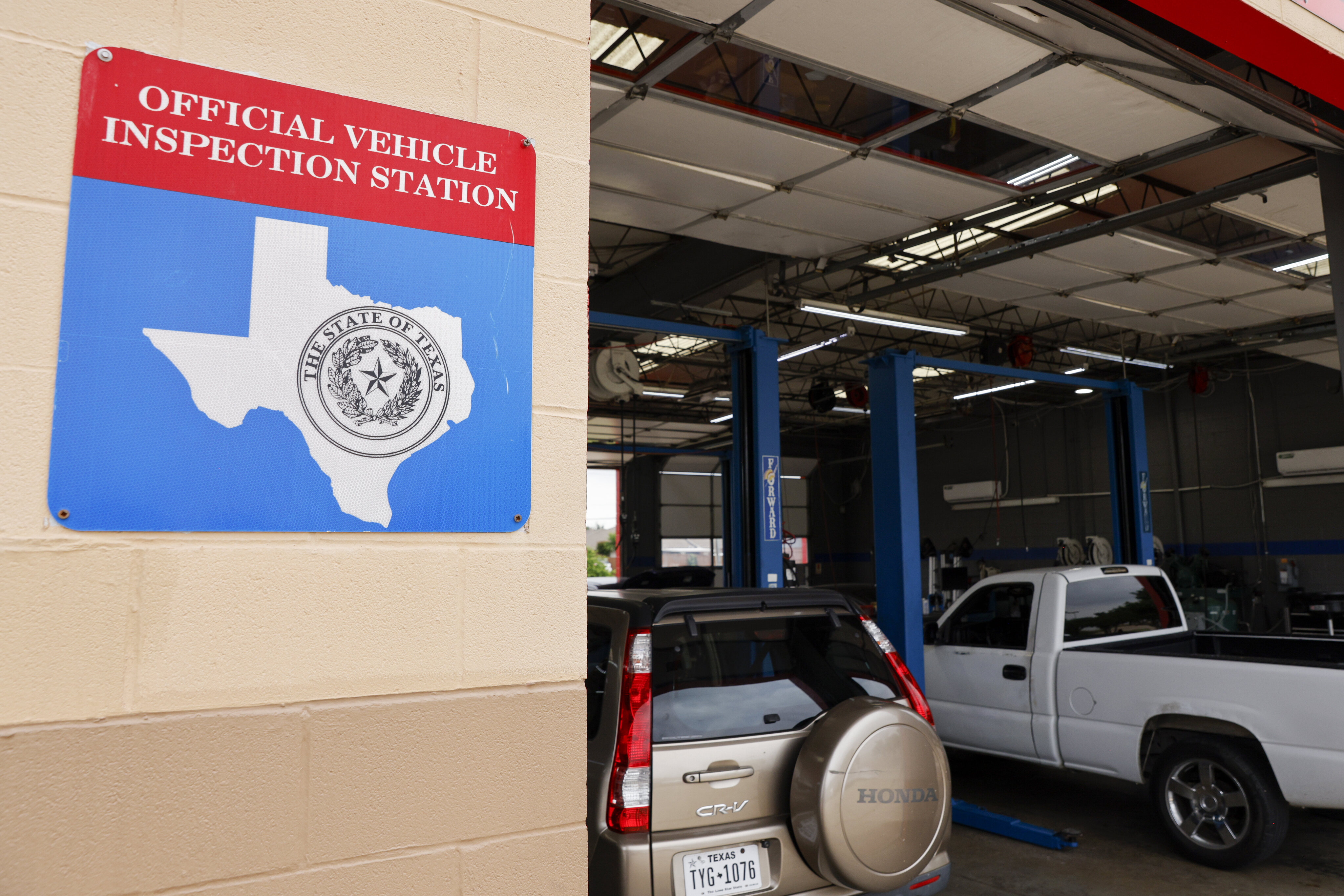
For decades, Texas operated a two-step vehicle inspection system, often referred to as the “two-step inspection.” This process involved two separate checks: a safety inspection and an emissions inspection. The safety inspection ensured that critical components of the vehicle, such as brakes, lights, and tires, were in good working order. The emissions inspection, on the other hand, focused on ensuring that the vehicle’s exhaust system met state and federal environmental standards to minimize air pollution. This dual inspection was a requirement for renewing a vehicle’s registration. Drivers would receive a sticker to place on their windshield after passing both checks, serving as proof of compliance. This system was in place for many years, becoming a familiar part of the annual vehicle maintenance routine for Texans and a point of consideration for those planning extended stays or relocating to the Lone Star State.
The End of the Two-Step Inspection
In a landmark decision that took effect on January 1, 2025, the Texas Legislature officially eliminated the mandatory two-step vehicle inspection program. This legislative change, driven by Senate Bill 525, was a significant overhaul of the state’s vehicle safety and emissions regulations. The primary motivation behind this repeal was to alleviate financial burdens on vehicle owners and streamline the registration process. Proponents of the bill argued that the inspection program had become outdated and that advancements in vehicle technology meant that most modern vehicles were inherently designed to meet safety and emissions standards without the need for mandatory annual checks. The elimination of this requirement means that Texas drivers no longer need to undergo separate safety and emissions inspections to renew their vehicle registration.
Understanding the New Requirements for Travelers
For individuals planning a road trip through Texas or considering a move to the state, the elimination of the mandatory inspection program simplifies certain logistical aspects of their journey. Previously, ensuring a vehicle had a valid Texas inspection sticker was a crucial step before hitting the road for an extended period. Now, the focus shifts from a state-mandated inspection to maintaining a vehicle in safe operating condition for personal and public safety.
What Travelers Need to Know
While Texas no longer requires its own inspection sticker for registration renewal, this does not absolve drivers of their responsibility to ensure their vehicles are safe to operate. All drivers, whether residents or visitors, are still subject to Texas traffic laws, which include provisions for vehicle safety. This means that law enforcement officers can still pull over vehicles that appear to be unsafe, regardless of whether they possess a state inspection sticker. Common reasons for being cited under these provisions include faulty brake lights, broken headlights, severely worn tires, or excessive exhaust noise. Therefore, it is imperative for all drivers to conduct regular self-inspections and ensure their vehicles are in good repair before embarking on any travel through Texas, just as they would in any other state. This proactive approach to vehicle maintenance contributes not only to the safety of the driver and passengers but also to the safety of all other road users on Texas highways, from the bustling corridors of San Antonio to the scenic routes of West Texas.
Emissions Standards and Federal Regulations
It is important to note that the elimination of the state-mandated emissions inspection in Texas does not mean that emissions are no longer a concern. The federal Clean Air Act still applies, and while Texas has received waivers for its inspection program, it must still ensure it has adequate measures to control air pollution. For the average traveler, this means that while you won’t be asked for a Texas emissions sticker, your vehicle’s emissions system is still subject to scrutiny if it’s visibly malfunctioning or causing significant pollution. Furthermore, if you are bringing a vehicle into Texas from another state that has stringent emissions testing, it is wise to ensure your vehicle remains compliant with the regulations of its home state. The Environmental Protection Agency (EPA) continues to monitor air quality across the nation, and while Texas’s new approach simplifies things for its residents, the underlying goal of reducing harmful emissions remains a national priority.

Implications for Texas Residents
The repeal of the two-step inspection system has a more direct and immediate impact on Texas residents who are responsible for renewing their vehicle registrations annually. This change offers a direct financial benefit, as drivers will no longer need to pay the inspection fees associated with the safety and emissions checks. These fees, though varying slightly, added to the overall cost of vehicle ownership. The elimination also saves time and the inconvenience of scheduling and attending these inspections.
The New Registration Process
Under the new system, Texas vehicle owners will pay an additional fee, often referred to as the “Safety Inspection Fee,” which will be added to their annual vehicle registration. This fee is intended to help fund the state’s transportation infrastructure and other related services. The primary change is that this fee is now integrated into the registration process itself, rather than being a prerequisite for obtaining registration. Upon renewing your vehicle registration online, by mail, or in person at a local county tax assessor-collector’s office, you will pay this consolidated fee. The absence of the physical inspection sticker means there is no longer a need to visit an inspection station before or during the registration renewal period. This streamlined process is designed to be more convenient for vehicle owners across the state, from the Panhandle to the Gulf Coast.
Maintaining Vehicle Safety: A Personal Responsibility
While the state has removed the mandatory inspection requirement, the responsibility for ensuring a vehicle is safe to drive now rests more heavily on the individual owner. This shift encourages a more proactive approach to vehicle maintenance. Regular oil changes, tire rotations, brake checks, and ensuring all lights are functioning correctly are now even more critical. Many automotive experts and consumer advocacy groups recommend that drivers continue to perform regular checks, even without a state mandate. This includes checking tire pressure, inspecting brake pads and rotors, ensuring windshield wipers are in good condition, and verifying that all exterior lights, including headlights, taillights, and turn signals, are operational. This emphasis on personal responsibility aligns with the broader goal of improving road safety for everyone.
Looking Ahead: The Future of Vehicle Regulations in Texas
The elimination of the mandatory Texas vehicle inspection program marks a significant moment in the state’s automotive regulatory history. It represents a move towards a more modernized and less burdensome approach to vehicle compliance, trusting drivers to maintain their vehicles responsibly. This change is likely to be observed with interest by other states that still maintain similar inspection programs.
Potential Benefits and Drawbacks
The anticipated benefits of this policy shift include reduced costs for vehicle owners and a simplified registration process. Anecdotal evidence and studies from other regions that have eliminated similar mandates suggest potential improvements in consumer satisfaction and economic stimulus as more money remains in the hands of individuals. However, there are also potential drawbacks. Some critics express concern that without a mandatory inspection, the overall safety of vehicles on Texas roads might decrease, potentially leading to an increase in accidents. Others worry about the long-term environmental impact if a significant number of vehicles are not properly maintained for emissions. The success of this new approach will likely depend on public awareness campaigns and the continued vigilance of law enforcement in addressing unsafe vehicles.

The Importance of Staying Informed
As with any significant legislative change, it is crucial for drivers in Texas to stay informed about the latest regulations and best practices for vehicle maintenance. The Texas Department of Motor Vehicles (TxDMV) is the primary source for official information regarding vehicle registration and titling. Additionally, automotive service providers and reliable consumer resources can offer guidance on maintaining vehicles in optimal condition. For travelers planning to drive through Texas, a quick check of the TxDMV website before their trip is advisable to ensure they are aware of any current requirements or recommendations. The era of the two-step inspection sticker is over, but the commitment to safe and responsible driving on the roads of Texas remains as important as ever.
LifeOutOfTheBox is a participant in the Amazon Services LLC Associates Program, an affiliate advertising program designed to provide a means for sites to earn advertising fees by advertising and linking to Amazon.com. Amazon, the Amazon logo, AmazonSupply, and the AmazonSupply logo are trademarks of Amazon.com, Inc. or its affiliates. As an Amazon Associate we earn affiliate commissions from qualifying purchases.