
When planning a trip to the United States, understanding the legal landscape of each state can be an important part of responsible tourism. For many travelers, particularly those from countries with different legal systems, questions about capital punishment can arise. This is especially true when considering a visit to Oregon, a state known for its stunning natural beauty, vibrant cities, and unique culture. So, does the state of Oregon have the death penalty? The answer, while seemingly straightforward, involves a nuanced history and a current moratorium.
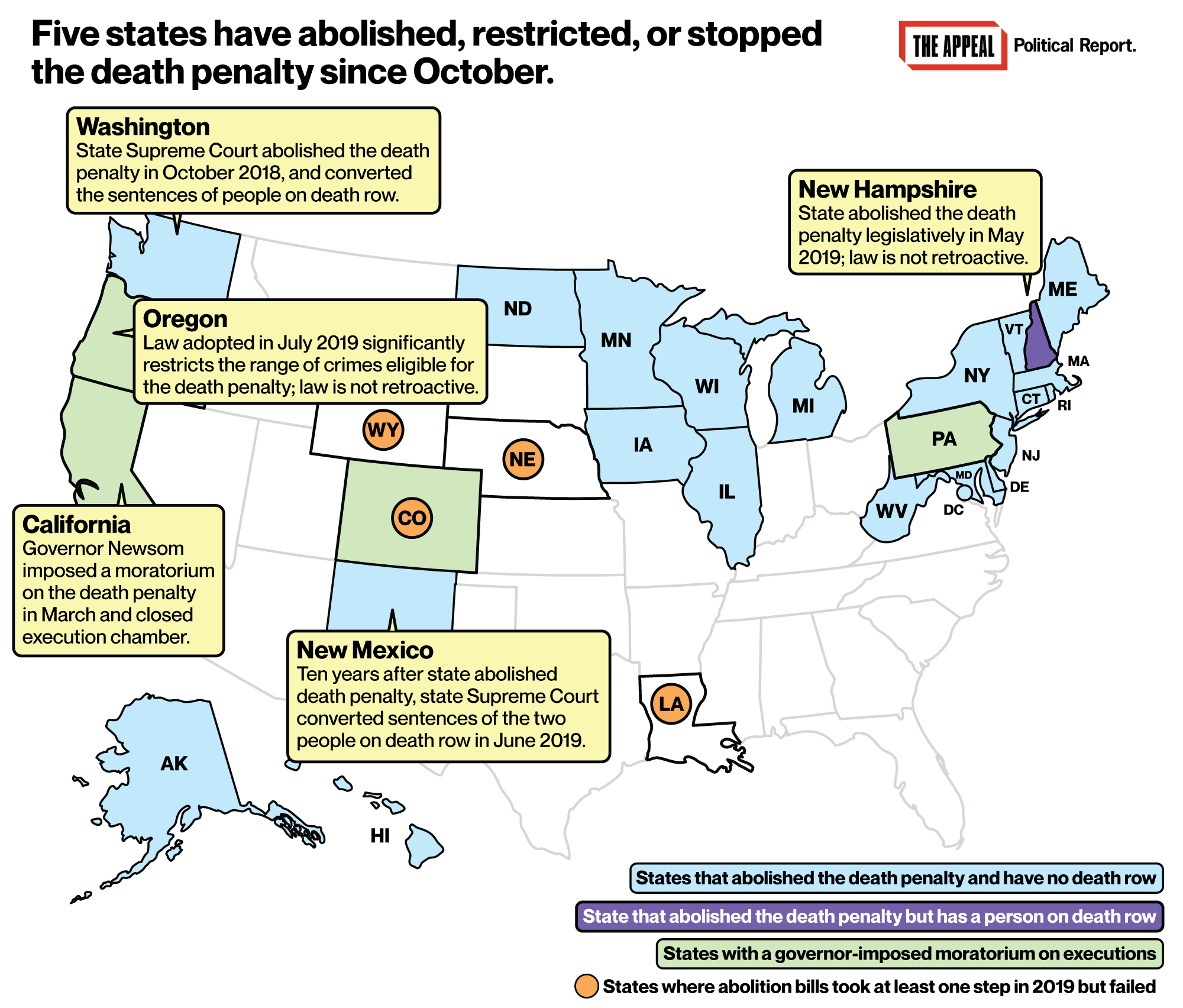
While Oregon does have capital punishment on its books, its application has been suspended. This means that while the law technically allows for the death penalty, no executions have been carried out in the state for a considerable period, and there is no active push to resume them. This complex situation reflects evolving societal views on justice and punishment, and it’s a significant detail for anyone interested in the legal and social fabric of this Pacific Northwest gem.
Understanding the Legal Framework of Capital Punishment in Oregon
The question of whether Oregon has the death penalty isn’t a simple yes or no. It’s a legal status that has evolved over time, shaped by legislative action, court rulings, and public sentiment. To fully grasp the current situation, we need to delve into the history and legislative framework surrounding capital punishment in Oregon.
A History of Capital Punishment in Oregon
Oregon has a long history with the death penalty, with executions taking place for over a century. However, the application of capital punishment has never been consistently applied, and the state has seen periods of both active use and suspension.
The first recorded execution in Oregon occurred in 1864. Over the decades, the methods of execution have changed, from hanging to electrocution, and most recently, lethal injection. Each shift in execution method reflected contemporary practices and evolving views on humane treatment, even within the context of capital punishment.
Throughout the 20th century, Oregon grappled with its capital punishment laws. There were times when the death penalty was more actively utilized, and other times when a de facto moratorium was in place due to legal challenges or lack of legislative will. These fluctuations are not unique to Oregon and mirror broader national debates about the death penalty in the United States.
The Current Moratorium on Executions
The most crucial aspect of Oregon‘s death penalty status is the current moratorium. In 2011, then-Governor John Kitzhaber issued an executive order halting all executions. This moratorium was not a repeal of the death penalty law itself but rather a suspension of its implementation. Governor Kitzhaber cited concerns about the fairness and reliability of the system, as well as the significant financial and emotional costs associated with capital punishment cases.
This moratorium has been continued by subsequent governors. Governor Kate Brown, who served after Kitzhaber, also maintained the moratorium throughout her tenure. This sustained pause indicates a broad consensus among the state’s leadership that the death penalty, in its current form, is not being actively pursued.
Death Row Inmates and Legal Challenges
Despite the moratorium, Oregon does have a number of individuals on death row. These inmates were sentenced to death before the moratorium was put in place. Their cases often involve lengthy and complex legal appeals, which is a common feature of capital punishment cases across the United States.
The ongoing legal challenges and the sheer cost of pursuing death penalty cases are significant factors contributing to the de facto suspension of executions. Courts are often tied up with appeals that can last for years, and the financial burden on the state for these protracted legal battles is substantial.
Furthermore, the ethical considerations and the potential for executing an innocent person remain potent arguments against capital punishment, influencing the reluctance to resume executions. The possibility of irreversible error is a central theme in the national debate, and Oregon‘s experience with the moratorium reflects these broader concerns.

Oregon’s Diverse Appeal Beyond the Legal Landscape
While the legal intricacies of capital punishment are an important aspect of understanding Oregon, the state offers a wealth of experiences that appeal to a wide range of travelers. From its breathtaking natural wonders to its thriving urban centers, Oregon is a destination that promises diverse and enriching experiences.
Exploring Oregon’s Natural Wonders
Oregon is renowned for its stunning natural beauty, offering something for every outdoor enthusiast. The iconic Oregon Coast is a dramatic stretch of rugged shoreline, dotted with charming towns and breathtaking vistas. Visitors can explore tide pools, hike scenic trails, and marvel at the power of the Pacific Ocean. Popular coastal attractions include Cannon Beach, famous for its Haystack Rock, and Tillamook, home to the renowned Tillamook Creamery.
Inland, the majestic Cascade Mountains dominate the landscape. Mount Hood, Oregon‘s highest peak, offers year-round recreational opportunities, from skiing and snowboarding in the winter to hiking and camping in the summer. The Columbia River Gorge National Scenic Area is another must-visit, with its numerous waterfalls, including the impressive Multnomah Falls, and incredible hiking trails.
For those who appreciate unique geological formations, Crater Lake National Park is an absolute marvel. This deep blue lake, formed in the caldera of a collapsed volcano, is the deepest lake in the United States and offers unparalleled scenic beauty. The park provides opportunities for hiking, boating, and simply soaking in the awe-inspiring views.
Beyond the mountains and the coast, Oregon boasts vast high desert landscapes in its eastern regions, the lush forests of the Willamette Valley, and the wild beauty of the Wallowa Mountains, often referred to as the “Swiss Alps of Oregon.”
Experiencing Oregon’s Vibrant Cities and Culture
Oregon‘s urban centers are as diverse and captivating as its natural landscapes. Portland, the state’s largest city, is a hub of innovation, creativity, and culinary delights. Known for its progressive culture, vibrant arts scene, and commitment to sustainability, Portland offers a unique urban experience. Visitors can explore the numerous bookstores, including the famous Powell’s City of Books, indulge in its world-class food truck scene, and visit attractions like the International Rose Test Garden and the Oregon Zoo. The city’s distinct neighborhoods, each with its own character, invite exploration on foot or via its efficient public transportation system.
Further south, Eugene is another vibrant city, renowned for its commitment to outdoor recreation and its lively arts and culture scene. It’s also a major center for the University of Oregon, infusing the city with a youthful energy.
For a taste of Oregon‘s history and a more relaxed pace, Ashland is a charming town known for its renowned Oregon Shakespeare Festival, drawing theater enthusiasts from across the country. Nearby, Medford serves as a gateway to the Rogue Valley, an area celebrated for its wineries and agricultural bounty.
The state’s rich agricultural heritage is evident throughout, particularly in the Willamette Valley, which is a premier wine-growing region. Exploring the numerous wineries and tasting rooms is a popular activity for visitors seeking to experience the local flavors.

Accommodation and Lifestyle in Oregon
When it comes to accommodation, Oregon offers a wide spectrum to suit every traveler’s needs and preferences. From luxurious resorts nestled in the scenic countryside to cozy boutique hotels in the heart of Portland, and charming bed and breakfasts along the coast, there are options for every budget and style. For longer stays or those seeking a more independent experience, apartments and vacation rentals are readily available, offering the comforts of home. Many hotels and resorts boast impressive amenities, including spas, fine dining restaurants, and stunning views, ensuring a memorable stay.
The lifestyle in Oregon often emphasizes a connection with nature and a pursuit of well-being. Whether it’s a luxury travel experience with stays in high-end resorts and fine dining, or a budget travel adventure exploring national parks and local eateries, Oregon caters to all. Family trips can find ample entertainment, from interactive museums in Portland to outdoor adventures suitable for all ages. Business stays are also well-served, with modern hotels and conference facilities in the major urban centers. The emphasis on local produce, craft beverages, and outdoor activities is a defining characteristic of the Oregon lifestyle, inviting visitors to immerse themselves in the region’s unique offerings.
In conclusion, while the question of Oregon‘s death penalty status is a point of legal interest, it does not diminish the state’s appeal as a travel destination. The ongoing moratorium allows visitors to explore Oregon with peace of mind, focusing on the state’s undeniable natural beauty, vibrant culture, and diverse attractions. Oregon stands as a testament to a state that, while grappling with complex legal issues, continues to offer a welcoming and enriching experience for all who visit.
LifeOutOfTheBox is a participant in the Amazon Services LLC Associates Program, an affiliate advertising program designed to provide a means for sites to earn advertising fees by advertising and linking to Amazon.com. Amazon, the Amazon logo, AmazonSupply, and the AmazonSupply logo are trademarks of Amazon.com, Inc. or its affiliates. As an Amazon Associate we earn affiliate commissions from qualifying purchases.