
The question “Does the sun set in Alaska?” often conjures images of an ethereal land where the sun either never sets or never rises. While largely accurate for certain times and locations within the vast wilderness of North America‘s largest state, the reality is a captivating blend of scientific phenomena, unique travel experiences, and profound cultural adaptations. Alaska is a destination unlike any other, offering a spectrum of daylight that profoundly shapes its landscapes, wildlife, and the lives of its inhabitants. Understanding these extreme light cycles is key to planning an unforgettable journey to the “Last Frontier,” whether you seek the endless daylight of summer or the mystical darkness of winter.
This article delves into the fascinating science behind Alaska’s unique solar patterns, explores how these influence the region’s vibrant tourism and diverse activities, and provides essential tips for travelers looking to experience this extraordinary corner of the world. From selecting the perfect accommodation to navigating the cultural nuances, we’ll guide you through the marvels of Alaska’s light, ensuring your trip is as enlightening as the midnight sun itself.
The Science Behind Alaska’s Unique Daylight Cycles
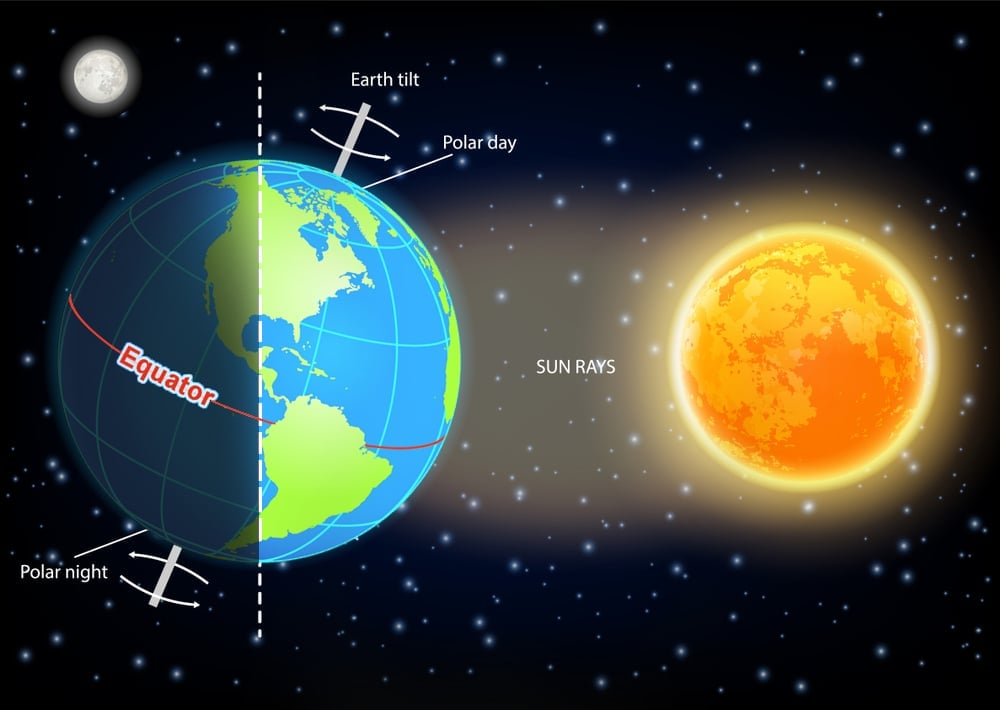
The Earth’s axial tilt, combined with its orbit around the sun, creates the dramatic seasonal variations in daylight that are most pronounced at higher latitudes. Alaska, straddling the Arctic Circle, is perfectly positioned to showcase these celestial mechanics in spectacular fashion.
The Midnight Sun: Endless Summer Days
During the summer months, particularly from late May to late July, parts of Alaska experience the phenomenon known as the “midnight sun.” This occurs when the sun remains visible for 24 hours a day, circling above the horizon without setting. The closer you are to the North Pole, the longer this period of continuous daylight lasts.
Cities like Fairbanks, located just south of the Arctic Circle, enjoy nearly 24 hours of daylight for several weeks. While the sun may dip below the horizon for a brief twilight, it never truly gets dark. Further north, in towns like Utqiagvik (formerly Barrow), the northernmost settlement in the United States, the sun remains above the horizon for over 80 consecutive days. This perpetual daylight dramatically extends the hours available for outdoor activities and imbues the landscape with an otherworldly glow. It’s a photographer’s dream and a hiker’s delight, offering endless opportunities to explore Alaska’s pristine wilderness.
The Polar Night: Winter’s Long Embrace
In stark contrast to the endless summer days, the winter months bring the “polar night” to Alaska’s northernmost regions. During this period, the sun does not rise above the horizon for an extended duration. In Utqiagvik, the polar night can last for more than 60 days, plunging the town into continuous twilight or darkness.
Even in regions like Fairbanks, while the sun does technically rise and set, the daylight hours are drastically short, often just a few hours of weak, low-angle light. This period transforms Alaska into a snow-covered wonderland, perfect for observing the mystical Aurora Borealis, or Northern Lights, which requires dark skies to be visible. While challenging for some, the polar night offers a unique opportunity to connect with nature’s raw power and experience a serene, almost spiritual side of the Alaskan landscape. Travelers seeking authentic winter experiences and dramatic natural phenomena often find themselves drawn to this quiet, introspective time of year.
Beyond the Extremes: Daylight in Southern Alaska
While the extremes of midnight sun and polar night are most prominent north of the Arctic Circle, southern Alaskan cities like Anchorage and Juneau also experience significantly longer summer days and shorter winter days compared to lower latitudes.
In mid-summer, Anchorage can boast up to 19 hours of effective daylight, with long, lingering twilight extending the usable hours even further. This allows for late-night golf games, extended fishing excursions, and sunset hikes that stretch well past traditional bedtime. Conversely, winter brings fewer than six hours of daylight to these southern cities, leading to a focus on indoor activities and embracing the coziness of the season.
These variations mean that whether you’re planning a summer adventure in a vibrant metropolitan hub or a tranquil winter escape to a quaint town, Alaska’s daylight patterns will significantly shape your travel experience. Understanding these nuances is crucial for enjoying the diverse destinations and attractions Alaska has to offer.
Experiencing Alaska’s Endless Days and Dazzling Nights: Travel and Tourism
The unique daylight cycles are not just scientific curiosities; they are the very essence of Alaska’s tourism appeal, dictating the rhythm of life and the range of available activities. From exhilarating summer adventures under the midnight sun to tranquil winter pursuits beneath the aurora, Alaska offers distinct experiences tailored to each season.
Summer in the Land of the Midnight Sun
Summer in Alaska is an explosion of life and activity, fueled by the seemingly endless daylight. This is peak travel season, and for good reason. The extended hours provide unparalleled opportunities for exploration and adventure.
Activities: Travelers can indulge in a myriad of outdoor pursuits. Hiking trails in Denali National Park remain accessible well into the evening, offering chances to spot grizzly bears, moose, and caribou. Fishing charters run for longer durations, increasing the likelihood of landing a prized salmon or halibut. Kayaking and paddleboarding become surreal experiences as the sun hovers perpetually. Glacier tours, such as those in Kenai Fjords National Park, offer breathtaking views of calving ice and marine wildlife like whales and sea otters, with daylight to spare. Even simple sightseeing drives through scenic routes like the Seward Highway become extended pleasure cruises.

Benefits & Challenges: The primary benefit is maximized time for experiences. You can pack more into each day, reducing the feeling of rush. However, the continuous light can disrupt sleep patterns. Many hotels and resorts in Alaska are equipped with blackout curtains to help guests adjust, and packing an eye mask is always a wise tip.
Accommodation: Summer is a highly competitive season for hotels and lodges. Booking well in advance is crucial, especially for popular destinations. Options range from luxury suites at establishments like the Hotel Captain Cook in Anchorage to charming wilderness lodges, remote cabins, and even glamping apartments and villas closer to nature. Many offer specialized amenities catering to summer travelers, such as guided outdoor excursions or late-night dining options. Exploring booking platforms and checking reviews for specific accommodation types is highly recommended for securing your ideal summer stay.
Winter’s Enchantment: Chasing the Northern Lights
Winter in Alaska offers a completely different, yet equally mesmerizing, set of experiences. The long periods of darkness become an advantage, creating the perfect canvas for one of nature’s most spectacular light shows.
Activities: The primary draw of an Alaskan winter is undoubtedly the chance to witness the Aurora Borealis. Fairbanks, often dubbed the “Aurora Capital of the World,” is a prime viewing location, offering numerous tours and dedicated viewing lodges. Beyond the aurora, winter sports flourish. Dog sledding, a traditional Alaskan mode of transport, becomes a thrilling activity, allowing you to mush through snow-laden forests. Ice fishing, cross-country skiing, downhill skiing, and snowmobiling are popular pastimes. The landscape transforms into a serene, often starkly beautiful, winter wonderland.
Benefits & Challenges: Fewer crowds and generally lower prices make winter an appealing option for budget travel and those seeking solitude. The challenge lies in adapting to the extreme cold and limited daylight. Proper layering and warm gear are non-negotiable.
Accommodation: Winter accommodation often emphasizes coziness and warmth. Many hotels and lodges, particularly around Fairbanks, offer “aurora wake-up calls” where staff will notify guests when the Northern Lights are active. Heated cabins, lodges with roaring fireplaces, and resorts offering hot tubs for aurora viewing are popular choices. Comparing different options for their specific amenities and proximity to winter activities is key.
Local Culture and Lifestyle Adaptations
The extreme light cycles have profoundly shaped the local culture and lifestyle of Alaskans. In summer, communities burst with energy, taking advantage of every minute of daylight. Gardens flourish, outdoor festivals abound, and it’s common to see people engaged in outdoor activities late into the night. Alaskans learn to maximize their vitamin D intake and embrace the extended hours for work and play.
Conversely, winter fosters a sense of community and introspection. Indoor activities, cozy gatherings, and a slower pace of life become the norm. The emphasis shifts to resilience, preparedness, and enjoying the unique beauty of the colder months. Local food also reflects these seasons, with summer bringing abundant fresh seafood and berries, while winter relies on preserved goods and hearty, comforting meals. Experiencing these cultural rhythms adds a rich layer to any Alaskan experience.
Planning Your Alaskan Adventure: Tips for Every Traveler
Embarking on an Alaskan journey requires thoughtful planning, especially given the state’s unique geographical and climatic conditions. Whether you’re a solo adventurer, planning family trips, or considering business stays, these travel tips will help you make the most of your trip.
Choosing Your Season
The first and most critical decision is deciding when to visit.
- Summer (June-August): Ideal for wildlife viewing, hiking, fishing, and maximizing daylight hours. Perfect for first-time visitors who want to see the classic Alaskan landscapes. Expect larger crowds and higher prices for accommodation and tours.
- Winter (November-March): Best for aurora viewing, dog sledding, skiing, and experiencing a true winter wonderland. Fewer crowds and potentially lower costs are appealing for those on budget travel. Be prepared for extreme cold and limited daylight.
- Shoulder Seasons (April-May, September-October): These transition periods offer a unique blend. Spring brings melting snow and returning wildlife, while autumn boasts stunning fall foliage and fewer tourists. Daylight hours are still generous in spring/early fall but not as extreme as mid-summer. These seasons can be an excellent choice for those seeking a balance of solitude, beauty, and more moderate weather.
Accommodation and Booking Strategies
Given the vastness of Alaska and the distinct peak seasons, strategic accommodation planning is vital.
- Early Booking is Key: For summer travel, secure your hotels, resorts, or apartments months in advance, especially in popular destinations like Anchorage, Fairbanks, or near Denali National Park.
- Variety of Options: Alaska offers everything from luxury travel experiences in high-end resorts with spas and fine dining, to charming B&Bs, rustic cabins, and budget travel friendly motels. Consider extended stays in long-term stay apartments if you plan to explore a region in depth.
- Read Reviews and Compare: Utilize reviews and comparison sites to find accommodation that matches your needs and budget. Pay attention to amenities like blackout curtains for summer and robust heating/aurora wake-up calls for winter.
- Remote Stays: For true wilderness experiences, consider fly-in lodges or cabins, though these often require specialized booking.
Packing Essentials and Health Considerations
Packing for Alaska means being prepared for anything.
- Layering is Crucial: Regardless of the season, multiple layers of clothing are essential. Temperatures can fluctuate rapidly.
- Summer: Bring light layers, rain gear, sturdy hiking boots, insect repellent, sun protection (hat, sunglasses, sunscreen), and an eye mask for sleep.
- Winter: Invest in high-quality insulated outerwear (coat, pants), thermal base layers, waterproof boots, warm hats, gloves/mittens, and hand/foot warmers.
- Sleep Management: In summer, an eye mask and earplugs are your best friends to combat the midnight sun. In winter, embrace the coziness, but ensure you get enough exposure to natural light during the brief daylight hours to help regulate your circadian rhythm.

Iconic Landmarks and Must-See Destinations
Beyond the light phenomena, Alaska is home to an incredible array of natural landmarks and cultural sites.
- National Parks: Denali National Park is a crown jewel, offering unparalleled wildlife viewing and the towering presence of Denali, North America’s highest peak. Kenai Fjords National Park provides breathtaking glacier and marine life viewing opportunities.
- Glaciers: From the easily accessible Mendenhall Glacier near Juneau to countless others across the state, these icy giants are awe-inspiring.
- Wildlife Viewing: The Alaska Wildlife Conservation Center offers a guaranteed chance to see some of Alaska’s iconic animals up close, while cruises and safaris provide opportunities in their natural habitats.
- Unique Drives: For the truly adventurous, a trip up the Dalton Highway to the Arctic Ocean is an unforgettable experience, especially if you want to cross the Arctic Circle by road.
- Cultural Hubs: Cities like Anchorage offer museums, art galleries, and diverse food scenes, while smaller towns provide glimpses into distinct Alaskan lifestyles.
In conclusion, the sun absolutely sets in Alaska, but its schedule is dictated by forces far grander than our everyday experience. This unique dance of light and shadow creates a destination of unparalleled beauty and adventure, promising an experience that will stay with you long after you’ve returned home. Whether drawn by the endless summer daylight or the mystical winter darkness, Alaska invites you to discover its magic. Prepare wisely, embrace the extremes, and let the land of the midnight sun—and the northern lights—capture your imagination.