
The question “Does the United States own Puerto Rico?” is more complex than a simple yes or no answer. While the island territory is undeniably under the sovereignty of the United States, its political status is unique, evolving, and a subject of ongoing debate. Understanding this relationship requires a dive into history, political science, and an appreciation for the vibrant culture and undeniable allure that makes Puerto Rico a compelling destination for travelers worldwide. For those planning a trip, or simply curious about its place in the world, unraveling this question is essential to grasp the identity of this Caribbean gem.
A Complex Relationship: Unpacking Puerto Rico’s Status
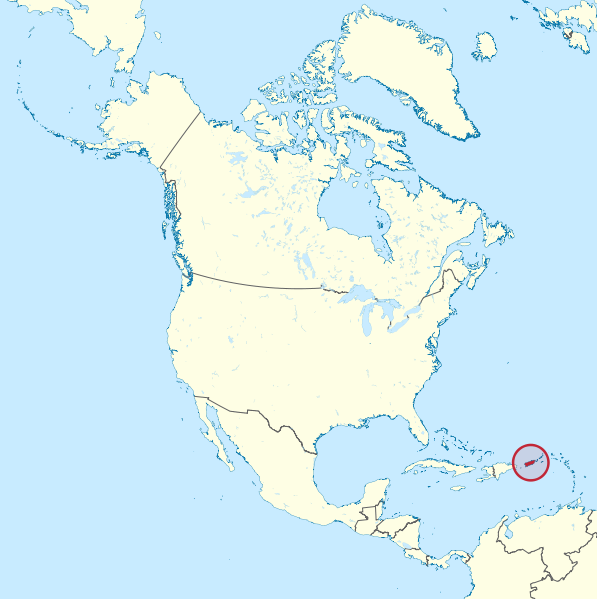
The formal ties between Puerto Rico and the United States began at the close of the 19th century, marking a profound shift in the island’s geopolitical landscape. What began as a strategic acquisition has evolved into a unique political arrangement, characterized by both close integration and distinct autonomy.
Historical Roots: From Spanish Colony to U.S. Territory
The story of Puerto Rico as a U.S. territory officially begins in 1898, following the conclusion of the Spanish-American War. After four centuries of colonial rule under Spain, the island, along with Cuba and the Philippines, was ceded to the United States under the Treaty of Paris. This moment marked the end of one colonial era and the beginning of another, albeit with different implications.
Initially, Puerto Rico was governed directly by the U.S. military. However, the need for a civilian administration quickly became apparent. In 1900, the U.S. Congress passed the Foraker Act, establishing a civilian government for Puerto Rico and designating it as an unincorporated territory. This meant that while it belonged to the United States, the full Constitution did not automatically apply. Puerto Ricans were initially considered citizens of Puerto Rico, not the United States.
A significant turning point came in 1917 with the passage of the Jones-Shafroth Act. This landmark legislation granted U.S. citizenship to nearly all Puerto Ricans, allowing them to serve in the U.S. military and travel freely to the mainland. However, this citizenship came with qualifications: Puerto Ricans residing on the island cannot vote in U.S. presidential elections, and they do not have voting representation in Congress. They elect a Resident Commissioner who can speak on the floor of the House of Representatives and vote in committees, but cannot cast a vote on final legislation in the full House or Senate.
The Commonwealth Status: Rights and Limitations
In 1952, Puerto Rico adopted its own Constitution, establishing itself as a commonwealth (Estado Libre Asociado) in free association with the United States. This self-governing status allows Puerto Rico a degree of autonomy over its internal affairs, including its own executive, legislative, and judicial branches. It has its own tax system and can levy local taxes, distinct from federal income taxes.
However, the U.S. federal government still maintains ultimate authority. Federal laws generally apply to Puerto Rico, the U.S. currency (U.S. Dollar) is used, and the island is subject to federal courts. Defense, foreign policy, customs, and immigration are all controlled by Washington D.C. This unique arrangement means Puerto Ricans enjoy many benefits of U.S. citizenship, such as freedom of movement and access to federal programs, but without full political representation at the national level.
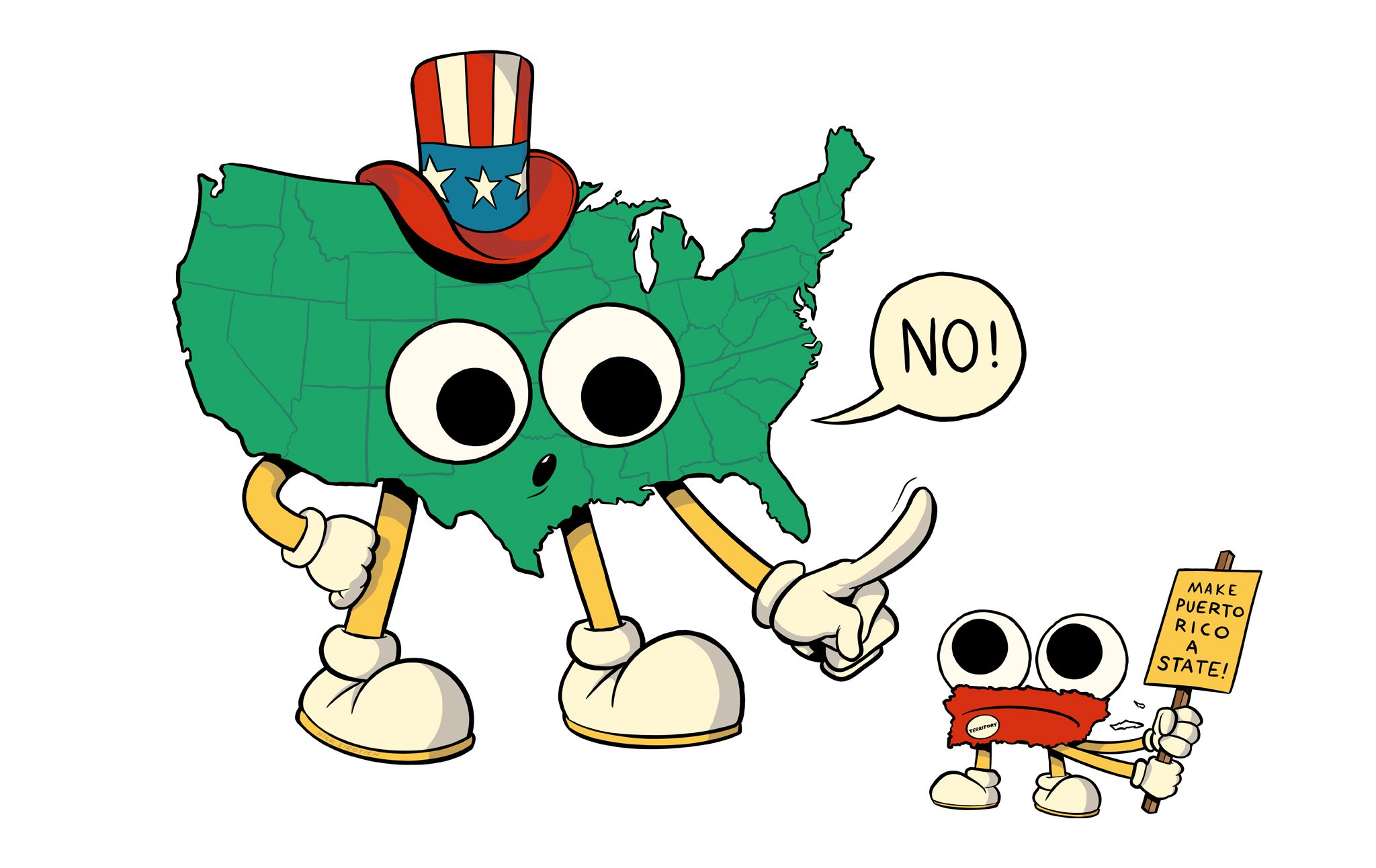
This “unincorporated territory” status, though officially a commonwealth, is a constant source of debate. Advocates for statehood argue that full equality and representation are essential for Puerto Rico’s progress. Proponents of independence seek complete sovereignty, believing it would allow the island to chart its own course without external influence. A third option, often termed “enhanced commonwealth,” aims to redefine and strengthen the current arrangement, granting more autonomy while retaining ties to the United States. Ultimately, while the United States “owns” Puerto Rico in the sense of holding sovereignty, the relationship is better described as a complex partnership, with the future status remaining a decision that rests with both the Puerto Rican people and the U.S. Congress.

Life and Culture in a U.S. Territory
Beyond the political discussions, life in Puerto Rico thrives with a distinct identity shaped by centuries of diverse influences. This vibrant culture, intertwined with its unique political status, offers a fascinating blend that enriches both its residents and visitors.
A Vibrant Blend: Language, Identity, and Traditions
The cultural fabric of Puerto Rico is a rich tapestry woven from Taíno indigenous roots, centuries of Spanish colonization, and a significant African heritage brought by enslaved people. More recently, over a century of American influence has added another layer, creating a fascinating fusion that defines the modern Puerto Rican identity.
Spanish is the dominant language, spoken by the vast majority of the population, reflecting its strong Latin American and European roots. However, English is also an official language and widely understood, especially in metropolitan areas and tourist zones, a testament to the island’s connection to the United States. This bilingualism makes it particularly accessible for U.S. mainland travelers.
Puerto Rico’s culinary scene is a prime example of this cultural blend. Comida criolla, or creole cuisine, is a flavorful mix of Spanish, African, and Taíno influences, using local ingredients like plantains, yucca, and a variety of fresh seafood. Dishes like mofongo (fried plantains mashed with garlic and pork cracklings), lechon asado (roast pig), and arroz con gandules (rice with pigeon peas) are staples that speak to the island’s unique heritage. Beyond the food, music and dance are central to Puerto Rican life, with genres like salsa, bomba, and plena filling the streets and venues with infectious rhythms.
Despite over a century under U.S. sovereignty, Puerto Ricans maintain a fierce sense of national pride and a distinct cultural identity separate from that of the mainland United States. This blend of influences creates a vibrant and welcoming atmosphere, making Puerto Rico not just a place of stunning natural beauty but also a culturally rich destination.
Economic Realities and the Path Forward
Puerto Rico’s economic relationship with the United States is similarly complex. While the island benefits from the use of the U.S. Dollar, free trade with the mainland, and access to federal funding and programs, it also faces significant economic challenges.
Historically, Puerto Rico’s economy has been shaped by agricultural exports, then industrial manufacturing, and increasingly by tourism and services. However, a prolonged recession, a substantial public debt, and the devastating impact of hurricanes like Maria in 2017 have presented immense hurdles. The island’s lack of full political representation means its ability to influence federal policies that directly impact its economy is limited. For example, federal minimum wage laws apply, but Puerto Rico does not receive the same level of federal funding for social programs as states do, nor do its residents pay federal income tax on income earned on the island, contributing to a unique fiscal dynamic.
The economic struggles have led to significant out-migration, particularly to states like Florida, New York City, and California. Yet, there is a strong push towards economic revitalization, with investments in renewable energy, biotechnology, and tourism playing a crucial role. The future of Puerto Rico’s economy is inextricably linked to its political status debate, with proponents of statehood arguing it would provide stability and equality, while advocates for other statuses believe alternative paths would better foster sustainable growth and self-determination.
Discovering Puerto Rico: A Premier Travel Destination
Regardless of its political intricacies, Puerto Rico stands out as an unparalleled travel destination. Its unique status as a U.S. territory offers distinctive advantages for mainland visitors, making it an accessible and enriching escape into Caribbean charm. From its sun-drenched beaches and lush rainforests to its historic cities and vibrant cultural scene, Puerto Rico caters to every type of traveler.
Unforgettable Attractions and Natural Wonders
Puerto Rico’s natural beauty is breathtaking, stretching from the sandy shores of the Atlantic Ocean to the calm waters of the Caribbean Sea. The island is home to the only tropical rainforest in the U.S. National Forest System, the magnificent El Yunque National Forest. Here, visitors can hike through verdant trails, discover stunning waterfalls, and marvel at the rich biodiversity unique to this ecosystem.
For those seeking sun and sand, Puerto Rico boasts some of the world’s most beautiful beaches. Flamenco Beach on the island of Culebra is consistently ranked among the top beaches globally, known for its pristine white sands and clear turquoise waters. Other popular coastal destinations include Luquillo Beach near the capital, and the surfing mecca of Rincón on the west coast.
Adding to its natural allure are Puerto Rico’s rare bioluminescent bays, particularly on the islands of Vieques and near Fajardo. Kayaking through these glowing waters at night is an ethereal experience, making it one of the island’s most magical attractions.
Beyond nature, history comes alive in Old San Juan, the historic heart of the capital city, San Juan. Its cobblestone streets, vibrant colonial buildings, and impressive fortifications tell tales of centuries past. Key landmarks include El Morro, a massive 16th-century citadel offering panoramic views, and La Fortaleza, the governor’s mansion and a UNESCO World Heritage site. A stroll down Calle de la Fortaleza showcases brightly colored buildings, quaint shops, and lively restaurants, embodying the quintessential Old San Juan experience.
World-Class Accommodation and Tourist Experiences
Puerto Rico’s commitment to tourism is evident in its diverse range of accommodation options and exceptional tourist services. Whether visitors seek lavish luxury travel or budget-friendly stays, the island delivers.
The metropolitan areas of San Juan, particularly neighborhoods like Condado and Isla Verde, are home to numerous world-class resorts and hotels from renowned chains such as Marriott International and Hilton Worldwide. These establishments offer a full suite of amenities, including pristine pools, beachfront access, gourmet dining, and spa services, catering to a sophisticated lifestyle. Further afield, destinations like Dorado feature ultra-luxury options such as the St. Regis Bahia Beach Resort, providing exclusive experiences for discerning travelers.
Beyond traditional hotels, Puerto Rico also offers a vibrant market for apartments and villas through platforms like Airbnb and VRBO. These options are perfect for family trips, long-term stays, or those looking for a more immersive local culture experience. Accommodation booking is streamlined and straightforward, with various price points and amenities to suit individual preferences.
The island’s tourism industry is well-developed, offering a plethora of activities and experiences. From zip-lining through the rainforest canopy and exploring subterranean caves to diving in vibrant coral reefs and taking cooking classes focused on Puerto Rican food, there’s an adventure for everyone. Many local guides offer personalized tours, providing deeper insights into the island’s history and ecosystems.
Seamless Travel for U.S. Visitors
For travelers from the continental United States, visiting Puerto Rico is remarkably convenient, largely due to its commonwealth status. U.S. citizens do not need a passport to enter Puerto Rico, treating it like any other domestic flight within the United States. This eliminates the need for international travel documentation, making last-minute trips or family vacations much simpler.
The use of the U.S. Dollar means no currency exchange is necessary, further simplifying financial transactions. Standard U.S. banking services are available, and credit/debit cards are widely accepted. Similarly, the federal postal service operates on the island, and cell phone service from major U.S. carriers functions seamlessly, usually without roaming charges.
While Spanish is the primary language, English is widely spoken in tourist areas, hotels, and major attractions, ensuring smooth communication for English-speaking visitors. This ease of travel and communication, combined with direct flights from many U.S. cities, makes Puerto Rico an incredibly accessible and appealing Caribbean destination.
In conclusion, while the phrase “own” might imply a simple possession, the relationship between the United States and Puerto Rico is profoundly layered. It is a territory under U.S. sovereignty, with its people holding U.S. citizenship, yet retaining a distinct political structure and a vibrant, independent cultural identity. For travelers, this unique blend translates into an accessible yet exotic escape, offering the comforts of home alongside the rich immersion of a distinct Caribbean and Latin American heritage. Puerto Rico isn’t just a part of the United States on a map; it’s a world unto itself, waiting to be explored.
LifeOutOfTheBox is a participant in the Amazon Services LLC Associates Program, an affiliate advertising program designed to provide a means for sites to earn advertising fees by advertising and linking to Amazon.com. Amazon, the Amazon logo, AmazonSupply, and the AmazonSupply logo are trademarks of Amazon.com, Inc. or its affiliates. As an Amazon Associate we earn affiliate commissions from qualifying purchases.