
The relationship between Puerto Rico and the United States is one of the most unique and often misunderstood political arrangements in the world. For travelers, understanding this relationship adds a fascinating layer to an already vibrant destination. While geographically located in the Caribbean, Puerto Rico holds a complex legal status that is neither fully independent nor fully integrated as a U.S. state. This nuanced connection profoundly influences everything from its economy and infrastructure to its rich cultural identity, making it a compelling subject for anyone interested in travel, history, and international relations.
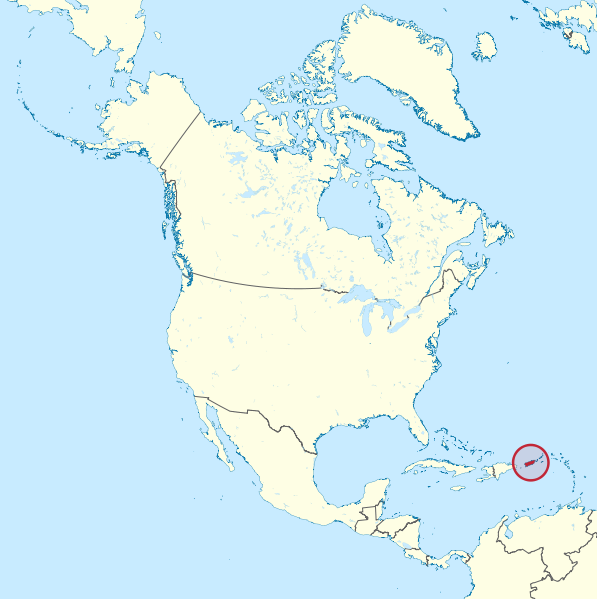
On a surface level, visitors from the United States often find traveling to Puerto Rico remarkably straightforward. There’s no need for a passport, the currency is the U.S. dollar, and English is widely spoken alongside Spanish, which is the dominant language. Yet, beneath this veneer of familiarity lies a distinctive reality. Puerto Rico is an unincorporated territory of the United States, a term that carries significant implications. This article aims to unravel the intricacies of this relationship, providing clarity on whether the United States “owns” Puerto Rico, and how this status shapes the island’s captivating appeal as a premier travel destination. From its sun-drenched beaches and lush rainforests to its historic cities and lively cultural scene, Puerto Rico offers an unparalleled travel experience, an experience made even richer by an appreciation for its singular place in the global landscape.
The Unique Political Status of Puerto Rico
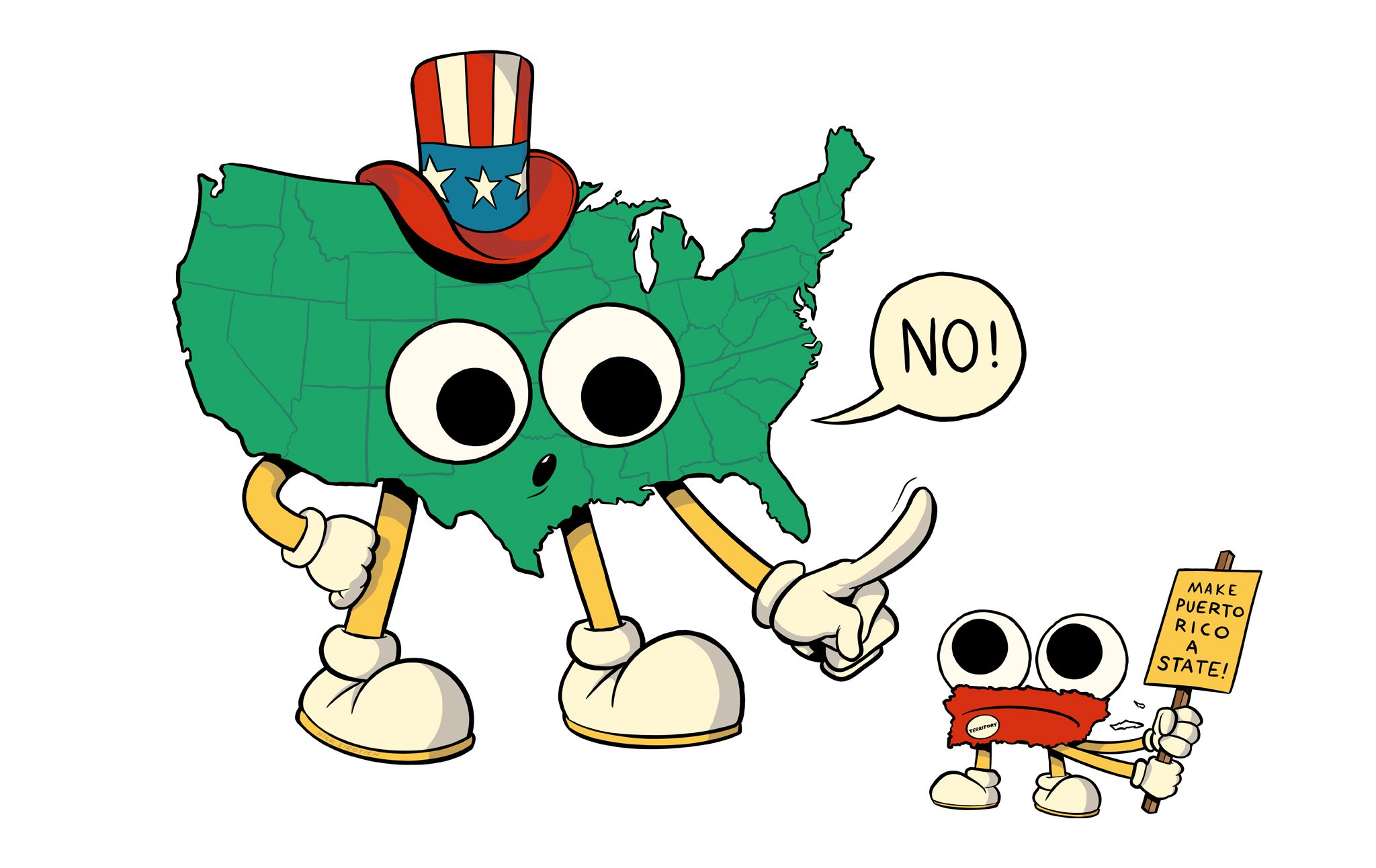
To truly answer the question of whether the United States “owns” Puerto Rico, one must delve into its historical trajectory and constitutional standing. The relationship is not one of simple ownership in the traditional sense, but rather a complex form of territorial governance defined by specific legal precedents and ongoing political debate. Puerto Rico is officially a commonwealth of the United States, a status that grants it a degree of self-governance but keeps it under U.S. sovereignty. This means that while Puerto Rico has its own constitution, legislature, and governor, ultimate authority rests with the U.S. Congress. Its citizens are U.S. citizens, but they cannot vote in federal elections for president and have no voting representation in Congress, though they do elect a non-voting resident commissioner. This arrangement, often described as an “unincorporated territory,” is a legacy of early 20th-century geopolitical shifts and has continued to evolve over more than a century.
A Brief History of its Relationship with the United States
The story of Puerto Rico’s bond with the United States begins dramatically at the close of the 19th century. Prior to 1898, Puerto Rico was a Spanish colony for over 400 years, cultivating a distinct Hispanic culture and heritage. However, the Spanish-American War marked a pivotal turning point. Following Spain’s defeat, Puerto Rico was ceded to the United States under the Treaty of Paris in December 1898. This transfer of sovereignty initiated a new chapter, one characterized by political experimentation and evolving legal frameworks.
Initially, Puerto Rico was governed directly by the U.S. military. However, in 1900, the U.S. Congress passed the Foraker Act, establishing a civilian government and declaring Puerto Rico an unincorporated territory. This meant that while the island belonged to the United States, it was not considered an integral part of the nation, and the U.S. Constitution did not apply in full force. The most significant shift in the relationship came with the Jones-Shafroth Act of 1917, which granted U.S. citizenship to Puerto Ricans. This was a momentous development, affording islanders greater rights and the ability to travel freely within the United States, but it did not alter Puerto Rico’s territorial status or give its residents full voting representation at the federal level. Subsequent legislation in 1952 allowed Puerto Rico to draft its own constitution, establishing the Commonwealth of Puerto Rico and marking a significant step towards greater self-governance, albeit still within the overarching framework of U.S. sovereignty. This intricate history underscores why the question of “ownership” is met with such a layered response, revealing a legal and political landscape far removed from a simple colonial possession.
The Current Commonwealth Status Explained
Today, Puerto Rico operates under its commonwealth status, which represents a delicate balance of autonomy and dependence. As an unincorporated territory, it differs from a U.S. state in several key ways. Residents of Puerto Rico are U.S. citizens, meaning they can move freely to the mainland United States, serve in the U.S. military, and hold U.S. passports. However, they do not pay federal income tax on income earned in Puerto Rico and cannot vote in presidential elections unless they move to a U.S. state. The island does elect a Resident Commissioner to the U.S. House of Representatives, who can debate and introduce legislation but cannot cast votes on the final passage of bills. This lack of full federal representation, despite citizenship, is a defining characteristic of the commonwealth arrangement.
Furthermore, federal laws apply to Puerto Rico unless specifically exempted by Congress. However, the island often receives less federal funding for programs like Medicaid and other social services compared to U.S. states. This disparity, coupled with significant debt crises and natural disasters, has fueled ongoing debates about Puerto Rico’s future status. Plebiscites have been held over the years, with options ranging from maintaining the current commonwealth status, seeking full U.S. statehood, or pursuing complete independence. While statehood has often garnered significant support, the results of these referendums are not binding and require congressional approval, keeping the question of Puerto Rico’s ultimate political destiny open. For the discerning traveler, understanding this unique political backdrop provides a deeper appreciation for the resilience, pride, and distinct identity of the Puerto Rican people, who navigate their daily lives within this complex and evolving framework.
Puerto Rico: An Unforgettable Caribbean Travel Destination
Beyond its intricate political status, Puerto Rico shines as a premier travel destination, a jewel of the Caribbean offering a vibrant tapestry of experiences. For travelers, its unique relationship with the United States often translates into ease of access and familiarity while still providing an unmistakably foreign and exotic adventure. This island paradise boasts everything from pristine beaches and lush tropical rainforests to a captivating history reflected in its colonial architecture and a culinary scene that tantalizes the taste buds. Whether you’re seeking adventure, relaxation, cultural immersion, or simply an escape, Puerto Rico delivers an unforgettable journey, making it an ideal choice for a diverse range of vacation styles. Its status allows for a seamless travel experience for U.S. citizens, bypassing international travel hurdles, yet immersing them in a rich and distinct Caribbean culture.
Rich Culture and Vibrant Lifestyle
Puerto Rico’s culture is a dynamic fusion, predominantly Spanish and African in its roots, blended with Taíno indigenous influences and, more recently, elements from its connection with the United States. This rich heritage is palpable in every aspect of island life, from its music and dance to its art and everyday customs. The island pulses with a rhythm of its own, characterized by the infectious beats of salsa, merengue, and reggaeton that fill the air, particularly in cities like San Juan. Festivals, or fiestas patronales, are a year-round occurrence, celebrating saints, harvests, and historical events with parades, music, and traditional food, offering visitors an authentic glimpse into local life.

The culinary scene in Puerto Rico is a gastronomic delight, known as Cocina Criolla. It’s a vibrant blend of Spanish, African, and Taíno flavors, utilizing local ingredients such as plantains, yuca, fresh seafood, and tropical fruits. Must-try dishes include mofongo (fried plantains mashed with garlic and pork cracklings), lechón asado (roasted suckling pig), and pasteles (a festive dish similar to tamales). Beyond traditional cuisine, San Juan and other urban centers boast a thriving fine-dining scene, fusion restaurants, and innovative cocktail bars. The island is also the birthplace of the piña colada, and rum tasting tours, such as those at the Bacardi Distillery in Cataño, are a popular activity. The warmth and hospitality of the Puerto Rican people, their passion for music, dance, and celebration, create an inviting and unforgettable atmosphere for anyone venturing to this vibrant Caribbean gem.
Breathtaking Natural Beauty and Iconic Landmarks
Puerto Rico is a land of striking contrasts and unparalleled natural beauty, boasting diverse ecosystems that range from lush rainforests to desert-like dry forests, and from stunning white-sand beaches to dramatic mountain ranges. At the heart of its natural wonders lies El Yunque National Forest, the only tropical rainforest in the U.S. National Forest System. Here, visitors can hike through verdant trails, discover hidden waterfalls like La Mina Falls, and marvel at the biodiversity of unique flora and fauna, including the iconic coquí frog.
The island’s coastlines are equally captivating. From the famous surf breaks of Rincón on the west coast to the tranquil, palm-fringed shores of Luquillo Beach in the east, there’s a beach for every preference. The offshore islands of Vieques and Culebra are renowned for their untouched beauty, with Flamenco Beach on Culebra consistently ranking among the world’s best. A truly magical experience awaits at Puerto Rico’s bioluminescent bays, particularly Mosquito Bay in Vieques and La Parguera in Lajas, where microorganisms illuminate the water with every movement, creating an ethereal glow unlike anything else.
Culturally and historically, Old San Juan stands as Puerto Rico’s crown jewel and a UNESCO World Heritage site. Its cobblestone streets, vibrant colonial buildings, and grand fortresses transport visitors back in time. Dominating the cityscape are El Morro (Castillo San Felipe del Morro) and Castillo San Cristóbal, two imposing Spanish fortifications that once guarded the bay from invaders. Strolling along Paseo de la Princesa, exploring the colorful streets, visiting centuries-old churches like Catedral de San Juan Bautista, or admiring the official residence of the Governor of Puerto Rico, La Fortaleza, provides an immersive historical experience. Beyond San Juan, cities like Ponce, known as the “Pearl of the South,” offer elegant architecture and museums. From adventure seekers to history buffs and nature lovers, Puerto Rico’s diverse landscapes and iconic landmarks ensure a journey filled with awe and discovery.
Planning Your Trip: Accommodation and Experiences
Given its status as a U.S. territory, planning a trip to Puerto Rico is remarkably convenient for travelers from the mainland United States. Flights are treated as domestic, making airport procedures smoother, and familiar amenities and services are readily available. However, the island’s unique charm lies in its ability to offer both the comforts of home and the allure of a distinctly Caribbean escape. Whether you envision a luxurious retreat, a budget-friendly adventure, a family-focused vacation, or a deep dive into local culture, Puerto Rico’s robust tourism infrastructure provides a wide array of choices for accommodation and activities to suit every preference and budget. From high-end resorts nestled along pristine coasts to charming boutique hotels in historic districts and authentic local experiences, the island is well-equipped to deliver a memorable stay.
Where to Stay: From Luxury Resorts to Boutique Hotels
Puerto Rico’s accommodation landscape is as varied and vibrant as its natural scenery. For those seeking unparalleled luxury and world-class amenities, the island boasts a selection of exquisite resorts. The St. Regis Bahia Beach Resort, located near Rio Grande on the northeast coast, offers an exclusive escape with a golf course, spa, and direct access to a pristine beach. Similarly, Dorado Beach, A Ritz-Carlton Reserve, on the northern coast, redefines luxury with its personalized service and stunning beachfront villas. In the bustling capital, San Juan, the historic Condado Vanderbilt Hotel offers a blend of Gilded Age grandeur and modern sophistication, perfectly situated in the upscale Condado district with ocean views and multiple pools. Other notable options include the Caribe Hilton, famous for its invention of the piña colada, and the San Juan Marriott Resort & Stellaris Casino, both offering vibrant beachfront experiences.
For travelers who prefer a more intimate and authentic stay, Puerto Rico also offers a charming selection of boutique hotels and guesthouses. In Old San Juan, properties like Hotel El Convento, a former 17th-century convent, provide a unique historical ambiance with modern comforts, perfectly blending into the cobblestone streets. Smaller towns like Rincón, a popular surfing hub on the west coast, feature a range of boutique inns and villa rentals catering to a laid-back, bohemian lifestyle. Beyond traditional hotels, vacation rentals through platforms like Airbnb and VRBO are widely available, offering options from cozy apartments in residential neighborhoods to expansive beachfront homes, ideal for families or longer stays. This diverse range ensures that every traveler can find the perfect home base to explore the wonders of Puerto Rico, tailoring their accommodation to their preferred style and budget.
Exploring Puerto Rican Attractions and Activities
Puerto Rico is an adventurer’s playground and a cultural enthusiast’s dream, brimming with activities and attractions that cater to every interest. For nature lovers, a visit to El Yunque National Forest is a must, where hiking trails lead to breathtaking waterfalls and panoramic views. Kayaking or paddleboarding through one of the island’s enchanting bioluminescent bays, especially Mosquito Bay in Vieques, offers a truly magical evening experience as the water glows with every stroke. Beachgoers will be spoiled for choice, whether they’re catching waves in Rincón, snorkeling in the crystal-clear waters of Culebra’s Flamenco Beach, or simply relaxing on the family-friendly shores of Luquillo Beach or Condado.
History comes alive in Old San Juan, where walking tours of the colossal fortresses of El Morro and Castillo San Cristóbal offer insights into centuries of colonial history. Exploring the colorful streets, browsing artisan shops, and enjoying a traditional Puerto Rican meal at a local eatery are quintessential experiences. For a taste of the island’s renowned rum production, a tour of the Bacardi Distillery in Cataño offers fascinating insights into the history and craft of rum-making, complete with tastings.
Adventure seekers can explore the underground river systems and caves of Parque Nacional de las Cavernas del Río Camuy, or go ziplining through the lush canopy at adventure parks like Toro Verde Urban Park near Orocovis. Horseback riding along the beach, deep-sea fishing, and diving amidst vibrant coral reefs are also popular activities. The island’s culinary scene is an attraction in itself, with food tours available in San Juan to sample everything from street food to fine dining. Regardless of your interests, Puerto Rico presents a mosaic of attractions and activities, inviting travelers to immerse themselves fully in its natural wonders, rich history, and vibrant contemporary culture.
In conclusion, while the question “Does the United States own Puerto Rico?” elicits a complex legal and historical answer—that it is an unincorporated territory under U.S. sovereignty rather than outright “owned”—the implications for travelers are overwhelmingly positive. This unique status facilitates ease of travel for U.S. citizens while preserving Puerto Rico’s distinct Caribbean and Latin American identity. From the historic charm of Old San Juan and the ecological marvels of El Yunque National Forest to the vibrant rhythms of its music and the delectable flavors of its cuisine, Puerto Rico offers an incredibly rich and accessible travel experience. It is a destination where history, culture, and natural beauty converge, providing an unforgettable journey that is both familiar and wonderfully exotic. As you plan your next adventure, consider Puerto Rico—an island of endless discovery, where every visit contributes to understanding its remarkable story.
LifeOutOfTheBox is a participant in the Amazon Services LLC Associates Program, an affiliate advertising program designed to provide a means for sites to earn advertising fees by advertising and linking to Amazon.com. Amazon, the Amazon logo, AmazonSupply, and the AmazonSupply logo are trademarks of Amazon.com, Inc. or its affiliates. As an Amazon Associate we earn affiliate commissions from qualifying purchases.