
Graduation from Boston University marks a pivotal transition, ushering in a new chapter filled with possibilities, personal growth, and often, exciting travel opportunities. For many, this post-collegiate phase means embarking on a gap year adventure, relocating for a dream job in a new city, or even embracing a digital nomad lifestyle. Amidst the excitement of packing bags and planning itineraries, one crucial detail often gets overlooked: the fate of your university email address. This seemingly minor technicality can, in fact, have profound implications for your global connectivity, professional networking, and the seamless management of your new, travel-infused lifestyle. Understanding whether your Boston University email persists, and preparing for its potential discontinuation, is an essential step in safeguarding your digital identity as you navigate the world beyond academia.

The Digital Anchor in a Nomadic Lifestyle: Post-Graduation Connectivity
Your university email address has likely been more than just an inbox; it’s been a central hub for your academic life, social connections, and even early career development. For those planning a mobile, travel-heavy lifestyle post-graduation, the sudden loss of this digital anchor can create unexpected turbulence. It’s not just about losing access to old messages; it’s about the potential disruption to ongoing communications, access to vital services, and the management of your personal brand as you traverse different continents.
The Immediate Impact on Your Travel Plans
Imagine you’ve just booked an incredible backpacking trip through Europe, or secured a work-holiday visa for Australia. Many of your initial bookings—flights, hostels, visa applications, tour confirmations—might have been linked to your Boston University email. If that email suddenly becomes inactive, retrieving booking confirmations, receiving crucial updates (like flight changes or gate information), or even verifying your identity for travel services can become a nightmare. This isn’t just an inconvenience; it can lead to missed connections, cancelled plans, and significant stress while you’re thousands of miles from home. Furthermore, subscription services for travel guides, language learning apps, or even your favorite travel blog newsletters might cease to reach you, leaving you out of the loop just when you need information most. A smooth post-graduation travel experience hinges on uninterrupted access to your digital life, making the continuity of your primary email paramount.
Securing Your Digital Identity Before Taking Flight
Before you even consider purchasing your first post-graduation plane ticket, a comprehensive digital audit is in order. This process involves identifying every online service, account, and contact that is currently linked to your Boston University email address. This could range from professional networking platforms like LinkedIn to online banking, social media profiles, and even cloud storage services that hold your travel photography or important documents. The goal is to proactively migrate these connections to a new, permanent personal email address that you control.
Creating a robust, dedicated personal email account, ideally with a professional-sounding address, is your first priority. This new account will serve as your digital home base, unaffected by university policies or graduation timelines. Take the time to systematically update your contact information across all critical platforms. This includes financial institutions, healthcare providers, government agencies (especially if you’re dealing with international visas or permits), and most importantly, your personal and professional contacts. Failing to do so can lead to missed opportunities, lost communications, or even security headaches down the line, especially when you’re relying on digital access for everything from hotel bookings in Paris to remote work collaborations from a café in Bali.
Navigating the Global Professional Landscape
For many Boston University graduates, the professional journey begins immediately after graduation, often involving international relocations, remote work, or extensive business travel. Your university email, while a hallmark of your academic achievements, is typically not designed for long-term professional use outside the academic sphere. Understanding its expiration date and having a solid transition plan is crucial for maintaining professional continuity, especially when your career path takes you around the globe.
Alumni Networks: Your Worldwide Connection
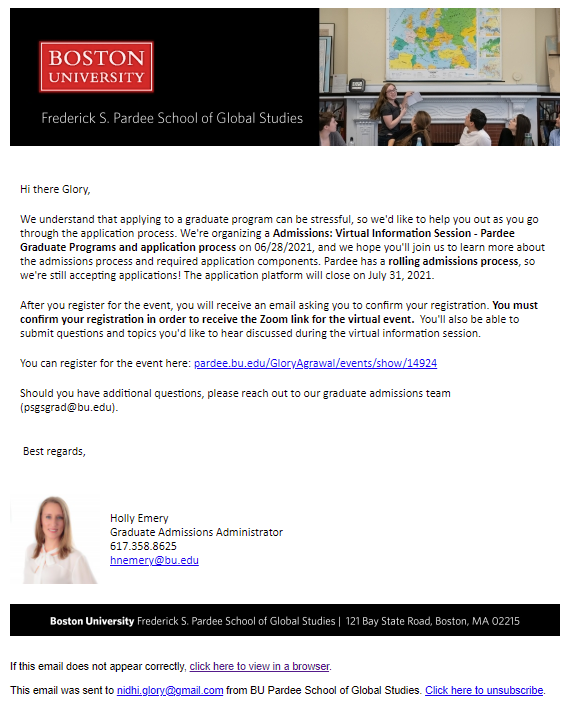
One of the most valuable assets of a Boston University degree is access to its extensive alumni network. This global community provides unparalleled opportunities for mentorship, job searching, and professional collaboration, whether you find yourself seeking opportunities in New York City, London, or Singapore. However, communication within these networks often starts with your university email. It’s imperative to understand how Boston University handles alumni email accounts. Some institutions offer indefinite forwarding services or even lifetime alumni email addresses (though often with reduced storage or features). Others simply cut off access after a grace period.
Investigate Boston University’s specific policy for alumni. If a forwarding service or permanent alumni email is offered, take advantage of it. If not, ensure that all your alumni association communications are redirected to your new, permanent personal email. Furthermore, actively connect with fellow alumni on platforms like LinkedIn, exchanging personal email addresses or phone numbers to maintain robust connections that aren’t tied to your soon-to-expire university account. These connections can be invaluable for finding accommodations abroad, navigating local customs, or even discovering job leads while traveling.
Professional Correspondence While Abroad
Whether you’re engaging in remote work from a beach in Thailand or attending international conferences in Berlin, a consistent and reliable professional email address is non-negotiable. If prospective employers, clients, or collaborators are attempting to reach you via your university email, and it’s no longer active, you risk missing crucial opportunities. This is particularly true for job applications submitted during your final semester; follow-up interviews or offers might be sent to your university account.
Before your access expires, meticulously update your resume, cover letters, and any online professional profiles (e.g., portfolio websites, freelance platforms) with your new personal email address. Inform key professional contacts of your new email, perhaps with a friendly, brief update announcing your graduation and new contact details. This proactive approach ensures that your professional communications remain uninterrupted, allowing you to seamlessly transition into your global career trajectory without missing a beat, no matter where your journey takes you.
Travel Logistics and Legacy Data: A Seamless Transition
Beyond immediate communication, your university email account likely houses a significant repository of data crucial for your post-graduation life, especially if that life involves extensive travel. From past travel confirmations to research papers, photographs, and personal notes, this digital archive needs careful consideration before it vanishes into the digital ether. Managing this legacy data and ensuring a smooth transition is vital for anyone embracing a truly mobile lifestyle.
Migrating Essential Travel Documents and Bookings
Over your years at Boston University, you may have received countless email confirmations for flights, train tickets, rental cars, visa appointments, and accommodation bookings for spring breaks, summer internships, or study abroad programs. Many students, especially those planning further international travel, often re-reference these old bookings for travel history, visa applications, or general planning. Before your university email becomes inactive, dedicate time to sifting through it for any past or future travel-related correspondence. Create a dedicated folder in your new personal email for “Travel Documents” and forward all relevant emails. Alternatively, download and save important attachments (e.g., e-tickets, hotel vouchers, visa approval letters) to a secure cloud storage service or an external hard drive. This ensures that you have access to crucial information, regardless of your physical location, preventing frustrating searches or reprocessing of documents when you’re already on the road, perhaps trying to check into a hostel in Rome or apply for an extended visa in Peru.
Preserving Memories and Research on the Move
Your university email account might also be linked to cloud storage provided by the institution, where you’ve saved everything from academic projects and research papers to personal photos and videos. This invaluable collection of memories and intellectual property is at risk if not transferred. Prioritize moving all personal files, creative works, and significant academic projects from university-provided cloud storage to your own personal cloud account (e.g., Google Drive, Dropbox, OneDrive) or a physical backup. For academic work, consider creating a digital portfolio that you can easily access and share with prospective employers or for graduate school applications, regardless of whether you’re working remotely from Portugal or pursuing further studies in Canada. Losing access to these intellectual assets can be a significant blow, impacting future career prospects or simply erasing cherished memories of your time at Boston University.
Proactive Steps for a Jet-Setting Future
The key to a successful digital transition, especially for a lifestyle that involves frequent travel or relocation, is proactivity. Don’t wait until the last minute to address the fate of your Boston University email. Planning ahead ensures a smooth, stress-free move into your post-graduate life, allowing you to focus on the exciting adventures that await.
Setting Up Your Permanent Digital Hub
Establishing a permanent, personal email address as your primary digital hub is the cornerstone of this transition. Choose a reputable provider that offers robust security, ample storage, and easy accessibility from anywhere in the world. Consider a professional-looking email address that you’ll be comfortable using for job applications, international correspondence, and personal communications for years to come. Once established, commit to using this new email for all new registrations and updates. Implement two-factor authentication for added security, a crucial step for anyone whose lifestyle involves accessing accounts from various networks and devices, potentially in different countries. Ensure you have a strong, unique password and consider using a password manager to keep track of all your updated credentials. This central, secure digital hub will be your reliable constant as you explore new horizons and engage with diverse cultures.

The Lifelong Learning Traveler
Finally, embrace the mindset of a lifelong learning traveler, continually adapting and optimizing your digital practices. Your university email saga is an excellent lesson in digital self-reliance. As you move forward, regularly review your digital footprint, update contact information, and back up important data. For those pursuing a digital nomad lifestyle or remote work, understanding cloud storage, VPNs for secure connections abroad, and efficient data management becomes part of your essential skill set. The experience of graduating from Boston University and managing your digital transition is not just about an email address; it’s about mastering the tools that empower your independent, globally connected lifestyle. By taking these proactive steps, you ensure that your digital life remains as agile and adventurous as your physical travels, ready for whatever the world throws your way.
LifeOutOfTheBox is a participant in the Amazon Services LLC Associates Program, an affiliate advertising program designed to provide a means for sites to earn advertising fees by advertising and linking to Amazon.com. Amazon, the Amazon logo, AmazonSupply, and the AmazonSupply logo are trademarks of Amazon.com, Inc. or its affiliates. As an Amazon Associate we earn affiliate commissions from qualifying purchases.