
Embarking on a journey, whether it’s a temporary escape to a new destination or a permanent relocation, often brings with it a sense of adventure and discovery. From exploring vibrant cities like Houston, Dallas, and Austin, to savoring the unique culture and cuisine of the Lone Star State, Texas offers a myriad of experiences for every traveler and resident. However, even the most meticulous planning for long-term stays, digital nomad lifestyles, or new beginnings can encounter unforeseen challenges. Financial stability is a cornerstone of a stress-free existence, particularly when managing living expenses, accommodation, and the overall lifestyle in a new environment.
For those navigating a transitional period, facing temporary setbacks, or simply seeking to understand the safety nets available within the United States during an extended stay, comprehending local support systems is vital. This comprehensive guide, framed within the broader context of lifestyle management and responsible travel, focuses on one such critical program: the Supplemental Nutrition Assistance Program (SNAP), commonly known as food stamps, in Texas. Understanding how to access these benefits can be a crucial part of ensuring food security, whether you’re settling down, managing an unexpected budget constraint during an extended exploration, or simply seeking comprehensive information about living in Texas. This article aims to demystify the application process, eligibility criteria, and ongoing management of SNAP benefits, empowering individuals and families to navigate their financial well-being with greater confidence in the heart of the Lone Star State.
Understanding SNAP: Who Is Eligible in Texas?
The Supplemental Nutrition Assistance Program (SNAP) in Texas is administered by the Texas Health and Human Services Commission (HHSC). It provides food assistance to low-income individuals and families, enabling them to purchase nutritious food. Eligibility for SNAP is determined by several factors, including residency, citizenship status, income, and resources. For anyone considering a long-term stay, relocation, or simply managing a tight budget while exploring Texas, understanding these requirements is the first crucial step.
Residency and Citizenship Requirements
To be eligible for SNAP in Texas, applicants must reside within the state. This means that even if you are originally from another state or country, your primary residence must be in Texas at the time of application. Proof of residency, such as a utility bill or rental agreement, will be required.
Regarding citizenship, applicants must be United States citizens or qualified non-citizens. Qualified non-citizens include individuals with lawful permanent resident status (green card holders), refugees, asylum seekers, and certain victims of domestic violence or human trafficking, among others. There are specific rules for each category, often requiring a certain period of residency in the United States or a specific immigration status. It’s important to note that if a household includes individuals with mixed immigration status (e.g., citizen children with non-citizen parents), the citizen children may still be eligible for benefits, and their parents may apply on their behalf without affecting their own immigration status. This ensures that even families facing complex situations can find support.
Income and Resource Limits
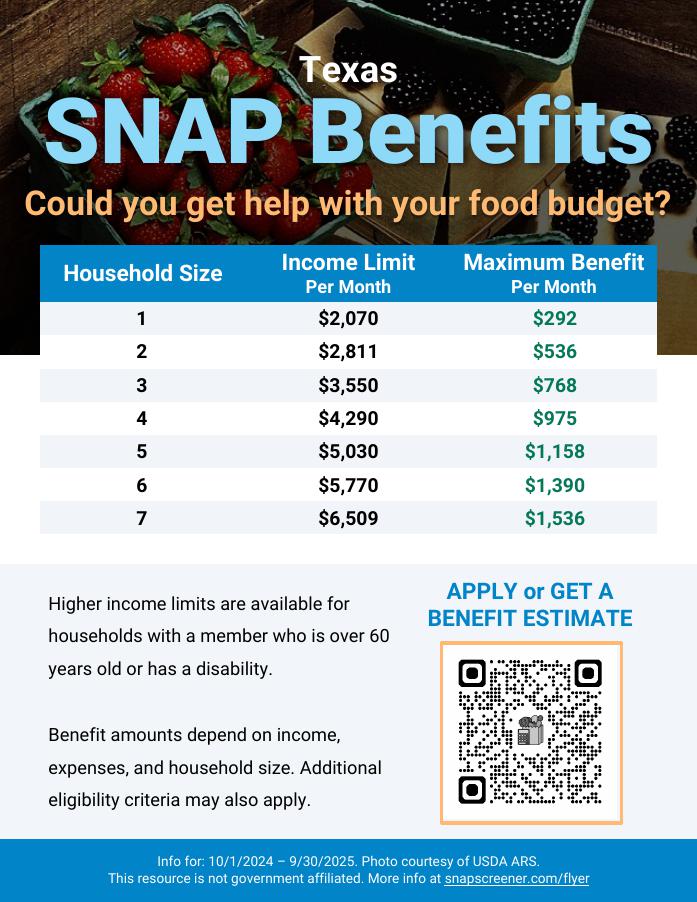
Income and resource limits are critical determinants of SNAP eligibility. These limits are subject to change annually and vary based on the size of the household. Generally, HHSC considers both gross income (total income before deductions) and net income (income after certain deductions) when determining eligibility. Most households must meet both gross and net income limits. However, households with an elderly or disabled member only need to meet the net income limit.
Resource limits also apply. Resources typically include cash, money in bank accounts, and certain vehicles. In Texas, the general resource limit for most households is relatively low, while households with an elderly or disabled member usually have a higher limit. Certain resources are exempt, such as the home you live in, the land it sits on, most retirement accounts, and one vehicle per adult in the household used for work or transportation. This aspect of the program acknowledges that while individuals may own essential assets, they can still face food insecurity. For those budgeting for travel or long-term accommodation, understanding these thresholds is crucial in assessing financial planning and potential eligibility. It allows individuals to consider if unexpected changes in their financial landscape could make them eligible for assistance, complementing their broader lifestyle management strategies.
Work Requirements and Special Circumstances
Most able-bodied adults without dependents (ABAWDs) between the ages of 18 and 50 are subject to work requirements to receive SNAP benefits. This generally means they must be working at least 20 hours per week, participating in a work program, or volunteering. There’s often a three-month time limit on receiving benefits if these requirements are not met, though extensions can be granted under certain conditions.
However, many individuals are exempt from these work requirements. This includes pregnant individuals, individuals with disabilities, those caring for a child under six, or those receiving unemployment benefits. Students enrolled at least half-time in an institution of higher education also have specific eligibility rules, often requiring them to be employed, participate in a state or federally funded work study program, or meet other criteria. Understanding these specific exemptions is vital for those whose lifestyle or circumstances might make meeting general work requirements challenging, ensuring they don’t overlook potential support during their time in Texas.
The Application Journey: Step-by-Step in the Lone Star State
Once you’ve determined your potential eligibility, the next step is to navigate the application process itself. The Texas Health and Human Services Commission (HHSC) has streamlined several methods to apply, ensuring accessibility for residents across the state, from the bustling metropolitan areas of San Antonio to smaller, rural communities. A smooth application process is key to quickly securing the support needed to manage your living expenses and maintain a stable lifestyle.
Choosing Your Application Method
Applicants in Texas have several convenient options for submitting their SNAP application:
- Online Application: The most popular and often fastest method is applying online through YourTexasBenefits.com. This secure portal allows you to create an account, complete the application form, and upload necessary documents digitally. It’s accessible 24/7, making it a flexible option for individuals with busy schedules, including those balancing travel, work, or new accommodation arrangements.
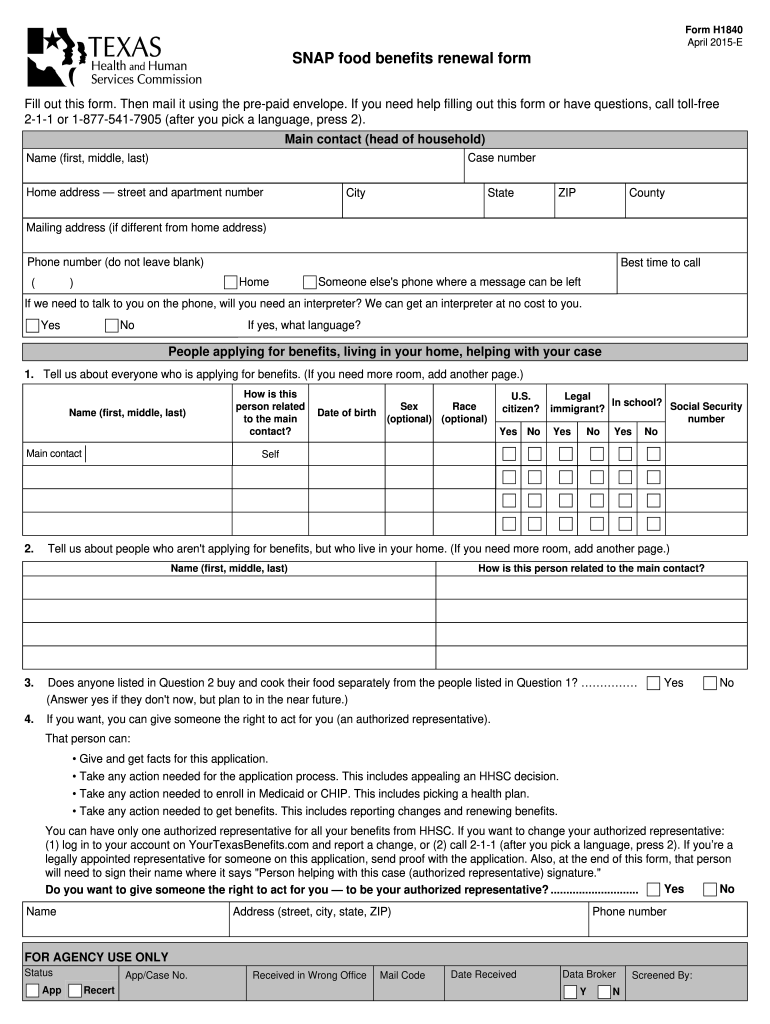
- Mail: You can download a paper application from the HHSC website, print it, fill it out, and mail it to a local HHSC office. Alternatively, you can request an application to be mailed to your residence. This method might be preferred by those who do not have easy internet access or prefer paper documentation.
- In-Person: Visiting a local HHSC office allows you to apply in person and receive immediate assistance from staff. This can be beneficial for those with complex questions or who need help gathering specific documents. You can find office locations on the HHSC website. Major cities like Houston, Dallas, Austin, and San Antonio will have multiple accessible locations.
Regardless of the method chosen, ensure all information is accurate and complete to avoid delays.
Gathering Essential Documentation
Preparing the necessary documents before you apply can significantly expedite the process. The more organized you are, the smoother your application journey will be. Key documents generally include:
- Proof of Identity: A driver’s license, state ID, or passport.
- Proof of Residency: A utility bill, rent receipt, or mail with your current Texas address.
- Proof of Income: Pay stubs, employer statements, award letters for benefits (e.g., unemployment, Social Security), or self-employment records.
- Proof of Resources: Bank statements, documentation of any other countable assets.
- Proof of Expenses: Rent or mortgage statements, utility bills (electricity, water, gas), childcare receipts, and medical expenses for elderly or disabled household members. These deductions can significantly impact your net income and, consequently, your benefit amount.
- Social Security Numbers: For all household members applying for benefits.
- Immigration Status Documents: For non-citizens, relevant documents proving qualified non-citizen status.
Having digital copies ready if applying online, or physical copies if mailing or applying in person, will prevent the need for follow-up requests and speed up the verification process. This diligent approach is akin to preparing thoroughly for a major trip or securing a long-term accommodation lease, where organization is paramount to success.
The Interview and Decision Process
After submitting your application and documentation, a mandatory interview with an HHSC caseworker is required. This interview can typically be conducted over the phone or, if preferred, in person at an HHSC office. During the interview, the caseworker will review your application, verify the information provided, and ask additional questions to clarify your circumstances. It’s an opportunity to provide any missing information or correct discrepancies.
Following the interview, HHSC will make a decision on your eligibility. For most applications, a decision is made within 30 days. However, households with very low income and immediate need (known as “expedited service”) may receive benefits within seven days. If your application is approved, you will receive an EBT Card (Electronic Benefit Transfer) by mail, along with information about your benefit amount. If your application is denied, you will receive a written notice explaining the reason for the denial and information about your right to appeal the decision. Understanding this timeline and process is crucial for managing your expectations and planning your finances, whether you’re relocating or simply navigating a challenging period in Texas.
Maximizing Your SNAP Benefits and Maintaining Eligibility
Receiving SNAP benefits is a significant step towards ensuring food security. However, understanding how to use these benefits effectively and maintain your eligibility is equally important. This knowledge allows you to fully integrate this support into your lifestyle, whether you’re enjoying the local markets of Austin or managing household expenses in Houston.
Understanding Your EBT Card
The EBT Card is how SNAP benefits are disbursed in Texas. It functions much like a debit card. Once your application is approved, your EBT Card will be mailed to you, along with a Personal Identification Number (PIN). You can use this card at most grocery stores, farmers’ markets, and authorized retailers to purchase eligible food items.
It’s crucial to understand what you can and cannot buy with your EBT Card.
- Eligible items typically include fruits, vegetables, meat, poultry, fish, dairy products, breads, cereals, and seeds/plants that produce food for the household to eat. This allows for a wide range of nutritious choices, supporting a healthy lifestyle.
- Ineligible items include alcoholic beverages, tobacco products, vitamins, medicines, hot foods prepared for immediate consumption (like deli rotisserie chickens or fast food), pet food, cleaning supplies, paper products, and other non-food items.
Responsible use of your EBT Card is key. Always protect your PIN, check your balance regularly, and report lost or stolen cards immediately to HHSC to prevent unauthorized use. Managing this benefit effectively is a practical skill for anyone focused on budgeting and maintaining financial stability during their Texas experience.
Reporting Changes and Renewing Benefits
Maintaining eligibility for SNAP requires proactive communication with HHSC. You are obligated to report certain changes in your household circumstances within a specific timeframe, usually 10 days of the change occurring. These changes can include:
- Changes in Income: Any significant increase or decrease in earnings from employment, self-employment, or other sources.
- Changes in Household Members: Someone moving into or out of your household, or a new baby being born.
- Changes in Resources: If your countable resources exceed the program limits.
- Changes in Residency: If you move to a new address, even within Texas.
- Changes in Work Status: For those subject to work requirements, changes in employment status or hours.
Failing to report these changes can lead to overpayment of benefits, which may need to be repaid, or even temporary disqualification from the program.
Additionally, SNAP benefits are not indefinite. You will need to renew your benefits periodically through a process called recertification. HHSC will send you a notice when it’s time to renew, typically before your current benefit period expires. The recertification process involves submitting a new application and possibly undergoing another interview to confirm your continued eligibility. Staying on top of these reporting and renewal requirements is vital to avoid any disruption in your food assistance, allowing for continuous support as you manage your lifestyle in Texas.
Support and Resources for a Thriving Texas Experience
While SNAP is a foundational program for food security, it’s often part of a broader ecosystem of support available to individuals and families in Texas. Understanding these additional resources and practical tips can further enhance your ability to thrive, whether you’re a new resident or navigating a temporary challenge during an extended stay. This holistic view of support aligns perfectly with a comprehensive lifestyle approach, ensuring that all aspects of well-being are considered.
Beyond SNAP: Additional Support Systems
The Texas Health and Human Services Commission (HHSC) administers several other crucial programs that might be beneficial, especially if you’re experiencing financial hardship or a significant life transition. These include:
- Medicaid: Health care coverage for low-income families and individuals. This can be critical for managing health and avoiding unexpected medical expenses, which are often major disruptions to any budget, whether for travel or permanent residence.
- Temporary Assistance for Needy Families (TANF): Provides cash assistance for families with children who are experiencing financial hardship. This program often has work requirements similar to SNAP.
- WIC (Women, Infants, and Children): A supplemental nutrition program for pregnant women, new mothers, and young children, focusing on healthy eating and nutritional education.
Beyond state-run programs, a vast network of local food banks and community-based organizations operates across Texas. Organizations like Feeding Texas and local food pantries in cities like Dallas, San Antonio, and rural areas provide emergency food assistance, often without the same strict eligibility requirements as federal programs. These resources can be particularly helpful for immediate needs or as a supplement to SNAP benefits, offering an invaluable safety net for those seeking a smooth transition or coping with unforeseen events. Many of these organizations also offer other forms of support, such as referrals to housing assistance, employment services, and educational programs, fostering a sense of community and stability.
Tips for a Seamless Experience
Navigating public assistance programs can seem daunting, but with a proactive approach, the process can be much smoother. Here are some tips to facilitate a seamless experience:
- Be Organized: Keep all your documents—proof of identity, residency, income, and expenses—in a single, easily accessible file. This will save time and reduce stress during the application and renewal processes.
- Ask Questions: If you’re unsure about any part of the application, eligibility criteria, or what documents are needed, don’t hesitate to contact HHSC directly or visit a local office. Their caseworkers are there to help.
- Utilize Online Tools: The YourTexasBenefits.com portal is a powerful tool. You can check your application status, view your benefit balance, report changes, and even renew your benefits online, offering convenience and control over your assistance.
- Understand Your Rights: Familiarize yourself with your rights as an applicant or recipient of SNAP. If you believe you’ve been unfairly denied benefits or have issues with your case, you have the right to request a fair hearing to appeal the decision.
- Stay Informed: Program rules and benefit amounts can change. Regularly check the HHSC website or local news for updates to ensure you’re always operating with the most current information.
Empowering Your Journey in the Lone Star State
Whether you’re exploring the cultural richness of Texas through short-term tourism, planning a long-term stay, or making the Lone Star State your new home, understanding the available support systems is an essential component of comprehensive lifestyle management. The Supplemental Nutrition Assistance Program (SNAP) in Texas offers a vital lifeline, ensuring that even when faced with unexpected financial turns, food security remains within reach.
This guide, while detailed, is a starting point. The Texas Health and Human Services Commission (HHSC) remains the official source for the most accurate and up-to-date information regarding SNAP eligibility and application procedures. By familiarizing yourself with the process, gathering necessary documentation, and proactively managing your benefits, you can confidently navigate your financial well-being. Ultimately, having access to such programs contributes not just to survival, but to a more stable and fulfilling experience in Texas, allowing you to focus on enjoying all that this dynamic state has to offer, from its diverse attractions to its warm hospitality.
LifeOutOfTheBox is a participant in the Amazon Services LLC Associates Program, an affiliate advertising program designed to provide a means for sites to earn advertising fees by advertising and linking to Amazon.com. Amazon, the Amazon logo, AmazonSupply, and the AmazonSupply logo are trademarks of Amazon.com, Inc. or its affiliates. As an Amazon Associate we earn affiliate commissions from qualifying purchases.