
Wildfires have become an undeniable aspect of life in California, dramatically reshaping its landscapes and, consequently, the experience of travelers. For those planning a visit, understanding the current fire situation is paramount, not only for safety but also for making informed decisions that ensure a rewarding and responsible journey. This guide delves into the ongoing fire conditions, their multifaceted impact on tourism, and essential considerations for anyone venturing to the Golden State.
Understanding the Current Fire Landscape in California
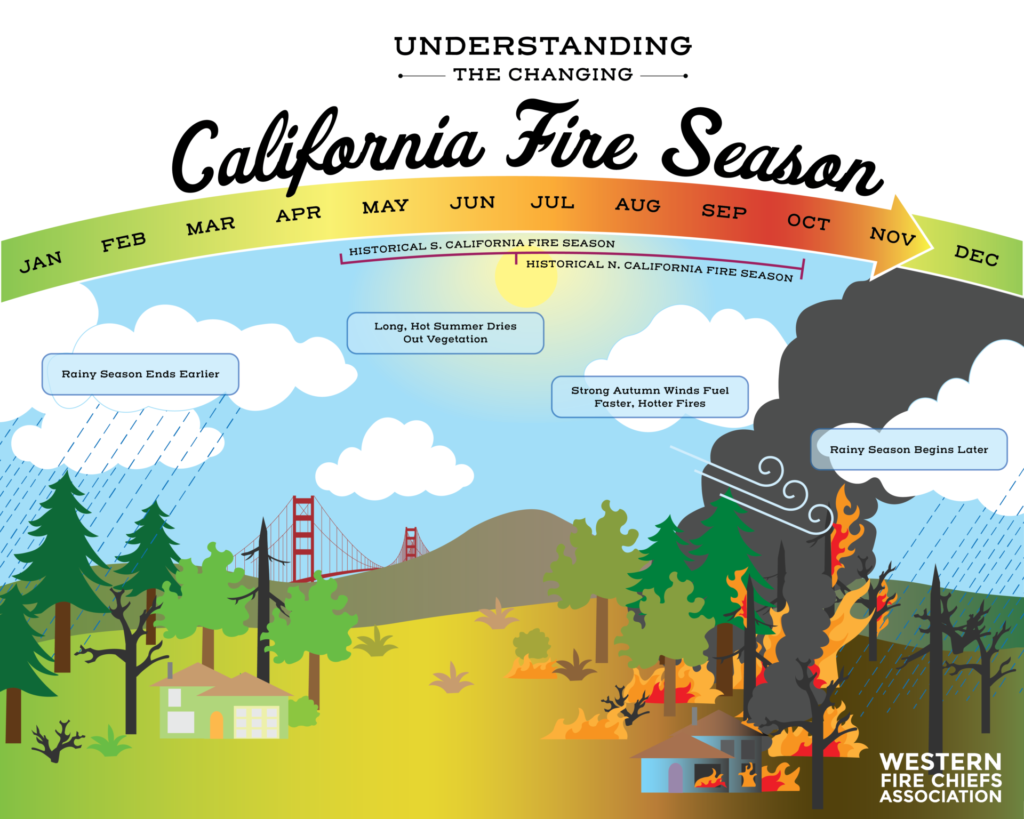
California’s fire season can vary significantly from year to year, influenced by factors such as drought conditions, high temperatures, and strong winds. While fires are a natural part of many ecosystems, climate change has exacerbated their intensity and duration, making proactive awareness crucial for travelers.
Overview of Recent Fire Activity
The state consistently battles numerous wildfires, ranging from small, quickly contained incidents to massive conflagrations that burn for weeks or months. Official agencies diligently track these events, providing real-time updates on containment, acreage burned, and evacuation orders. The overall activity levels fluctuate seasonally, with late summer and fall typically experiencing the most severe conditions due to dry vegetation and Santa Ana or Diablo winds. It is important to note that “doing” is a fluid concept; conditions can change rapidly, often within hours, necessitating continuous vigilance.
Key Regions Affected
While wildfires can erupt anywhere in the state, certain regions are historically more prone or have seen significant impacts in recent years. Northern California, particularly forested areas like the Shasta-Trinity National Forest and parts of the Sierra Nevada mountain range, frequently experiences large fires. The renowned Napa Valley and Sonoma County wine regions have also been hit hard, impacting vineyards and tourist infrastructure. In Southern California, fires often threaten communities nestled in canyons and foothills, sometimes reaching coastal areas. Regions around Los Angeles, San Diego, and Palm Springs can be affected by smoke and evacuations, even if the fire itself is miles away.
Resources for Real-time Information
For travelers, relying on official, up-to-date information is paramount.
- CAL FIRE: The state’s primary fire agency provides comprehensive incident reports, maps, and statistics on active fires. Their website is an indispensable first stop.
- National Interagency Fire Center (NIFC): Offers national-level fire information, which can provide context for California’s situation.
- Air Quality Monitoring: Websites like AirNow.gov offer real-time air quality index (AQI) readings, essential for understanding smoke impacts. Many local air quality management districts also provide detailed regional data.
- Local Emergency Services & News: County sheriff’s departments and local news outlets often have the most immediate and specific information regarding evacuations, road closures, and localized impacts.
Impact on Travel and Tourism Destinations
Wildfires can affect travel in myriad ways, from direct threats to infrastructure to indirect impacts on air quality and the natural environment. Understanding these potential effects helps travelers plan more resilient itineraries.
National Parks and Wilderness Areas
Many of California’s most iconic natural attractions are national and state parks, often situated in fire-prone wilderness. Yosemite National Park, Sequoia National Park, Kings Canyon National Park, and Redwood National and State Parks are frequently at risk or have had portions closed due to fires or smoke. Closures can range from temporary trail restrictions to full park shutdowns, particularly when fire activity directly threatens park infrastructure or visitor safety. Even if a park remains open, smoke can obscure views, reduce air quality, and detract from the outdoor experience. It’s crucial to check park websites for current conditions and alerts before traveling.
Coastal and Urban Centers
Major cities like San Francisco, Los Angeles, and San Diego are generally not directly threatened by wildfires. However, they can experience significant smoke plumes, leading to poor air quality, especially in areas downwind of large fires. This can impact outdoor activities, from beach visits to city sightseeing tours. Travelers with respiratory conditions should be particularly cautious. While these urban hubs offer numerous indoor attractions, the overall outdoor ambiance can be compromised.
Wine Country
California’s famed wine regions, particularly Napa Valley and Sonoma County, have repeatedly faced the destructive power of wildfires. Beyond direct damage to wineries and vineyards, fires can lead to temporary closures of tasting rooms, restaurants, and hotels. Even after fires are contained, the lingering smell of smoke can affect the wine-tasting experience, and the psychological impact on local communities can be palpable. Travelers planning visits to these areas should verify the operational status of specific establishments and consider supporting local businesses impacted by past events.
Essential Travel Considerations Amidst Fire Season

Traveling through California during fire season demands extra preparation and flexibility. By taking proactive steps, travelers can mitigate risks and ensure a smoother trip.
Air Quality and Health Precautions
Smoke from wildfires can contain particulate matter harmful to human health. Check the Air Quality Index (AQI) daily, especially if you plan outdoor activities. An AQI above 100 (Unhealthy for Sensitive Groups) warrants caution, and an AQI above 150 (Unhealthy) suggests reducing strenuous outdoor exertion. Consider carrying N95 masks, particularly if you have respiratory sensitivities. Flexibility in your itinerary to swap outdoor plans for indoor alternatives (museums, galleries, indoor dining) is vital.
Road Closures and Evacuation Routes
Wildfires often necessitate immediate road closures for public safety and to allow emergency vehicle access. Major highways, including portions of the Pacific Coast Highway (Highway 1) or routes through national forests, can be affected. Use navigation apps that provide real-time traffic updates and always heed official signage and emergency personnel instructions. Have alternative routes mapped out, and be prepared for potential detours or delays. In rare but serious instances, entire towns may be under evacuation orders, making travel to or through those areas impossible.
Accommodation and Booking Flexibility
Given the unpredictable nature of wildfires, booking flexible accommodations with generous cancellation policies is highly advisable. Many hotels and resorts in fire-prone areas understand the situation and may offer more lenient terms during fire season. Consider travel insurance that specifically covers natural disaster-related interruptions or cancellations. Directly contact your accommodation providers a few days before arrival to inquire about local conditions and any potential impacts.
Travel Insurance Recommendations
Standard travel insurance may not always cover disruptions caused by wildfires if they are deemed “foreseeable” or if policies exclude natural disasters. Look for “Cancel For Any Reason” (CFAR) policies, which offer the most flexibility, albeit at a higher cost. Alternatively, carefully review the terms and conditions of standard policies to understand what is covered regarding fire-related delays, cancellations, or medical emergencies due to smoke exposure.
Responsible Travel and Supporting Affected Communities
Traveling responsibly means understanding your impact and contributing positively to the communities you visit, especially during challenging times.
Volunteering and Donations
If you wish to help, consider donating to reputable organizations involved in wildfire relief and recovery, such as the California Community Foundation Wildfire Relief Fund or the American Red Cross. These organizations provide immediate aid and long-term support. While direct volunteering might be difficult for short-term travelers, financial contributions are always valuable.
Choosing Fire-Safe Destinations
While the situation is dynamic, you can often find areas less impacted by current fires. Coastal cities, higher elevation mountain towns not currently threatened, or regions away from active fire zones can offer safe and enjoyable experiences. Researching destinations that are actively welcoming tourists and are far from fire activity helps ensure your trip is smooth and contributes positively to their economy. For instance, if Lake Tahoe is impacted, consider Santa Barbara or Monterey instead.
Economic Impact and Local Businesses
Tourism is a vital economic driver for many California communities. After a fire, supporting local businesses, especially those that rely on tourism, can be crucial for their recovery. When you visit unaffected areas, patronize local restaurants, shops, and tour operators. Your travel dollars help these communities rebuild and sustain themselves.
Looking Ahead: Future of Travel in California
California is proactively adapting to the changing climate, and this includes strategies for managing wildfires and ensuring the continued vibrancy of its tourism sector.
Recovery Efforts and Rebuilding Tourism
The resilience of California’s communities is remarkable. After wildfires, significant efforts are made to restore affected areas, rebuild infrastructure, and reopen natural attractions. This often involves replanting efforts, trail repairs, and supporting local businesses in their recovery. Travelers play a role by visiting and experiencing these destinations once they are safe and ready, demonstrating support and helping to reignite local economies.

Adapting to a Changing Climate
California is at the forefront of developing innovative solutions for wildfire prevention, detection, and response, including advanced technology, forest management practices, and public education campaigns. For travelers, this means a continued emphasis on being “fire-aware” and adhering to local regulations, such as fire bans and restricted access to certain areas during high-risk periods. Future travel guides and infrastructure will increasingly integrate climate resilience, ensuring California remains a breathtaking and accessible destination for generations to come.
LifeOutOfTheBox is a participant in the Amazon Services LLC Associates Program, an affiliate advertising program designed to provide a means for sites to earn advertising fees by advertising and linking to Amazon.com. Amazon, the Amazon logo, AmazonSupply, and the AmazonSupply logo are trademarks of Amazon.com, Inc. or its affiliates. As an Amazon Associate we earn affiliate commissions from qualifying purchases.