
Travelers planning a visit to Colorado often seek current, reliable information regarding the health landscape, particularly concerning Covid-19. Understanding the prevailing conditions is paramount for making informed decisions about destinations, activities, and overall travel safety. Colorado, with its diverse topography ranging from bustling urban centers like Denver to serene mountain retreats such as Aspen and Telluride, presents a varied picture. While the peak intensity of the pandemic may have subsided, the virus remains a factor in public health considerations, influencing travel advisories, local regulations, and the general visitor experience. This article aims to provide a comprehensive overview for prospective travelers, enabling them to navigate their Colorado adventure with confidence and preparedness.

Understanding the Current Landscape for Travelers
Assessing the “badness” of Covid in any region, including Colorado, requires a nuanced approach that moves beyond simple case counts. For travelers, it’s about understanding the risk level, the availability of medical resources, and the impact on local services and attractions. Colorado has consistently prioritized public health, implementing robust monitoring systems and adapting guidelines as the situation evolves.
Data-Driven Insights for Colorado Travel
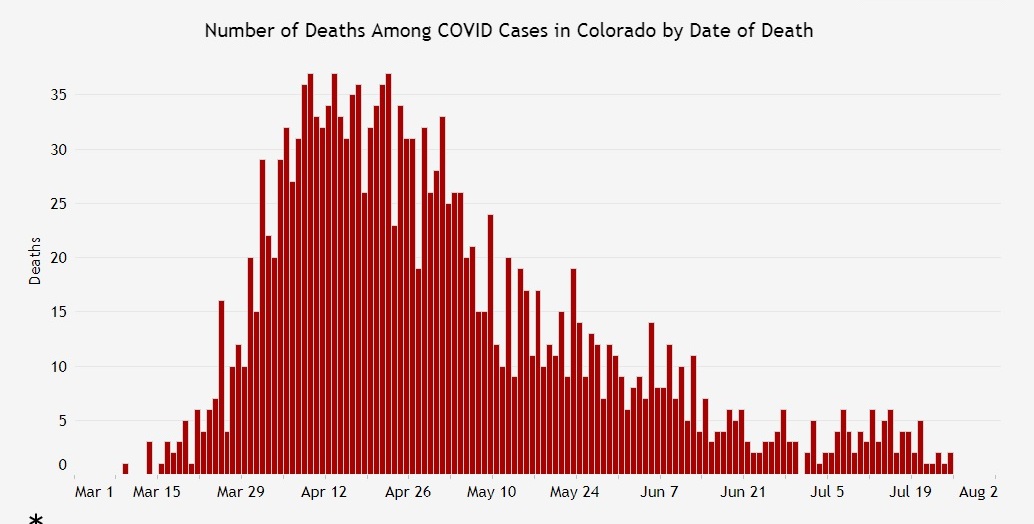
The Colorado Department of Public Health and Environment (CDPHE) serves as the primary source for Covid-related data within the state. Their dashboards provide key metrics such as infection rates, hospitalizations, and vaccination coverage. Travelers are encouraged to review these official statistics prior to and during their trip. Generally, Colorado has maintained a strong public health infrastructure, allowing for effective management of outbreaks and a relatively high level of community resilience. Vaccination rates are typically robust across the state, contributing to lower severe illness rates compared to earlier phases of the pandemic. However, local variations are common, and vigilance remains important.
Regional Variances: Denver vs. Mountain Towns
Colorado’s vast and varied landscape means that Covid conditions can differ significantly from one region to another. Urban centers like Denver and Colorado Springs, with their higher population densities and extensive public transport networks, might experience different dynamics compared to more secluded mountain towns. Ski resorts such as Vail and Breckenridge, which attract international and domestic visitors, often implement specific protocols to ensure guest and staff safety.
- Urban Areas: In cities, you might find a greater emphasis on mask-wearing in certain indoor settings (especially during periods of higher transmission) and a broader availability of testing sites. Cultural institutions, restaurants, and entertainment venues typically follow local health department guidelines, which can be more stringent in densely populated areas.
- Mountain and Rural Areas: While generally less crowded, these areas still see significant tourist influx, particularly during peak seasons for skiing, hiking, or whitewater rafting. Local businesses in places like Estes Park, the gateway to Rocky Mountain National Park, are often proactive in communicating their safety measures to visitors. The availability of healthcare facilities might be more limited in very remote locations, making preparedness even more critical.
Travelers should always check the specific health advisories for the counties they plan to visit, as local regulations can supersede statewide mandates. Resources like county public health websites are invaluable for this purpose.
Navigating Colorado with Confidence
Traveling during an ongoing public health situation requires a proactive approach. Understanding and adhering to local health protocols, combined with personal precautions, can ensure a safe and enjoyable journey through Colorado.
Health Protocols and Local Guidelines
Colorado generally follows a strategy of encouraging personal responsibility while maintaining flexibility in public health mandates. While statewide mask mandates are typically not in place, individual businesses, venues, or even specific events may require them. It’s advisable to carry a mask, especially when entering crowded indoor spaces, using public transportation, or visiting healthcare facilities. Many establishments continue to provide hand sanitizer, and enhanced cleaning protocols remain common in hotels, restaurants, and attractions. Always look for signage or inquire with staff about specific house rules.
Resources for Real-time Information
Staying informed is crucial. Before and during your trip, utilize these resources:
- Colorado Department of Public Health and Environment (CDPHE): The official source for statewide Covid data, guidance, and public health orders.
- County Public Health Websites: For detailed, localized information. A quick search for “Denver Public Health” or “Summit County Health Department” will yield relevant results.
- Local Tourism Boards and Chamber of Commerce: Often provide aggregated information on local business operations, mask policies, and visitor expectations. For example, the Boulder Convention and Visitors Bureau can offer insights specific to the Boulder area.
- Your Accommodation Provider: Hotels and resorts are excellent sources of information regarding their own protocols and what to expect in the immediate vicinity.
By regularly checking these sources, travelers can adapt their plans and ensure compliance with any evolving local requirements.
Impact on Travel Experiences
The presence of Covid, even at lower levels, inevitably shapes the travel experience. However, Colorado’s commitment to outdoor recreation and its adaptable hospitality industry mean that memorable experiences are still very much accessible.
Outdoor Activities and Natural Attractions
Colorado’s greatest draw – its stunning natural beauty and abundant outdoor activities – remains largely unaffected. Hiking trails in the Flatirons, skiing at Winter Park Resort, mountain biking near Moab, or exploring the vast landscapes of the Great Sand Dunes National Park are inherently conducive to social distancing. While visitor centers and ranger programs might have adapted their operations (e.g., timed entry systems for popular national parks like Rocky Mountain National Park), the core experience of connecting with nature is preserved. These activities often provide a refreshing escape, aligning well with health-conscious travel.
Dining, Entertainment, and Indoor Venues
Colorado’s vibrant culinary scene, diverse entertainment options, and cultural institutions have largely resumed normal operations, albeit with an enduring emphasis on cleanliness and guest comfort. Restaurants may offer outdoor dining options year-round, utilizing patios and heated tents, particularly in cities like Fort Collins known for their lively downtowns. Event venues, theaters, and museums typically follow local health directives, which might include proof of vaccination or negative tests for large gatherings, especially during periods of increased transmission. It’s always best to check the specific venue’s website for their current policies before attending. Many attractions, like the Denver Art Museum or the Red Rocks Amphitheatre, clearly outline their visitor guidelines online.
Accommodation Considerations
Hotels, resorts, and rental properties across Colorado have implemented enhanced cleaning protocols. Many offer flexible booking policies, a significant benefit for travelers. Amenities like pools, gyms, and spas are generally open, but it’s wise to confirm their operational status and any specific booking requirements directly with your accommodation provider. Consider options that offer private entrances or kitchenettes for added comfort and control, particularly for longer stays or family trips. Boutique hotels in towns like Ouray or larger chains like the Hyatt Regency Denver all prioritize guest well-being through updated practices.
Planning Your Colorado Trip in the Covid Era
Thoughtful planning is the cornerstone of a successful trip to Colorado in the current environment. A blend of flexibility, insurance, and responsible tourism practices will enhance your experience.
Flexibility and Travel Insurance
Given the potential for unexpected changes, maintaining flexibility in your travel plans is paramount. Look for flights and accommodations that offer free cancellation or rebooking options. Travel insurance that covers Covid-related disruptions, such as medical expenses, trip interruption, or cancellation due to illness or quarantine, is highly recommended. Carefully review policy details to understand what is covered. Having a contingency plan, whether it’s an alternative activity or an extended stay option, can significantly reduce stress if circumstances shift.

Responsible Tourism Practices
Being a responsible traveler in Colorado means respecting local guidelines, protecting public health, and minimizing your environmental footprint.
- Stay Home if Unwell: If you develop symptoms or test positive for Covid, postpone or cut short your trip.
- Practice Good Hygiene: Frequent hand washing and sanitizing are simple yet effective measures.
- Respect Local Rules: Adhere to any mask mandates or capacity limits in place.
- Support Local Businesses: Many businesses have adapted significantly to continue serving visitors. Your patronage helps them thrive.
- Leave No Trace: Colorado’s natural beauty is its most precious asset. Follow “Leave No Trace” principles to protect it for future generations.
In conclusion, while Covid remains a consideration for travelers, Colorado has demonstrated its capacity to manage the virus effectively, allowing for a largely open and inviting travel experience. By staying informed, exercising personal responsibility, and planning strategically, visitors can confidently explore the wonders of the Centennial State.
LifeOutOfTheBox is a participant in the Amazon Services LLC Associates Program, an affiliate advertising program designed to provide a means for sites to earn advertising fees by advertising and linking to Amazon.com. Amazon, the Amazon logo, AmazonSupply, and the AmazonSupply logo are trademarks of Amazon.com, Inc. or its affiliates. As an Amazon Associate we earn affiliate commissions from qualifying purchases.