
For many, the mention of a hurricane in Florida immediately conjures images of widespread disruption and shattered travel plans. As a premier global travel destination, Florida’s allure, from its pristine beaches to its world-renowned theme parks, remains undeniable. However, the annual hurricane season inevitably raises questions for prospective visitors: how severe is the impact, and what does it truly mean for a planned trip? Understanding the realities of hurricane activity in the Sunshine State is crucial for any traveler looking to plan a safe, enjoyable, and informed journey. This article aims to provide a professional, insightful, and engaging guide for navigating the complexities of hurricane season when considering travel to Florida, focusing squarely on the implications for destinations, attractions, guides, and experiences.
Understanding Florida’s Hurricane Season and Risk to Travelers
Florida’s unique geography makes it susceptible to tropical weather systems, a factor that savvy travelers must incorporate into their planning. The key to mitigating risks and ensuring a smooth travel experience lies in understanding the seasonal patterns and regional vulnerabilities.
When Hurricanes Threaten Florida Travel
The Atlantic hurricane season officially runs from June 1st to November 30th each year. While storms can occur at any point during this window, the peak activity typically falls between mid-August and late October. This period coincides with popular travel times, including late summer vacations and early fall escapes, making it particularly relevant for planning. Traveling outside these peak months can significantly reduce the likelihood of encountering a major storm, though vigilance is always advised. Early season storms (June-July) and late-season storms (November) are less common but not unheard of. Travelers planning trips during the peak should be especially diligent in their research and preparations.
Geographic Vulnerability and Travel Considerations
Florida is a large and diverse state, and the impact of a hurricane can vary dramatically from one region to another. A storm affecting the Panhandle might have little to no direct effect on South Florida, and vice versa.
- South Florida: Areas like Miami, Fort Lauderdale, and the Florida Keys are highly exposed due to their coastal proximity and low elevation. These regions often face significant storm surge risks. Travel to the Keys, in particular, can be severely impacted by even distant storms due to their limited access routes.
- Central Florida: Destinations such as Orlando, home to major theme parks like Walt Disney World Resort and Universal Orlando Resort, are more inland. While less prone to storm surge, they can still experience heavy rainfall, high winds, and significant disruption from flooding and power outages.
- Florida’s Gulf Coast: Cities along the Gulf Coast (e.g., Tampa, Naples, Fort Myers) are vulnerable to both direct wind impact and storm surge, which can be particularly damaging due to the shallow shelf of the Gulf of Mexico.
- Florida Panhandle: This region (e.g., Panama City, Destin) is also highly susceptible to direct landfalls and associated wind and surge damage.
Understanding these regional differences helps travelers assess localized risks rather than viewing Florida as a monolithic entity. What might be “bad” for one part of the state could be business as usual for another.
Categorizing Hurricane Severity and Its Travel Impact
Hurricanes are categorized using the Saffir-Simpson Hurricane Wind Scale, which classifies storms from Category 1 to Category 5 based on sustained wind speed. This scale directly correlates with the potential for damage and, consequently, travel disruption:
- Category 1 & 2 (Minimal to Moderate Damage): Travelers might experience flight delays, temporary closures of some outdoor attractions, and localized power outages. Roads are generally passable, and most essential services resume quickly. For many travelers, this might mean a day or two of altered plans.
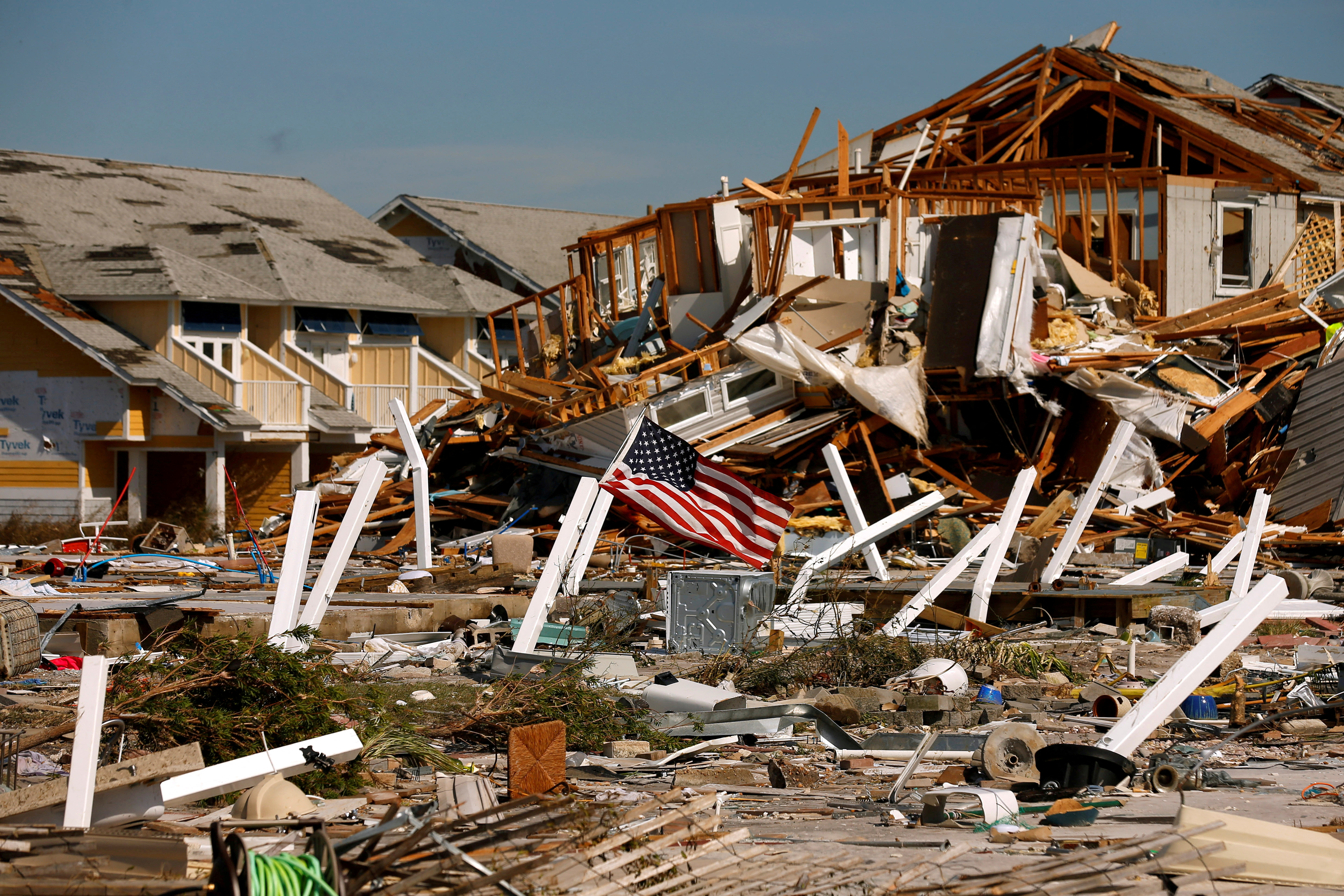
- Category 3 & 4 (Extensive to Extreme Damage): These storms bring severe impacts. Airports often close for extended periods, major highways might be flooded or blocked, and widespread power outages are common. Theme parks, beaches, and many other attractions will close. Evacuations may be ordered, making travel into or out of affected areas impossible. This level of storm can cause significant and prolonged disruption to travel plans.
- Category 5 (Catastrophic Damage): A Category 5 hurricane is a rare but devastating event. Travel to and from the affected region would cease entirely, and recovery could take weeks or months. This level necessitates immediate evacuation and complete cessation of travel to the area.
Travelers should monitor official advisories, which clearly state the category, expected impacts, and affected areas, enabling them to make informed decisions about their trip.
Immediate Travel Disruption: What to Expect During and After a Storm
When a hurricane is imminent or has just passed, the immediate impact on travel logistics can be profound, directly affecting every aspect of a planned journey.
Airline Cancellations and Airport Closures
Major airports are often the first points of impact for travel disruption. As a hurricane approaches, airlines proactively cancel flights to ensure passenger and crew safety, and airports may cease operations entirely. Key hubs such as Miami International Airport, Orlando International Airport, and Fort Lauderdale-Hollywood International Airport can shut down for days, stranding travelers and preventing new arrivals. Even after the storm passes, airports require time to assess damage, clear runways, restore power, and re-establish air traffic control, leading to a ripple effect of delays and cancellations that can last for days or even a week. Travelers should anticipate significant changes to their itineraries and keep abreast of airline communications.
Road Closures and Evacuation Routes
Highways and state roads are critical for ground travel, and hurricanes can render them impassable. Flooding, fallen trees, and downed power lines can lead to widespread closures. In coastal and low-lying areas, mandatory evacuation orders can transform major arteries like Interstate 75 and Interstate 95 into one-way routes heading away from danger, making travel into the affected regions impossible. Fuel shortages can also occur as people evacuate, posing a further challenge for those attempting to drive. For travelers planning road trips or relying on rental cars, these conditions can necessitate complete changes to routes or outright cancellation of plans.
Port Closures and Cruise Line Adjustments
Florida is a global hub for cruise travel, with major ports like PortMiami, Port Everglades, and Port Canaveral serving millions of passengers annually. Hurricanes pose a significant threat to port operations. Ports will close to all vessel traffic for safety reasons as a storm approaches, impacting both departures and arrivals. Cruise lines typically adjust itineraries well in advance, rerouting ships to avoid the storm, delaying departures, or even canceling sailings. This can mean unexpected extensions to cruises, changes to planned destinations, or complete disruption of a vacation. Travelers booked on cruises departing from or returning to Florida during hurricane season must monitor their cruise line’s updates closely.
Accommodation Status and Service Interruptions
Hotels, resorts, and vacation rentals can sustain damage or lose power and water during a hurricane. Even properties that escape structural damage might be unable to offer full services due to utility outages or staff availability. Travelers arriving in the aftermath might find their reservations canceled, facilities like pools or restaurants closed, or a significantly reduced range of amenities. Those already in affected areas might face temporary relocation or discomfort due due to lack of air conditioning or running water. It’s essential to confirm the status of your booked accommodation directly before heading into a post-storm area.
Assessing Post-Storm Conditions for Travelers
Once the immediate danger has passed, the focus shifts to recovery. For travelers, understanding the post-storm landscape is crucial for determining if and when a trip can proceed.

Damage Assessment and Reopening of Attractions
Florida’s renowned attractions are typically resilient and have robust hurricane preparedness plans. Theme parks, beaches, and natural parks prioritize safety and structural integrity. However, even with the best preparations, closures are often necessary for clean-up, repairs, and safety checks. Walt Disney World Resort and Universal Orlando Resort, for instance, might close for a day or two during a significant storm but often reopen quickly once conditions are safe. Conversely, natural attractions like beaches or state parks, particularly coastal ones, might require more extensive recovery due to erosion, debris, or infrastructure damage. Everglades National Park, for example, could see trail closures and restricted access due to flooding or downed trees. Travelers should check individual attraction websites or official tourism boards for the most current reopening information.
Infrastructure Recovery and Accessibility
The speed of recovery in utilities and transportation networks directly impacts a traveler’s ability to navigate and enjoy a destination. Power restoration is paramount, as it affects everything from air conditioning in hotels to credit card processing in shops. Water services, communication networks (cell service, internet), and transportation routes all need to be functional for tourism to resume effectively. While major metropolitan areas typically see quicker restoration of services, more remote or heavily impacted regions may face prolonged outages. Accessibility can also be an issue if secondary roads remain blocked or damaged, limiting access to certain attractions or smaller towns.
Local Business Operations and Supply Chains
A thriving local economy is integral to the travel experience. Restaurants, shops, gas stations, and other service providers form the backbone of a tourist destination. After a hurricane, these businesses might face their own challenges, including damage, power outages, staff shortages, or disrupted supply chains. This can lead to reduced operating hours, limited menus, or even temporary closures. Travelers might find fewer dining options, difficulty finding gas, or limited shopping opportunities. While these are often temporary issues, they can affect the overall enjoyment and convenience of a trip. Supporting local businesses as they recover can also be a meaningful way for travelers to contribute to the community’s resilience.
Essential Travel Planning Strategies Amid Hurricane Threats
Traveling to Florida during hurricane season doesn’t have to be a gamble. With proactive planning and adherence to best practices, travelers can significantly reduce risks and manage potential disruptions.
Monitoring Official Advisories and Weather Forecasts
The single most important strategy is to stay informed. Travelers should continuously monitor the National Hurricane Center (NHC) and local news outlets for the latest hurricane advisories, tracking forecasts, and storm surge warnings. Websites for the Florida Division of Emergency Management and county emergency services also provide invaluable real-time information, including evacuation orders and shelter locations. Staying updated allows travelers to make timely decisions about whether to proceed with, postpone, or alter their travel plans.
The Importance of Comprehensive Travel Insurance
Travel insurance is not just an optional add-on during hurricane season; it’s a critical safety net. A robust policy should cover trip cancellation, trip interruption, emergency medical expenses, and potential evacuation costs. It’s vital to read the fine print, as policies vary, particularly concerning “named storms” and “pre-existing conditions.” Some policies require purchasing before a storm is named or becomes a credible threat. Investing in a “Cancel For Any Reason” (CFAR) policy, though more expensive, offers the most flexibility for travelers who wish to retain the option to cancel regardless of official advisories.
Flexible Booking Policies and Alternative Itineraries
When booking flights, accommodation, and activities, prioritize options with flexible cancellation or change policies. Many airlines and hotels offer waivers for changes or cancellations if a hurricane threatens an area, but these are often specific to named storms and defined periods. Having a backup plan or an alternative itinerary, perhaps to an unaffected part of Florida or even another destination, can provide peace of mind. Consider booking refundable rates or looking for properties that offer free cancellation up to a certain point.
Packing Essentials and Emergency Preparedness for Travelers
Even for short trips, travelers visiting during hurricane season should pack a small “go-bag” with essentials. This includes copies of important documents (ID, insurance policies, reservations), essential medications, a first-aid kit, a portable charger for electronic devices, some cash, and a flashlight. Familiarize yourself with emergency exits and procedures at your accommodation. Having a communication plan with family or friends back home is also advisable, ensuring someone knows your itinerary and can be updated on your status. Being prepared reduces stress and enhances safety if a storm materializes.
Long-Term Repercussions and Future Travel to Florida
While immediate impacts are significant, Florida’s history demonstrates a remarkable capacity for recovery, influencing long-term travel trends and future planning.
Resiliency of Florida’s Tourism Infrastructure
Florida’s tourism industry is incredibly resilient, having weathered numerous storms over the decades. The state, local governments, and private businesses invest heavily in robust infrastructure, rapid recovery plans, and advanced warning systems. Major attractions and resorts are designed with hurricane resistance in mind and typically have well-practiced protocols for guest safety and swift reopening. This resilience means that while temporary disruptions are inevitable, Florida usually bounces back quickly, with destinations eager to welcome visitors once safe to do so.
Supporting Local Communities Through Responsible Tourism
Post-hurricane, the economic impact on local communities can be substantial. For travelers, returning to affected areas once they are deemed safe is a powerful way to contribute to recovery efforts. Booking accommodations, dining at local restaurants, and engaging with local businesses helps to inject much-needed funds back into the economy, supporting livelihoods and accelerating the return to normalcy. Responsible tourism means being patient, respectful of ongoing recovery efforts, and understanding that some services might still be limited, but the contribution is invaluable.

Evolving Travel Landscape and Adaptation
The experience of past hurricanes continues to shape Florida’s approach to tourism and travel. There’s an ongoing evolution in how information is disseminated, how visitors are prepared, and how infrastructure is fortified. Travelers too are adapting, increasingly prioritizing travel insurance, flexible bookings, and real-time information. This dynamic adaptation ensures that Florida remains a vibrant, accessible, and desirable travel destination, even in the face of natural challenges.
In conclusion, “how bad” a hurricane is in Florida is a complex question with no single answer. It depends on the storm’s intensity, its precise path, and the traveler’s specific destination and timing. While hurricanes undeniably pose significant threats and can cause severe travel disruptions, Florida’s extensive preparedness, resilient infrastructure, and dedicated recovery efforts mean that the vast majority of the time, the state remains a fantastic and welcoming place to visit. With informed planning, vigilance, and appropriate precautions, travelers can confidently explore the diverse attractions and experiences that Florida offers, even during hurricane season, knowing they are prepared for any eventuality.
LifeOutOfTheBox is a participant in the Amazon Services LLC Associates Program, an affiliate advertising program designed to provide a means for sites to earn advertising fees by advertising and linking to Amazon.com. Amazon, the Amazon logo, AmazonSupply, and the AmazonSupply logo are trademarks of Amazon.com, Inc. or its affiliates. As an Amazon Associate we earn affiliate commissions from qualifying purchases.