
Understanding the Gentle Giants of the Feline World
The allure of the Maine Coon is undeniable. Often referred to as the “gentle giants” of the domestic cat world, these magnificent felines are renowned for their impressive size, striking appearance, and remarkably placid temperaments. For those considering welcoming one of these majestic creatures into their homes, or simply curious about their physical characteristics, understanding their potential size is a key consideration. This exploration delves into the various factors that contribute to a Maine Coon reaching its full, impressive stature, and what potential owners can expect.

The Physical Profile of a Large Breed
[Maine Coons](https://lifeoutofthebox.com/maine- coon) are one of the largest domesticated cat breeds, distinguishing themselves from many other popular breeds like the Siamese or Persian. Their size is not just a matter of weight but also of length and overall build.Weight and Body Mass
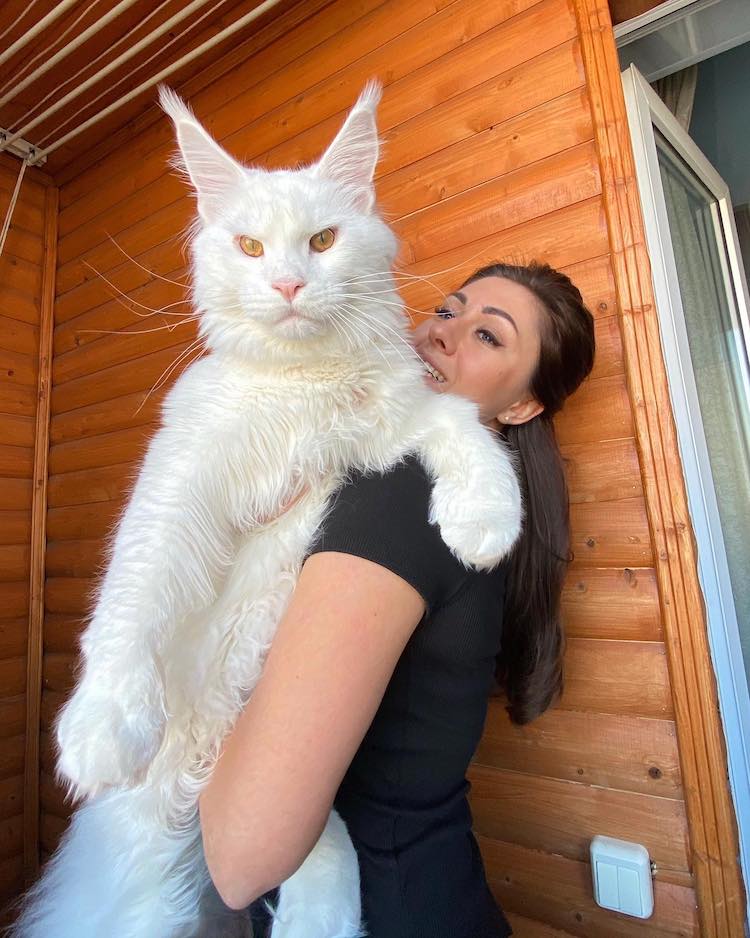
Adult male [Maine Coons](https://lifeoutofthebox.com/maine- coon) typically weigh between 15 and 25 pounds (approximately 7 to 11 kilograms), with some exceptionally large individuals reaching upwards of 30 pounds (about 13.6 kilograms). Females are generally smaller, usually weighing between 10 and 15 pounds (approximately 4.5 to 7 kilograms). These weights are for healthy, well-muscled cats, and not for obese individuals. The breed’s substantial bone structure and muscular physique contribute significantly to their impressive weight.
Length and Height
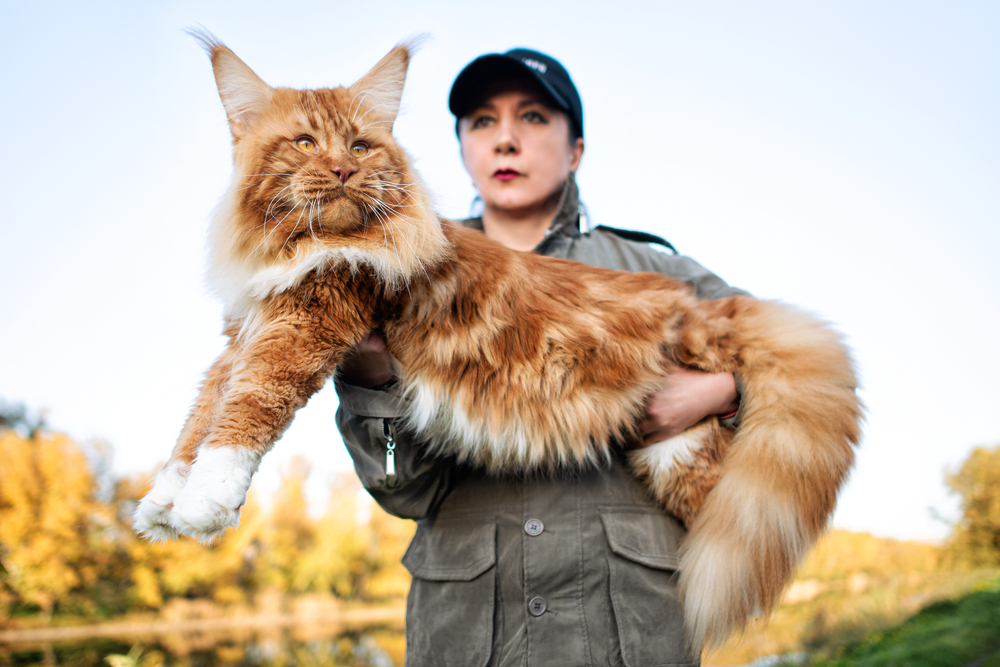
Beyond their weight, the sheer length of a [Maine Coon](https://lifeoutofthebox.com/maine- coon) is a defining characteristic. From the tip of their nose to the end of their tail, they can measure up to 40 inches (about 100 centimeters) or even more. This impressive length, combined with their sturdy build, gives them a commanding presence. Their height at the shoulder typically ranges from 10 to 16 inches (25 to 40 centimeters), making them comparable in height to some small dog breeds.
Distinctive Features Contributing to Size Perception
Several physical traits enhance the perception of a [Maine Coon](https://lifeoutofthebox.com/maine- coon)’s size and magnificence. Their broad, sturdy chests, rectangular body shape, and strong, well-proportioned legs all contribute to their robust appearance. The breed’s signature bushy, long tail, which can be as long as their body, also adds to their overall visual impact and serves as a warm wrap in colder weather, a testament to their origins. Their large, expressive eyes and tufted ears further accentuate their regal and imposing demeanor.
Factors Influencing Maine Coon Growth and Size
While genetics plays a primary role in determining a [Maine Coon](https://lifeoutofthebox.com/maine- coon)’s potential size, several other factors contribute to their development. Understanding these elements can help provide the best environment for a kitten to grow into a healthy, large adult cat.
Genetic Predisposition and Pedigree
The most significant factor influencing a [Maine Coon](https://lifeoutofthebox.com/maine- coon)’s size is its genetic makeup. Reputable breeders carefully select parent cats with desirable traits, including large size and robust health. Bloodlines with a history of producing larger cats are more likely to pass on those genes. A kitten’s pedigree, which traces its ancestry, can provide a good indication of its potential adult size, especially if it comes from a line known for producing champions in the show ring, where size is often a highly valued trait.
Nutrition and Diet
Proper nutrition is paramount for a growing [Maine Coon](https://lifeoutofthebox.com/maine- coon). Kittens require a diet specifically formulated for their age and breed, rich in protein, essential vitamins, and minerals to support bone and muscle development. As they mature, their dietary needs will change, but maintaining a balanced diet throughout their lives is crucial for overall health and maintaining an ideal body condition, which contributes to their large physique without leading to unhealthy obesity.
Kitten Nutrition
During their rapid growth phases, kittens benefit from high-quality kitten food that provides ample calories and nutrients. This includes sufficient protein for muscle development and calcium and phosphorus for strong bones.
Adult Nutrition
Once a [Maine Coon](https://lifeoutofthebox.com/maine- coon) reaches maturity (typically around 3-5 years of age), their diet should transition to adult cat food that supports their larger frame and energy needs. This food should be appropriate for their activity level and help them maintain a healthy weight, preventing common issues like joint strain associated with being overweight.
Health and Veterinary Care
A healthy cat is a happy and well-developed cat. Regular veterinary check-ups are essential to monitor a [Maine Coon](https://lifeoutofthebox.com/maine- coon)’s growth and overall health. Veterinarians can identify and address any potential health issues early on that might impact their development, such as parasites, nutritional deficiencies, or underlying medical conditions. Prompt treatment ensures that the cat can reach its full genetic potential.
Early Health Screening
Screening for common breed-specific health issues, such as hypertrophic cardiomyopathy (HCM) and hip dysplasia, is also important. While these conditions don’t directly affect size, their presence can impact a cat’s overall well-being and potentially their ability to thrive.
Environmental Factors and Lifestyle
While less impactful than genetics or nutrition, the environment and lifestyle of a [Maine Coon](https://lifeoutofthebox.com/maine- coon) can play a minor role in their development. A stimulating environment that encourages healthy activity can contribute to good muscle tone.
Exercise and Play
Adequate playtime and exercise help [Maine Coons](https://lifeoutofthebox.com/maine- coon) develop strong muscles and maintain a healthy weight. While they are not typically as high-energy as some other breeds, interactive toys and opportunities for climbing and exploration are beneficial.
Growth Timeline: From Kitten to Majestic Adult
The journey from a tiny kitten to a fully grown [Maine Coon](https://lifeoutofthebox.com/maine- coon) is a gradual process. Unlike many smaller cat breeds that mature within a year or two, [Maine Coons](https://lifeoutofthebox.com/maine- coon) take considerably longer to reach their full size.
The Kitten Stage (0-12 Months)
Kittenhood is a period of rapid growth and development. By the time a [Maine Coon](https://lifeoutofthebox.com/maine- coon) is six months old, they will likely have achieved a significant portion of their adult weight and length. However, they are still far from their peak size. Their features will become more pronounced, and their characteristic bushy coat will begin to develop its full glory.
Adolescent Growth (1-3 Years)
The period between one and three years of age is when [Maine Coons](https://lifeoutofthebox.com/maine- coon) continue to fill out. Their frame broadens, their musculature develops further, and they gain more weight and length. Many owners are surprised by how much their cat can still grow and change during these years. They begin to exhibit their majestic adult appearance, with a more substantial head and a fuller body.
Reaching Full Maturity (3-5 Years and Beyond)
[Maine Coons](https://lifeoutofthebox.com/maine- coon) are considered fully mature, both physically and mentally, between the ages of three and five years. Some may even continue to grow slightly in mass and density beyond this age. It is during these years that they truly embody the “gentle giant” moniker, presenting their most impressive size and a calm, affectionate demeanor. Their long, flowing fur reaches its peak, and their overall presence is one of undeniable grandeur.Comparing Maine Coon Size to Other Breeds and Considerations for Owners
Understanding the impressive size of [Maine Coons](https://lifeoutofthebox.com/maine- coon) is crucial for potential owners to ensure they can provide an adequate environment and meet the breed’s needs. Comparing them to other popular cat breeds and even some smaller dog breeds can help put their stature into perspective.
Size Comparisons
- Domestic Shorthair/Longhair: While there is great variation in these common house cats, most do not reach the same proportions as a [Maine Coon](https://lifeoutofthebox.com/maine- coon). A typical domestic cat might weigh between 8-10 pounds, significantly less than their larger cousins.
- Siamese Cats: Known for their sleek, elegant build, Siamese cats are generally slender and medium-sized, rarely exceeding 10 pounds.
- Persian Cats: While known for their luxurious coats, Persian cats are typically cobby and heavily boned, but they do not usually reach the length or sheer weight of a well-developed [Maine Coon](https://lifeoutílio/maine- coon).
- Norwegian Forest Cats: This breed is another contender for large domestic cats and shares some similarities in size and appearance with the [Maine Coon](https://lifeoutílio/maine- coon), though [Maine Coons](https://lifeoutílio/maine- coon) often have a slight edge in terms of length and overall mass.
- Small Dog Breeds: A large male [Maine Coon](https://lifeoutílio/maine- coon) can rival the size and weight of some small dog breeds like a Chihuahua or a Yorkshire Terrier.
Considerations for Prospective Owners
Bringing a large breed cat like a [Maine Coon](https://lifeoutílio/maine- coon) into your home involves several practical considerations:
- Space: While they are not hyperactive, their size means they appreciate having ample space to move, stretch, and play. A large cat tree or climbing structure is highly recommended to cater to their natural instincts.
- Litter Box: A larger, more robust litter box is necessary to accommodate their size.
- Food and Water Bowls: Substantial bowls that won’t tip over easily are important.
- Veterinary Care: Ensure your veterinarian is experienced with larger cat breeds, as dosages for medications or specific health concerns might differ.
- Grooming: Their long, flowing fur requires regular grooming to prevent mats and tangles. Weekly brushing is usually sufficient, but during shedding seasons, more frequent attention may be needed.
- Cost: Larger cats generally eat more, which can translate to higher food costs. Additionally, larger cats might require larger toys, bedding, and potentially more significant veterinary interventions if health issues arise.
The impressive size of the [Maine Coon](https://lifeoutílio/maine- coon) is one of its most captivating features, but it’s essential for potential owners to be well-informed and prepared for the commitment involved in caring for these magnificent feline companions. Their gentle nature, combined with their regal stature, makes them truly unique and beloved members of the feline family.
LifeOutOfTheBox is a participant in the Amazon Services LLC Associates Program, an affiliate advertising program designed to provide a means for sites to earn advertising fees by advertising and linking to Amazon.com. Amazon, the Amazon logo, AmazonSupply, and the AmazonSupply logo are trademarks of Amazon.com, Inc. or its affiliates. As an Amazon Associate we earn affiliate commissions from qualifying purchases.