
New York City, often affectionately dubbed the Big Apple, is a metropolis of unparalleled energy, culture, and iconic landmarks. Millions flock to its bustling streets each year, drawn by the allure of Broadway shows, world-class museums, and the vibrant tapestry of New York life. Yet, amidst the towering skyscrapers and historical avenues, New York harbors another, less celebrated, inhabitant that sparks curiosity and, for some, a shiver down the spine: the New York rat. The question, “How big are New York rats?” is not just a casual query; it’s a testament to the city’s unique urban ecosystem and the often-exaggerated tales that circulate about its resilient rodent population.
For anyone planning a trip to New York, or even a seasoned New Yorker, understanding the reality behind the myth of these creatures offers a fascinating glimpse into the rhythms of urban life. Are they the monstrous, cat-sized beasts of urban legend, or are they simply a robust species thriving in an environment rich with resources? This article delves into the biological facts, the psychological perceptions, and the broader implications for tourism, accommodation, and the everyday lifestyle of this incredible city. From the deepest subway tunnels to the bustling sidewalks near renowned restaurants, rats are an undeniable, albeit often unseen, thread in the fabric of the Big Apple. We’ll explore how the city manages its rodent population, what visitors can expect, and ultimately, separate the fascinating truth from the fantastic fiction surrounding the size of New York’s most talked-about pests.
The Urban Legend vs. Biological Reality: Unpacking the Size of New York’s Rodents
The image of a massive New York rat is deeply ingrained in popular culture, often appearing in films, TV shows, and anecdotal horror stories. This pervasive narrative leads many to believe that the rats scurrying through NYC’s underground are a super-sized breed unique to the city. However, the biological reality paints a more grounded, though no less interesting, picture. The vast majority of rats found in New York City belong to a single species: the Norway rat.
The Norway Rat: Ruler of the Underground
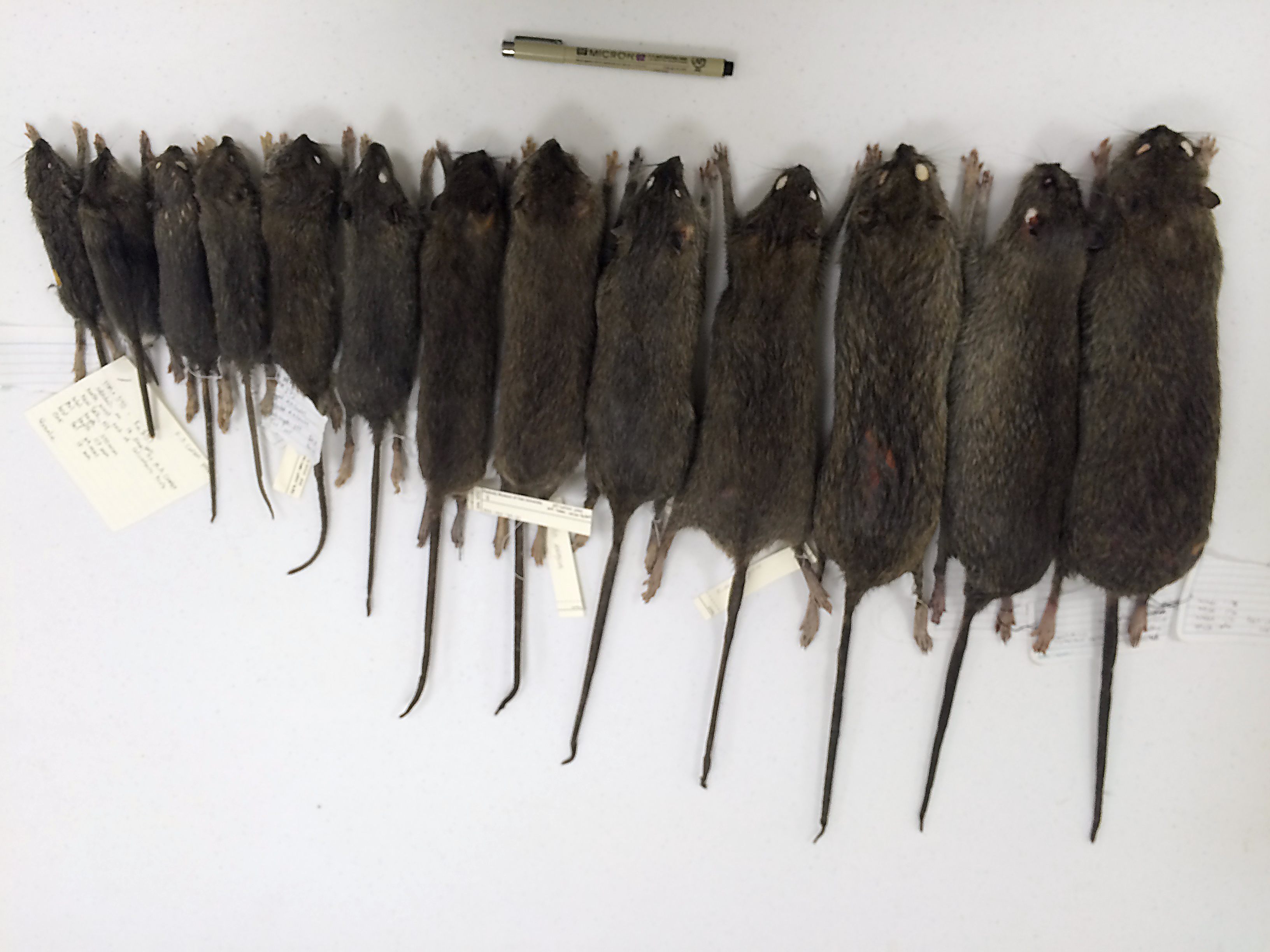
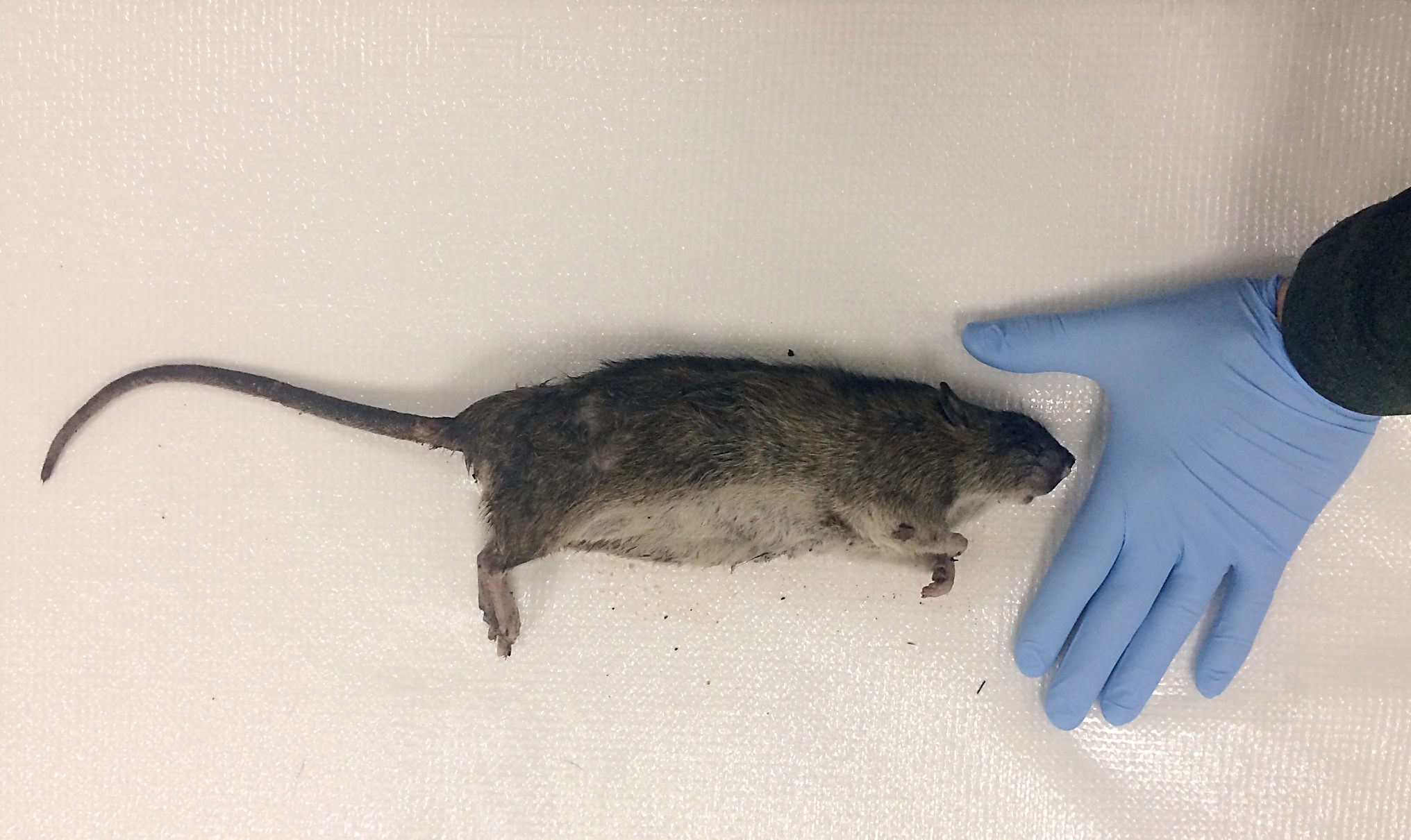
The Norway rat (Rattus norvegicus), also known as the brown rat, sewer rat, or common rat, is indeed a formidable rodent. It is larger and more robust than its cousin, the roof rat (Rattus rattus), which is less common in New York’s colder climate. An adult Norway rat typically measures between 7 to 10 inches (17.5 to 25 cm) in body length, with a tail that adds another 6 to 8 inches (15 to 20 cm). Its average weight ranges from 12 to 16 ounces (340 to 450 grams), though some exceptionally well-fed individuals can reach up to a pound or even slightly more. While this is certainly a substantial size for a rodent, it’s far from the “cat-sized” descriptions that often circulate.
These rats are characterized by their thick, coarse fur, small ears, and blunt snout. They are incredibly adaptable and thrive in close proximity to humans, largely due to the abundant food sources and shelter our cities provide. In New York, the sheer density of human population, combined with a robust food waste stream, creates an ideal environment for them to flourish. They are opportunistic omnivores, capable of eating almost anything, which contributes to their sturdy build. The myth of their immense size likely stems from a combination of factors: the surprise of an unexpected encounter, the visual distortion in dimly lit environments like the subway, and the understandable human tendency to exaggerate when startled. Unlike the smaller and more agile house mouse (Mus musculus), which is also present in the city, the Norway rat’s larger stature makes it the primary subject of these urban legends.
Why Do They Seem So Much Bigger? Cultural Impact and Perception
The perception of New York rats being exceptionally large is a fascinating blend of psychology, environment, and cultural narrative. When someone spots a rat scurrying across a subway platform or darting through a dark alley, the suddenness and unexpected nature of the encounter, especially for those unaccustomed to urban wildlife, can make the animal appear much larger than it truly is. The fear or disgust response can distort perception, transforming a medium-sized rodent into a monstrous creature in the observer’s mind. Furthermore, rats are often seen in motion, making them seem more imposing. Their long, scaly tails, which can be unsettling to many, also add to their perceived length and overall daunting appearance.
The environment in which they are typically seen—the dimly lit, cavernous spaces of the subway system, the shadows of refuse-filled alleys, or darting under park benches—can play tricks on the eyes. Lack of clear visual reference points can make judging size difficult. Moreover, the cultural narrative surrounding New York rats has been built up over decades. Stories of fearless rats, like the infamous “Pizza Rat” meme, which depicted a rat dragging an entire slice of pizza down a subway staircase, while not exaggerating size, reinforce the idea of a bold, resourceful, and perhaps unusually strong urban rodent. These stories, combined with the city’s reputation for grit and intensity, contribute to the mythos that elevates the Norway rat of New York to an almost mythical status, far beyond its actual biological dimensions. This psychological amplification is a key factor in why the question of their size persists with such intensity.
Rats, Tourism, and the NYC Experience: What Visitors Need to Know
For first-time visitors to New York City, the prospect of encountering rats can be a source of anxiety, fueled by the very urban legends we’ve just discussed. However, for most tourists, direct encounters are often fleeting and rarely detrimental to the overall travel experience. The city’s vibrant energy, iconic landmarks, and diverse cultural offerings typically overshadow any minor brush with its rodent residents. Yet, understanding where and why rats are seen can help prepare travelers and demystify this aspect of the NYC experience.
Encountering Wildlife in the Concrete Jungle
Rats are an undeniable part of New York’s urban wildlife, but where are visitors most likely to spot them? The most common places are areas with high foot traffic and readily available food sources. This includes:
- Subway Stations and Tracks: The underground network provides warmth, shelter, and a continuous stream of discarded food, making it prime rat territory. It’s not uncommon to see rats darting along the tracks or even on platforms, particularly during off-peak hours.
- Parks and Green Spaces: While beautiful and serene, New York’s parks like Central Park, Bryant Park, and Washington Square Park can also be home to rats, especially near trash cans, food vendors, and picnic areas where scraps might be left behind.
- Near Restaurants and Food Establishments: Areas with dumpsters, grease traps, and outdoor dining spaces can attract rats, especially late at night when the city quiets down.
- Construction Sites and Alleys: These offer undisturbed hiding places and potential access to food.
For the casual tourist focused on major attractions like the Empire State Building, the Statue of Liberty, or a Broadway show, direct encounters are often brief and superficial. Many visitors might not even notice them unless actively looking or if an individual rat is particularly bold. Locals, accustomed to their presence, generally react with indifference or mild annoyance. The key is to remember that these encounters are usually fleeting and pose minimal direct threat to humans, as rats are typically more interested in scavenging for food than interacting with people. It’s a reminder that even in a bustling metropolis, nature finds a way to adapt and persist.
Hotels and Accommodation: Ensuring a Pest-Free Stay
The presence of rats in a major city raises a natural concern for travelers regarding their accommodation. Rest assured, reputable New York City hotels, from luxurious five-star resorts to cozy boutique hotels and apartments offered for short-term stays, prioritize pest control as a critical aspect of their guest experience and reputation. The standards for cleanliness and hygiene in the hospitality industry are extremely high, especially in a competitive market like NYC.
Hotels employ comprehensive and proactive pest management strategies. These often include:
- Regular Inspections: Professional pest control services conduct frequent checks of premises.
- Sealing Entry Points: Maintaining buildings by sealing cracks, holes, and gaps in walls, floors, and foundations to prevent entry.
- Strict Sanitation Protocols: Meticulous cleaning of all areas, especially kitchens, dining areas, and waste disposal zones, to eliminate food sources.
- Secure Waste Management: Using sealed, rodent-proof bins and prompt waste removal.
- Baiting and Trapping: Strategic placement of bait stations and traps in non-public areas.
For travelers staying in any type of accommodation in New York, from a Grand Hyatt Hotel suite to a budget-friendly hostel, the risk of encountering a rat inside their room is exceedingly low in well-maintained establishments. If you’re concerned, it’s always wise to check recent reviews for any mention of pest issues before booking. As a general travel tip, avoid leaving food out uncovered in your room, and promptly dispose of any trash in sealed bins. High-end luxury hotels invest heavily in maintaining pristine conditions, making an indoor rodent sighting virtually unheard of. Even budget travel accommodations are subject to city health codes and generally maintain good standards. The city’s rigorous health inspections and the hospitality industry’s commitment to guest comfort ensure that your stay will be pest-free, allowing you to focus on enjoying the myriad attractions New York has to offer.
The City’s Ongoing Battle: Sanitation, Control, and Coexistence
New York City’s relationship with its rat population is a complex and perpetual struggle. For centuries, since the arrival of the Norway rat via ships from Europe, the city has engaged in an ongoing, multi-front war against these resilient creatures. It’s a battle dictated by urban density, human habits, and the inherent challenges of managing wildlife in a concrete jungle. The city’s efforts are not just about eradicating rats entirely – an impossible task – but about control, mitigation, and fostering a cleaner environment for both residents and the millions of tourists who visit annually. This continuous effort affects everything from public health to the aesthetic appeal of famous places and the overall New York lifestyle.
NYC’s Multi-Front War Against Rodents
The New York City government and various agencies are constantly implementing and refining strategies to combat the rat population. These efforts are multifaceted, addressing the core attractants for rats: food, water, and shelter. Key initiatives include:
- Improved Waste Management: This is perhaps the most crucial front. The city has invested in rat-resistant public trash cans and is increasingly pushing for businesses and residents to use sealed, hard-sided bins instead of traditional black bags left on sidewalks, which are easy targets for rats. There are ongoing pilot programs and policy changes to move towards containerized trash collection across the city.
- Targeted Baiting and Trapping Programs: The Department of Health and Mental Hygiene oversees strategic baiting programs in high-activity areas, using rodenticides in tamper-resistant bait stations. Non-toxic traps and innovative methods like dry ice (which suffocates rats in their burrows) are also employed.
- Public Education and Enforcement: Campaigns educate residents on best practices for waste disposal and property maintenance. Health inspectors also enforce regulations, issuing fines for properties that fail to control rat infestations.
- Habitat Modification: Efforts are made to remove potential hiding spots and seal entry points into buildings, especially in neighborhoods with older infrastructure like parts of Greenwich Village or the Lower East Side.
- Green Initiatives: Promoting community gardens and composting can inadvertently reduce ground-level food waste if managed properly, though composting can also attract rats if not done in sealed systems.
Despite these significant efforts, the sheer scale of New York City and its continuous churn of human activity make the battle against rats an enduring challenge. The city is a dynamic environment, and rat populations respond quickly to changes in food availability and shelter. It’s a perpetual balancing act of control rather than outright elimination, demonstrating the adaptability of both the city and its unwanted inhabitants.
Impact on Landmarks and Public Spaces
The presence of rats is not confined to obscure alleys; it can extend to some of New York’s most famous landmarks and public spaces, albeit usually in the peripheral areas or during off-hours. For instance:
- Central Park: While a beautiful oasis, its vastness and popularity for picnics and food vendors mean rats can be found, particularly around areas where food scraps are frequently left or near wooded sections. Park management employs strategies to maintain cleanliness and manage pests discreetly.
- Times Square: The constant flow of millions of people, coupled with numerous restaurants and street food vendors, creates ample opportunities for rats. Cleanup crews work tirelessly, especially overnight, to remove waste and minimize attractants before the next day’s crowds arrive.
- Brooklyn Bridge Park and Waterfront Areas: These scenic spots can also see rat activity, especially where discarded food from visitors accumulates near seating areas or concession stands.
The challenge for city planners and park conservancies is to maintain the pristine appearance and enjoyment of these crucial tourist attractions while dealing with the realities of urban wildlife. This often involves careful landscaping, robust waste collection schedules, and discreet pest control measures that do not detract from the visitor experience. The goal is to ensure that when a tourist visits the historic architecture of the Brooklyn Bridge or enjoys a leisurely stroll through Central Park, their focus remains on the beauty and grandeur of the city, not on its hidden fauna. The ongoing effort to keep these spaces clean and inviting is a testament to New York’s commitment to its tourism industry and the quality of life for its residents.
Beyond the Buzz: The Unseen Role of Rats in the Urban Ecosystem and the New York Lifestyle
While often viewed solely as pests, New York’s rats also play a role, albeit a controversial one, in the city’s intricate urban ecosystem. Their sheer prevalence also means they are, for better or worse, an accepted, if not beloved, part of the New York lifestyle, influencing local attitudes and even contributing to the city’s unique grit and character. Understanding this broader context adds another layer to the question of “How big are New York rats?” – it’s not just about physical size, but their colossal impact on the urban narrative.
More Than Pests: A Glimpse into Urban Ecology
In an ecosystem, every creature fills a niche, and the Norway rat is no exception, even in a heavily human-modified environment like New York City. Primarily, they act as scavengers, efficiently consuming vast amounts of discarded food waste. Without rats, the buildup of organic waste in open areas could be even more significant, attracting other pests or leading to different sanitation challenges. They are essentially a cleanup crew, albeit an unsanitary one, in the urban environment.
Furthermore, rats serve as a food source for various urban predators. While fewer large predators exist in NYC’s core, hawks, falcons, and even some nocturnal mammals like opossums or raccoons (more common in outer boroughs or parks) can prey on rats. This creates a small, localized food web within the concrete jungle. Their rapid reproductive cycle and adaptability are testaments to their evolutionary success in surviving alongside humans. From an ecological perspective, they represent an extreme example of how a species can thrive by exploiting human-generated resources, creating a complex, often uncomfortable, coexistence that shapes the urban landscape.

A Part of the Fabric: Rats and the New Yorker’s Perspective
For many New Yorkers, rats are simply a fact of life, an undeniable element of the urban experience. While no one actively welcomes them, a certain level of pragmatic acceptance often replaces outright fear or disgust. Encountering a rat on a subway platform or dashing across a sidewalk is often met with a shrug, a sigh, or perhaps a wry comment, rather than panic. This nonchalant attitude is part of the unique New York lifestyle – an acknowledgment of the city’s raw, unvarnished reality beneath its glamorous facade.
This perspective is not without its cultural touchstones. Beyond “Pizza Rat,” which became a symbol of New York’s gritty charm and the internet’s capacity for viral fascination, rats occasionally feature in local humor or art, reinforcing their status as iconic, if unwelcome, residents. They are part of the “urban grit” that defines much of the city’s character – a reminder that New York is a living, breathing entity, with all its imperfections. This acceptance allows New Yorkers to focus on the myriad positive aspects of living in such an extraordinary place, from its unparalleled cultural experiences to its vibrant social scene. For visitors, observing this local indifference can be an educational aspect of their travels, offering a deeper understanding of the city’s resilience and unique rhythm. The rat, in a strange way, is a tiny, scurrying symbol of New York’s enduring strength and unvarnished authenticity.
In conclusion, while the myth of the gargantuan New York rat persists, the biological reality reveals a robust but standard-sized Norway rat that thrives in the abundant environment of New York City. The city’s continuous battle against its rodent population is a testament to its commitment to public health, tourism, and the quality of urban life. Visitors can rest assured that encounters with these creatures are typically fleeting and that hotels and accommodations maintain high standards of pest control. Ultimately, the presence of rats, while an urban challenge, does little to diminish the unparalleled allure of the Big Apple, a city brimming with iconic landmarks, diverse experiences, and an indomitable spirit that continues to captivate the world. So, when you visit, feel free to marvel at the Empire State Building, stroll through Central Park, and enjoy the vibrant New York lifestyle – and if you spot a rat, remember, it’s just another part of the city’s living, breathing tapestry, probably not quite as big as your imagination might suggest.
LifeOutOfTheBox is a participant in the Amazon Services LLC Associates Program, an affiliate advertising program designed to provide a means for sites to earn advertising fees by advertising and linking to Amazon.com. Amazon, the Amazon logo, AmazonSupply, and the AmazonSupply logo are trademarks of Amazon.com, Inc. or its affiliates. As an Amazon Associate we earn affiliate commissions from qualifying purchases.