
The question of “How Big Are The Rats In New York City?” is one that often sparks a mix of morbid curiosity and genuine concern for visitors and residents alike. While the iconic image of a New York rat might conjure up a creature of considerable girth, the reality is a little more nuanced, and the answer depends on several factors. This article delves into the size of these ubiquitous urban dwellers, exploring the common perceptions versus the scientific understanding, and contextualizing their presence within the vibrant tapestry of New York City‘s urban landscape, a city teeming with iconic landmarks, diverse cultures, and a wealth of travel experiences.
From the towering skyscrapers of Manhattan to the bustling streets of the Bronx, rats are an undeniable part of the city’s ecosystem. Their presence is often a topic of hushed conversations in dimly lit bars in the East Village or debated during a leisurely stroll through Central Park. For travelers planning a trip to the Big Apple, perhaps staying at a boutique hotel in SoHo or a luxury resort in the Hamptons, understanding the local fauna, even the less glamorous aspects, can enhance the overall experience. It’s part of immersing oneself in the local culture, much like sampling the diverse culinary scene or exploring the historic architecture that defines this metropolis.
When people ask about the size of New York City rats, they are often thinking of the larger, more mature specimens that might be glimpsed scurrying across a subway platform or disappearing into a grate. These are typically adult Norway rats (Rattus norvegicus), the most common species found in the city. These rodents are adaptable, resourceful, and have thrived in the dense urban environment for centuries. Their size is a testament to their successful adaptation and the availability of food sources, however unsavory they might seem to us.
The Average Size of a New York City Rat
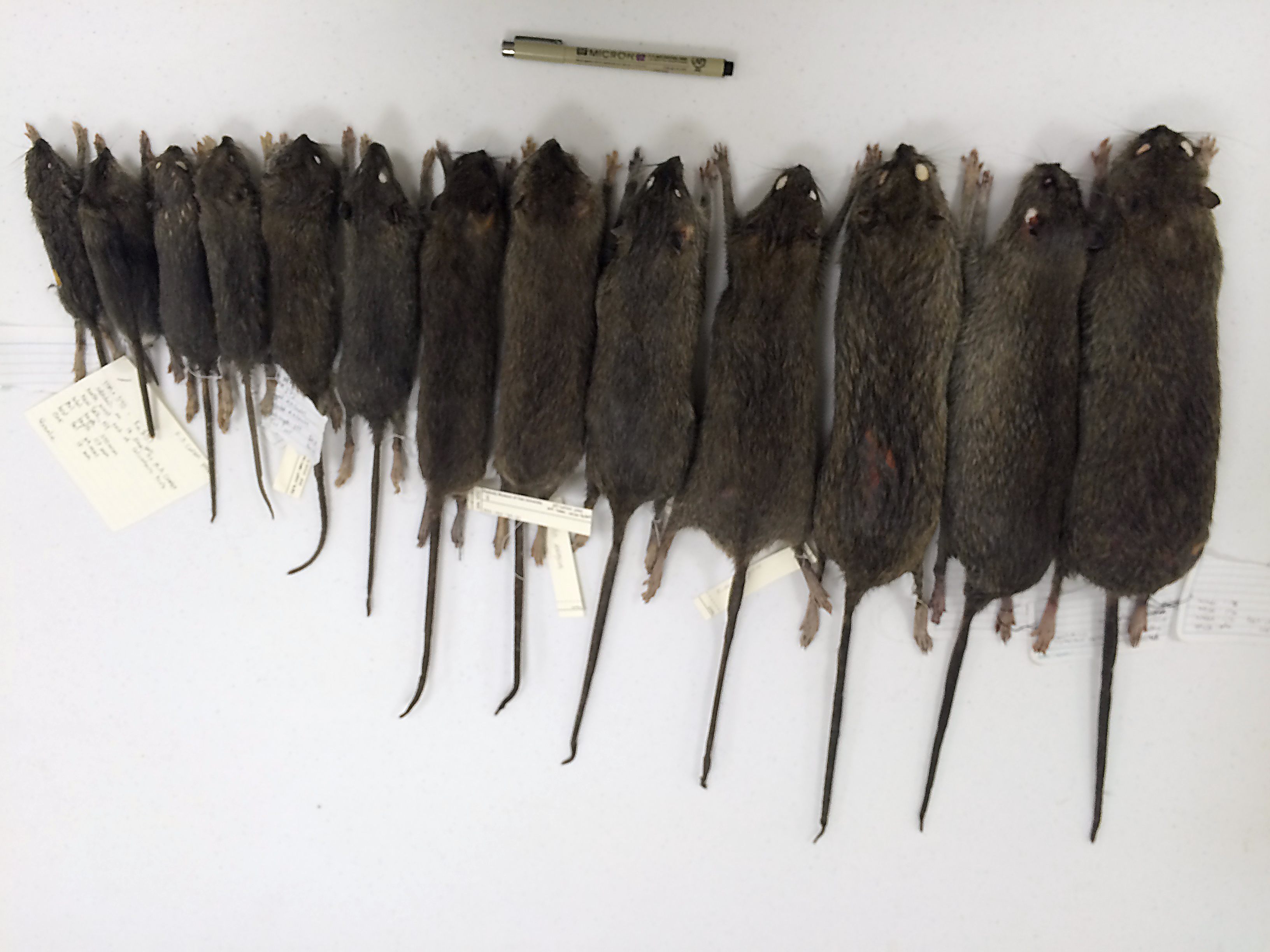
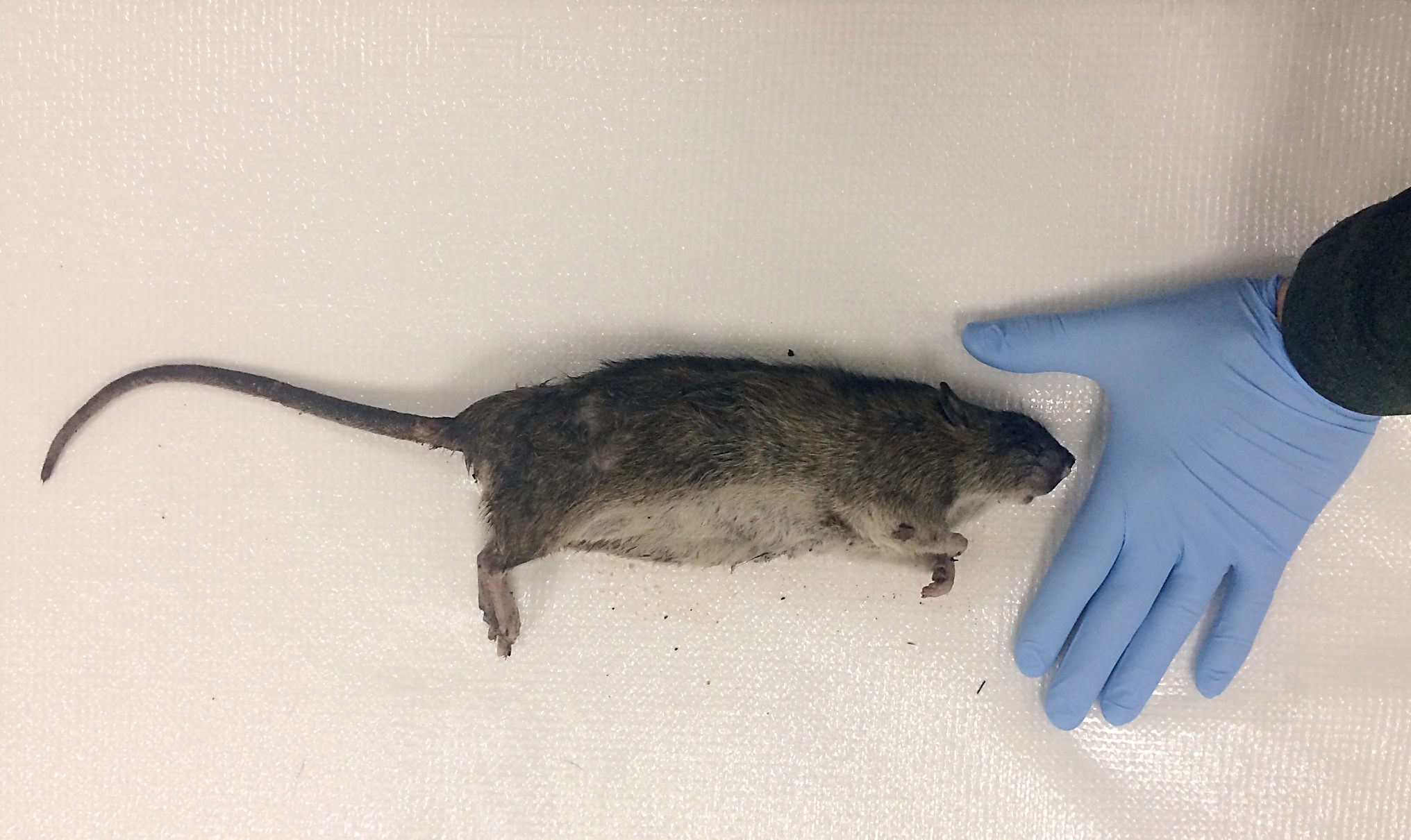
To accurately answer “How Big Are The Rats In New York City?”, we need to look at averages and typical measurements. Adult Norway rats usually measure between 7 to 10 inches (18 to 25 cm) in body length, not including their tail. Their tails are typically shorter than their bodies, adding another 5 to 7 inches (13 to 18 cm) to their total length. In terms of weight, a healthy adult rat can range from 0.5 to 1 pound (225 to 450 grams). This means a particularly plump specimen might be about the size of a small rabbit or a large guinea pig.
These dimensions are quite common for Norway rats globally, but the perception in New York City can be amplified. Perhaps it’s the sheer density of the rat population, or the way they are often seen in the shadows, making them appear larger than they are. The common anecdotal tales of rats the size of cats are, for the most part, exaggerations, though an exceptionally large and well-fed individual might certainly be more imposing than the average.
The size of individual rats can also be influenced by their diet, age, and overall health. In an environment like New York City, where discarded food is readily available from countless restaurants, bodegas, and residential buildings, rats have access to a consistent food supply. This can lead to larger and more robust individuals compared to rats in less resource-rich environments. This abundance is a double-edged sword, contributing to their population growth and, consequently, their visible presence throughout the city, from the iconic Times Square to the historic streets of Greenwich Village.
Factors Influencing Rat Size
Several factors contribute to the perceived and actual size of rats in New York City. Understanding these can shed light on why some rats appear so substantial.
Diet and Nutrition
The availability of food is a primary driver of animal size. New York City is a culinary melting pot, with an incredible array of dining options, from Michelin-starred restaurants to humble street food vendors. Unfortunately, this also means a significant amount of food waste. Rats are opportunistic omnivores, and they readily consume discarded food, including grains, meats, fruits, vegetables, and fats. A diet rich in calories and nutrients allows them to grow to their full potential. This is particularly true for young rats, where proper nutrition is crucial for reaching adult size. This dietary abundance is a key reason why rats in urban environments can often be larger than their wild counterparts who might rely on more limited food sources.
Age and Maturity
Like any animal, rats grow as they age. A young rat, or a juvenile, will be significantly smaller than a fully mature adult. The rats we are most likely to see are often adults, and therefore, they represent the upper end of the size spectrum for the species. Female rats typically reach sexual maturity around 4-5 weeks old, and males a bit later. They continue to grow for several months after that. Therefore, a rat that has lived for a year or more, and has had consistent access to food, is likely to be at its maximum size. When glimpsed in the shadowy alleys of Chinatown or darting across a public park like Bryant Park, these mature individuals are what often form the basis of the “how big are they really?” question.

Genetics and Species
While Norway rats are the dominant species, other species of rodents exist. However, for the common perception of large rats in New York City, the Norway rat is the primary focus. Within the Norway rat species, there can be some genetic variation that influences size. However, environmental factors like diet tend to have a more pronounced effect on the overall size variation observed in urban populations. It’s important to distinguish between different rodent species, as their natural size ranges vary considerably. The large, brown rat commonly seen is almost certainly a Norway rat.
Environmental Conditions
Beyond food, the urban environment itself can play a role. The consistent warmth of subway tunnels and building basements can provide a more stable and comfortable habitat, allowing rats to be active and forage year-round, without the seasonal limitations faced by some wildlife. This year-round activity, coupled with a reliable food source, contributes to their ability to maintain a healthy body weight and reach their full size potential. The complex infrastructure of New York City, with its extensive sewer systems and hidden spaces, provides ample shelter and breeding grounds, further supporting a robust and often large rat population.
Common Perceptions vs. Reality
The question “How Big Are The Rats In New York City?” often leans more on anecdote and visual impression than on precise measurement. Stories of rats as large as cats are common, fueled by the suddenness of an encounter and the dim lighting of many urban settings. These accounts, while perhaps not scientifically accurate, contribute to the mythos of the New York City rat.
The reality, as established, is that adult Norway rats typically reach between 7 to 10 inches in body length and weigh up to a pound. While this is a substantial rodent, it is considerably smaller than a domestic cat. The exaggeration likely stems from a combination of factors:
- The element of surprise: Seeing a rat unexpectedly can be startling, and our perception of its size can be amplified by fear or surprise.
- The context of the environment: A rat darting across a vast subway platform or a dimly lit alley might appear larger in proportion to its surroundings than it actually is.
- The visual of a well-fed specimen: Rats in New York City are often very well-fed due to the abundance of discarded food. A plump rat can indeed look surprisingly large.
- The collective imagination: The trope of the large New York City rat is deeply ingrained in popular culture, from movies to urban legends.
For travelers, this perception can sometimes influence their accommodation choices or their comfort level exploring certain areas. However, it’s important to maintain a balanced perspective. While rats are a fact of life in any major city, including New York City, they are generally not a direct threat to tourists, especially if basic precautions are taken. Exploring the city, from the historic museums like the Metropolitan Museum of Art to the vibrant neighborhoods of Brooklyn, can be done with confidence and enjoyment.
Understanding and Managing the Rat Population
The presence of rats in New York City is not just a matter of size; it’s also a significant public health and urban management issue. The city’s sanitation department and various agencies work continuously to manage and control the rat population. This involves a combination of methods, including waste management improvements, rodent-proofing infrastructure, and targeted pest control.
From a traveler’s perspective, understanding the city’s efforts to manage its rodent population can be interesting. It’s another facet of New York City’s complex urban ecosystem. Many hotels, especially those in prime locations like Midtown Manhattan or near attractions like the Empire State Building, maintain rigorous pest control protocols to ensure a comfortable stay for their guests. When booking a hotel, whether a budget-friendly option or a luxury suite, checking reviews that might touch upon cleanliness and environmental management can be insightful.
The efforts to manage rats also tie into the broader lifestyle considerations for New York City. The city is constantly evolving, balancing its historic charm with modern challenges. This includes maintaining public spaces, ensuring the efficiency of transportation systems like the subway, and addressing issues like pest control. For those considering a long-term stay or even business trips, understanding these aspects of urban living is crucial.
Ultimately, while the question “How Big Are The Rats In New York City?” often leads to dramatic anecdotes, the reality is that these creatures, while sometimes appearing large and imposing, are typical of their species. Their size is a reflection of their environment and their remarkable adaptability. And like many of the fascinating, and sometimes challenging, aspects of New York City, they are an integral part of the urban experience, contributing to the city’s unique character, from its world-renowned landmarks to its bustling street life. Travelers can explore the city with peace of mind, knowing that New York City is a resilient and dynamic place, constantly working to maintain its allure and manage its diverse inhabitants, human and otherwise.
LifeOutOfTheBox is a participant in the Amazon Services LLC Associates Program, an affiliate advertising program designed to provide a means for sites to earn advertising fees by advertising and linking to Amazon.com. Amazon, the Amazon logo, AmazonSupply, and the AmazonSupply logo are trademarks of Amazon.com, Inc. or its affiliates. As an Amazon Associate we earn affiliate commissions from qualifying purchases.