
The majestic Maine Coon, often hailed as the “gentle giant” of the feline world, is a breed renowned for its impressive size, shaggy coat, and bushy tail. Originating from the state of Maine in the United States, these magnificent cats have captured the hearts of enthusiasts globally, not just for their striking appearance and affable personalities, but for their sheer scale. When considering a Maine Coon as a companion, or simply marveling at their grandeur, one of the most frequently asked questions revolves around their ultimate size. How big do they truly get, and what implications does this have for their care, especially for those who embrace a lifestyle that involves travel or requires specific accommodation considerations?

Understanding the maximum potential of a Maine Coon’s size is crucial for prospective owners, particularly those who live in smaller spaces or frequently embark on travel adventures. Their substantial presence affects everything from the size of their litter box and climbing structures to the amount of food they consume and the space they require for comfortable living, whether at home or in temporary accommodations like hotels or apartments. This article delves into the typical dimensions of a Maine Coon, explores the factors that influence their growth, and thoughtfully examines the practicalities of living with and traveling alongside these impressive felines. From pet-friendly destinations to suitable hotel suites, we’ll explore how the sheer size of a Maine Coon shapes the lifestyle of its human companions.
Unraveling the Majesty: Average and Maximum Maine Coon Dimensions
The allure of the Maine Coon begins with its size. They are undeniably large, making a distinct impression among domestic cat breeds. However, there’s a significant difference between the average size and the truly exceptional, record-breaking individuals that sometimes make headlines.
The Typical Maine Coon Profile
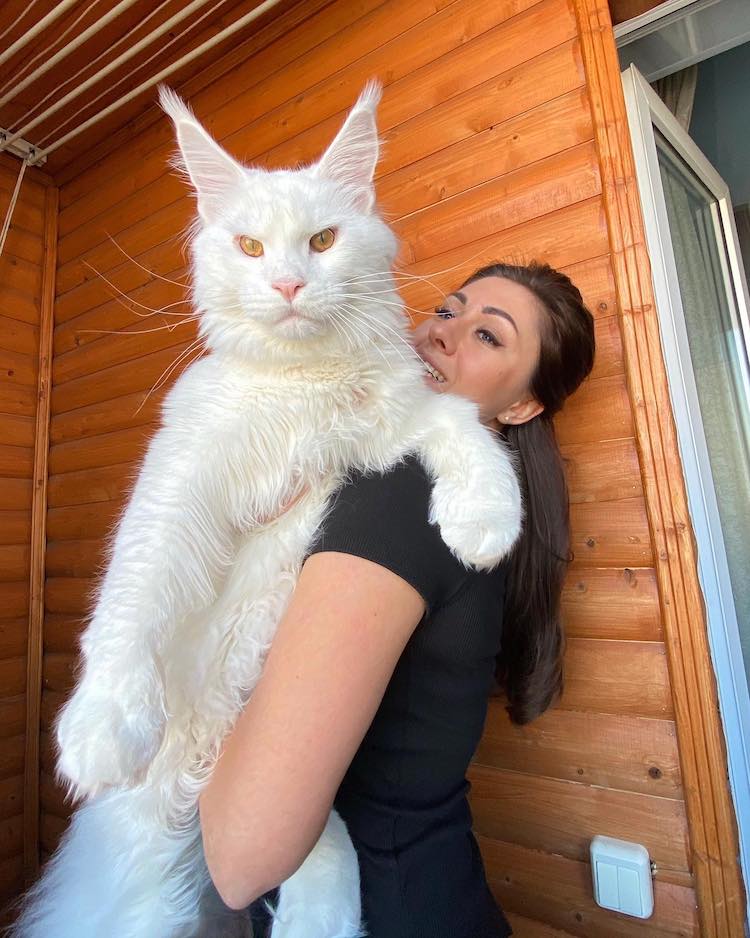
On average, a male Maine Coon cat weighs between 13 to 18 pounds (5.9 to 8.2 kg), though some can reach 20 pounds (9.1 kg) or more. Females are typically smaller, ranging from 8 to 12 pounds (3.6 to 5.4 kg), with some reaching up to 15 pounds (6.8 kg). When it comes to length, a mature Maine Coon can measure anywhere from 10 to 16 inches (25 to 41 cm) in height, from paw to shoulder, and an impressive 30 to 40 inches (76 to 102 cm) from the tip of their nose to the end of their characteristic bushy tail. This makes them significantly longer and heavier than most other common domestic cat breeds. For comparison, a typical house cat might weigh 8-10 pounds and measure about 18-24 inches in length.
The Maine Coon’s robust build includes a broad chest, substantial bone structure, and powerful musculature, all contributing to their formidable presence. Their large, tufted paws, often likened to snowshoes, are adapted for navigating snowy Maine winters, adding to their overall impressive dimensions. Their shaggy, water-resistant fur, complete with a ruff around the neck and longer fur on their britches and tail, further exaggerates their size, making them appear even larger than they are. This natural adaptation to harsh climates also highlights their rugged heritage and contributes to their distinctive aesthetic, making them a truly unique companion for any lifestyle.
Giants Among Felines: Record-Breaking Sizes
While the average Maine Coon is certainly substantial, there have been individuals who have pushed the boundaries of feline dimensions, earning them a place in the Guinness World Records. One of the most famous examples was Stewie, a Maine Coon from Nevada, USA, who held the record for the world’s longest domestic cat, measuring an incredible 48.5 inches (123 cm) from nose to tail tip. His weight was also considerable, though it wasn’t the primary record. Another notable Maine Coon named Ludo from Wakefield, UK, measured 46.5 inches (118.33 cm), also making him one of the longest cats ever recorded.
These exceptional cases demonstrate the breed’s potential for truly monumental size. It’s important to note that such extreme lengths and weights are not typical, and owners should not expect their Maine Coon to necessarily reach these record-breaking dimensions. These giants are a testament to the breed’s genetic potential and the dedicated care they receive, often becoming attractions in their own right within the pet community, sparking conversations about feline grandeur and the unique characteristics of the breed. Their existence also raises interesting questions for those involved in pet tourism or unique travel experiences, as the opportunity to encounter such magnificent creatures can be a draw.
More Than Just Size: Factors Influencing a Maine Coon’s Growth and Presence
The final size a Maine Coon achieves is a complex interplay of several factors, including genetics, nutrition, and environmental influences. Understanding these elements can help owners provide the best care for their growing feline companion, ensuring they reach their healthy potential, whether they’re destined for a quiet life at home or to join their human on adventures exploring new destinations.
Genetics, Nutrition, and Growth Stages
Genetics play the most significant role in determining a Maine Coon’s eventual size. Kittens inherit their growth potential from their parents, so looking at the size of the sire and dam can offer a good indication of how large their offspring might become. Reputable breeders typically provide information about the lineage and health of their breeding cats, which can be a valuable resource for prospective owners.
Nutrition is equally critical, especially during the extensive growth period of a Maine Coon. Unlike many domestic cats that reach their full adult size by 12 months, Maine Coons continue to grow and develop until they are typically 3 to 5 years old. During these crucial years, a high-quality, balanced diet rich in protein and essential nutrients is vital for healthy bone and muscle development. Overfeeding, particularly with low-quality food, can lead to obesity, which is detrimental to a cat’s health, regardless of breed, and should not be confused with healthy growth. A proper diet supports not only their physical development but also their energy levels, crucial for their playful nature and their ability to adapt to new environments, whether that’s a new home or a temporary accommodation during travel.
Growth stages are protracted for Maine Coons. They experience rapid growth spurts as kittens, then a more gradual filling out and maturation over several years. This extended development period means their nutritional needs remain high for longer. Owners must be patient and understand that their “kitten” will continue to grow long after other breeds have reached their adult form, requiring consistent care and attention to their evolving needs, from specialized diets to appropriately sized playthings and sleeping areas, even within a hotel suite.
The Male vs. Female Dynamic
As mentioned earlier, there’s a noticeable size difference between male and female Maine Coons. Males are generally larger and heavier than females. This sexual dimorphism is common in many animal species and is particularly pronounced in Maine Coons. A male Maine Coon will typically present with a more robust frame, a broader head, and a more imposing overall presence. Females, while still large compared to other breeds, tend to be daintier and lighter.
This difference can influence practical considerations for owners. A larger male Maine Coon might require a larger carrier for travel, more substantial scratching posts, and a bigger appetite. When planning a trip or choosing accommodation, understanding these nuances is important. For instance, some pet-friendly hotels might have weight restrictions, which a large male Maine Coon could potentially exceed more easily than a female. This male vs. female dynamic is a key aspect of their breed profile and influences the practicalities of a lifestyle shared with these magnificent creatures.
Navigating the World with a Gentle Giant: Travel, Accommodation, and Lifestyle Considerations
Living with a large Maine Coon is a unique lifestyle choice, one that brings immense joy but also specific responsibilities, especially when considering travel and accommodation. Their size, while charming, demands forethought in various aspects of pet ownership.
Pet-Friendly Travel: Planning for Your Large Feline Companion
Embarking on travel with a large cat like a Maine Coon requires meticulous planning. Firstly, transportation needs to be considered. For car travel, a large, secure carrier that allows your Maine Coon to stand up, turn around, and lie down comfortably is essential. This isn’t just about comfort; it’s about safety. Securing the carrier in the car is paramount to prevent injury during sudden stops or turns. For longer journeys, consider their need for hydration, food, and litter box breaks. Some owners even leash-train their Maine Coons, allowing for supervised outdoor breaks during extended drives at suitable rest stops or natural landmarks.
Air travel with a Maine Coon presents more challenges. Most airlines have strict size and weight limits for pets traveling in the cabin, and a fully grown Maine Coon will almost certainly exceed these, necessitating cargo travel. This is a decision that requires careful consideration, as cargo travel can be stressful for animals. Researching airline policies thoroughly, consulting with a veterinarian, and ensuring the cat’s health and temperament are suitable for such an experience are critical steps. Some owners opt for road trips over flights to avoid the complexities and stress of air cargo. Whichever mode of transport, the goal is to minimize stress for your Maine Coon and ensure their safety, turning what could be a daunting experience into a manageable part of a family trip or personal adventure.
Finding the Perfect Pet-Friendly Accommodation
The search for accommodation with a large Maine Coon can be a significant part of travel planning. While many hotels now advertise as “pet-friendly,” their policies often come with size or breed restrictions, and certainly pet fees. It’s crucial to confirm directly with the hotel or resort about their specific rules regarding large cats before booking. Mentioning the breed and estimated weight of your Maine Coon upfront can prevent unwelcome surprises upon arrival.
Consider opting for larger accommodation types like suites, apartments, or villas that offer more space for your feline friend to roam and play. This extra space helps reduce stress for your cat in an unfamiliar environment and prevents them from feeling cooped up. Many extended-stay hotels or serviced apartments are often more accommodating to larger pets and offer amenities like designated pet areas or grassy spaces. When checking in, always inquire about local pet services, such as emergency veterinary clinics or pet supply stores, which can be invaluable when exploring new destinations. Websites specializing in pet-friendly accommodation reviews and comparison tools can be excellent resources for finding suitable options that cater to the needs of a large cat.
The Lifestyle of a Maine Coon Guardian: Space, Care, and Budgeting
Beyond travel, the everyday lifestyle of a Maine Coon guardian is shaped by their pet’s size. Domestically, they require ample space, not just for lounging but for exercise and play. Tall, sturdy cat trees and scratching posts are a must, ideally floor-to-ceiling or very heavy-duty, to accommodate their size and weight during climbing and scratching. Regular playtime is essential to keep them mentally stimulated and physically fit, preventing boredom and potential behavioral issues. Their intelligent and curious nature means interactive toys and puzzles are highly recommended.
Budgeting for a large cat also differs from a smaller feline. Their increased size means greater consumption of high-quality food, larger litter boxes, and more durable pet supplies. Veterinary care, while similar in frequency, might incur higher costs for medications that are dosed by weight. Grooming is another consideration; their long, shaggy coats require regular brushing to prevent mats and tangles, a task that can be substantial for such a large cat. Investing in good grooming tools and establishing a routine early on is key. Despite these considerations, the devoted Maine Coon guardian finds immense reward in their gentle giant’s companionship, demonstrating that a luxury lifestyle or even a budget-friendly lifestyle can be adapted to include these magnificent creatures.
Experiencing Maine Coons: A Unique Aspect of Pet Tourism and Local Culture
The distinctive size and character of the Maine Coon have not only made them beloved pets but also cultural icons in their own right, even influencing aspects of tourism and local culture. Their origin story, rooted in the rugged New England landscape, adds to their mystique and appeal, making them a unique connection to the history and charm of certain destinations.
Maine Coons as Local Icons and Attractions
In Maine and other regions with a strong appreciation for the breed, Maine Coons are more than just pets; they are living landmarks. Their historical ties to the state, where they were once working cats on farms and ships, have cemented their status. This makes the breed itself a point of interest for visitors. Imagine a tourism guide to Maine that includes not only natural attractions like Acadia National Park or Portland Head Light but also showcases the Maine Coon as a local treasure, perhaps with opportunities to see them at local cat shows or breed meet-ups.
For those planning travel with an interest in feline culture, seeking out such events could add a unique dimension to their trip. This niche segment of tourism allows enthusiasts to connect with breeders, see champion cats, and learn more about the breed’s standards and history. Such experiences transform the simple act of appreciating a pet into a cultural exploration, much like visiting a famous landmark or experiencing local food. The sheer size of these cats makes them memorable attractions, drawing attention and admiration wherever they go, even if it’s just a local pet fair.

Connecting with Local Tourism Through Pet-Related Events
Beyond their historical connection to Maine, Maine Coons frequently feature prominently in cat shows and pet expos worldwide. These events can be significant attractions for both locals and travelers, offering an opportunity to see numerous Maine Coons up close, compare their sizes, and interact with breeders and owners who are passionate about the breed. For a visitor to a city like New York City or London, attending a major cat show could be a unique item on their itinerary, blending their love for cats with their desire for cultural experiences and activities.
These events often bring together a diverse community, from seasoned breeders to curious onlookers, creating a vibrant atmosphere. They can also serve as platforms for promoting responsible pet ownership, sharing tips on care, and educating the public about the unique needs of large breeds. For website visitors interested in traveling or finding unique activities in various destinations, seeking out local pet events and festivals could offer a different perspective on tourism, connecting them with a passionate local community and providing memorable experiences. Whether it’s a Maine Coon meet-up in Seattle or a prestigious cat show in Paris, these gatherings highlight the breed’s global appeal and their substantial role in the lives of their admirers.
In conclusion, the question “How big can Maine Coon cats get?” leads to answers that confirm their status as true giants of the domestic cat world. While average sizes are impressive, the potential for record-breaking dimensions adds to their mystique. This impressive scale, however, necessitates a thoughtful approach to their care, impacting everything from daily lifestyle choices to the feasibility of travel and the selection of suitable accommodation. For those who embrace the challenge, the reward is the companionship of a magnificent, affectionate, and truly unique feline friend, whose presence enriches every aspect of life, even shaping the way we explore the world.
LifeOutOfTheBox is a participant in the Amazon Services LLC Associates Program, an affiliate advertising program designed to provide a means for sites to earn advertising fees by advertising and linking to Amazon.com. Amazon, the Amazon logo, AmazonSupply, and the AmazonSupply logo are trademarks of Amazon.com, Inc. or its affiliates. As an Amazon Associate we earn affiliate commissions from qualifying purchases.