
The Maine Coon, often hailed as the “gentle giant” of the feline world, is a breed that immediately captures attention with its impressive size. These magnificent cats are not just a beautiful addition to a household but also a testament to nature’s ability to create something truly remarkable. For anyone considering bringing one of these majestic creatures into their lives, or simply curious about their impressive stature, understanding “how big does a Maine Coon get?” is a fundamental question. Beyond mere inches and pounds, their size is intertwined with their history, genetics, and the care they receive. This exploration will delve into the physical dimensions of the Maine Coon, touching upon the factors that contribute to their growth, and how their size compares to other breeds.
The Majestic Stature of the Maine Coon
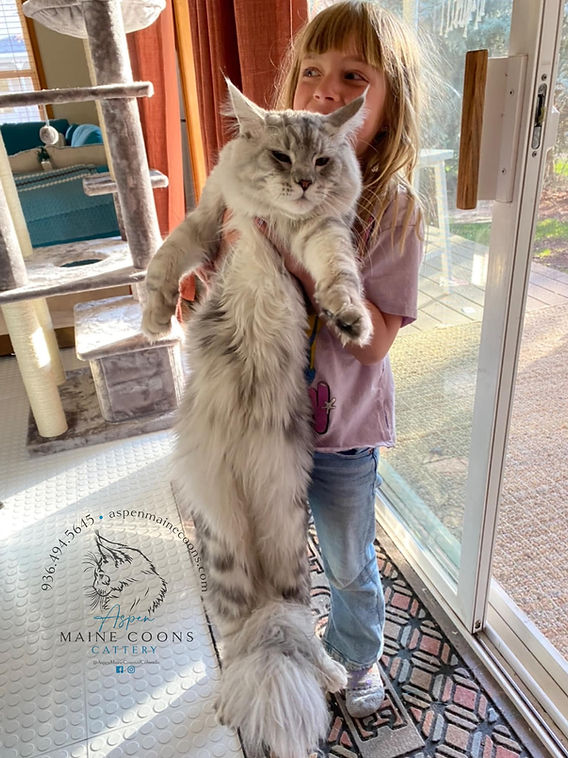
When you picture a Maine Coon, the image that likely comes to mind is one of substantial presence. These cats are renowned for their large, muscular bodies, broad chests, and long, bushy tails. Unlike many domestic cat breeds that reach their full growth within a year or two, Maine Coons are slow to mature, continuing to develop and fill out for up to three to five years. This extended growth period is a key factor in their impressive final size.
Average Size and Weight
On average, male Maine Coons tend to be larger than females. Adult males typically weigh between 15 to 25 pounds (approximately 7 to 11 kg), with some individuals exceeding these figures. Females, while still substantial, generally weigh between 10 to 15 pounds (approximately 4.5 to 7 kg). These are averages, and it’s crucial to remember that genetics play a significant role. Just as humans have a wide range of heights, so too do Maine Coons have a spectrum of sizes.
Length is another impressive dimension. A Maine Coon’s body, excluding the tail, can measure anywhere from 10 to 16 inches (25 to 41 cm) in height at the shoulder. When you factor in their tails, which are often as long as their bodies, their overall length can stretch to an astonishing 3 to 4 feet (90 to 120 cm) from nose to tail tip. This makes them one of the longest domestic cat breeds.
Factors Influencing Size
Several factors contribute to the final size of a Maine Coon. The most significant is genetics. Purebred Maine Coons, bred from parents with good size and conformation, are more likely to reach their full potential. Responsible breeders focus on maintaining the breed’s inherent characteristics, including its size.
Nutrition also plays a pivotal role. A balanced, high-quality diet is essential for a Maine Coon’s growth and overall health. Kittens require specific nutrients to support their rapid development, and as they mature, their dietary needs shift. Overfeeding or underfeeding can both have detrimental effects on their growth trajectory. A diet rich in protein, essential fats, and vitamins will contribute to a strong bone structure and muscular development, allowing them to reach their genetically predisposed size.
Health is another critical element. Underlying health conditions can stunt growth or lead to other developmental issues. Regular veterinary check-ups are vital to ensure your Maine Coon kitten is growing as expected and to address any potential health concerns early on. A healthy cat is a happy cat, and a healthy cat has the best chance of reaching its full, magnificent size.
Understanding Maine Coon Growth Patterns
The journey to becoming a “gentle giant” is a gradual one for a Maine Coon. Unlike the rapid growth spurt seen in many other breeds, Maine Coons have a protracted development period that contributes to their substantial build. This slow maturation means that even as adults, they continue to develop muscle and gain weight, filling out their impressive frames.
From Kittenhood to Maturity
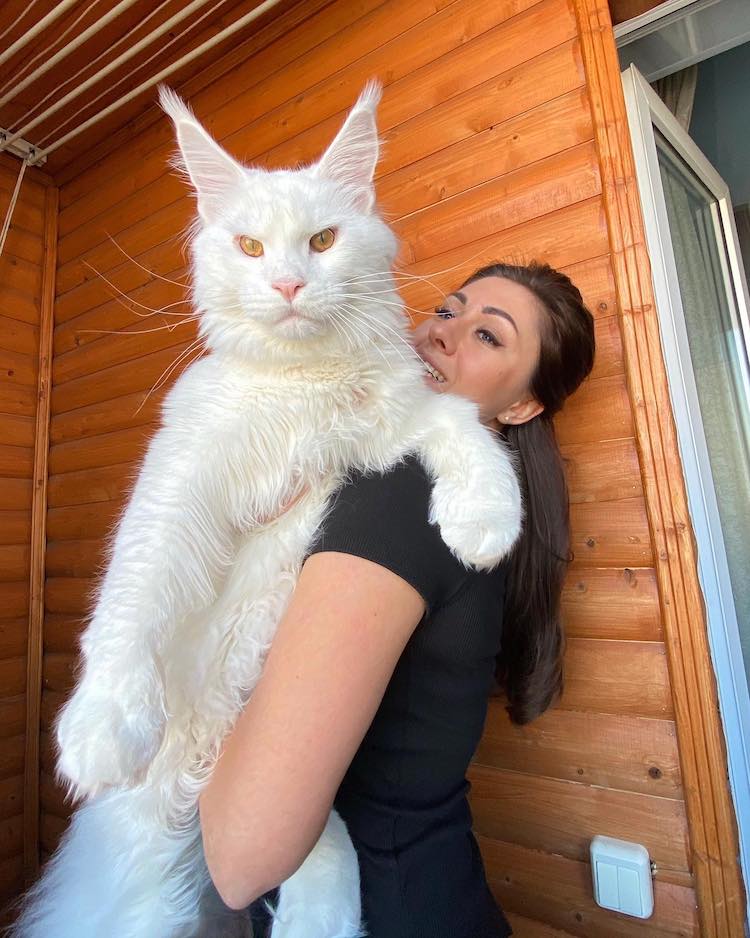
A Maine Coon kitten is born small, just like any other kitten, but their potential for growth is evident even in these early stages. By six months of age, they will have undergone significant development, but they are still far from their adult size. They will appear lankier and less substantial than they will be in a couple of years.
The period between one and three years of age is when much of their adult musculature and weight gain occurs. Their frames broaden, their chests deepen, and their coats become lusher. Even after three years, many Maine Coons will continue to fill out, gaining a bit more weight and muscle mass until they reach their full maturity, typically around four to five years old. This extended growth phase is a hallmark of the breed and explains why a seemingly fully grown young cat can still surprise its owners with its continued development.
Comparing Maine Coons to Other Breeds
The Maine Coon’s size places it in a league of its own among domestic cat breeds. When compared to common breeds like the Siamese or Persian, the difference is striking. A typical Siamese cat might weigh between 5 to 10 pounds (2.2 to 4.5 kg), and a Persian might weigh between 7 to 12 pounds (3 to 5.5 kg). The Maine Coon, with its average weight of 15 to 25 pounds for males, is considerably larger and more robust.
Even some of the larger breeds don’t quite match the Maine Coon’s overall dimensions. The Norwegian Forest Cat, another large breed known for its thick coat and sturdy build, can reach similar weights, but the Maine Coon often takes the crown for length and overall impressiveness of its frame. The Ragdoll breed is also known for its size, and while some individuals can be very large, the Maine Coon generally holds the reputation for being the largest of the domestic cat breeds.
The Role of Environment and Care
While genetics and nutrition are paramount, the environment and the quality of care a Maine Coon receives can significantly influence its well-being and, by extension, its development. A stimulating and safe environment, coupled with attentive care, can allow these magnificent cats to thrive.
Providing the Right Environment
Maine Coons are intelligent and playful cats that benefit from an enriching environment. Plenty of vertical space, such as cat trees and shelves, allows them to explore and exercise their climbing instincts. Interactive toys and puzzle feeders can keep their minds engaged. Given their size, it’s important to ensure that any furniture or play structures are sturdy and can support their weight.
Socialization is also key. While often described as “gentle giants,” their imposing size means that positive interactions from a young age with humans and other pets are beneficial. Exposure to different sights, sounds, and experiences in a controlled manner can help them grow into well-adjusted adult cats.
Grooming and Health Considerations
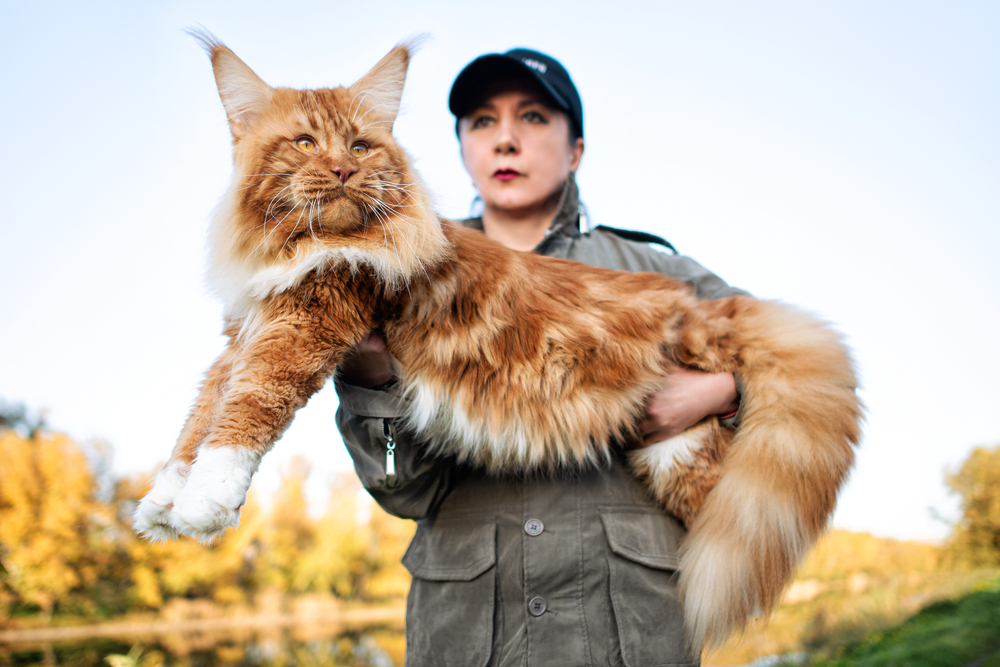
The Maine Coon’s signature long, shaggy coat requires regular grooming to prevent mats and tangles. Brushing several times a week will not only keep their coat looking its best but also provides an opportunity to check for any skin issues or parasites. This attention to their coat is part of their overall health care.
Regular veterinary visits are non-negotiable. For a large breed like the Maine Coon, it’s important to monitor their growth against breed standards and to screen for any breed-specific health predispositions. Conditions such as hypertrophic cardiomyopathy (HCM) and hip dysplasia, while not exclusive to Maine Coons, are more common in larger breeds. Early detection and management are crucial for a long and healthy life, allowing your Maine Coon to continue to impress with its size and gentle nature for many years.
The journey of a Maine Coon from a tiny kitten to a magnificent adult is a fascinating one. Their impressive size is a defining characteristic, shaped by a combination of their genetic heritage, the quality of their nutrition, and the care they receive throughout their lives. For those who are captivated by these gentle giants, understanding their growth patterns and the factors that influence their stature is key to appreciating the full magnificence of the Maine Coon.
LifeOutOfTheBox is a participant in the Amazon Services LLC Associates Program, an affiliate advertising program designed to provide a means for sites to earn advertising fees by advertising and linking to Amazon.com. Amazon, the Amazon logo, AmazonSupply, and the AmazonSupply logo are trademarks of Amazon.com, Inc. or its affiliates. As an Amazon Associate we earn affiliate commissions from qualifying purchases.