
When picturing the United States on a map, most people envision the familiar contiguous 48 states, often referred to as the “lower 48.” Then, tucked away in an inset or off to the side, is Alaska, appearing somewhat removed and perhaps even shrunken due to cartographic conventions. This visual representation, however, is deeply misleading. Alaska isn’t just large; it’s a colossal landmass that fundamentally redefines our perception of scale within America. Its sheer immensity influences everything from travel logistics and infrastructure to the very culture and lifestyle of its residents, offering unparalleled opportunities for adventure, exploration, and a deep connection with nature.
For those planning to experience the breathtaking beauty and wild expanses of the Last Frontier, understanding its true size is not just a geographical fun fact—it’s an essential primer for planning an unforgettable journey. Whether you’re dreaming of luxury travel through pristine wilderness or a budget-friendly family trip exploring vibrant local cultures, Alaska’s scale dictates the rhythm and scope of your adventure.
Alaska’s Astounding Scale: A State Like No Other
To truly grasp the magnitude of Alaska, one must move beyond the typical map and delve into the numbers and geographical realities that set it apart. It’s not merely the largest state; it’s a geographical marvel that stands in a league of its own, dwarfing many nations and entire regions of the world.
Size in Numbers: Beyond Just Land Area
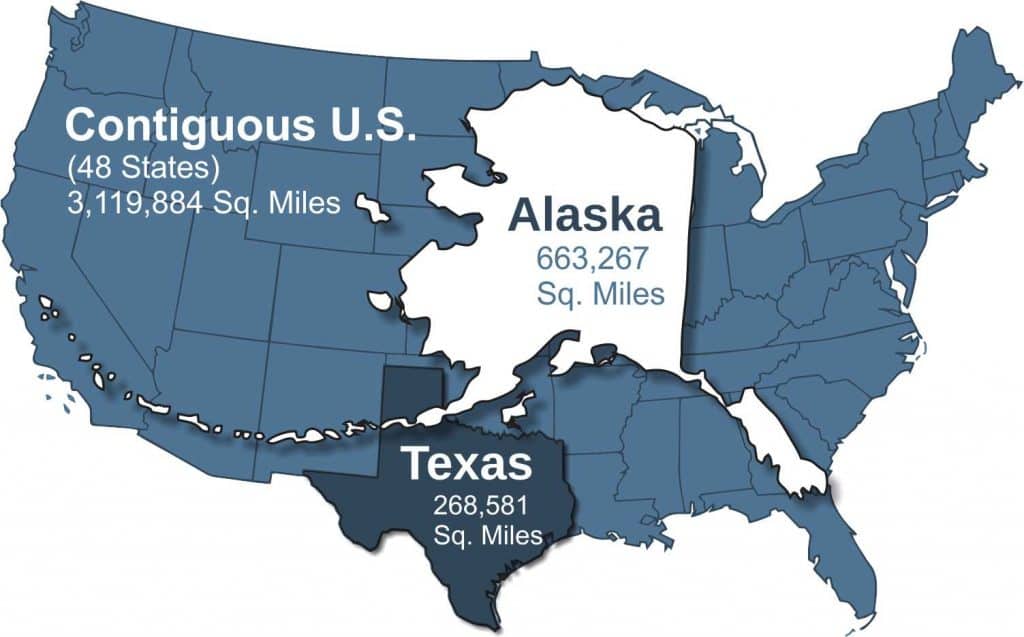
Let’s put Alaska’s size into perspective. Covering approximately 665,384 square miles (1,723,337 square kilometers), Alaska is astonishingly vast. To illustrate this, consider the following comparisons:
- Compared to other US states: Alaska is more than twice the size of Texas, the second-largest state, which measures about 268,596 square miles. You could fit 2.5 Texases inside Alaska with room to spare. If you combined Texas, California, and Montana—three of the largest states—they would still not collectively surpass Alaska’s total area.
- Compared to the Lower 48: If Alaska were superimposed over the continental United States, it would stretch from the Atlantic coast of Georgia all the way to the Pacific coast of California, and from the Canadian border in Montana down to Mexico. Its immense footprint would cover a significant portion of the lower 48 states, offering a stark visual of its scale.
- Compared to other countries and regions: Alaska is larger than the combined area of all the US states east of the Mississippi River. It is also larger than many sovereign nations, including France, Spain, and Germany combined. It’s roughly one-fifth the size of Australia and about 1.5 times the size of Japan. This global perspective truly highlights Alaska’s extraordinary dimensions.
Beyond mere land area, Alaska boasts the longest coastline of any US state, stretching over 33,904 miles, which is longer than all other US states combined. This incredible coastline is dotted with thousands of islands, fjords, and bays, hinting at the state’s profound maritime influence and its vast, untouched natural beauty.
Geographical Diversity: From Fjords to Tundra
Alaska’s enormous size also means an unparalleled diversity of landscapes and ecosystems. This isn’t a homogeneous expanse; it’s a tapestry of dramatic contrasts that captivates every traveler.
- Mountains and Glaciers: Home to the tallest peak in North America, Mount Denali (formerly Mount McKinley), which rises to an impressive 20,310 feet, Alaska is dominated by majestic mountain ranges. The Alaska Range, the Chugach Mountains, and the Brooks Range are just a few examples. These mountains are cradles for some of the world’s most extensive glacier systems outside of the polar regions, including the famous glaciers of Glacier Bay National Park and Kenai Fjords National Park, which are popular destinations for cruise tours.
- Forests and Tundra: While portions of Alaska are covered by the immense Tongass National Forest and Chugach National Forest—the largest and second-largest national forests in the United States respectively—much of the interior and northern regions are characterized by vast stretches of taiga and Arctic tundra. These biomes support unique flora and fauna, including caribou, moose, grizzly bears, and migratory birds.
- Volcanoes and Islands: The Aleutian Islands, an arc of over 300 volcanic islands, stretch far into the Pacific, almost reaching Russia. This region is part of the “Ring of Fire” and offers dramatic, rugged landscapes. The Southeast panhandle, with its countless islands and intricate waterways, is a temperate rainforest ecosystem, vastly different from the frigid North Slope.
- Rivers and Lakes: Thousands of rivers and lakes crisscross Alaska, including the mighty Yukon River, a vital transportation route for centuries. These waterways are critical for wildlife, particularly for the state’s renowned salmon runs, and offer incredible opportunities for fishing, kayaking, and river rafting.
This incredible geographical range means that a single trip to Alaska can offer experiences ranging from coastal cruises through iceberg-filled fjords to backcountry hiking in alpine meadows, or even dog sledding across frozen tundra. The diversity guarantees that there’s always something new to discover, appealing to every type of traveler.
The Practicalities of Immense Size: Travel and Infrastructure
Alaska’s vastness isn’t just a point of interest; it’s a defining characteristic that shapes nearly every aspect of life and travel within the state. Understanding these practical implications is crucial for anyone planning a visit, influencing everything from transportation choices to the duration of your stay.
Sprawling Distances and Unique Transportation
Due to the immense distances, traveling within Alaska requires careful planning and an appreciation for unique modes of transport. Unlike the lower 48, where extensive highway networks connect virtually every significant town, Alaska’s road system is surprisingly limited.
- Limited Road Network: The state has fewer miles of paved roads than many much smaller US states. Major cities like Juneau, the state capital, are not accessible by road, requiring air or sea travel. This isolation often means travelers must rely on a combination of different transport methods to explore various regions.
- Air Travel: The Bush Planes: Small aircraft, often called “bush planes,” are the lifeblood of rural Alaska. They connect remote villages, wilderness lodges, and national parks that are otherwise inaccessible. Flightseeing tours, offering aerial views of glaciers, mountains, and wildlife, are not just a luxury experience but often a practical necessity for reaching some of the most spectacular destinations like Katmai National Park for bear viewing.
- Marine Highways and Cruises: Given its extensive coastline and numerous islands, water-based travel is fundamental. The Alaska Marine Highway System operates ferries that connect coastal communities and are an excellent option for budget travelers or those wanting to bring their vehicles. For many tourists, a cruise through the Inside Passage is the quintessential Alaskan experience, allowing them to witness tidewater glaciers, marine wildlife, and charming port towns like Ketchikan, Skagway, and Sitka in comfort and style.
- Railroad Journeys: The historic Alaska Railroad offers scenic routes connecting Seward, Anchorage, Denali National Park, and Fairbanks. These train journeys are a popular way to see the interior, offering panoramic views and wildlife spotting opportunities. They often integrate seamlessly with cruise itineraries and land tours, providing a comprehensive travel experience.
- RV and Car Rentals: For those sticking to the road system, renting an RV or car offers freedom and flexibility, allowing travelers to explore at their own pace, with popular routes connecting Anchorage to the Kenai Peninsula, Denali, and Fairbanks. However, distances are still significant, and gas stations can be sparse in remote areas, necessitating careful planning for fuel and supplies.
Population Distribution and the Alaskan Lifestyle
Despite its enormous size, Alaska is the third least populated state in the United States, with a population of around 733,000. This translates to an incredibly low population density—about 1.2 people per square mile. The vast majority of Alaskans live in the Southcentral region, particularly in and around Anchorage, the state’s largest city.
- Urban Centers and Wilderness: Anchorage serves as the primary hub for travel and commerce, offering a surprising array of hotels, restaurants, and cultural attractions amidst its wilderness backdrop. Fairbanks is the main city in the Interior, known for its proximity to the Arctic Circle and excellent opportunities to view the Northern Lights. Beyond these cities, towns are often small and spread far apart, with vast stretches of uninhabited wilderness in between.
- Unique Lifestyle: The low population density fosters a unique Alaskan lifestyle—one of self-reliance, community spirit, and a deep appreciation for the outdoors. Residents embrace a rugged way of life, where access to nature, wildlife, and outdoor activities like hunting, fishing, hiking, and skiing are an integral part of daily existence. This lifestyle is often reflected in local culture, food, and the types of activities available for tourists.
- Economic Activities: While tourism is a growing sector, Alaska’s economy has historically been driven by natural resources, particularly oil and gas (on the North Slope), fishing (especially salmon and halibut), and mining. These industries, too, are influenced by the state’s vastness, requiring extensive infrastructure to access and transport resources from remote locations.
Experiencing the Vastness: Planning Your Alaskan Adventure
Given Alaska’s immense size and diverse geography, planning a trip requires careful consideration of what you want to see and how much time you have. It’s impossible to see all of Alaska in a single trip, so focusing on specific regions or experiences is key.
Key Regions and Iconic Destinations
Alaska can be broadly divided into several distinct regions, each offering unique attractions:
- Southcentral Alaska: This region, centered around Anchorage, is the most accessible and popular starting point for many travelers. It offers a blend of urban amenities and stunning wilderness. Highlights include the Kenai Peninsula (with towns like Seward and Homer offering glacier cruises, fishing charters, and wildlife viewing), Prince William Sound (famous for glaciers and marine life), and easy access to the majestic Chugach Mountains.
- Interior Alaska: Home to Fairbanks, this region is known for its extreme seasons, golden autumn colors, and the best chances to witness the Northern Lights in winter. It’s also the gateway to Denali National Park and Preserve, where visitors can marvel at Mount Denali, spot grizzly bears, caribou, and moose, and explore vast wilderness.
- Southeast Alaska (The Panhandle): This region is predominantly explored via cruise ship or the Alaska Marine Highway System. It’s a temperate rainforest environment characterized by dramatic fjords, dense forests, and countless islands. Iconic destinations include Juneau (the state capital, Mendenhall Glacier), Glacier Bay National Park (tidewater glaciers, whales), and historic gold rush towns like Skagway and Sitka.
- Southwest Alaska: Remote and rugged, this area is a paradise for wildlife enthusiasts, particularly those seeking brown bears. Katmai National Park and Preserve (Brooks Falls) and Kodiak Island are major draws, though accessing them typically involves bush plane flights and specific guided tours.
- Arctic and Far North: For the most intrepid adventurers, the Arctic regions offer a glimpse into the pristine wilderness above the Arctic Circle. Destinations like Utqiagvik (formerly Barrow), Nome, and Gates of the Arctic National Park and Preserve provide unique cultural experiences with Native Alaskan communities and opportunities to see muskoxen and polar bears.
Accommodation Choices Across the Wilderness
Given the diverse travel styles and remote locations, Alaska offers a wide spectrum of accommodation options, catering to every budget and preference.
- Hotels and Resorts: In cities like Anchorage and Fairbanks, you’ll find a range of hotels, from budget-friendly chains to luxury resorts offering top-tier amenities. Many also offer suites suitable for families or extended stays. In smaller towns, charming local lodges and bed & breakfasts provide a more intimate experience.
- Wilderness Lodges: For an immersive experience, remote wilderness lodges are unparalleled. Often accessible only by bush plane or boat, these lodges offer an all-inclusive experience with guided activities like fishing, hiking, and wildlife viewing. They range from rustic cabins to luxurious, eco-friendly retreats.
- Cabins and Vacation Rentals: For those seeking more independence, cabins and vacation rentals are available, especially in popular areas like the Kenai Peninsula and near national parks. These offer amenities for self-catering, ideal for long-term stays or family trips.
- Camping and RV Parks: Budget travelers and adventure seekers often opt for camping or RV travel. Alaska has numerous state and national park campgrounds, as well as private RV parks, offering facilities ranging from basic sites to full hook-ups. This is a fantastic way to connect with nature and maintain flexibility in your itinerary.
- Cruise Ship Cabins: For those exploring the Inside Passage, the cruise ship itself serves as your floating hotel, offering various cabin types, dining options, and onboard entertainment, simplifying logistics as you move between destinations.
Booking in advance is highly recommended, especially during the peak summer season (June to August), as popular accommodations, particularly wilderness lodges and properties near Denali National Park, can fill up quickly.
Embracing Alaskan Tourism: Culture, Cuisine, and Activities
Alaska’s vastness isn’t just about landscapes; it’s also about a rich tapestry of local culture, unique food, and a plethora of activities that cater to every interest.
- Local Culture: Explore the vibrant cultures of Native Alaskan peoples, learning about their traditions, art (like totem poles in Ketchikan), and history through museums and cultural centers. Delve into the legacy of the Klondike Gold Rush in towns like Skagway and Fairbanks, which preserve frontier-era charm.
- Food Scene: Seafood is a highlight of Alaskan cuisine. Freshly caught King Salmon, halibut, and Dungeness crab are staples. Beyond seafood, try local specialties like reindeer sausage, wild berries, and sourdough pancakes. Cities like Anchorage offer diverse dining experiences, from casual eateries to upscale restaurants.
- Activities Galore: The sheer size of Alaska means an endless array of activities.
- Wildlife Viewing: Opportunities abound for spotting bears (brown and black), moose, caribou, bald eagles, whales, and sea otters.
- Adventure Sports: Hiking, kayaking, rafting, fishing (fly fishing, deep-sea fishing), glacier trekking, dog sledding (even in summer on glaciers), and zip-lining.
- Scenic Tours: Flightseeing over Mount Denali or glaciers, scenic train rides, and boat tours into fjords.
- Northern Lights (Aurora Borealis): During the darker months (late August to April), the interior of Alaska, especially around Fairbanks, is one of the best places on Earth to witness this spectacular celestial phenomenon.
Travel tips for Alaska often emphasize packing layers for variable weather, being prepared for mosquitoes in summer, and respecting the wilderness by following Leave No Trace principles. Planning a trip to Alaska is an exercise in managing expectations about distance and embracing the adventure that comes with traveling through such a vast and untamed land.
More Than Just Size: The Unforgettable Allure of Alaska
Ultimately, Alaska’s immense size is more than just a statistic; it’s the foundation of its unique identity and profound allure. This vastness translates into unparalleled opportunities for immersion in nature, truly escaping the ordinary, and experiencing a sense of wild freedom that is increasingly rare in the modern world.
From the towering peaks of the Alaska Range to the intricate waterways of the Inside Passage, and from the vibrant urban life of Anchorage to the isolated serenity of Arctic villages, Alaska offers a lifetime of exploration. It caters to every type of lifestyle and travel dream—whether you seek luxury travel in a high-end wilderness lodge, a budget-friendly road trip through national forests, or an adventurous family trip filled with wildlife encounters.
The grandeur of Alaska leaves an indelible mark on all who visit. Its scale reminds us of the power and majesty of the natural world, fostering a sense of awe and wonder. So, when you look at that small inset map of Alaska, remember that it represents a world unto itself—a boundless frontier waiting to be discovered, experienced, and cherished. It’s a journey into the immense, promising memories as vast and enduring as the Last Frontier itself.
LifeOutOfTheBox is a participant in the Amazon Services LLC Associates Program, an affiliate advertising program designed to provide a means for sites to earn advertising fees by advertising and linking to Amazon.com. Amazon, the Amazon logo, AmazonSupply, and the AmazonSupply logo are trademarks of Amazon.com, Inc. or its affiliates. As an Amazon Associate we earn affiliate commissions from qualifying purchases.