
When contemplating the “bigness” of a city, the answer is rarely a simple number. It encompasses more than just square miles or population figures; it delves into economic impact, cultural reach, the scope of available experiences, and its influence on its surrounding region. In the case of Anchorage, Alaska’s largest city, its sheer physical expanse is impressive, but its true magnitude lies in its role as a vibrant urban center amidst unparalleled wilderness, a crucial economic engine, and a gateway to the Last Frontier’s legendary landscapes. For travelers, understanding this multifaceted “bigness” is key to unlocking the full potential of an Anchorage visit, from diverse accommodations and local culture to thrilling adventures and iconic landmarks.
Anchorage’s Geographical Footprint: A City Embraced by Wilderness
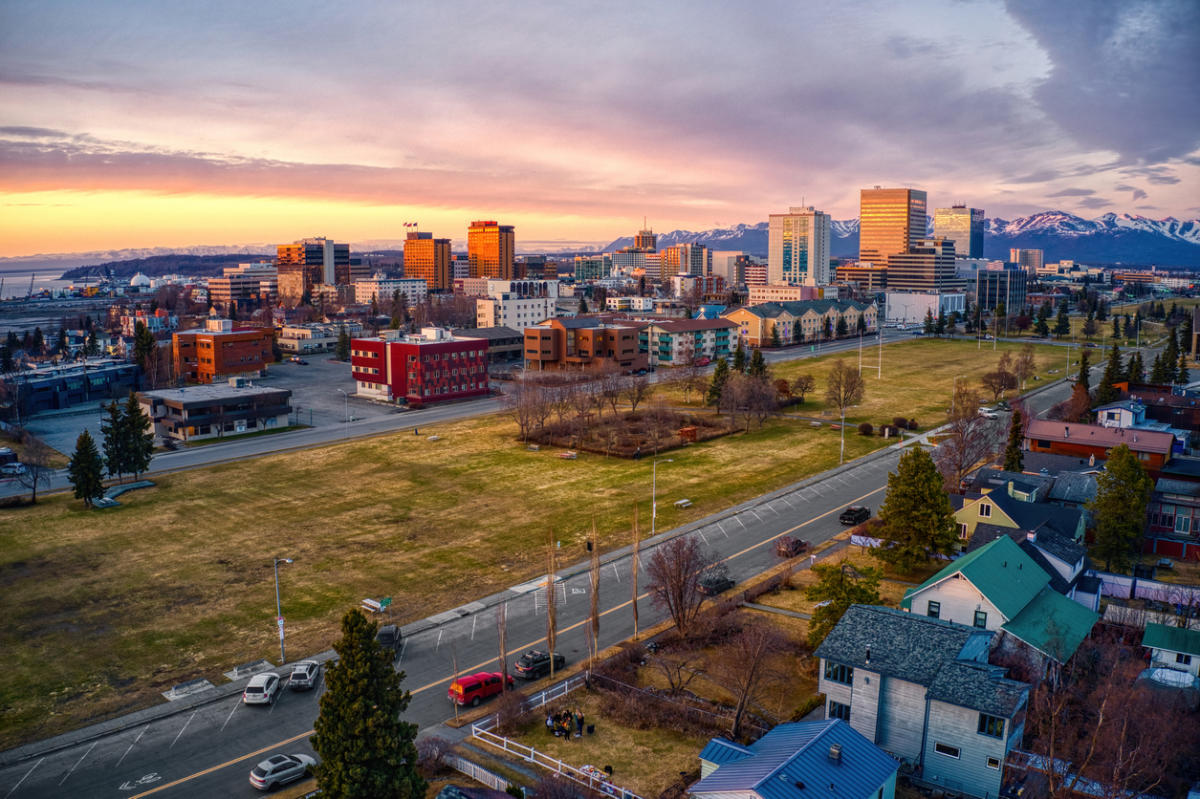
Anchorage is unique among major United States cities, primarily due to its astounding geographical scale and its immediate proximity to untamed nature. Far from a dense, concrete jungle, it is a sprawling municipality where urban amenities meet breathtaking natural beauty. This dual identity defines much of what makes Anchorage not just big, but profoundly impactful on the visitor’s experience.
Vast Urban Sprawl Amidst Pristine Nature
The Municipality of Anchorage covers an enormous area of approximately 1,961 square miles (5,079 square kilometers), making it one of the largest cities by land area in the United States. To put this into perspective, it’s larger than the state of Rhode Island and significantly larger than many well-known metropolises. However, only a fraction of this vast territory is developed urban land. Much of it is composed of pristine wilderness, including the western slopes of the Chugach Mountains and large sections of Chugach State Park, which borders the city to the east.
This extraordinary geography means that within minutes of downtown, residents and visitors alike can find themselves immersed in a landscape teeming with wildlife – moose frequently wander through neighborhoods, and bears are not uncommon sights on hiking trails. The city itself is nestled between the waters of Cook Inlet to the west and the rugged peaks of the Chugach Mountains to the east, offering panoramic views from countless vantage points. This dramatic setting not only dictates the local lifestyle but also shapes the range of activities available, from urban exploration to backcountry adventures.
Understanding this expansive layout is crucial for travel planning. While the core downtown area and its immediate surroundings are walkable and feature many hotels, restaurants, and attractions like the Anchorage Museum and the Alaska Center for the Performing Arts, getting to destinations like Kincaid Park or the Alaska Native Heritage Center often requires transportation. Car rentals are popular, providing the freedom to explore at one’s own pace, especially when venturing out along scenic routes like the Seward Highway towards Girdwood or the Kenai Peninsula.
Gateway to Alaska’s Iconic Landscapes
Anchorage’s “bigness” is also defined by its role as the primary entry point for exploring the rest of Alaska. The Ted Stevens Anchorage International Airport serves as a major hub, connecting the state to the Lower 48 and international destinations. From Anchorage, travelers embark on journeys to world-renowned destinations such as Denali National Park, the glaciers of Prince William Sound near Whittier and Seward, and the remote wilderness of the Interior and Arctic.
Tour operators based in Anchorage offer a wide array of excursions, from flightseeing tours over Denali to wildlife cruises in Resurrection Bay. The Alaska Railroad provides scenic routes like the Coastal Classic to Seward and the Denali Star to Fairbanks, both departing from Anchorage and offering unparalleled views of Alaska’s rugged interior. This accessibility to adventure is a massive draw for tourism and solidifies Anchorage’s position as the strategic heart of Alaskan travel.
Population and Community: The Heartbeat of Alaska’s Largest City
Beyond its physical dimensions, the “bigness” of Anchorage is also defined by its population and the vibrant community it fosters. As the most populous city in Alaska, it serves as a central hub for commerce, culture, and services for the entire state.
A Diverse Melting Pot
With a population of over 290,000 residents, Anchorage is home to more than 40% of Alaska’s total population. When considering the greater Anchorage Metropolitan Area, which includes the adjacent Matanuska-Susitna Borough, the population swells further, indicating its significant regional influence. This population density, relative to the rest of the sparsely populated state, makes Anchorage a bustling center of activity.
The city boasts remarkable cultural diversity, a true melting pot of ethnicities and backgrounds. This is evident in its array of international restaurants, vibrant cultural festivals, and the presence of institutions like the Alaska Native Heritage Center, which celebrates the rich traditions of the state’s indigenous peoples. This diversity enriches the local culture, offering visitors a broader perspective on Alaskan life beyond the stereotypes of wilderness and wildlife. For those interested in local culture and food, Anchorage provides an abundance of authentic experiences.
Quality of Life and Urban Amenities
Despite its remote location, Anchorage offers a surprisingly comprehensive suite of urban amenities, reflecting its status as a major city. Residents and visitors benefit from a robust infrastructure, including quality healthcare facilities, educational institutions like the University of Alaska Anchorage and Alaska Pacific University, diverse shopping centers, and a thriving arts and entertainment scene.

The lifestyle in Anchorage is often described as a unique blend of urban convenience and outdoor adventure. It’s a place where one can attend a symphony performance in the evening and hike a mountain trail, such as Flattop Mountain in Chugach State Park, the very next morning. This balance appeals to a wide range of lifestyles, from families seeking a vibrant community with access to nature to business travelers requiring modern facilities. For luxury travelers, there are upscale accommodations and fine dining, while budget travelers can find comfortable hotels and a wealth of free outdoor activities.
Economic Engine and Tourism Hub: Anchorage’s Global Significance
The economic “bigness” of Anchorage cannot be overstated. It serves as the economic nerve center of Alaska, driving key industries and acting as the primary gateway for the state’s vital tourism sector. This role elevates its importance far beyond its geographical borders.
Driving Alaska’s Economy
Anchorage’s economy is diverse, encompassing sectors such as oil and gas support, transportation and logistics (owing to its strategic location on global air cargo routes), military presence, and government services. However, tourism remains a cornerstone, injecting significant revenue into the local economy and supporting a vast array of businesses, from hotels and tour operators to restaurants and retail. The city’s port, situated on Knik Arm of Cook Inlet, is crucial for importing goods into the state, further solidifying Anchorage’s role as a logistical and economic powerhouse.
For business travelers, Anchorage offers a robust infrastructure of convention centers, meeting facilities, and business-friendly accommodations. Major hotel chains like the Marriott Anchorage Downtown, Hilton Anchorage, and the iconic Hotel Captain Cook cater to both leisure and corporate guests, providing modern amenities and strategic locations. This blend of economic activity and tourism infrastructure highlights the city’s capacity to host significant events and conferences, further enhancing its perceived “bigness” on a national and international scale.
A Premier Destination for Travelers
Anchorage is not just a transit point; it is a destination in itself, drawing millions of visitors annually. Its robust tourism industry provides an extensive range of accommodations to suit every preference and budget. From luxurious suites in downtown hotels offering stunning Cook Inlet or Chugach Mountains views, like The Lakefront Anchorage, to cozy boutique hotels, extended-stay apartments, and charming bed and breakfasts, the options are plentiful. Comparison shopping and reading reviews are essential, especially during peak summer season, when booking in advance is highly recommended.
The city also excels in providing curated travel experiences. Guided tours, fishing charters, wildlife viewing expeditions, and cultural excursions are readily available. Whether travelers are looking for family trips that cater to all ages, romantic getaways, or adventurous solo journeys, Anchorage’s tourism sector is well-equipped to deliver memorable experiences. The sheer volume and variety of activities and services available underscore the city’s significant stature as a global tourism hub.
Experiencing Anchorage: Attractions, Activities, and Unique Charm
The true measure of Anchorage’s “bigness” ultimately comes down to the richness and diversity of experiences it offers. From world-class cultural institutions to unparalleled outdoor adventures, the city’s attractions are as grand and varied as the landscape that surrounds it.
Must-See Landmarks and Cultural Gems
Anchorage is home to a host of landmarks that reflect its unique history and vibrant culture. The Anchorage Museum is a comprehensive institution showcasing Alaskan art, history, and science, offering deep insights into the region. The Alaska Native Heritage Center provides an immersive experience into the cultures of Alaska’s eleven major Native groups through traditional dwellings, demonstrations, and performances.
For historical enthusiasts, sites like the Oscar Anderson House Museum, Anchorage’s first permanent home, and Resolution Park with its statue of Captain Cook, tell tales of the city’s past. Earthquake Park and Point Woronzof offer poignant reminders of the 1964 Good Friday earthquake and stunning views of Cook Inlet and the distant Alaska Range, including Denali on clear days.

Adventures for Every Season and Lifestyle
Anchorage’s outdoor playground is immense. The 11-mile Tony Knowles Coastal Trail offers unparalleled opportunities for walking, biking, and wildlife viewing right from downtown. Hiking trails abound in Chugach State Park, leading to iconic summits like Flattop Mountain or serene spots like Eklutna Lake in Eagle River. Wildlife viewing is a favorite pastime, with the Alaska Zoo and the Potter Marsh Bird Sanctuary being popular spots. Day trips to the Alaska Wildlife Conservation Center on the Seward Highway are also highly recommended.
In winter, Anchorage transforms into a snowy wonderland, offering skiing at Alyeska Resort in nearby Girdwood, ice skating, and aurora borealis viewing opportunities. The city is also the ceremonial start of the legendary Iditarod Trail Sled Dog Race each March, a spectacle that draws crowds from around the globe. Festivals like the Anchorage Fur Rendezvous and the Girdwood Forest Fair, along with the Downtown Anchorage Farmers Market, showcase local crafts, food, and entertainment throughout the year.
The culinary scene in Anchorage is equally diverse, featuring everything from fresh Alaskan seafood to international cuisine. Dining is an integral part of the travel experience, allowing visitors to savor the flavors of the region. This combination of natural beauty, cultural depth, and adventurous activities truly solidifies Anchorage’s “bigness” as a destination.
In conclusion, “How big is Anchorage, Alaska?” is a question best answered by embracing its multifaceted identity. It is geographically vast, a bustling home to nearly half of Alaskans, a critical economic driver for the state, and an unparalleled gateway to some of the world’s most spectacular wilderness. For any traveler seeking an immersive Alaskan experience, Anchorage offers a huge canvas of opportunities, blending urban sophistication with raw, untamed nature in a way few other cities can. Its bigness is not just measured in miles or people, but in the breadth of adventure, culture, and unforgettable memories it promises.
LifeOutOfTheBox is a participant in the Amazon Services LLC Associates Program, an affiliate advertising program designed to provide a means for sites to earn advertising fees by advertising and linking to Amazon.com. Amazon, the Amazon logo, AmazonSupply, and the AmazonSupply logo are trademarks of Amazon.com, Inc. or its affiliates. As an Amazon Associate we earn affiliate commissions from qualifying purchases.